Rules For Liquids In Carry On Luggage
:max_bytes(150000):strip_icc()/tsa-liquid-rules-carry-on-checked-bag-TSALIQUIDS0622-841fded886324b3e99b7713c8b8ae94b.jpg)
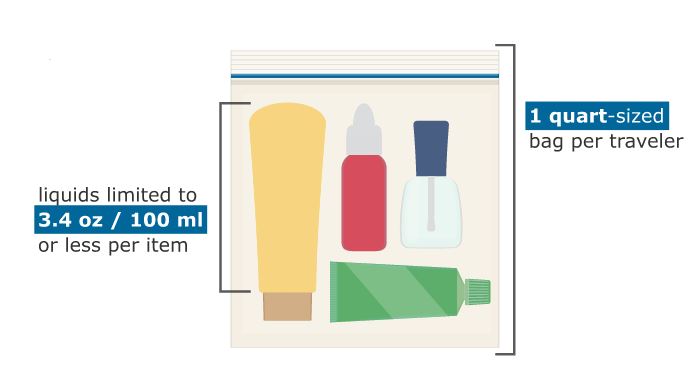
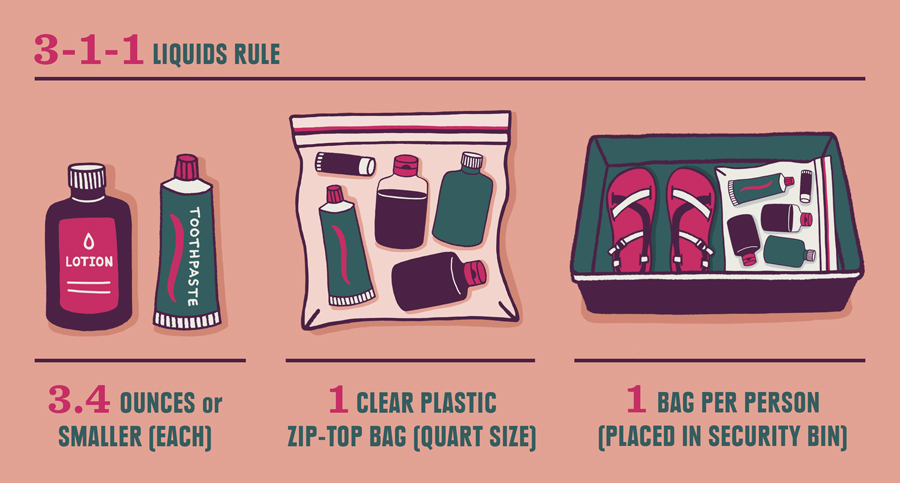
As we glide through the security checks at airports, we often find ourselves pondering the intricacies of carry-on luggage rules, particularly those concerning liquids. The restrictions on liquids in carry-on bags have become a standard part of air travel, but have you ever wondered how these rules came to be? The history of these regulations dates back to 2006, when a plot to detonate liquid explosives on flights from the UK to the US and Canada was uncovered. This event led to a significant overhaul of airport security protocols, including the implementation of the 3-1-1 liquids rule, which dictates that liquids, gels, and aerosols in carry-on bags must be in containers of 3.4 ounces (100 milliliters) or less, fit in a clear, quart-sized zip-top bag, with only one bag allowed per passenger.
The importance of adhering to these rules cannot be overstated. Not only do they contribute to the safety and security of all airline passengers, but they also help in streamlining the security process, reducing wait times and making air travel more efficient. Despite their significance, these rules can often seem confusing or overly restrictive to travelers, especially those who are not frequent flyers. The liquid rules have become a cultural phenomenon of sorts, with many travelers sharing their experiences and tips on how to navigate these regulations on social media and travel blogs. From Danny DeVito's infamous airport security mishaps to the countless memes about the liquids ban, it's clear that these rules have left an indelible mark on popular culture.
Understanding the Liquid Rules
Delving deeper into the world of carry-on liquid restrictions, it's fascinating to explore the lesser-known facts and psychological aspects surrounding these rules. For instance, did you know that the TSA (Transportation Security Administration) has a list of prohibited items that includes not just liquids, but also certain types of gels and aerosols? This list is constantly updated to reflect new threats and security concerns. Moreover, the psychological impact of these rules on travelers should not be underestimated. The process of preparing for security checks, including the careful selection and packaging of liquids, can be a source of significant stress for many. It's a testament to human adaptability, however, that travelers have found ways to cope with these regulations, from investing in travel-sized toiletries to developing strategies for efficiently navigating security lines.
Must Read
- Heart Of Mexico City Football: Pinpointing The Azteca Stadium Location
- Guadalajara Stadium Parking Guide: Avoid The Matchday Traffic
- Houston Stadium Bag Policy: Clear Bag Rules For Visitors
- Sofi Stadium Capacity: How Many Fans It Can Hold
- Reliant Stadium Parking: A Guide To The Old Name And Current Venue
The cultural impact of the liquid rules is also noteworthy. They have contributed to a shift in consumer behavior, with the demand for travel-sized products increasing significantly since the implementation of these regulations. This trend has been particularly beneficial for companies that specialize in travel accessories and toiletries, creating a new market segment that caters specifically to the needs of air travelers. Furthermore, the liquid rules have become a common topic of discussion among travelers, fostering a sense of community and shared experience. Whether it's commiserating about the inconvenience of these rules or sharing tips on how to comply with them, travelers have found ways to connect with each other over this aspect of air travel.
In addition to their practical implications, the liquid rules have also inspired a range of creative responses. From humorous articles and social media posts about the absurdities of airport security to more serious discussions about the balance between security and convenience, these rules have become a catalyst for conversation and reflection. They challenge us to think critically about the trade-offs we make in the name of security and to consider the ways in which our daily lives are influenced by broader societal and political factors. As such, the liquid rules serve as a fascinating case study in how regulatory policies can have far-reaching effects on culture, psychology, and individual behavior.
Navigating the Liquid Rules in Practice
So, how do travelers navigate the complex world of liquid restrictions in carry-on luggage? One key strategy is to plan ahead, ensuring that all liquids, gels, and aerosols are in compliant containers and easily accessible for security checks. This can involve investing in reusable travel bags designed specifically for carrying liquids and gels, as well as carefully selecting which items to include in carry-on luggage. Travelers can also benefit from staying informed about the latest updates to the TSA's list of prohibited items and any changes to the 3-1-1 liquids rule.
Another important consideration is the potential for variations in enforcement of the liquid rules. While the TSA sets national standards for airport security in the US, the implementation of these standards can vary from one airport to another. Travelers may find that some airports are more stringent in their enforcement of the liquid rules, while others may be more lenient. Being aware of these potential variations can help travelers prepare for their journeys and avoid any unnecessary complications during security checks.

Furthermore, the rise of smart luggage and travel accessories has provided travelers with innovative solutions for managing liquids and gels in their carry-on bags. From luggage with built-in, TSA-approved liquid bags to travel apps that offer real-time updates on security wait times and restrictions, technology is playing an increasingly important role in helping travelers navigate the complexities of air travel. By leveraging these tools and staying informed, travelers can make their journeys smoother and less stressful, even in the face of stringent security regulations.
Finally, it's worth noting that the liquid rules are not just a matter of personal convenience; they also have implications for environmental sustainability. The demand for travel-sized toiletries, for example, has led to an increase in packaging waste. As travelers become more aware of the environmental impact of their choices, there is a growing interest in eco-friendly travel products and practices that can help minimize waste while still complying with security regulations. This shift towards sustainability reflects a broader trend in consumer behavior, where individuals are seeking ways to reduce their environmental footprint, even in the context of air travel.
Frequently Asked Questions
What are the specifics of the 3-1-1 liquids rule, and how does it apply to different types of items?
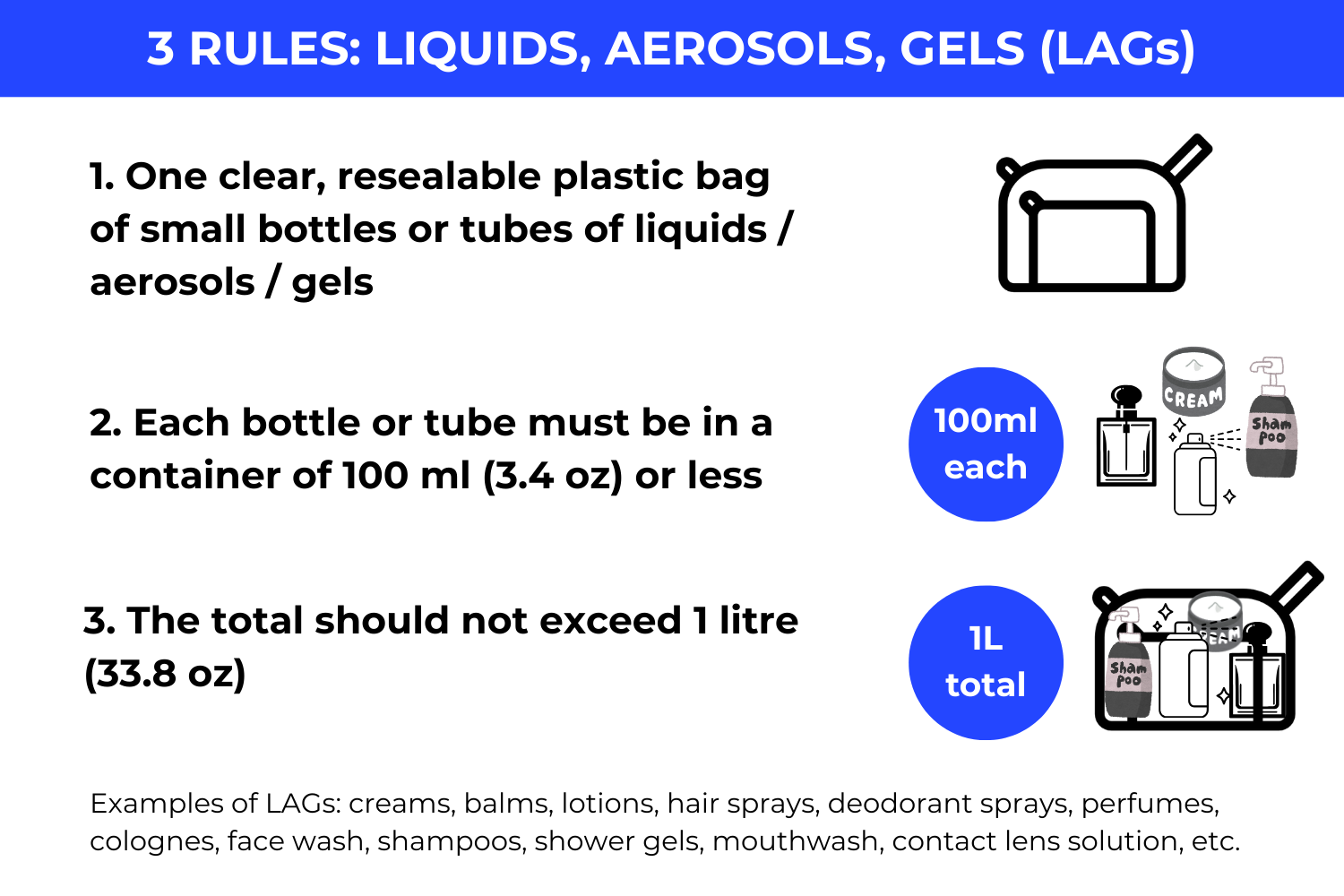
The 3-1-1 liquids rule is a key component of the TSA's security protocols, designed to ensure the safe transportation of liquids, gels, and aerosols in carry-on bags. The rule dictates that each item must be in a container of 3.4 ounces (100 milliliters) or less, that all items must fit in a clear, quart-sized zip-top bag, and that only one such bag is allowed per passenger. This rule applies to a wide range of items, including toiletries like shampoo and toothpaste, as well as certain types of cosmetics and medications. Understanding the specifics of this rule is crucial for avoiding any issues during security checks.
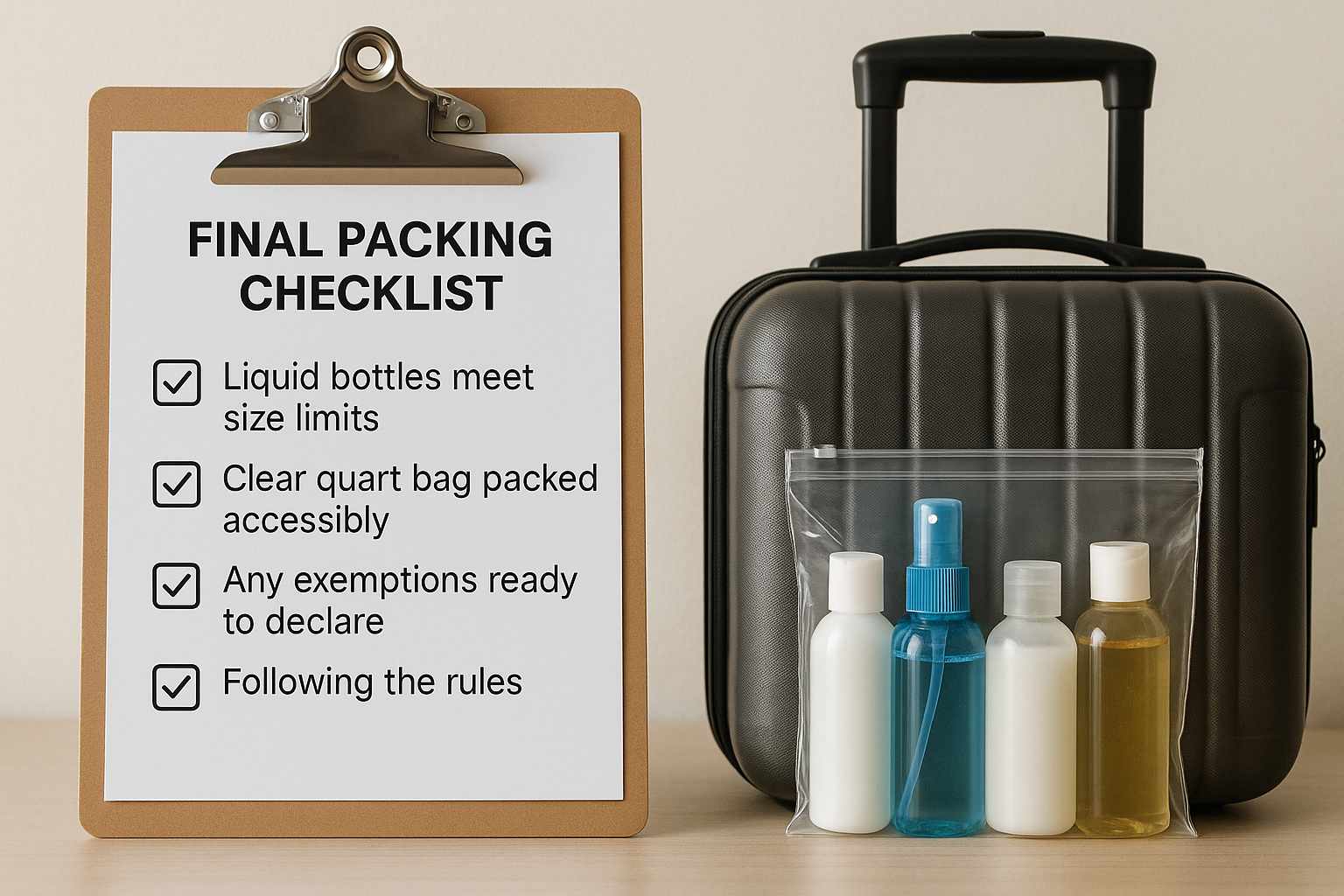
In practice, adhering to the 3-1-1 rule requires careful planning and attention to detail. Travelers must ensure that all eligible items are in compliant containers and that these containers are placed in a clear, quart-sized zip-top bag. It's also important to be aware of any items that are exempt from the 3-1-1 rule, such as certain medications and baby formula, which may be allowed in larger quantities under specific conditions. By familiarizing themselves with the rule and its applications, travelers can navigate security checks more efficiently and reduce the risk of delays or confiscation of items.

How do the liquid rules impact travelers with specific needs, such as those requiring medical exemptions or traveling with infants?
The liquid rules can present particular challenges for travelers with specific needs, such as those who require medical exemptions or are traveling with infants. For individuals with medical conditions that necessitate the carriage of larger quantities of liquids or gels, the TSA offers certain exemptions, provided that the items are declared and inspected at security checkpoints. Similarly, for parents traveling with infants, there are provisions that allow for the carriage of baby formula, breast milk, and juice in reasonable quantities, albeit with the requirement that these items be screened and inspected.
In these situations, communication and preparation are key. Travelers should inform the TSA about their specific needs in advance, if possible, and be prepared to provide documentation or explanations for any exemptions they are claiming. The TSA also recommends that travelers with medical exemptions or those traveling with infants arrive early at the airport to allow sufficient time for the security screening process. By understanding the provisions in place for travelers with specific needs and planning accordingly, individuals can ensure a smoother and less stressful travel experience, even when navigating complex security regulations.
What are some strategies for efficiently packing liquids and gels in carry-on luggage to comply with the 3-1-1 rule?
Packing liquids and gels in carry-on luggage requires a strategic approach to comply with the 3-1-1 rule. One of the most effective strategies is to invest in a good quality, quart-sized zip-top bag that is specifically designed for carrying liquids and gels. This bag should be clear, to facilitate easy inspection, and durable, to withstand the rigors of travel. Travelers should also choose multi-purpose products that can serve several functions, thereby reducing the overall number of items that need to be packed.
Another strategy is to decant larger items into smaller, travel-sized containers. This not only helps in complying with the 3.4-ounce limit but also reduces weight and saves space in the carry-on bag. Additionally, packing essential items in easily accessible pockets of the carry-on bag can speed up the security screening process, as these items can be quickly removed and placed in a bin for X-ray screening. By adopting these strategies, travelers can efficiently pack their liquids and gels, ensuring compliance with the 3-1-1 rule while also streamlining their security experience.
How do variations in international airport security regulations impact travelers, and what are some tips for navigating these differences?
For travelers venturing beyond US borders, understanding the variations in international airport security regulations is crucial. While the 3-1-1 liquids rule is a standard component of US security protocols, other countries may have different regulations regarding the carriage of liquids, gels, and aerosols in carry-on bags. Some countries may have more stringent regulations, while others may be more lenient. Researching the specific security regulations of the destination country is essential to avoid any complications during security checks.
One of the most effective tips for navigating these differences is to stay informed through official government websites, travel advisories, and airline resources. Travelers should also pack smart, choosing products that are compliant with the most stringent regulations they expect to encounter. Furthermore, allowing extra time for security checks when traveling internationally can help mitigate the impact of any unexpected issues or differences in security protocols. By being prepared and flexible, travelers can successfully navigate the variability in international security regulations and enjoy a hassle-free journey.
What role does technology play in helping travelers comply with liquid rules, and what are some of the most innovative solutions available?
Technology is increasingly playing a pivotal role in assisting travelers comply with liquid rules and navigate airport security more efficiently. From travel apps that provide real-time updates on security wait times and restrictions to intelligent luggage that can detect and report the contents of carry-on bags, innovative solutions are emerging to make air travel more convenient and secure. For example, some airlines and airports are implementing biometric screening technologies that can identify passengers and their carry-on items, potentially streamlining the security process and reducing the need for manual inspections.
Among the most innovative solutions available are smart bags equipped with TSA-approved compartments for liquids and gels, and packaging technologies that allow for the safe and compliant carriage of items that would otherwise be prohibited. Furthermore, travel planning platforms are integrating detailed information on security regulations and restrictions into their services, helping travelers plan their packing and security strategies in advance. By leveraging these technologies, travelers can ensure compliance with liquid rules while also enhancing their overall travel experience through increased efficiency and convenience.
:max_bytes(150000):strip_icc()/Liquids-in-carry-on-468595-v2-334131c6ffdf498f9503f6e0480f6efe.png)
How do the liquid rules reflect broader societal and political factors, and what insights do they offer into human behavior and psychology?
The liquid rules, as a component of airport security protocols, reflect a complex interplay of societal, political, and psychological factors. On one hand, they represent a response to real and perceived threats to air travel security, highlighting the ongoing tension between security and liberty in the post-9/11 era. On the other hand, they also underscore human behavior and psychology, particularly in how individuals adapt to and cope with regulatory environments that impact their daily lives.
The implementation and evolution of the liquid rules offer valuable insights into human adaptability and resilience. Despite initial resistance and frustration, travelers have largely adjusted to these regulations, finding ways to comply while also advocating for changes and exemptions where necessary. This adaptability reflects a broader capacity of humans to navigate and influence their regulatory environments, often leading to innovations and efficiencies that might not have been anticipated by policymakers. By examining the liquid rules through the lens of human behavior and psychology, we gain a deeper understanding of how regulatory policies shape and are shaped by societal norms and individual actions.
The connection between the liquid rules and our daily lives extends beyond the realm of air travel, touching on fundamental aspects of human nature such as security, convenience, and community. The trade-offs we make between these values are reflected in our responses to the liquid rules, from the ways in which we prepare for and navigate security checks, to the products we choose to buy and the technologies we adopt to facilitate our travels. In this sense, the liquid rules serve as a microcosm for understanding broader societal trends and the intricate balances we strike in our pursuit of safety, efficiency, and personal freedom.
Moreover, the liquid rules have a profound impact on travel and tourism industries, influencing not just the way we travel but also the destinations we choose and the experiences we seek. By shaping the travel experience, these regulations have economic and cultural implications that extend far beyond the airport, affecting local economies, cultural exchange, and global connectivity. As such, the study of the liquid rules offers a unique perspective on the complex interplay between regulation, industry, and society, highlighting the need for policies that balance security concerns with the needs of travelers and the travel industry.
Ultimately, the liquid rules are a testament to human ingenuity and the capacity for collective problem-solving. From the development of travel-sized products to the creation of smart luggage and security technologies, the response to these regulations has been marked by innovation and adaptability. As we look to the future of air travel and the evolving landscape of security regulations, it's clear that the liquid rules will continue to play a significant role, challenging us to find new ways to balance our desire for security with our need for convenience, community, and freedom of movement.
:max_bytes(150000):strip_icc()/liquids-on-a-plane-4046937-FINAL-5ba3d35d4cedfd002506643d.png)