Rules About Liquid On Airplane

When it comes to flying, there are a lot of rules to follow, and one of the most interesting ones is about liquids on airplanes. You might have noticed that when you're going through security, there are special rules about the size and type of liquids you can bring on the plane. This can be a bit confusing, but it's actually pretty simple once you understand the basics.
The main reason for these rules is to keep everyone safe and secure while flying. According to the TSA (Transportation Security Administration),
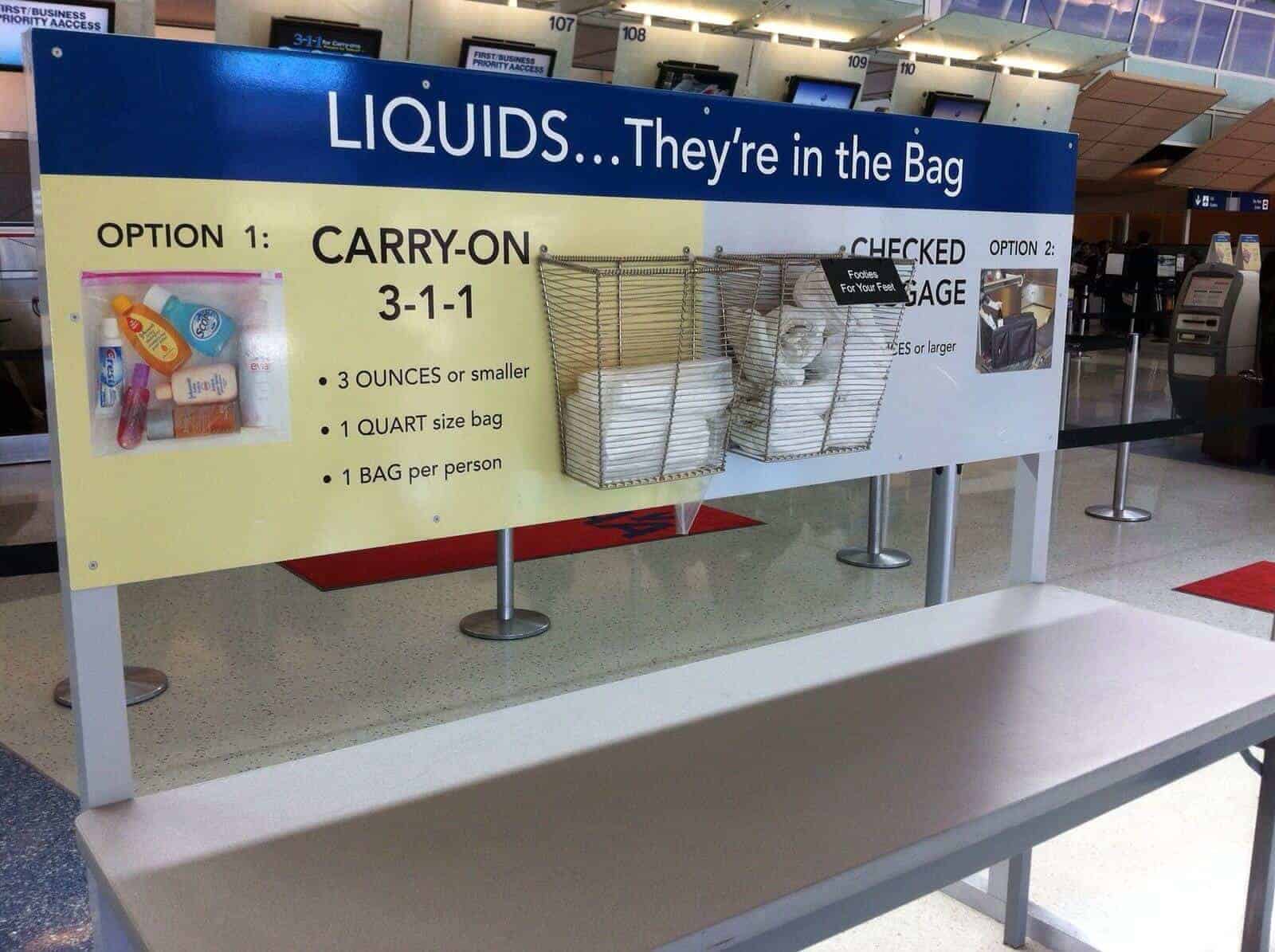
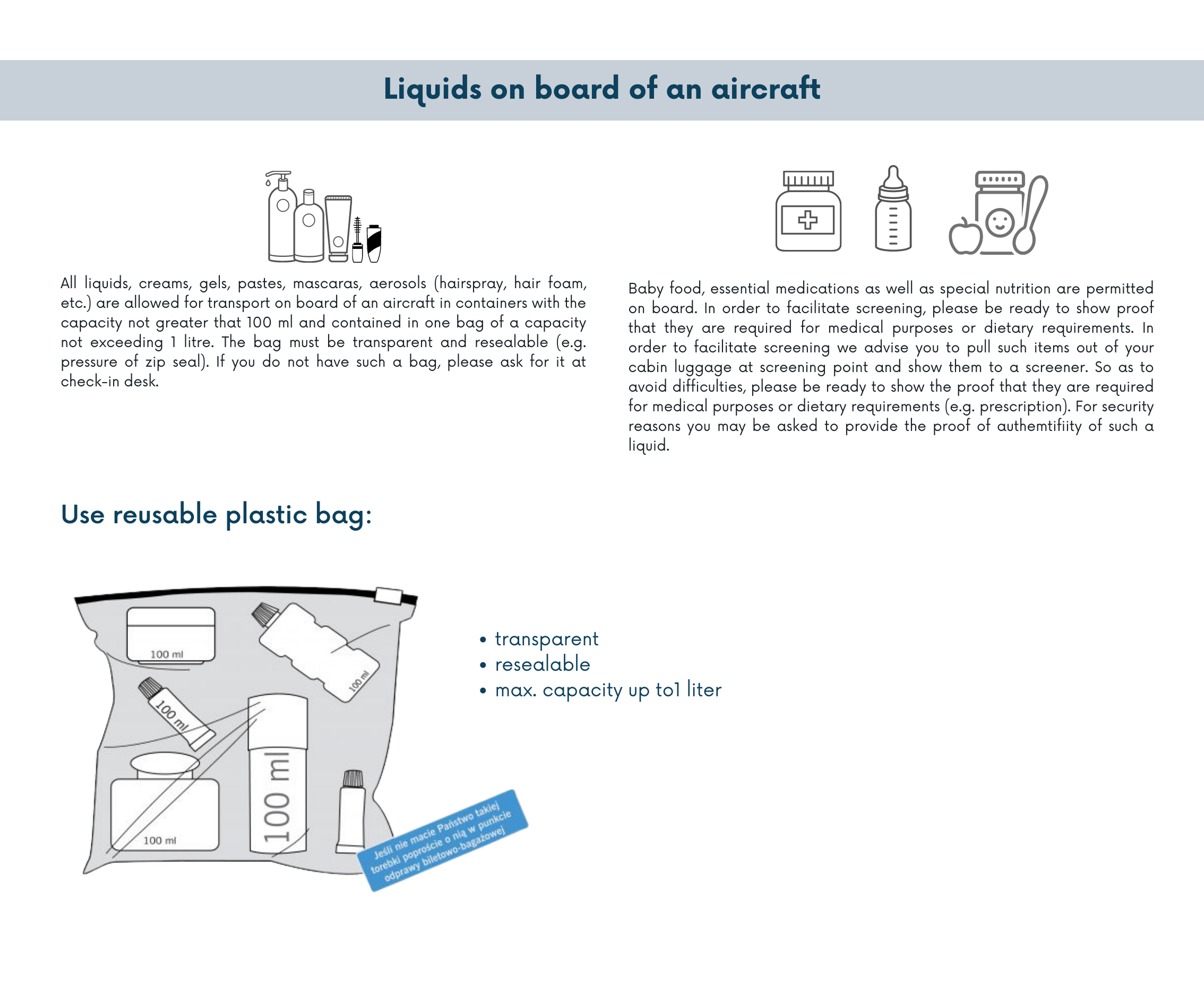
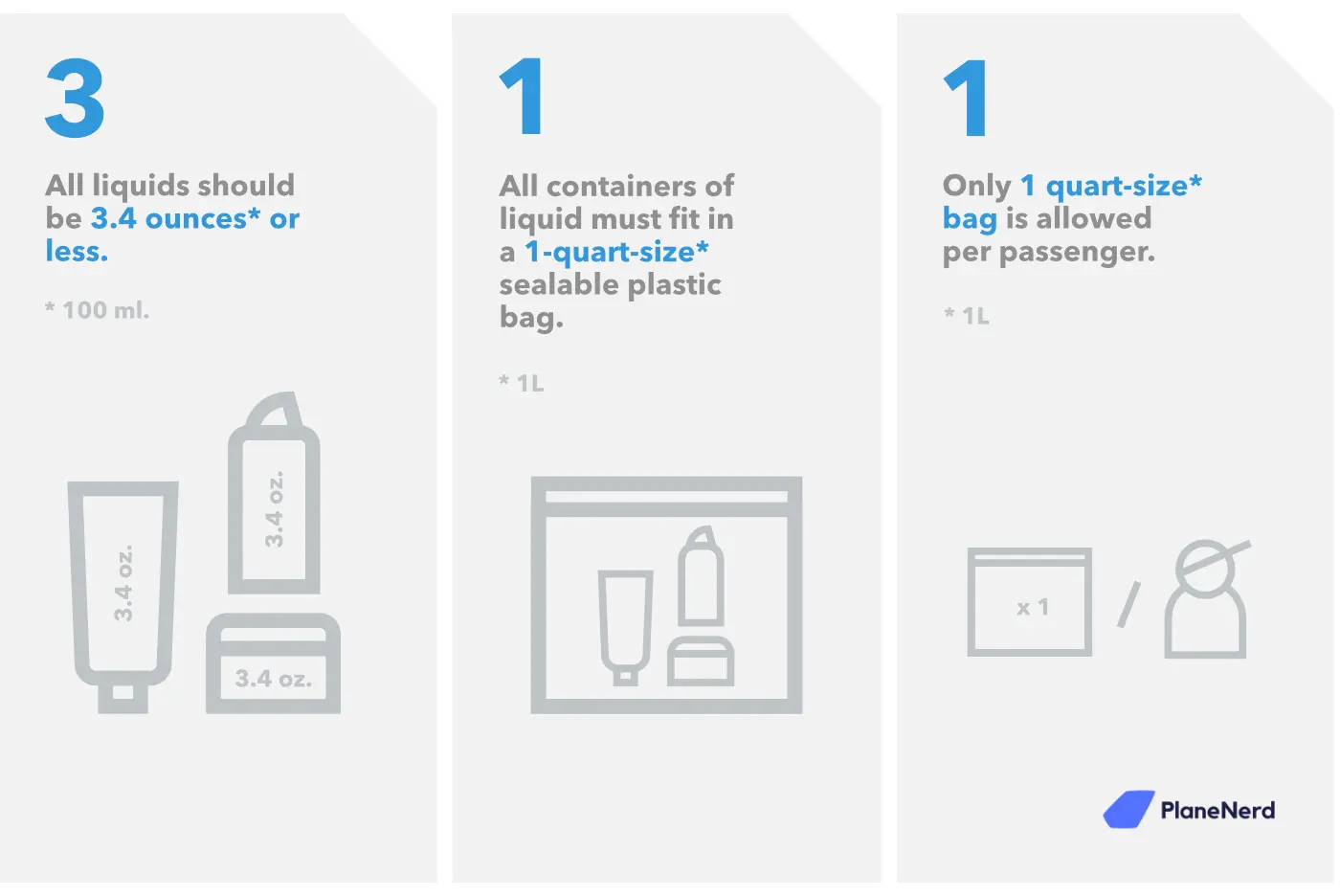
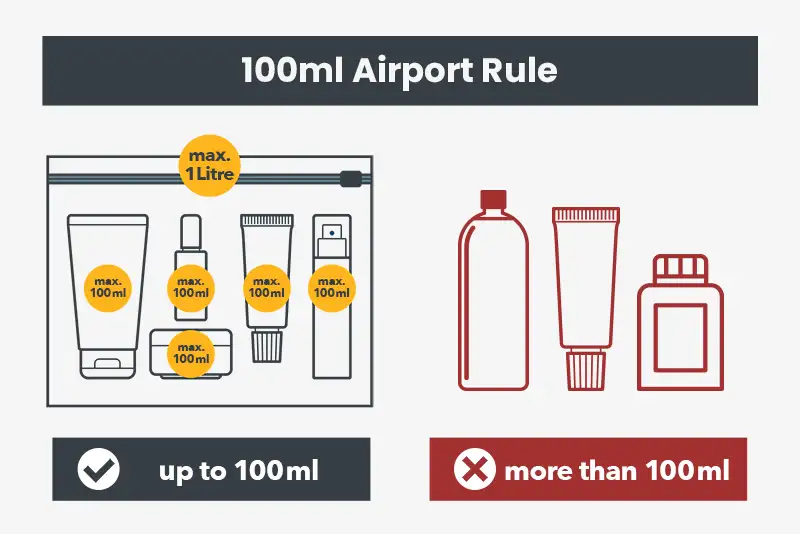
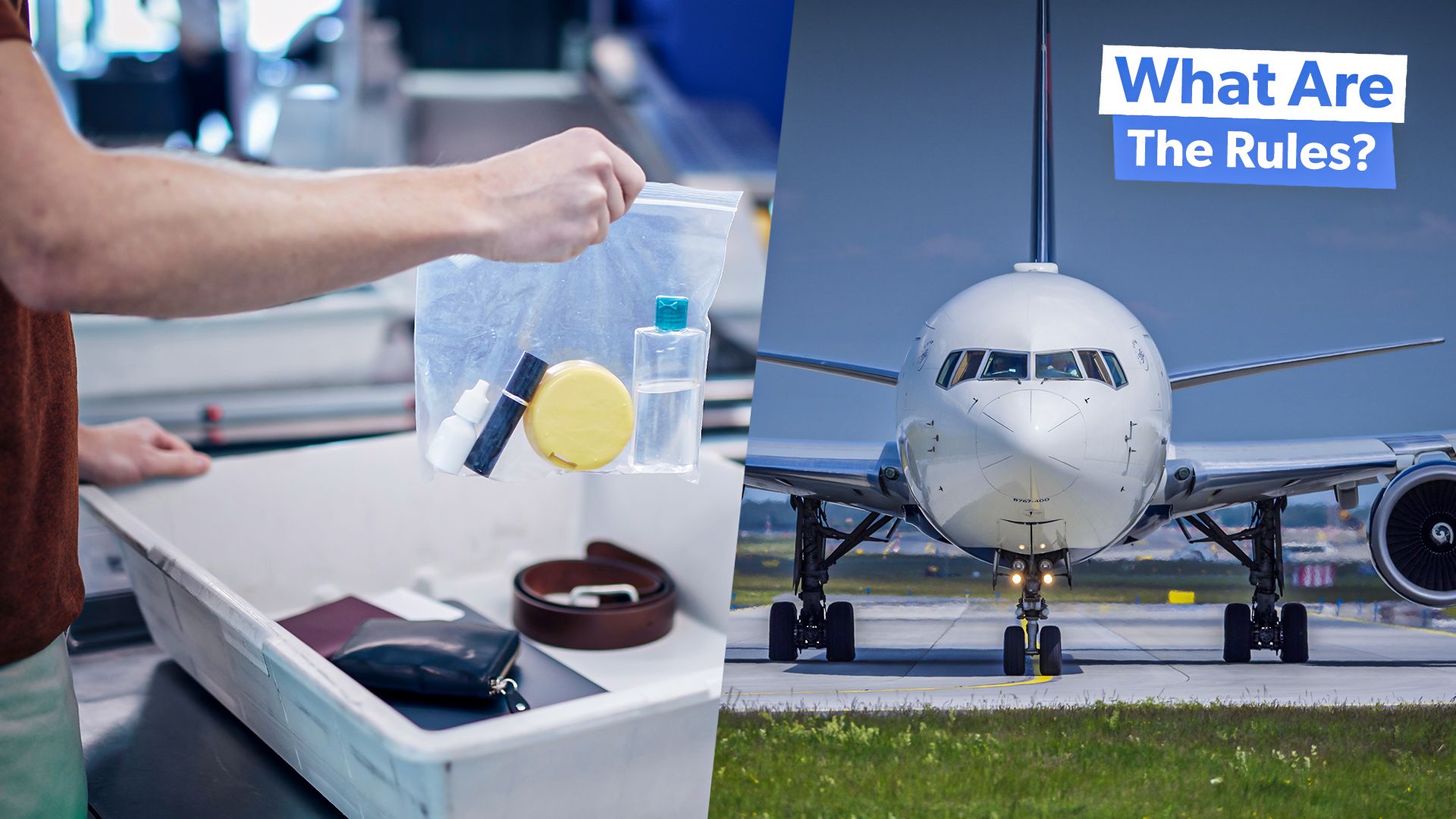
liquids, gels, and aerosolsmust be in containers of 3.4 ounces or less and fit in a clear, quart-sized zip-top bag. This might seem like a hassle, but it's an important part of making sure that all flights are safe and enjoyable.
Understanding the Rules
So, what exactly are the rules about liquids on airplanes? The TSA has a 3-1-1 liquids rule, which means that liquids, gels, and aerosols must be in containers of 3.4 ounces or less, fit in a clear, quart-sized zip-top bag, and only one bag is allowed per passenger. This rule applies to all domestic and international flights, so it's a good idea to familiarize yourself with it before your next trip.
Must Read
- Heart Of Mexico City Football: Pinpointing The Azteca Stadium Location
- Guadalajara Stadium Parking Guide: Avoid The Matchday Traffic
- Houston Stadium Bag Policy: Clear Bag Rules For Visitors
- Sofi Stadium Capacity: How Many Fans It Can Hold
- Reliant Stadium Parking: A Guide To The Old Name And Current Venue
Another important thing to keep in mind is that some items are exempt from the 3-1-1 liquids rule. For example, medications, baby formula, and breast milk are all allowed in reasonable quantities and don't have to fit in the zip-top bag. However, it's still a good idea to declare these items at security and be prepared to show them to a TSA officer.
Following the Rules
So, how can you make sure you're following the rules about liquids on airplanes? The first step is to check the TSA website for the most up-to-date information on the 3-1-1 liquids rule and any other regulations that might apply to your flight. You should also make sure to pack your liquids and
It's also a good idea to leave any restricted items at home, rather than trying to bring them on the plane and risking having them confiscated by security. This might seem like a hassle, but it's much better than having to deal with the stress and inconvenience of having your belongings taken away. By following the rules and being prepared, you can help make your flight safe, enjoyable, and stress-free.
Special Considerations
There are some special considerations to keep in mind when it comes to liquids on airplanes. For example, if you have a medical condition that requires you to bring a specific liquid or gel on the plane, you'll need to notify the TSA in advance and get approval. You should also be aware that some items, like contact lens solution and lip gloss, are subject to the 3-1-1 liquids rule, while others, like solid cosmetics and powder, are not.
:max_bytes(150000):strip_icc()/tsa-liquid-rules-carry-on-checked-bag-TSALIQUIDS0622-841fded886324b3e99b7713c8b8ae94b.jpg)
Additionally, if you're traveling with a child or infant, you'll need to be aware of the rules about baby formula, breast milk, and juice. These items are allowed in reasonable quantities, but you'll still need to declare them at security and be prepared to show them to a TSA officer. By being aware of these special considerations, you can help make your flight safe and enjoyable for everyone.
Finally, it's worth noting that the rules about liquids on airplanes are in place to keep everyone safe and secure. While it might seem like a hassle to follow these rules, it's actually a small price to pay for the peace of mind that comes with knowing you're doing everything you can to stay safe while flying. By being prepared and informed, you can help make your flight enjoyable and stress-free, and that's something to feel good about.

The TSA is always working to improve the security process and make it easier for passengers to understand and follow the rules. By staying informed and being prepared, you can help make your flight safe, enjoyable, and stress-free. So next time you're flying, take a few minutes to review the rules about liquids on airplanes, and you'll be glad you did.
In conclusion, the rules about liquids on airplanes might seem complicated, but they're actually pretty simple once you understand the basics. By being prepared, informed, and aware of the rules, you can help make your flight safe, enjoyable, and stress-free. So next time you're flying, take the time to review the rules and regulations, and you'll be glad you did.
:max_bytes(150000):strip_icc()/Liquids-in-carry-on-468595-v2-334131c6ffdf498f9503f6e0480f6efe.png)