Restrictions On Carry On Luggage
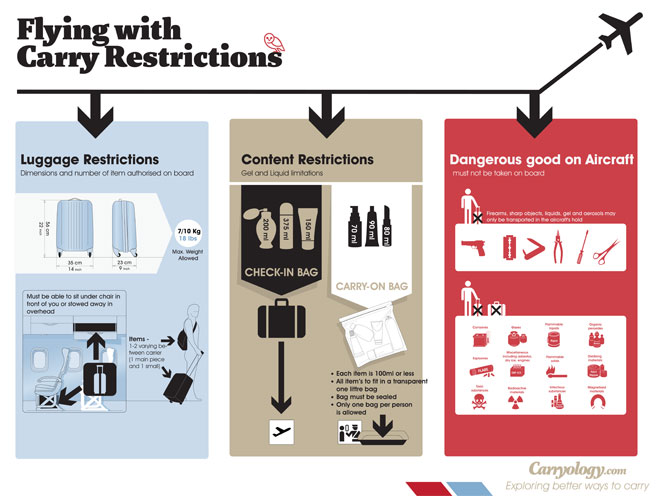
I still remember my first flight like it was yesterday - the excitement, the nervousness, and of course, the luggage drama. As I was about to board the plane, I was stopped by the airline staff and informed that my carry-on luggage was slightly oversized. I had to quickly rearrange my belongings to fit the strict size restrictions, all while trying to keep my cool in front of a growing crowd of impatient passengers.
This experience taught me a valuable lesson about the importance of carry-on luggage restrictions. But have you ever wondered why these restrictions exist in the first place? Is it just a ploy by airlines to get us to pay for checked baggage, or is there actually a method to the madness?
Why the Restrictions?
As it turns out, the main reason for these restrictions is safety. You see, the overhead bins and under-seat storage compartments on planes are designed to hold a certain amount of weight and volume, and exceeding these limits can be a serious hazard. I mean, can you imagine if a heavy bag were to fall from the overhead bin during turbulence - not exactly the most reassuring thought, right?
Must Read
- Heart Of Mexico City Football: Pinpointing The Azteca Stadium Location
- Guadalajara Stadium Parking Guide: Avoid The Matchday Traffic
- Houston Stadium Bag Policy: Clear Bag Rules For Visitors
- Sofi Stadium Capacity: How Many Fans It Can Hold
- Reliant Stadium Parking: A Guide To The Old Name And Current Venue
Another reason for the restrictions is to streamline the boarding and deplaning process. When everyone has a huge carry-on bag, it can get pretty chaotic in the aisles, leading to delays and frustration for all. By limiting the size and number of carry-on bags, airlines can reduce congestion and make the whole experience more efficient.
Size Matters
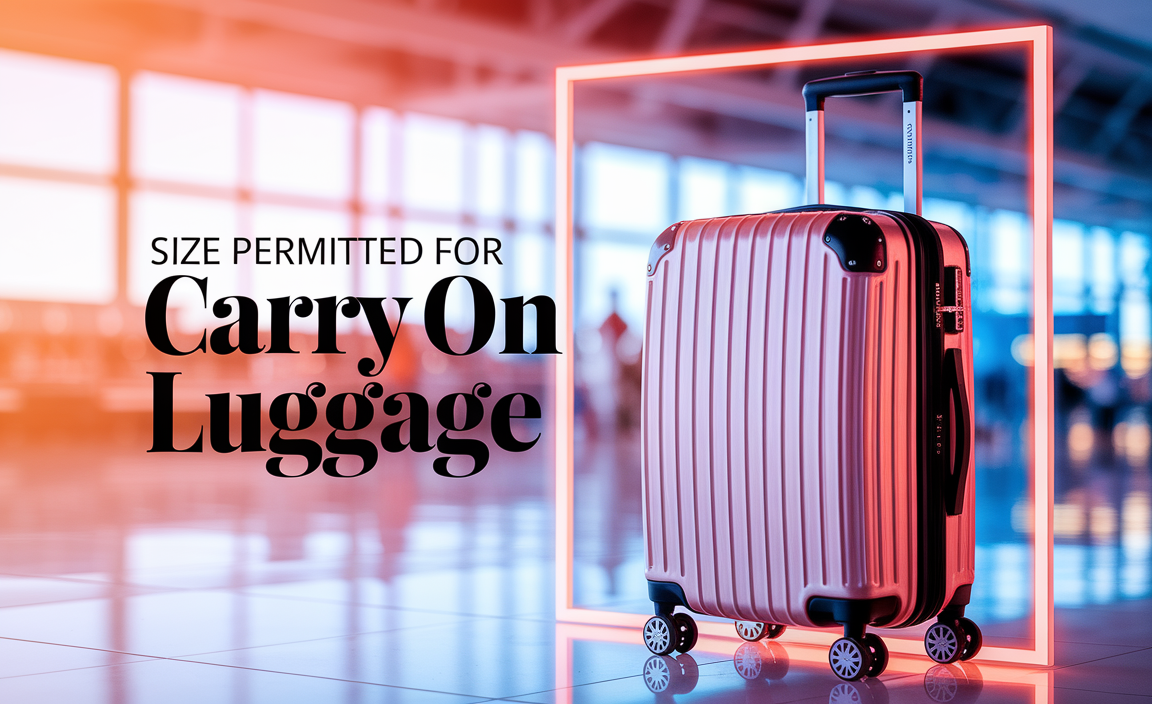
So, what exactly are the size restrictions for carry-on luggage? Well, it varies from airline to airline, but generally, the maximum size is around 22" x 14" x 9" (55 x 35 x 23 cm). And let me tell you, those inches matter - I've seen people get turned away at the gate for having a bag that's just a hair too big.
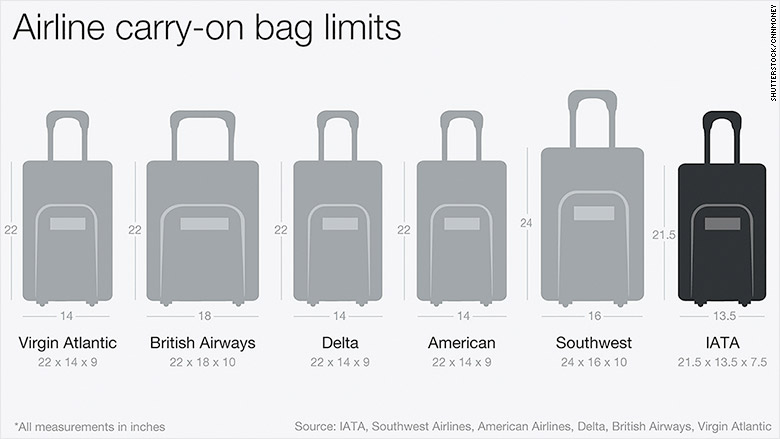
But it's not just about the size - weight is also a factor. Most airlines have a weight limit for carry-on bags, typically around 40 pounds (18 kg). And if you're planning to bring any special items, like a laptop or a musical instrument, you'll need to check with your airline in advance to see if they have any specific requirements.
Now, I know what you're thinking - what about all the extra fees that airlines charge for checked baggage? It's true, it can get expensive to check a bag, especially if you're traveling with a lot of gear. But trust me, it's better to plan ahead and pack smart than to risk having to gate-check your bag at the last minute.
:max_bytes(150000):strip_icc()/TAL-illustrated-chart-CARRYSIZE0325-35ad53e34fe94833b370f432af602978.jpg)
Packing Strategies
So, how can you outsmart the system and avoid checking a bag altogether? One strategy is to pack light and wear your heaviest or bulkiest items (like your coat and boots) on the plane. You can also use packing cubes or compression bags to make the most of your carry-on space.
Another trick is to choose the right luggage. Look for bags with multiple compartments and organized pockets to keep your belongings tidy and easily accessible. And don't forget to measure your bag before you leave for the airport to avoid any last-minute surprises.

Lastly, it's worth noting that some airlines are now offering special perks for passengers who gate-check their bags. For example, some airlines will waive the fee for checked baggage or offer priority boarding to passengers who check their bags at the gate. So, it's always worth checking with your airline to see if they have any deals or promotions that can make your travel experience more enjoyable.
In conclusion, while the restrictions on carry-on luggage may seem like a nuisance at first, they're actually in place to keep us safe and make our travels more efficient. By packing smart and planning ahead, you can avoid the hassle and expense of checking a bag and make the most of your carry-on allowance. Happy travels, and don't forget to check that bag size!


![TSA Carry-On Rules: What You Can And Cannot Bring Through Security [2025]](https://www.thepointsanalyst.com/wp-content/uploads/2025/08/Image-9-1.jpeg)