Maximum Size For Liquid On Airplane

The world of air travel is filled with rules and regulations, and one of the most significant yet often overlooked aspects is the maximum size for liquids on airplanes. This restriction has become a norm in the post-9/11 era, shaping the way we pack and travel. But have you ever wondered about the history behind this rule or how it affects our daily lives? The concept of limiting liquid sizes on planes may seem mundane, but it holds a wealth of interesting facts, psychological insights, and cultural references that make it a fascinating topic to explore.
As we delve into the world of air travel and the regulations surrounding liquids, it becomes clear that this issue is not just about security; it's also about the human experience. From the frustration of having to discard a favorite perfume to the ingenious ways travelers find to circumvent these rules, the maximum size for liquids on airplanes is a reflective mirror of our society's values and priorities. Whether you're a frequent flyer or an occasional traveler, understanding the intricacies of this regulation can make your journey smoother and more enjoyable. So, let's embark on this journey to uncover the secrets and stories behind the maximum size for liquids on airplanes.
Understanding the Rules
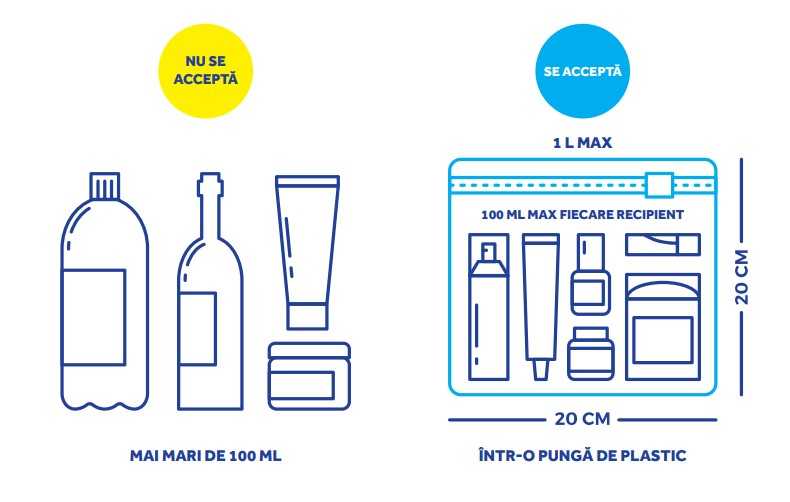
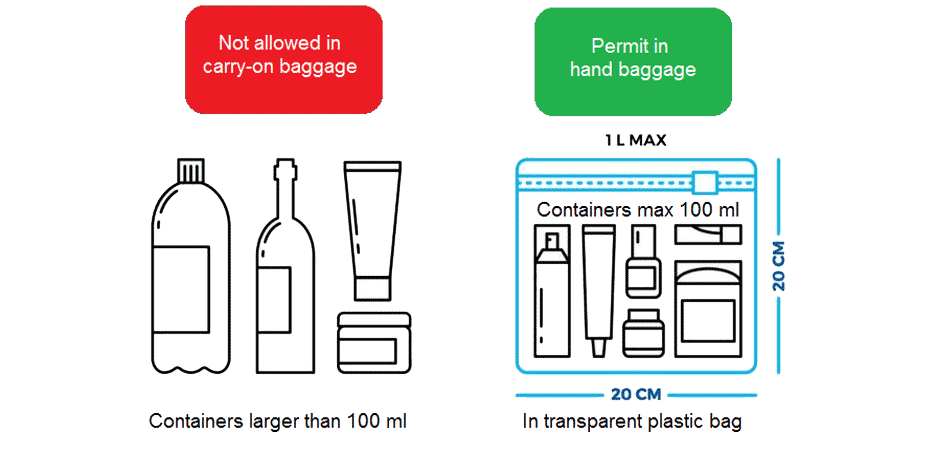
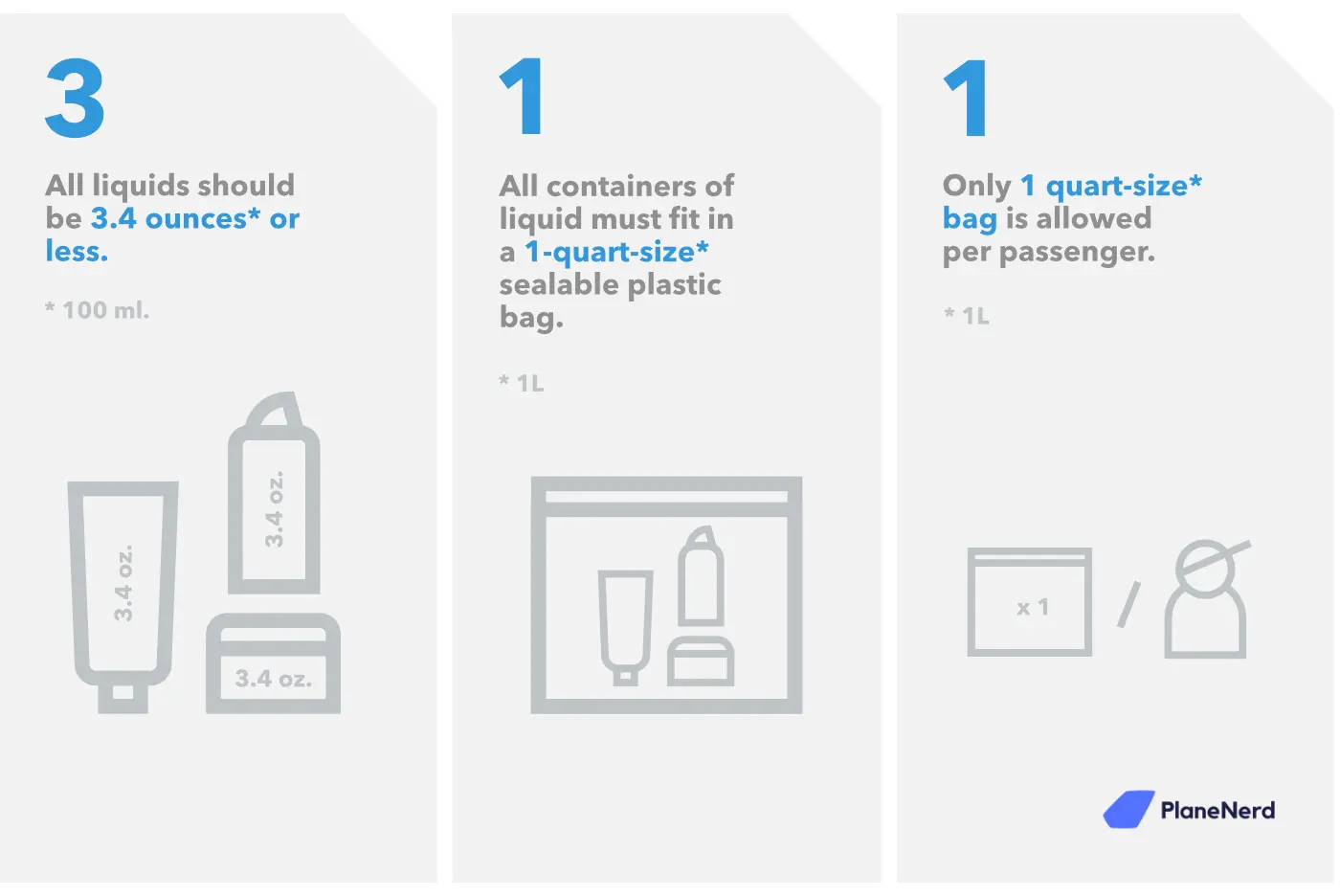
The history of the 3-1-1 liquids rule, which dictates that liquids, gels, and aerosols in containers of 3.4 ounces or less must be placed in a 1-quart zip-top bag, with only one bag allowed per passenger, is rooted in the attempt to balance security with passenger convenience. Introduced by the Transportation Security Administration (TSA) in 2006, this rule was a response to the evolving nature of terrorist threats. But beyond the security aspect, there's a psychological dimension to how these rules affect our travel experience. The ritual of preparing our liquids for security checks has become an integral part of flying, influencing our perception of freedom, control, and the value we place on certain items.
Must Read
Exploring the cultural impact of these regulations reveals a complex tapestry of practicality and symbolism. For instance, the compact, travel-sized versions of our favorite toiletries have become a staple in many households, symbolizing the adaptation of consumer culture to regulatory demands. Moreover, the ingenuity of travelers in finding ways to pack more efficiently, or even to bypass these rules, speaks to the human spirit of resilience and creativity in the face of limitations.
One of the lesser-known facts about the maximum size for liquids on airplanes is how enforcement varies across different countries and airlines. While the TSA's 3-1-1 rule is standard in the United States, other nations have their own versions of these regulations, sometimes with more stringent or more lenient requirements. This variation highlights the global nature of air travel and the need for a coordinated approach to security measures, underscoring the complexity of balancing national security concerns with international travel demands.
Real-Life Scenarios and Solutions
For the frequent traveler, understanding the nuances of the liquids rule can make all the difference in ensuring a smooth passage through security. Preparation is key; knowing what can and cannot be taken in your carry-on can save time and reduce stress. Moreover, being aware of exemptions, such as medications and certain types of baby food, can be crucial for passengers with specific needs. The rise of travel-sized essentials has also become a boon for travelers, offering a convenient solution to the liquids dilemma.
In real-life scenarios, the application of these rules can be context-dependent. For instance, a passenger traveling with a baby might find the rules around baby formula and breast milk more lenient, highlighting the necessity of flexibility in the application of these regulations. Additionally, the use of clear bags for liquids and gels has become a practical solution for travelers, making it easier for security personnel to screen items without needing to open the bag, thus streamlining the security process.
Cultural and sociological factors also play a role in how these rules are perceived and adhered to. In some societies, there's a greater emphasis on community and cooperation, leading to a more willing compliance with regulations. Conversely, in more individualistic societies, there might be a greater tendency to question authority and seek loopholes. Understanding these dynamics can provide insights into why some travelers might find these rules more challenging to follow than others.
Lastly, the rise of technological innovations in security screening offers a glimpse into a future where the maximum size for liquids on airplanes might become less restrictive. Advanced scanners and detection systems could potentially identify harmful substances without the need for the current restrictions, promising a more streamlined and passenger-friendly security experience. However, until such technologies become widespread, travelers must continue to navigate the existing rules and find creative ways to comply.
Frequently Asked Questions
What are the current TSA regulations regarding liquids in carry-on bags?
The TSA's current stance, as of the last update, continues to follow the 3-1-1 liquids rule for carry-ons. This means that each passenger can carry liquids, gels, and aerosols in containers of 3.4 ounces or less, placed in a 1-quart zip-top bag, with only one such bag allowed per passenger. However, it's always wise to check the TSA's official website for the most current information, as regulations can change. The enforcement of these rules can vary slightly at different airports and with different security personnel, but the core principle remains the same.
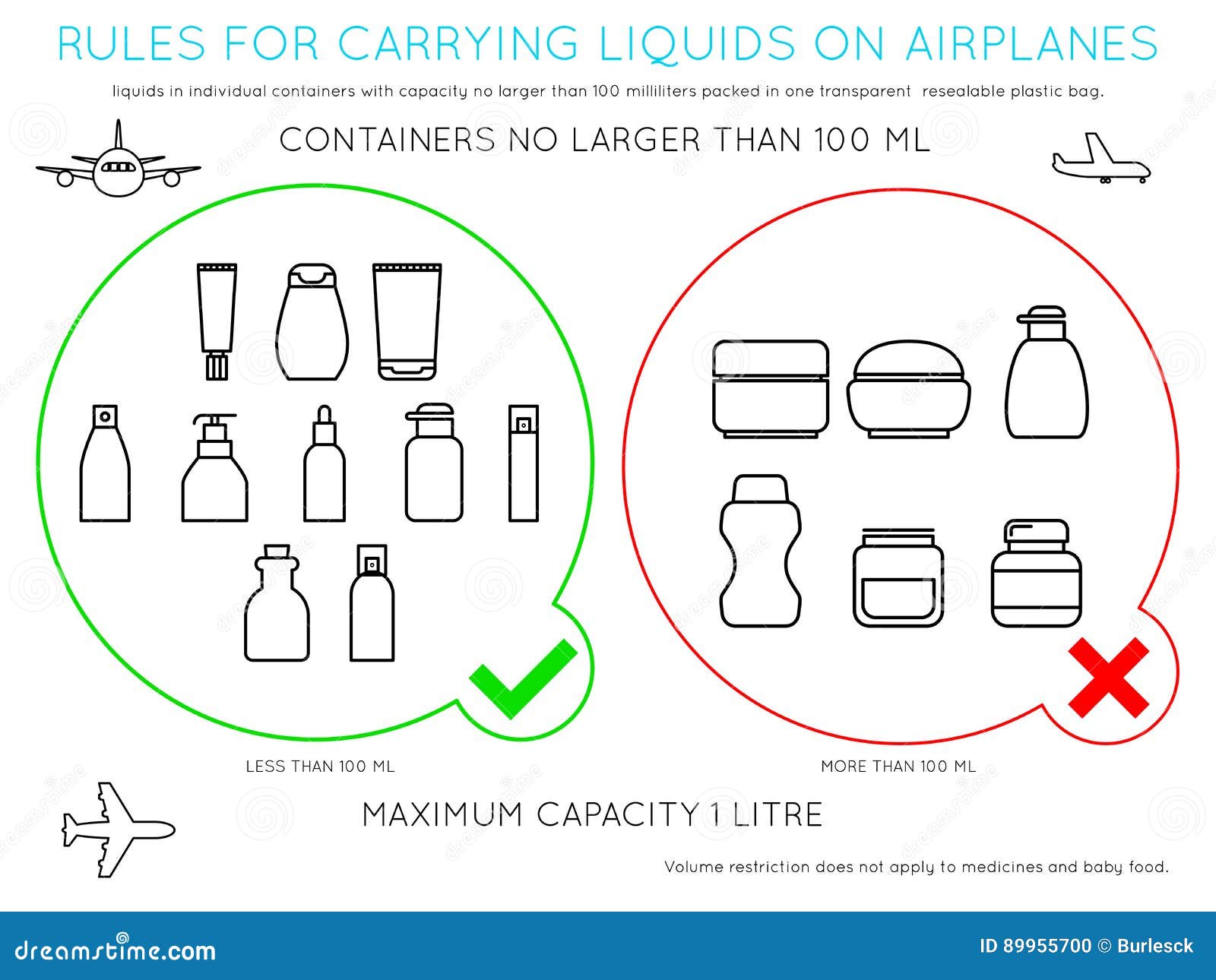
In practice, this rule applies to a wide range of items, from shampoo and toothpaste to perfume and mascara. The key is ensuring that each item is in a container of 3.4 ounces or less and that all these items fit into a single, quart-sized zip-top bag. This regulation does not apply to items in checked luggage, but there are still restrictions on certain hazardous materials. It's also worth noting that duty-free items are subject to specific rules and might be allowed in certain quantities if purchased after the security checkpoint.
:max_bytes(150000):strip_icc()/tsa-liquid-rules-carry-on-checked-bag-TSALIQUIDS0622-841fded886324b3e99b7713c8b8ae94b.jpg)
Can I bring medications or baby formula in quantities larger than 3.4 ounces?
Yes, there are exemptions for medications, baby formula, and breast milk. These items are allowed in reasonable quantities exceeding 3.4 ounces, but they must be declared and screened separately. It's crucial to inform the TSA officer about these items before the screening process begins. Having documentation or a prescription for medications can also be helpful in facilitating the process. Additionally, emptying a bottle of breast milk or formula to fit the 3-1-1 rule is not necessary; these items are screened using other methods to ensure safety.
For passengers with specific needs, such as those carrying medical equipment or special dietary items, it's advisable to check with the airline and the TSA beforehand to understand the specific rules and any necessary preparations. This can include notifying the airline about any special requirements during booking or checking in. The TSA Cares helpline is also a valuable resource for travelers with disabilities or medical conditions, providing guidance on how to navigate security with special items.
How do I pack liquids for a flight to minimize hassle during security checks?
Packing smart is the key to minimizing hassle during security checks. Using a clear, quart-sized zip-top bag for your liquids, gels, and aerosols makes it easier for security personnel to screen your items without needing to open the bag. It's also a good idea to prepare your bag in advance, ensuring all eligible items are in their designated containers and easily accessible. This can save you time and reduce the likelihood of delays or confiscated items.
Additionally, choosing multi-purpose items can help reduce the number of containers you need to carry. For instance, opting for a facial moisturizer that also has SPF can reduce the need for separate sunscreen. Travel-sized essentials are also a great way to comply with regulations while still having your necessary items. Considering decanting your regular-sized toiletries into travel-friendly containers can also be a practical strategy for frequent travelers.

Are there any differences in regulations for international flights compared to domestic flights within the United States?
While the core principle of the 3-1-1 liquids rule applies universally, there can be differences in how regulations are enforced on international flights compared to domestic flights within the United States. For flights departing from airports outside the U.S., the regulations might be more stringent or somewhat different, depending on the country's aviation authority. It's essential to check with your airline and the relevant aviation authority for the most accurate and up-to-date information regarding any flight.
Moreover, when transferring between flights, especially if you're travelling from a country with different regulations, understanding the rules at your transit point is crucial. Some items that might be allowed on a domestic flight in one country could be prohibited or restricted on an international flight. The last point of departure often dictates the applicable rules, so informing yourself about the specific regulations at each leg of your journey can prevent unforeseen issues.
Can I purchase liquids, gels, or aerosols after passing through security and then bring them on the plane?
Yes, items purchased after passing through security checkpoints can be brought on the plane without adhering to the 3-1-1 rule, provided they are in sealed bags with proof of purchase from the airport. This is a common practice for travelers looking to purchase duty-free items such as spirits, perfumes, or cosmetics. These items are allowed in reasonable quantities, but it's always a good idea to check with the airline for any specific restrictions or guidelines, especially if your journey involves multiple flights or countries with varying regulations.
It's also worth noting that some airports have special procedures for items purchased in duty-free shops located after security checkpoints but before boarding gates. These procedures are designed to ensure compliance with all relevant security regulations while allowing passengers the convenience of shopping after security checks. The use of tamper-evident bags for these purchases is standard practice, providing an additional layer of security.

How might future advancements in security technology impact the current liquids restrictions on flights?
Future advancements in security screening technology could significantly impact the current restrictions on liquids, gels, and aerosols in carry-on bags. Technologies that can more accurately and efficiently identify potential threats without the need for passengers to remove items from their carry-on bags could lead to a relaxation of the 3-1-1 rule. This could include advanced scanners, artificial intelligence-powered screening systems, or other innovative solutions that enhance security while improving the passenger experience.
The potential for biometric technologies and intelligent security systems to streamline the travel process is vast. These advancements could not only simplify security procedures but also provide a more personalized and efficient travel experience, minimizing wait times and enhancing overall satisfaction. As these technologies continue to evolve, it will be interesting to see how they influence aviation security regulations and the travel experience as a whole, potentially leading to a future where current restrictions on liquids become less stringent or even obsolete.
As we reflect on the maximum size for liquids on airplanes, it becomes clear that this regulation is not just a trivial aspect of air travel; it's a reflection of our societal values and technological advancements. The way we adhere to, circumvent, or innovate around these rules speaks to our nature as humans - our desire for security, our need for convenience, and our capacity for ingenuity. Whether through the development of travel-sized essentials, the application of advanced screening technologies, or the simple act of complying with regulations, we are constantly negotiating the balance between safety and freedom.
The cultural and psychological dimensions of these regulations also highlight the complexity of the human experience. Our reactions to these rules, whether it's frustration, acceptance, or creativity in finding solutions, reveal aspects of our individual and collective psyche. Moreover, the global nature of air travel and the varying enforcement of these regulations around the world underscore our interconnectedness and diversity, reminding us that even in the most mundane aspects of travel, there lies a richness of human experience waiting to be explored.
In the end, the story of the maximum size for liquids on airplanes is not just about security or convenience; it's about us - our stories, our innovations, and our shared journey through the skies. As we continue to evolve as travelers, as societies, and as individuals, it will be fascinating to see how this aspect of air travel changes, reflecting our progress, our values, and our unending quest for a safer, more convenient, and more enjoyable travel experience.
:max_bytes(150000):strip_icc()/liquids-on-a-plane-4046937-FINAL-5ba3d35d4cedfd002506643d.png)