Liquid Requirements For Carry On Luggage

As we navigate the complex world of air travel, one aspect that often gets overlooked is the liquid requirements for carry-on luggage. It's a topic that sparks both frustration and fascination, with many travelers finding themselves at the mercy of stringent security regulations. But have you ever wondered how these rules came to be? The history of liquid restrictions dates back to 2006, when a thwarted terrorist plot revealed the potential dangers of carrying large amounts of liquids onto flights. Since then, the Transportation Security Administration (TSA) has implemented a series of guidelines aimed at ensuring the safety of all passengers.
Despite the initial chaos and confusion, the liquid requirements have become an integral part of our travel routine. We've all been there - carefully decanting our favorite toiletries into 3.4-ounce containers, only to have them confiscated at the security checkpoint. But why do these rules matter? The answer lies in the delicate balance between security and convenience. As we strive to make air travel more efficient and enjoyable, it's essential to understand the reasoning behind these regulations. By exploring the world of liquid requirements, we can gain a deeper appreciation for the intricacies of air travel and the measures in place to protect us.
Unpacking the Rules
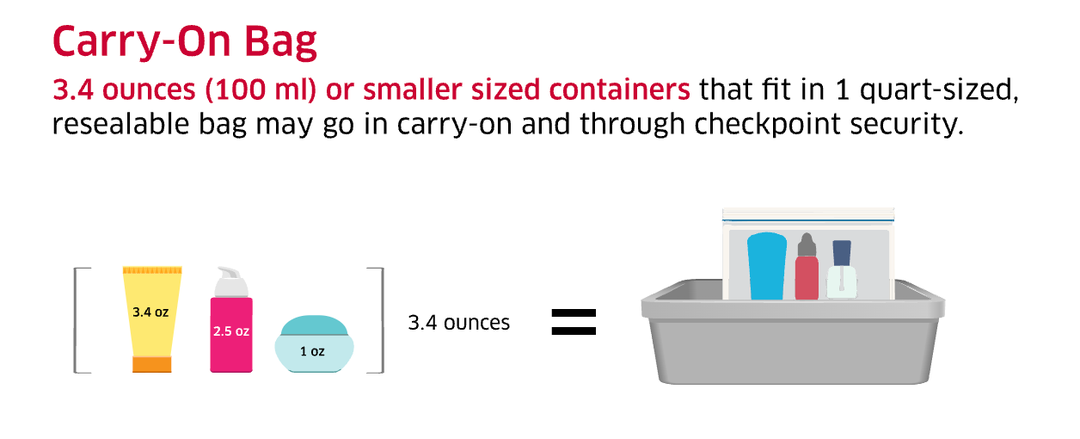
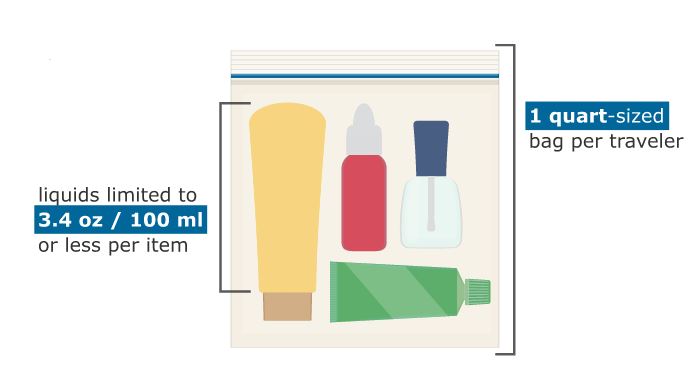
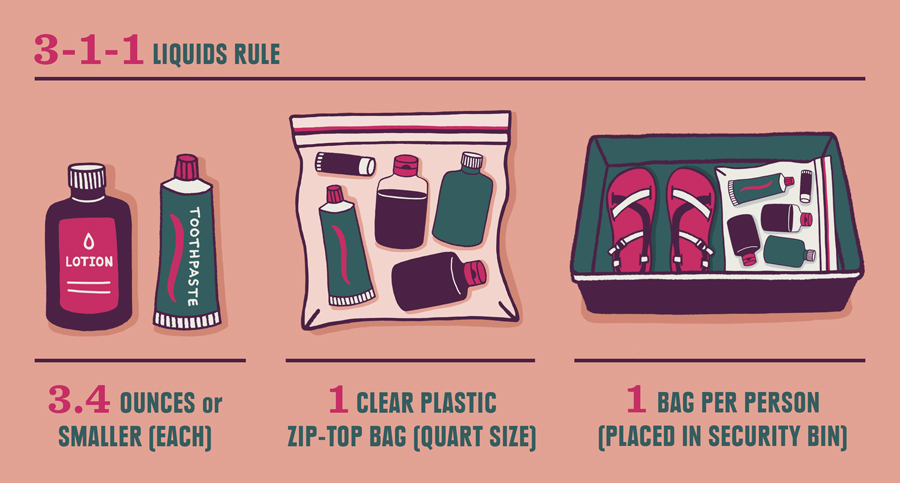
One of the most significant challenges faced by travelers is deciphering the TSA's 3-1-1 liquids rule. This regulation states that liquids, gels, and aerosols must be stored in containers of 3.4 ounces or less, placed in a clear, quart-sized zip-top bag, and screened separately at security checkpoints. But what about exemptions and special cases? For instance, did you know that certain medical items, such as insulin and epinephrine, are allowed in larger quantities? Understanding these nuances can make all the difference in ensuring a smooth journey.
As we delve deeper into the world of liquid requirements, it's intriguing to note the psychological impact of these regulations. The ritual of preparing our carry-on luggage has become a rite of passage, with travelers developing an array of strategies to outsmart the system. From clever packing techniques to last-minute purchases, we've all been guilty of trying to find ways to bypass the rules. But what does this say about human nature? Are we inherently rebellious, or do we simply crave the freedom to make our own choices?
In addition to the psychological aspects, the liquid requirements have also had a significant cultural impact. The rise of travel-sized toiletries has become a booming industry, with manufacturers catering to the demands of the modern traveler. We've seen the emergence of miniature beauty products, refillable containers, and even specially designed luggage to accommodate the TSA's regulations. As we navigate this complex world, it's essential to recognize the ways in which these rules have shaped our behavior and influenced the market.
Navigating Real-World Scenarios
So, how do these liquid requirements play out in real-world scenarios? Let's consider the case of Sarah, a frequent business traveler. Sarah relies on her favorite skincare products to maintain her skin's health during long flights. To comply with the TSA's regulations, she's invested in a set of refillable containers and carefully measures out her products to ensure they meet the 3.4-ounce limit. By taking a proactive approach, Sarah can enjoy her travels without compromising her skin's well-being.
In contrast, John, a family man, often finds himself at the mercy of the TSA's rules. With a large family and multiple carry-on bags, John struggles to keep track of the various liquids and gels within his group. To avoid any issues, he's developed a pre-flight checklist to ensure that all family members are aware of the regulations and have their items in order. By working together, John's family can navigate the security process with ease and confidence.
Another scenario that highlights the importance of understanding liquid requirements is the traveler with a medical condition. For individuals with specific medical needs, it's crucial to be aware of the TSA's exemptions and special procedures. By notifying the TSA in advance and providing the necessary documentation, travelers can ensure a smooth and stress-free journey. This might involve additional screening or special accommodations, but the key is to be prepared and informed.
For the adventure-seeker, the liquid requirements can be a fun challenge to navigate. By packing smart and using creative storage solutions, travelers can enjoy their journeys without worrying about the TSA's rules. This might involve investing in multi-purpose products, such as a solid shampoo bar, or using travel-sized containers to minimize luggage space. With a little creativity, the possibilities are endless, and the adventure can begin.
Frequently Asked Questions
What are the TSA's rules regarding liquids, gels, and aerosols in carry-on luggage?
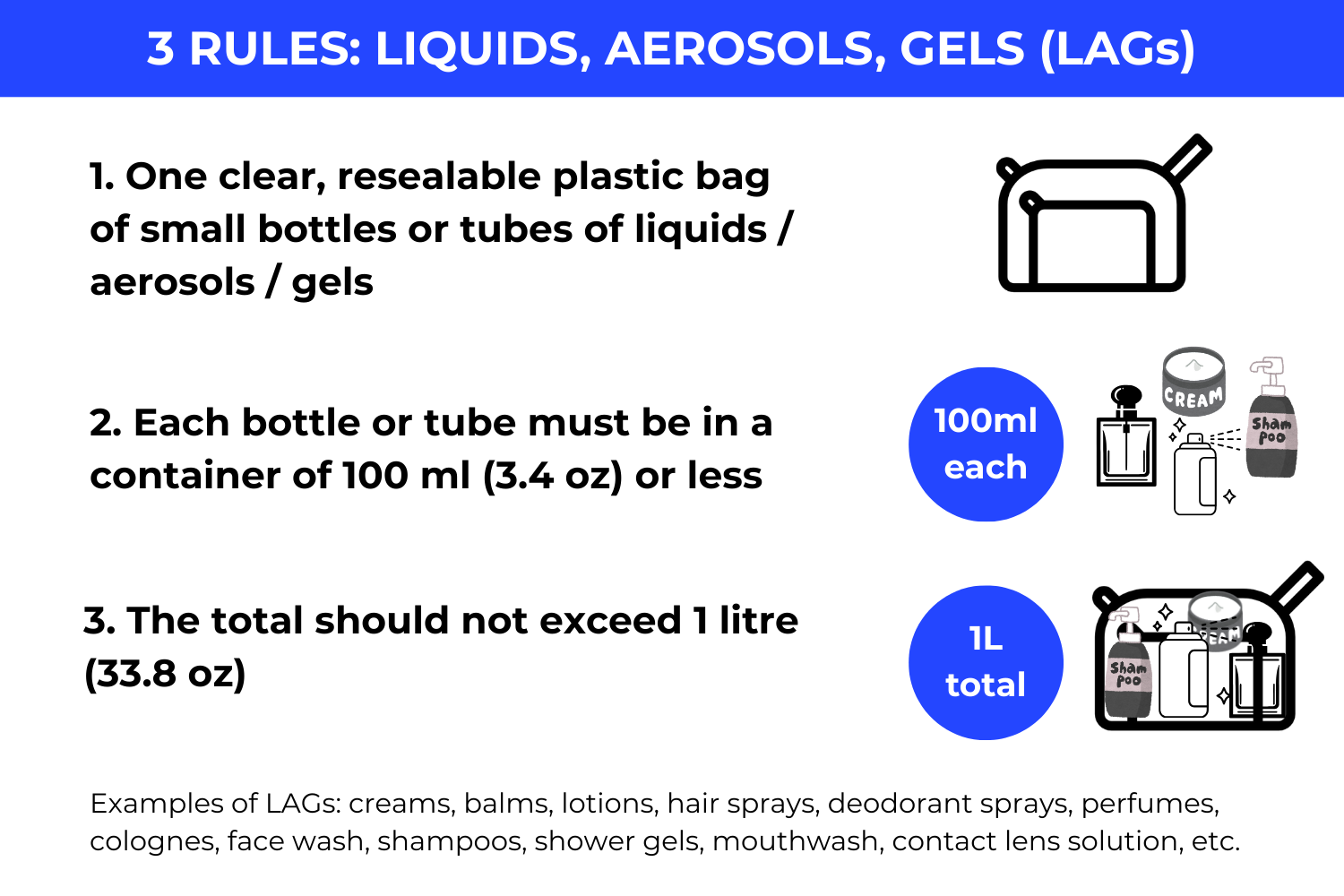
The TSA's 3-1-1 liquids rule states that liquids, gels, and aerosols must be stored in containers of 3.4 ounces or less, placed in a clear, quart-sized zip-top bag, and screened separately at security checkpoints. This regulation applies to all carry-on luggage and is designed to ensure the safety of all passengers. By understanding and complying with this rule, travelers can avoid any issues during the security process and enjoy a stress-free journey.
It's worth noting that there are certain exemptions and special cases that apply to the 3-1-1 rule. For instance, medications, baby formula, and breast milk are allowed in larger quantities, provided they are declared and screened separately. Additionally, duty-free items and specialty foods may be subject to different regulations, so it's essential to check with the TSA or your airline for specific guidance. By being aware of these nuances, travelers can navigate the security process with confidence and avoid any unnecessary complications.
Can I bring larger quantities of liquids, gels, and aerosols in my checked luggage?
Yes, the TSA allows larger quantities of liquids, gels, and aerosols in checked luggage, but there are still some restrictions to be aware of. For example, flammable liquids and corrosive substances are prohibited in both carry-on and checked luggage. Additionally, pressurized containers and aerosol cans may be subject to specific regulations, so it's essential to check with your airline for guidance. By understanding these rules, travelers can pack their luggage with confidence and avoid any issues during the journey.
It's also important to note that checked luggage is subject to different screening procedures than carry-on luggage. While the TSA may not enforce the 3-1-1 rule for checked luggage, airport security and airline regulations may still apply. To ensure a smooth journey, it's essential to check with your airline and the TSA for specific guidance on packing liquids, gels, and aerosols in your checked luggage.
How do I pack my liquids, gels, and aerosols to comply with the TSA's regulations?
To comply with the TSA's 3-1-1 liquids rule, it's essential to pack your liquids, gels, and aerosols in 3.4-ounce containers or less and place them in a clear, quart-sized zip-top bag. This bag should be screened separately at security checkpoints, and it's a good idea to pack it in an easily accessible location to simplify the screening process. By following these guidelines, travelers can ensure a smooth and stress-free journey.
In addition to using the correct containers and bags, it's also important to label and organize your liquids, gels, and aerosols clearly. This can help TSA agents quickly identify the contents of your bag and streamline the screening process. By being mindful of these details, travelers can avoid any issues and enjoy a hassle-free journey.
:max_bytes(150000):strip_icc()/Liquids-in-carry-on-468595-v2-334131c6ffdf498f9503f6e0480f6efe.png)
Are there any exemptions or special procedures for travelers with medical conditions or special needs?
Yes, the TSA provides exemptions and special procedures for travelers with medical conditions or special needs. For example, medications and medical equipment may be allowed in larger quantities or subject to different screening procedures. Additionally, breast milk and formula are allowed in reasonable quantities, provided they are declared and screened separately. By notifying the TSA in advance and providing the necessary documentation, travelers can ensure a smooth and stress-free journey.
It's essential to note that special procedures may apply to travelers with medical conditions or special needs. For instance, additional screening or special accommodations may be required to ensure the safety and comfort of the traveler. By being aware of these procedures and planning accordingly, travelers can navigate the security process with confidence and enjoy a hassle-free journey.
Can I purchase liquids, gels, and aerosols after passing through security checkpoints?
Yes, once you've passed through security checkpoints, you can purchase liquids, gels, and aerosols in the airport terminal or duty-free shops. These items are allowed in your carry-on luggage, but it's essential to check with your airline for any specific regulations or restrictions. Additionally, domestic and international flights may have different rules, so it's crucial to understand the regulations that apply to your specific journey.
It's worth noting that liquid restrictions may still apply to connecting flights or international travel. To avoid any issues, it's essential to check with your airline and the TSA for specific guidance on purchasing liquids, gels, and aerosols after passing through security checkpoints. By being aware of these regulations, travelers can enjoy their journeys without worrying about the TSA's rules.

How do I dispose of unused liquids, gels, and aerosols during my journey?
When disposing of unused liquids, gels, and aerosols during your journey, it's essential to follow the airport's recycling policies and waste disposal guidelines. Many airports have designated recycling bins and hazardous waste disposal facilities for items like batteries, electronics, and chemicals. By taking the time to properly dispose of your unused items, you can help reduce waste and minimize your environmental impact.
In addition to following the airport's guidelines, it's also important to check with your airline for any specific regulations or restrictions on disposing of liquids, gels, and aerosols during your journey. Some airlines may have special procedures or designated facilities for handling hazardous materials, so it's essential to be aware of these rules to avoid any issues. By being mindful of these details, travelers can enjoy a hassle-free journey while also doing their part for the environment.
As we reflect on the world of liquid requirements, it's clear that these regulations have become an integral part of our travel routine. By understanding the history and reasoning behind these rules, we can appreciate the efforts made to ensure our safety and security. Whether we're frequent business travelers or adventure-seekers, the liquid requirements are an essential aspect of our journeys that demand attention and compliance.
Furthermore, the liquid requirements have also had a significant cultural impact on our society. The rise of travel-sized toiletries and miniature beauty products has become a booming industry, with manufacturers catering to the demands of the modern traveler. As we navigate this complex world, it's essential to recognize the ways in which these rules have shaped our behavior and influenced the market. By being aware of these nuances, we can make informed choices and enjoy a hassle-free journey.
In conclusion, the liquid requirements for carry-on luggage are a critical aspect of our travel routine that demands attention and compliance. By understanding the rules and regulations, packing smart, and being mindful of the environmental impact, we can enjoy a smooth and stress-free journey. As we continue to navigate the complex world of air travel, it's essential to stay informed and adapt to the ever-changing landscape of liquid requirements. By doing so, we can ensure a safe, enjoyable, and hassle-free journey for all.

:max_bytes(150000):strip_icc()/liquids-on-a-plane-4046937-FINAL-5ba3d35d4cedfd002506643d.png)
/can-i-carry-liquids-in-checked-baggage-2972625-revision-5b0ea932eb97de0037839d6a.png)