Liquid Allowances For Carry On Baggage
:max_bytes(150000):strip_icc()/liquids-on-a-plane-4046937-FINAL-5ba3d35d4cedfd002506643d.png)
As we navigate the complexities of modern air travel, one aspect that often catches us off guard is the stubborn restriction on liquid allowances for carry-on baggage. What was once a carefree, unencumbered experience has evolved into a minefield of rules and regulations, forcing travelers to adapt and plan meticulously. The history of these restrictions dates back to 2006, when a plot to detonate liquid explosives on flights from the UK to the US and Canada was foiled. The aftermath led to the implementation of strict liquid allowances, aiming to enhance security and safety for all passengers. Today, these rules continue to be a crucial part of airport security protocols worldwide, affecting millions of travelers daily.
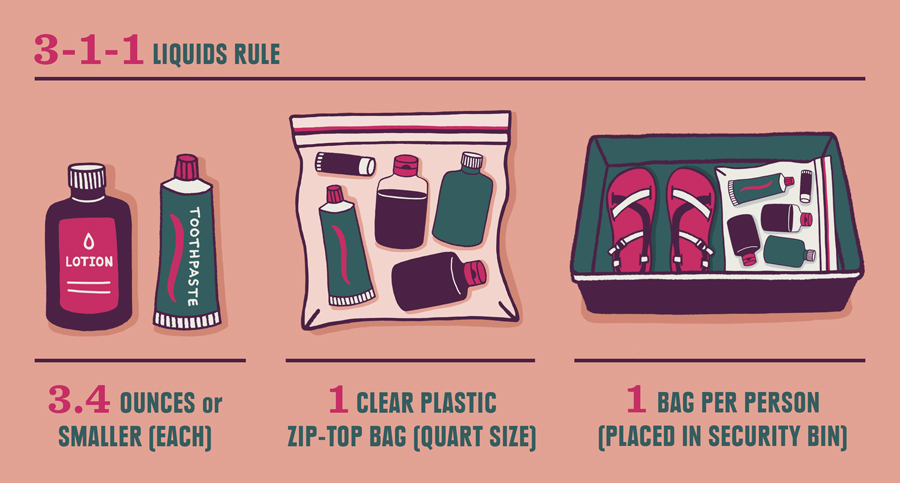
The significance of understanding and adhering to these rules cannot be overstated. Non-compliance can lead to delayed flights, confiscated items, and even missed connections. Moreover, the complexity of these regulations, which vary slightly from one country to another, adds to the confusion. For instance, the TSA (Transportation Security Administration) in the United States adheres to the 3-1-1 liquids rule, where liquids, gels, and aerosols in containers of 3.4 ounces or less are permitted in a clear, quart-sized ziplock bag. However, these rules are subject to change, making it essential for travelers to stay informed. Whether you're a frequent flyer or an occasional traveler, grasping the nuances of liquid allowances is key to a smooth and stress-free journey.
Understanding the Restrictions
Delving deeper into the world of liquid allowances, it becomes clear that these restrictions are not just about security; they also have psychological and cultural dimensions. The way we perceive and interact with liquids and gels during travel has undergone a significant shift. Passenger behavior and compliance have become crucial factors in the equation, with airports investing heavily in educating travelers about the rules. This education is not just about displaying signs and announcements but also about creating a culture of compliance. The influence of these restrictions can be seen in the way we plan our travel, from choosing products that fit within the allowed limits to making purchasing decisions based on the airlines' policies.
The psychological aspect of dealing with these restrictions is equally fascinating. Travel anxiety, already a significant concern for many, is exacerbated by the fear of non-compliance or the inconvenience of having items confiscated. Travelers must mentally prepare and adjust their expectations, adopting a mindset that is flexible and accommodating to the rules. This mental adjustment is not just about the individual but also impacts the collective travel experience, influencing how we interact with fellow passengers and airport staff. The shared experience of navigating liquid allowances creates a sense of community among travelers, who often exchange tips and advice on how to navigate these restrictions efficiently.
Culturally, the impact of liquid allowances can be observed in the way beauty and travel industries have adapted. The rise of travel-sized products is a direct response to these restrictions, with many brands now offering miniature versions of their products. This trend not only caters to travelers' needs but also reflects a broader cultural shift towards convenience and portability. The travel industry itself has seen significant changes, with airlines, airports, and travel agencies providing detailed guidelines and services tailored to help passengers comply with the liquid allowances, further embedding these regulations into the fabric of travel culture.
Navigating the Rules
In practice, navigating the rules on liquid allowances requires a combination of preparation, awareness, and flexibility. Planning ahead is key, involving research into the specific regulations of the countries and airlines involved in your journey. This includes understanding what is considered a liquid, gel, or aerosol, and how to properly package these items. For instance, medications and baby formula are exempt from the usual restrictions but must be declared and may be subject to additional screening. Travelers should also be aware of the limits on electronic devices and how liquids near these devices can affect security screening.
Case studies of airports and airlines that have successfully implemented and communicated these rules offer valuable insights. For example, some airports have introduced automated security lanes that can more efficiently process passengers and their belongings, including liquids. These systems not only reduce wait times but also provide a more streamlined and stress-free experience for travelers. Similarly, airlines have begun to provide more detailed information on their websites and through mobile applications, helping passengers prepare and comply with the regulations.

Actionable takeaways for travelers include packing smart, utilizing travel-sized containers, and staying informed about the latest regulations. The use of clear, quart-sized ziplock bags is recommended for carrying liquids, making it easier for security personnel to screen these items. Furthermore, declaring items that are exempt from the restrictions, such as certain medical equipment or infant necessities, can facilitate a smoother security process. By being proactive and knowledgeable, travelers can minimize the impact of liquid allowances on their travel experience.
Real-life scenarios highlight the importance of these strategies. For example, a traveler heading to a destination with strict regulations might opt to purchase toiletries upon arrival rather than risk having them confiscated during security checks. Others might invest in refillable, travel-sized containers to reduce waste and comply with the rules. These approaches not only ensure compliance but also contribute to a more sustainable travel practice, aligning with the growing trend of responsible tourism.
Frequently Asked Questions
What are the Specific Rules for Carrying Liquids, Gels, and Aerosols in Carry-On Baggage?
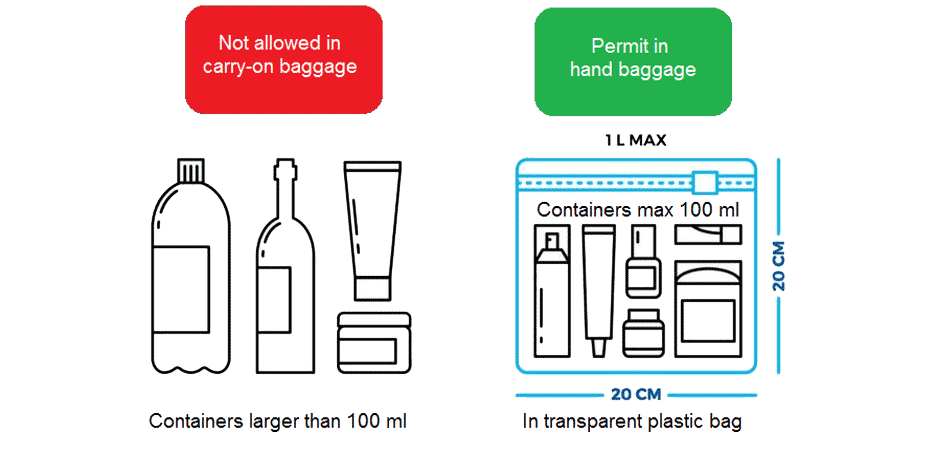
The rules, as outlined by most aviation authorities, including the TSA, dictate that liquids, gels, and aerosols must be in containers of 3.4 ounces (100 milliliters) or less per item. These containers must be placed in a clear, quart-sized ziplock bag, with only one ziplock bag allowed per passenger. Items such as shampoo, toothpaste, and hairspray are subject to these rules, while exemptions exist for medications, baby formula, and breast milk, provided they are declared and presented for screening.
Understanding these specifics is crucial for avoiding inconvenience during security checks. Travelers should ensure that all qualifying items fit within the ziplock bag, and the bag is completely sealed. The 3-1-1 rule serves as a simple mnemonic to remember these guidelines: 3 ounces or less per container, in a 1 quart-sized, clear ziplock bag, with only 1 bag allowed per passenger. Exceptions for larger quantities of medically necessary liquids, gels, and aerosols can be made, but these must be declared for inspection.

How Have Liquid Allowances Impacted the Travel and Beauty Industries?
The impact of liquid allowances on the travel and beauty industries has been profound. The travel industry has seen a shift towards security-focused innovations, such as advanced screening technologies and more efficient security protocols. The beauty and cosmetics sector has responded with the development of travel-sized products, catering to the demand for compliant, portable items. This trend has not only affected the way products are packaged and marketed but has also influenced consumer behavior, with many travelers opting for these smaller, travel-friendly options even when not flying.
The adaptation of the beauty industry to these regulations is a testament to the resilience and innovation of the sector. Brands have capitalized on the trend, offering a wide range of travel-sized options that comply with the restrictions. This has expanded the market, with specialized travel stores and online retailers catering to the needs of travelers. Furthermore, the emphasis on sustainability and minimalism in travel has led to a cultural shift, where the practice of carrying less and packing smart is not only a necessity but also a desirable lifestyle choice.
Can I Carry Liquids, Gels, and Aerosols in My Checked Baggage Without Restrictions?
Liquids, gels, and aerosols in checked baggage are not subject to the same restrictions as those in carry-on bags. However, there are still considerations to be aware of. Special items, such as batteries and electronic devices, have specific guidelines, and it's essential to check with your airline for their policies. Additionally, the packaging of fragile items, such as perfume or fragile cosmetics, requires careful attention to prevent damage during transit.
The key to navigating the rules for checked baggage is understanding the distinction between items that are restricted in carry-on bags but may be allowed in checked luggage. While there is more flexibility, declaring items and ensuring they are properly packaged is crucial. It's also important to consider the destination's customs regulations, as certain items may be restricted or subject to duty. Travelers should consult their airline's website or contact customer service for the most accurate and up-to-date information on what can be carried in checked baggage.
:max_bytes(150000):strip_icc()/Liquids-in-carry-on-468595-v2-334131c6ffdf498f9503f6e0480f6efe.png)
How Do Different Countries and Airlines Handle Liquid Allowances?
While the core principles of liquid allowances are consistent across most countries and airlines, there are nuances and variations. International flights may be subject to the regulations of the destination country, and some airlines have their own set of rules that may be more stringent. For example, the
Researching and understanding these differences is vital for a hassle-free travel experience. The International Air Transport Association (IATA) and the International Civil Aviation Organization (ICAO) provide guidelines that many countries follow, but national and airline-specific rules can vary. For instance, some countries may have stricter rules on certain types of cosmetics or may require additional documentation for items like medications. By being informed, travelers can avoid unnecessary complications and ensure compliance with the regulations of their destination and the airlines they are using.
What Are the Most Common Mistakes Travelers Make Regarding Liquid Allowances?
One of the most common mistakes travelers make is underestimating the strictness of the regulations. Many assume that small infractions will be overlooked, only to find themselves facing delays or the confiscation of items. Another mistake is not declaring exempt items properly, which can lead to additional screening or, in some cases, to these items being taken away. Furthermore, not checking the latest updates on the rules before travel can catch passengers off guard, as regulations can change without much notice.
To avoid these mistakes, travelers should stay informed and plan accordingly. This includes checking the official TSA or airline websites for the most current guidelines, ensuring all items are in compliance, and being prepared to declare any exempt items clearly. The use of travel apps and websites can also provide valuable resources and reminders, helping travelers navigate the complexities of liquid allowances with ease. By taking a proactive approach and being mindful of the regulations, travelers can minimize the risk of issues related to liquid allowances and focus on enjoying their journey.

How Can Travelers Prepare and Pack to Minimize Issues with Liquid Allowances?
Preparation is key when it comes to navigating liquid allowances. Travelers should pack smart, using travel-sized containers for liquids, gels, and aerosols, and ensuring these fit within the required ziplock bag. It's also essential to declare items correctly, especially those that are exempt from the usual rules, such as medications or baby formula. Additionally, staying organized and having all necessary items easily accessible can speed up the security process.
A practical approach involves planning ahead and considering the specific needs of your trip. This might include purchasing travel-sized essentials, packing multipurpose items to reduce the number of liquids and gels, and wearing bulky items like boots or jackets to reduce the volume of carry-on luggage. Travelers should also check with their airline for any specific regulations or recommendations they might have. By adopting these strategies, travelers can minimize the impact of liquid allowances on their travel experience, ensuring a smoother and less stressful journey from departure to arrival.
Reflections on Liquid Allowances and Daily Life
The concept of liquid allowances for carry-on baggage may seem like a niche aspect of air travel, but it reflects broader themes in our daily lives. The balance between security and freedom is a delicate one, and the restrictions on liquids, gels, and aerosols in carry-on bags serve as a tangible example of how societal needs for safety can influence individual behaviors. This balance necessitates a level of personal responsibility, as travelers must take an active role in adhering to the rules and planning their travel accordingly.
The cultural and psychological implications of these restrictions are also noteworthy. They speak to a society that values preparedness and compliance, where the ability to adapt to rules and regulations is seen as a necessary aspect of modern life. In this context, navigating liquid allowances becomes a rite of passage for travelers, a test of their ability to navigate complex systems and adhere to guidelines. This reflects a broader trend towards sustainability and minimalism in travel, where the emphasis is on packing light, reducing waste, and embracing the simplicity of travel.
As we look to the future, the regulations around liquid allowances will likely continue to evolve, influenced by advances in technology and changes in global security landscapes. For travelers, this means staying vigilant and informed, always on the lookout for the latest guidelines and best practices. By doing so, we not only ensure a safer, more efficient travel experience but also contribute to a culture of compliance and responsibility, where the shared goal of security and convenience is achieved through collective effort and awareness. In this sense, the humble ziplock bag, once a mundane household item, has become a symbol of our times, representing the intricate balance between freedom, security, and the human desire for travel and exploration.