Items Not Permitted On Carry On Baggage

I still remember the time I tried to sneak a full-sized toiletry bag onto a flight, only to have it confiscated by a vigilant TSA agent. I mean, who needs that much shampoo on a weekend getaway, right? It was a hard lesson to learn, but it taught me to always double-check the airline's carry-on baggage restrictions before packing.
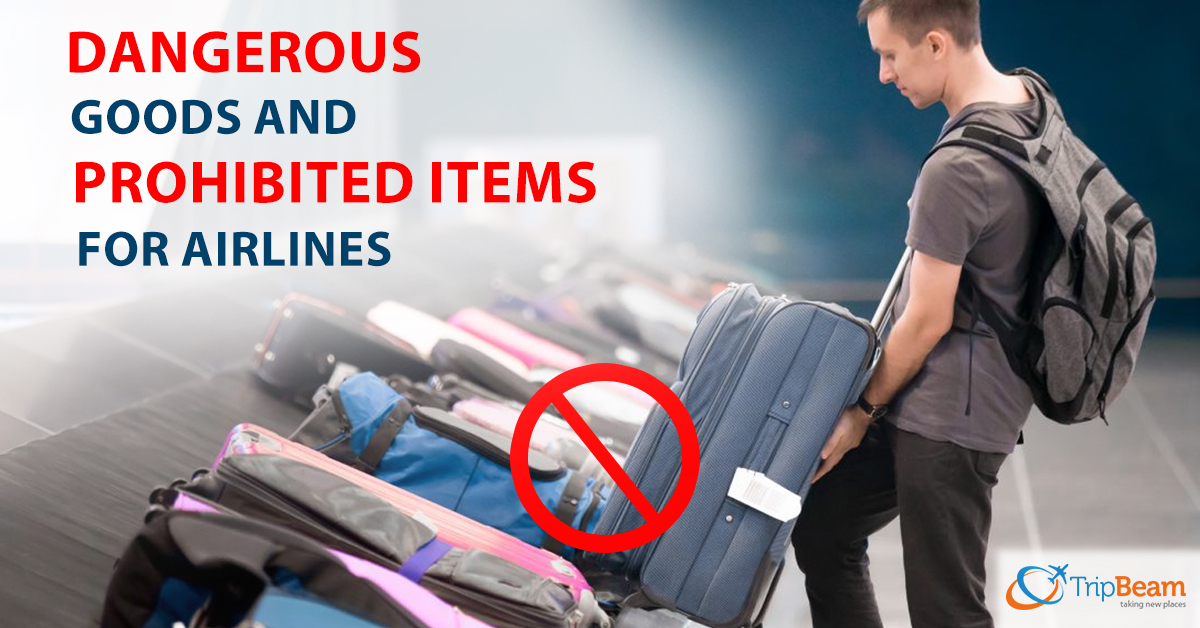
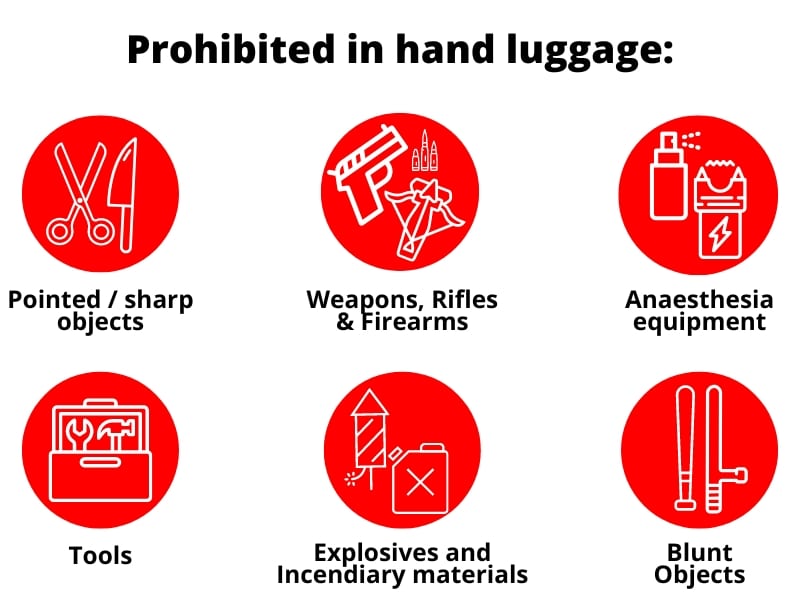
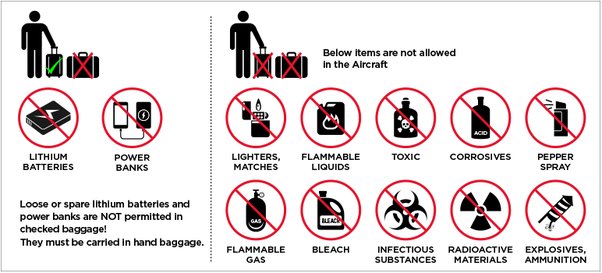
As it turns out, there are a lot of prohibited items that you might not even think about, but can still get you into trouble at security checkpoints. From obvious things like firearms and explosives, to more unexpected items like LI-ion batteries and sharp objects. So, what exactly can and can't you bring on board, you ask?
So, what's the big deal about carry-on baggage?
The main concern, of course, is safety. Airlines and regulatory bodies like the TSA have to ensure that all passengers and crew members are protected from potential hazards. That's why there are such strict rules about what you can and can't bring onto a plane. I mean, can you imagine if someone managed to sneak a flamethrower onto a flight? Yeah, didn't think so.
Must Read
But it's not just about the obvious dangers – there are also concerns about security and theft. For example, valuables like laptops, jewelry, and cash should always be kept in a safe and accessible place, like a carry-on bag or a secure pocket. Don't be that person who leaves their iPhone or wallet in an unsecured bag, trust me.
So, what are some common items that are not permitted on carry-on baggage?
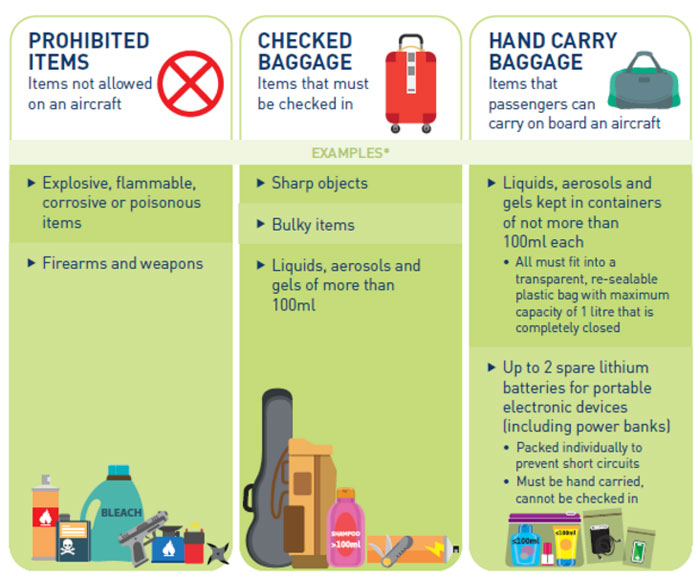
Well, for starters, there are the liquids, gels, and aerosols that we all know and love (or hate, depending on how you feel about TSA lines). These have to be in 3.4 oz containers or less, and fit in a clear, quart-sized ziplock bag. But what about food and drinks? Can you bring those on board, or do you have to buy them at the airport?

It turns out that solid foods are generally okay, but liquids, gels, and aerosols (like soup or yogurt) are subject to the same 3-1-1 rule as your toiletries. And don't even get me started on drinks – you can bring an empty water bottle through security, but you'll have to fill it up at a water fountain or buy a new one at the airport. Yeah, it's a bit confusing, but just remember: if it's a liquid, it's probably subject to restrictions.
And then there are the electronic devices and batteries that can be a bit of a gray area. For example, laptops and tablets are usually okay, but you might have to remove them from your bag and put them in a separate bin at security checkpoints. And don't even get me started on LI-ion batteries – those have to be protected from accidental activation, and can't be carried loose in your bag.
So, what's the best way to ensure that you don't get delayed or worse at the airport? For starters, always check the airline's website for their specific carry-on baggage restrictions. You can also download the TSA's app to get the latest security updates and prohibited items list. And if you're still unsure, you can always ask your airline or TSA representative for guidance – they're there to help, after all!
By being prepared and informed, you can avoid those pesky security delays and get to your destination stress-free. And who knows, you might even learn something new about carry-on baggage restrictions along the way. Happy flying, and don't forget to pack wisely! As I always say, it's better to be safe than sorry, especially when it comes to airport security.
In conclusion, carry-on baggage restrictions might seem like a bit of a hassle, but they're in place to keep us all safe and secure. By knowing what you can and can't bring on board, you can avoid those awkward moments at security checkpoints and get to your destination without a hitch. So next time you're packing for a flight, take a few minutes to check the rules and pack accordingly – your fellow passengers (and the TSA) will thank you.