Items Not Allowed In Hand Baggage
I still remember my first flight, I was so excited to explore the world, but little did I know that my enthusiasm would be short-lived, at least at the security checkpoint. As I was about to pass through the scanner, the officer politely asked me to remove my beloved pocket knife from my hand baggage, and I was like "oh, I forgot it was in there!". It was a bit embarrassing, but it got me thinking, what other items are not allowed in hand baggage?
Introduction to Hand Baggage Restrictions
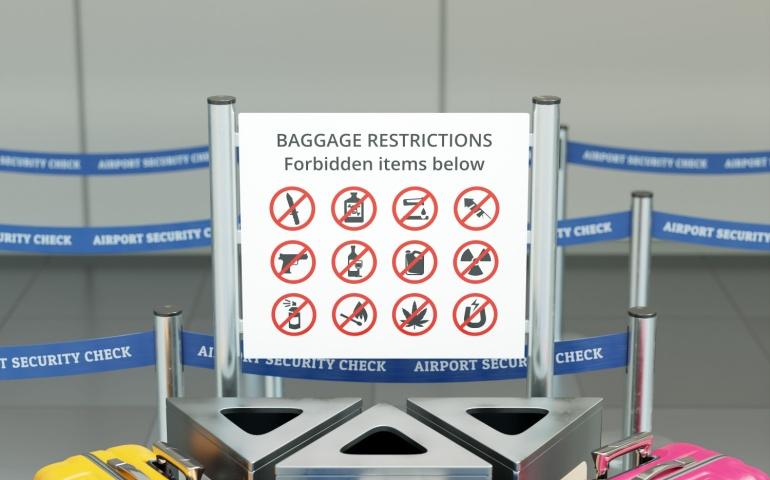
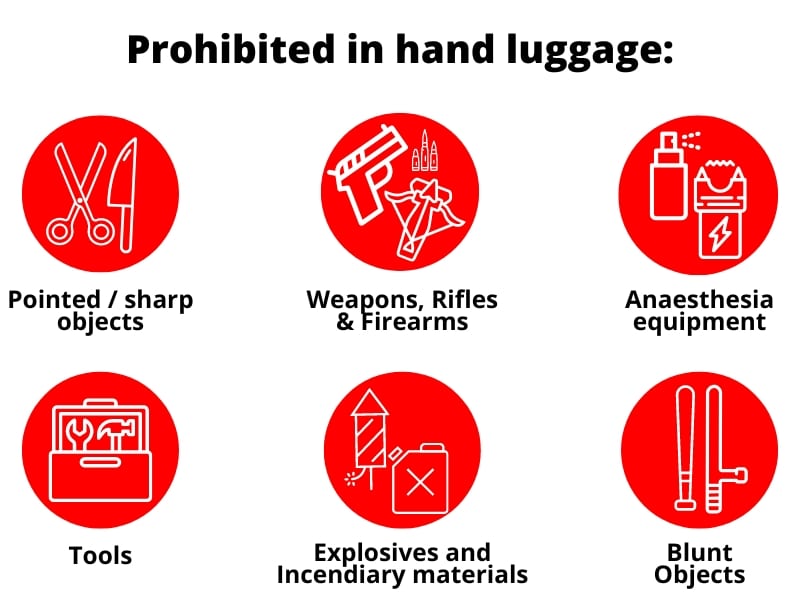
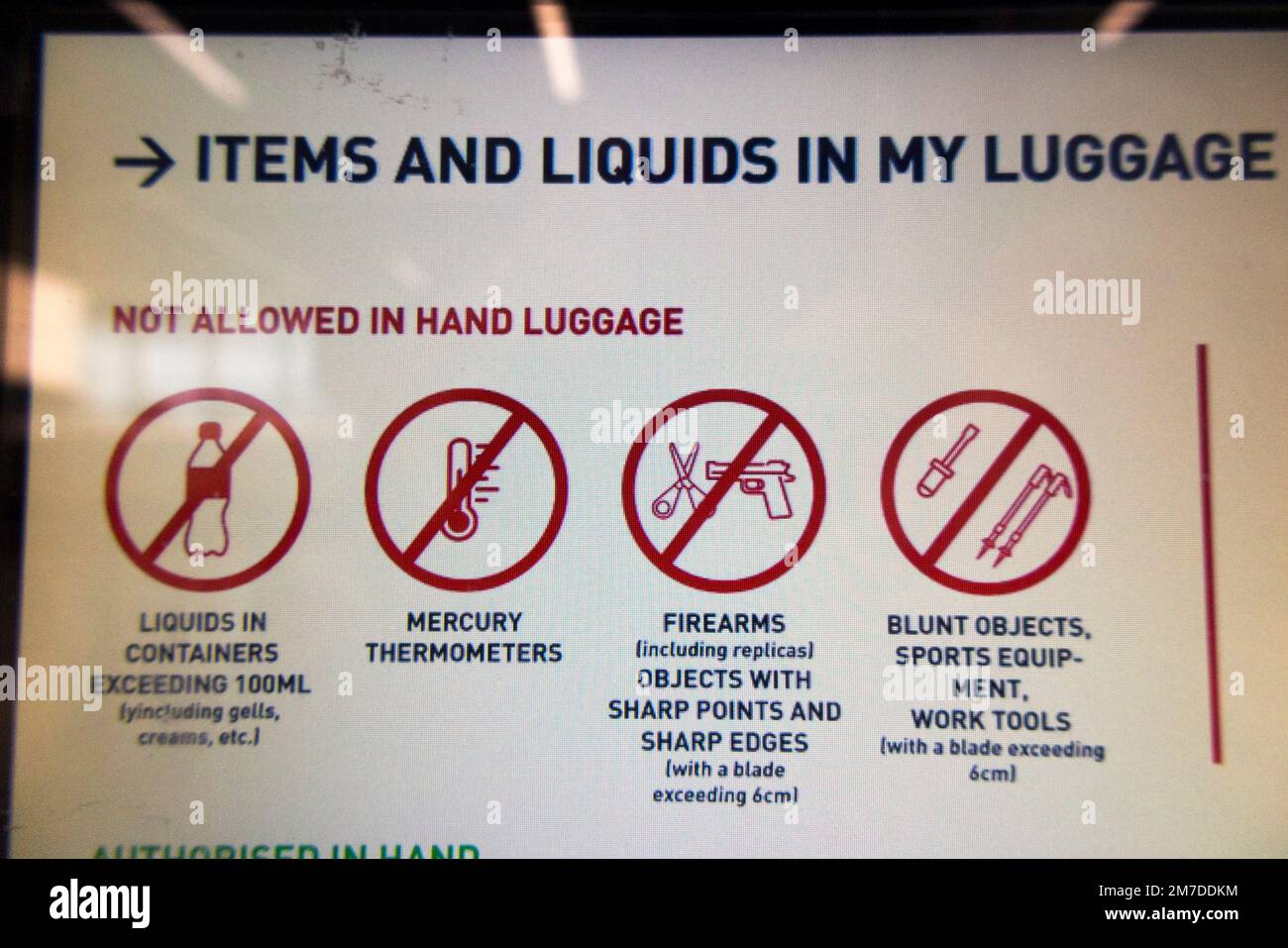
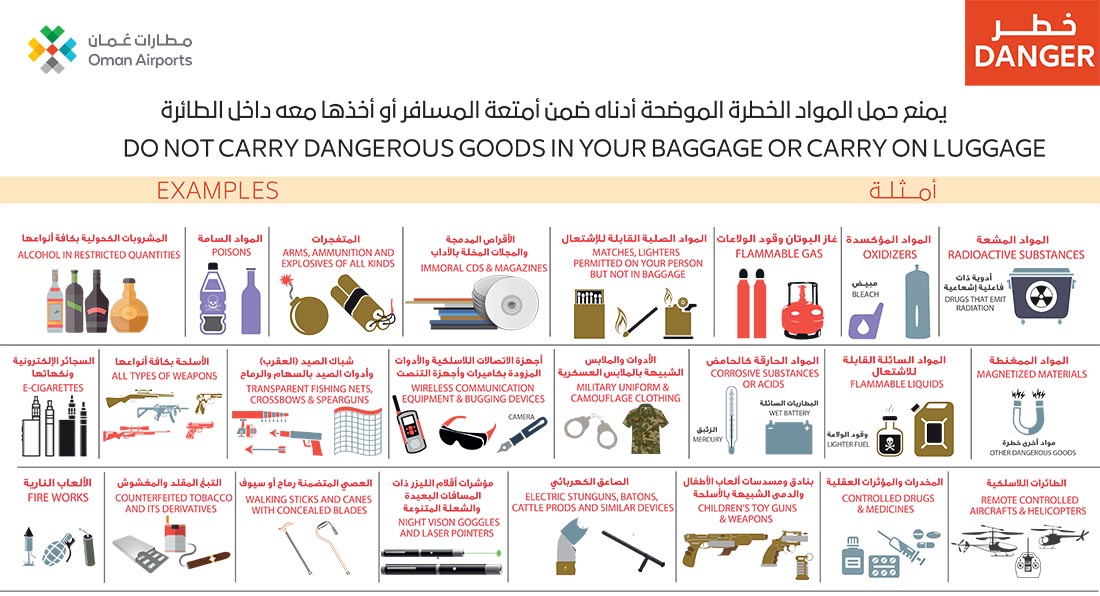
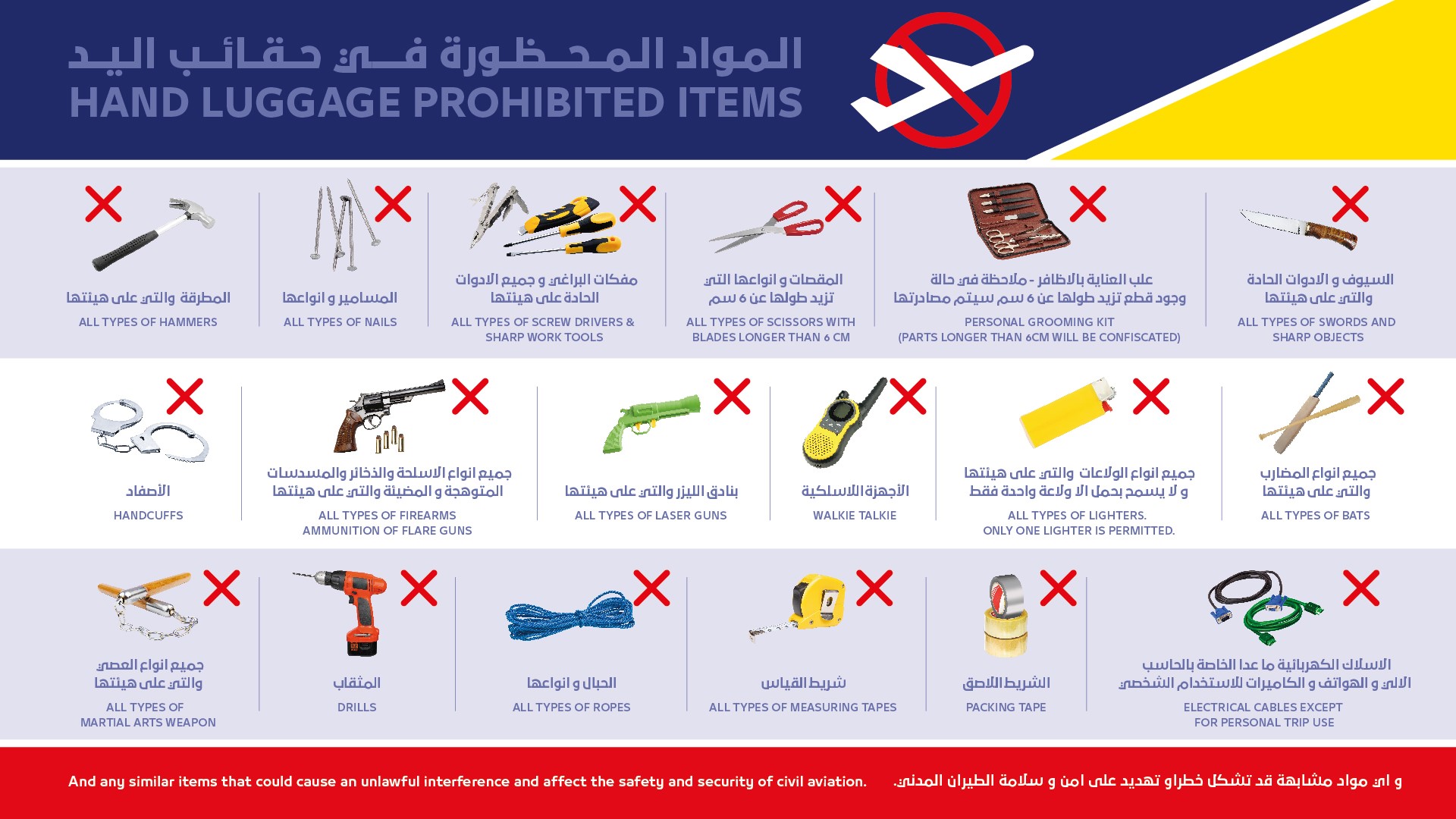
As it turns out, there are many hazardous items that are prohibited in hand baggage, and it's not just limited to pocket knives. The list includes things like scissors, sharp objects, and even -tools that could potentially be used as weapons. It's no wonder, given the security concerns in today's world, but it's still important to be aware of these restrictions to avoid any inconvenience during your travels.
I mean, who wouldn't want to travel with their favorite swiss army knife, right? But, as much as we'd like to have these items with us, it's just not possible, and for good reason. So, if you're planning a trip anytime soon, make sure to check the restricted items list before packing your hand baggage, trust me, you don't want to be that person at the security checkpoint.
Must Read
Restrictions on Liquids and Gels
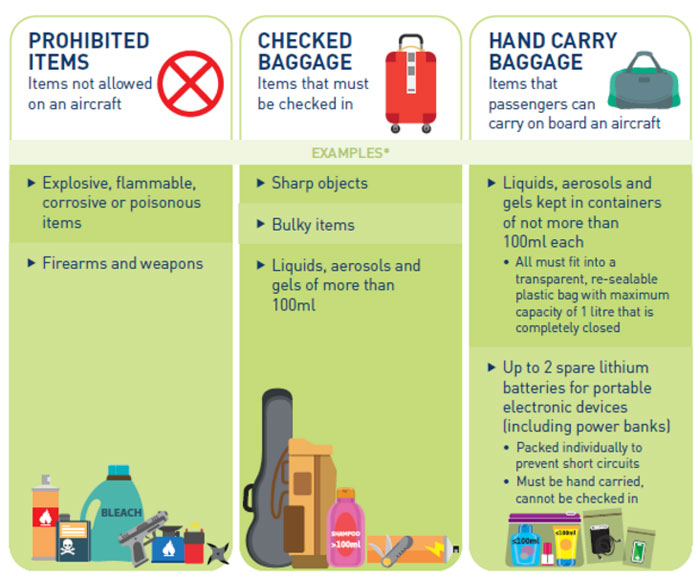
Another important aspect of hand baggage restrictions is the liquids and gels rule. You're probably aware of the 100ml rule, where any liquid or gel over 100ml is not allowed in hand baggage, unless it's in a clear, re-sealable bag. It might seem like a hassle, but it's all about security, and I'm sure you'd rather be safe than sorry, right?
It's also worth noting that some exemptions apply to the liquids and gels rule, such as medications, baby food, and special dietary requirements. But, if you're unsure about any item, it's always best to check with the airline or the relevant authorities before your flight. And, if you're feeling curious, you can always ask yourself, what would happen if I accidentally left a prohibited item in my hand baggage?

Electronic Devices and Batteries
With the rise of smart technology, it's no surprise that electronic devices and batteries are also subject to certain restrictions. For example, lithium batteries are only allowed in hand baggage if they're installed in a device, or if they're properly protected to prevent accidental activation. It's all about safety, and preventing any potential fires or explosions on board.
I know it might seem like a lot to take in, but once you get the hang of it, packing your hand baggage becomes second nature. Just remember to check the list before you pack, and you'll be golden. And, if you're feeling extra cautious, you can always double-check with the airline or the airport staff, they're always happy to help.

Other Prohibited Items
In addition to the items mentioned above, there are plenty of other prohibited items that you should be aware of. These include things like fireworks, toxic substances, and even martial arts equipment. I mean, can you imagine trying to sneak a pair of nunchucks onto a plane? Not a good idea, trust me.
It's also worth noting that some items are permitted in hand baggage, but with certain restrictions. For example, you can bring a musical instrument on board, but it must fit in the overhead bin or under the seat in front of you. And, if you're a coffee lover like me, you'll be happy to know that you can bring a coffee maker on board, but it must be in a protective case.

Conclusion and Final Tips
In conclusion, packing your hand baggage requires a bit of planning and research, but it's all worth it in the end. Just remember to check the list of prohibited items, and make sure you're aware of any exemptions or restrictions that might apply. And, if you're ever in doubt, just ask yourself, would I want to sit next to someone with a prohibited item on a plane? Probably not.
So, the next time you're packing your hand baggage, take a moment to think about the security restrictions in place, and make sure you're not accidentally trying to bring a prohibited item on board. Your fellow passengers, and the airline staff, will thank you. And, who knows, you might even learn something new about the items that are not allowed in hand baggage, it's always a fun learning experience, right?
As you prepare for your next flight, keep in mind that it's always better to be safe than sorry, and take the time to double-check the list of prohibited items. And, if you have any questions or concerns, don't hesitate to reach out to the airline or the relevant authorities. Happy flying, and don't forget to leave your pocket knife at home!