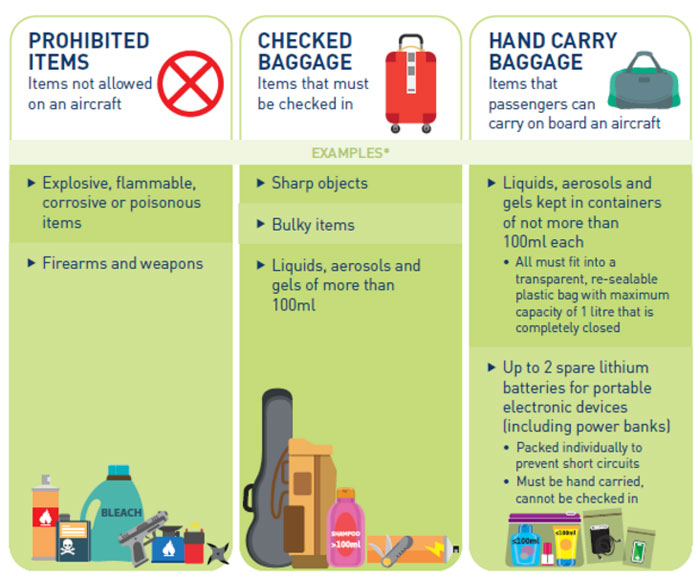
Items Not Allowed For Carry On Luggage
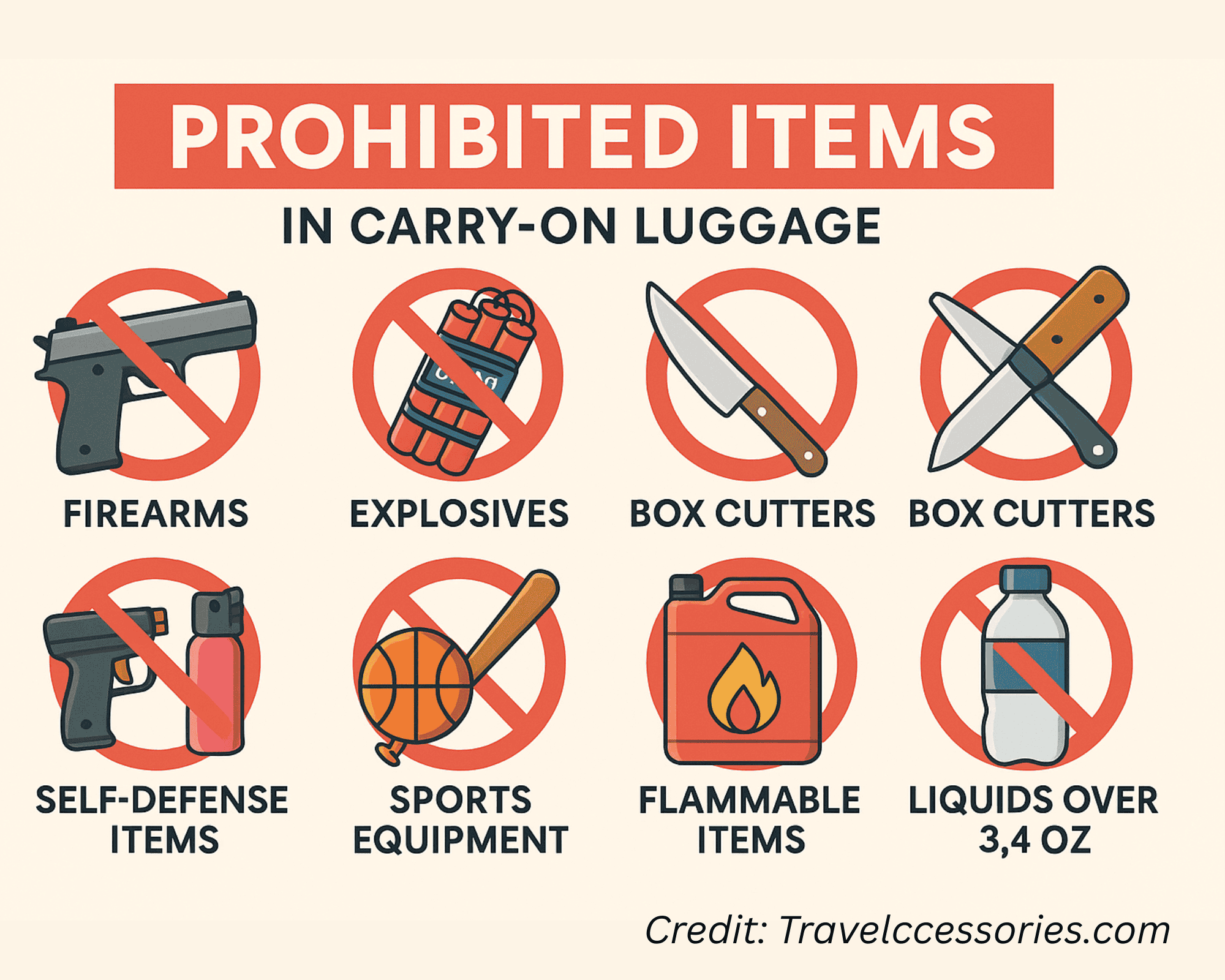
As we navigate the ever-changing landscape of air travel, one aspect remains constant: the scrutiny of carry-on luggage. The items we attempt to bring on board are subject to a complex set of rules and regulations, designed to ensure the safety and security of all passengers. But have you ever stopped to think about the history behind these rules? The concept of restricted items in carry-on luggage has its roots in the early days of commercial aviation, when the threat of hijacking and sabotage was a very real concern. Over time, the list of prohibited items has evolved to include a wide range of objects, from the obvious (guns and knives) to the surprising (liquids and gels over a certain size).
Today, the rules surrounding carry-on luggage are more stringent than ever, with airlines and security agencies working together to stay one step ahead of potential threats. But what does this mean for the average traveler? How can we ensure that our carry-on luggage meets the requirements, while also avoiding the hassle and expense of checking a bag? The answer lies in understanding the complex web of rules and regulations that govern what we can and cannot bring on board. From the Transportation Security Administration (TSA) guidelines to the International Air Transport Association (IATA) regulations, the world of carry-on luggage is a complex and often confusing place.
Understanding the Rules
At the heart of the carry-on luggage conundrum is the TSA's list of prohibited items. This comprehensive guide outlines the dos and don'ts of carry-on luggage, from the obvious (no guns or explosives) to the less obvious (no snow globes or toy weapons). But what about the gray areas? What about the items that are technically allowed, but still raise eyebrows at security checkpoints? The answer lies in understanding the 3-1-1 liquids rule, which dictates that liquids, gels, and aerosols must be in containers of 3.4 ounces or less, and fit in a clear, quart-sized zip-top bag.
Must Read
- Heart Of Mexico City Football: Pinpointing The Azteca Stadium Location
- Guadalajara Stadium Parking Guide: Avoid The Matchday Traffic
- Houston Stadium Bag Policy: Clear Bag Rules For Visitors
- Sofi Stadium Capacity: How Many Fans It Can Hold
- Reliant Stadium Parking: A Guide To The Old Name And Current Venue
But the rules surrounding carry-on luggage are not just about security; they're also about psychology. Think about it: when we're preparing to board a plane, we're often in a state of high stress and anxiety. We're worried about missing our flight, or forgetting our passport, or (worst of all) being stuck in a middle seat. And then, to make matters worse, we're forced to confront the dreaded security checkpoint, where our carefully packed carry-on luggage is subject to scrutiny and potential rejection. It's a -pressure cooker of emotions, and one that can often lead to confusion, frustration, and even humiliation.
And then, of course, there's the cultural impact of carry-on luggage rules. In an era where we're increasingly accustomed to instant gratification and endless choice, the strict regulations surrounding carry-on luggage can be a harsh wake-up call. We're forced to confront our own privilege and entitlement, and to consider the potential consequences of our actions. It's a bracing dose of reality, and one that can often leave us feeling deflated and disappointed.
Real-World Scenarios
So what does this mean in practice? How can we apply the rules and regulations surrounding carry-on luggage to our everyday lives? Let's consider a few scenarios: you're a business traveler, heading to a meeting in another city. You've got a laptop, a phone, and a briefcase full of sensitive documents. But you've also got a water bottle and a snack, which you're not sure are allowed. What do you do? The answer lies in understanding the TSA's guidelines on electronics and liquids, and in planning ahead to avoid any potential issues.
Or perhaps you're a family traveler, heading on vacation with your kids and partner. You've got a stroller, a car seat, and a diaper bag full of essentials. But you're not sure what's allowed in terms of formula and breast milk. The answer lies in understanding the TSA's guidelines on medical supplies and child care items, and in planning ahead to avoid any potential issues.
And then there are the exceptional circumstances: what if you've got a medical condition that requires you to carry a specific item? What if you're a musician or artist, and you need to carry a musical instrument or art supplies? The answer lies in understanding the TSA's guidelines on special items, and in planning ahead to avoid any potential issues.
Finally, there's the issue of packing strategies. How can we ensure that our carry-on luggage meets the requirements, while also avoiding the hassle and expense of checking a bag? The answer lies in understanding the art of packing, and in using packing cubes, compression bags, and other tools of the trade to maximize our space and minimize our stress.
Frequently Asked Questions
What are the most common items that are not allowed in carry-on luggage?
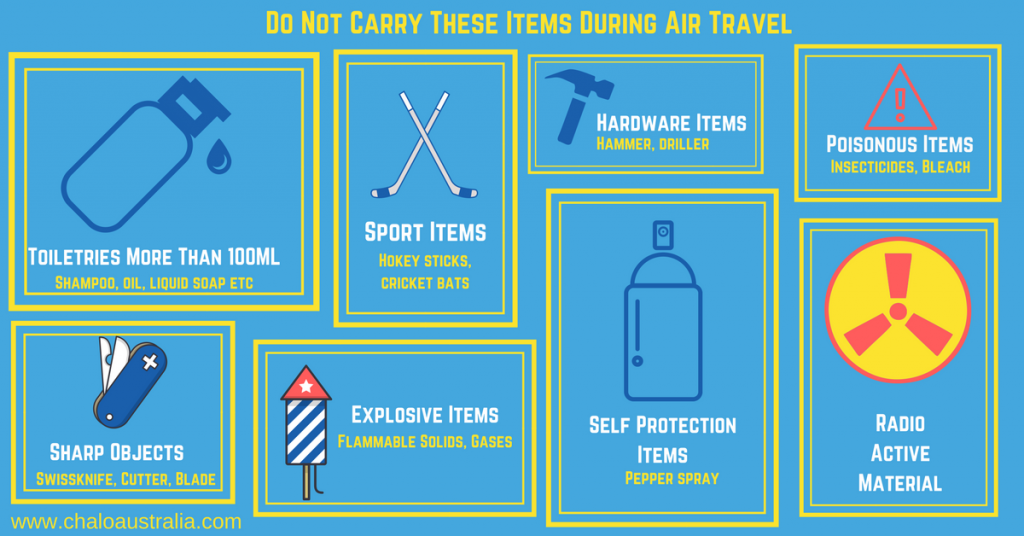
The most common items that are not allowed in carry-on luggage include liquids and gels over a certain size, sharp objects like knives and scissors, and explosive materials like fireworks and flares. But the list of prohibited items is constantly evolving, and it's essential to stay up-to-date with the latest TSA guidelines to avoid any potential issues. Additionally, it's worth noting that some items may be allowed in checked luggage, but not in carry-on, so it's essential to check with your airline before your flight.
In addition to these items, there are also less obvious prohibited items, like snow globes and toy weapons. These items may seem harmless, but they can still pose a threat to the safety and security of the flight. It's essential to be aware of these items and to pack accordingly, to avoid any potential issues or delays at security checkpoints.

Can I bring my laptop and liquids in my carry-on luggage?
The answer to this question is yes, but with certain restrictions. Laptops and liquids are allowed in carry-on luggage, but they must be removed from your bag and screened separately at security checkpoints. Additionally, liquids and gels must be in containers of 3.4 ounces or less, and fit in a clear, quart-sized zip-top bag. It's essential to be aware of these restrictions and to plan ahead, to avoid any potential issues or delays at security checkpoints.
In addition to these restrictions, it's also essential to consider the practicalities of carrying a laptop and liquids in your carry-on luggage. For example, you'll need to ensure that your laptop is fully charged and that you have a backup power source, in case you need to use it during the flight. You'll also need to consider the logistics of removing your laptop and liquids from your bag at security checkpoints, and of screening them separately.
What are the consequences of attempting to bring a prohibited item in my carry-on luggage?
The consequences of attempting to bring a prohibited item in your carry-on luggage can be severe. If you're caught trying to bring a prohibited item on board, you may be subject to additional screening, questioning by security personnel, and even arrest and prosecution. Additionally, you may be required to check your bag or return to the gate, which can cause delays and disruptions to your travel plans.
In addition to these consequences, it's also essential to consider the long-term effects of attempting to bring a prohibited item in your carry-on luggage. For example, you may be placed on a watch list or no-fly list, which can make it difficult to travel in the future. You may also be subject to increased scrutiny and additional security measures, which can be time-consuming and inconvenient.
Can I bring my pet in my carry-on luggage?
The answer to this question is yes, but with certain restrictions. Small pets, like dogs and cats, are allowed in carry-on luggage, but they must be in an approved carrier and fit under the seat in front of you. Additionally, you'll need to check with your airline in advance to ensure that they allow pets in the cabin, and to obtain any necessary permits or documentation.
In addition to these restrictions, it's also essential to consider the welfare of your pet. Traveling can be stressful and uncomfortable for pets, so it's essential to take steps to ensure their safety and comfort. This may include providing a comfortable carrier, food and water, and regular breaks during the flight.
What are the rules for carrying musical instruments or art supplies in my carry-on luggage?
The rules for carrying musical instruments or art supplies in your carry-on luggage vary depending on the type of item and the airline you're flying with. Generally, small instruments like violins and guitars are allowed in carry-on luggage, but larger instruments may need to be checked or shipped separately. Art supplies, like paints and solvents, may be subject to restrictions or prohibitions, due to their potential hazards and risks.
In addition to these rules, it's also essential to consider the practicalities of carrying musical instruments or art supplies in your carry-on luggage. For example, you'll need to ensure that your instrument is properly protected and secured, to prevent damage or loss during the flight. You'll also need to consider the logistics of removing your instrument or art supplies from your bag at security checkpoints, and of screening them separately.

How can I ensure that my carry-on luggage meets the requirements and avoids any potential issues?
The best way to ensure that your carry-on luggage meets the requirements and avoids any potential issues is to plan ahead and research the latest TSA guidelines and airline regulations. You should also pack smart and efficiently, using packing cubes and compression bags to maximize your space and minimize your stress. Additionally, you should arrive early at the airport, to allow plenty of time for security screening and boarding.
In addition to these steps, it's also essential to consider the long-term benefits of careful planning and preparation. By taking the time to research and understand the rules and regulations surrounding carry-on luggage, you can avoid delays and disruptions to your travel plans, and ensure a smooth and stress-free journey.
As we reflect on the complex web of rules and regulations surrounding carry-on luggage, it's clear that this topic connects to our daily lives and human nature in profound ways. From the psychology of stress and anxiety to the cultural impact of air travel, the world of carry-on luggage is a rich and fascinating place. By understanding the rules and regulations that govern what we can and cannot bring on board, we can take control of our travel experiences and make informed decisions about our safety and security.
Moreover, the rules surrounding carry-on luggage also reveal our deeper values and priorities as a society. What do we consider essential to our well-being and comfort? What are we willing to sacrifice in the name of security and safety? By examining these questions and exploring the complexities of carry-on luggage, we can gain a deeper understanding of ourselves and our place in the world.
Ultimately, the world of carry-on luggage is a microcosm of our larger human experience. It's a realm where we must navigate complexity and uncertainty, where we must balance individual needs with collective security. By embracing this complexity and seeking to understand the rules and regulations that govern our travel experiences, we can grow and learn as individuals, and become more informed and engaged citizens of the world.