Indian Government Policy On Plastic Bags

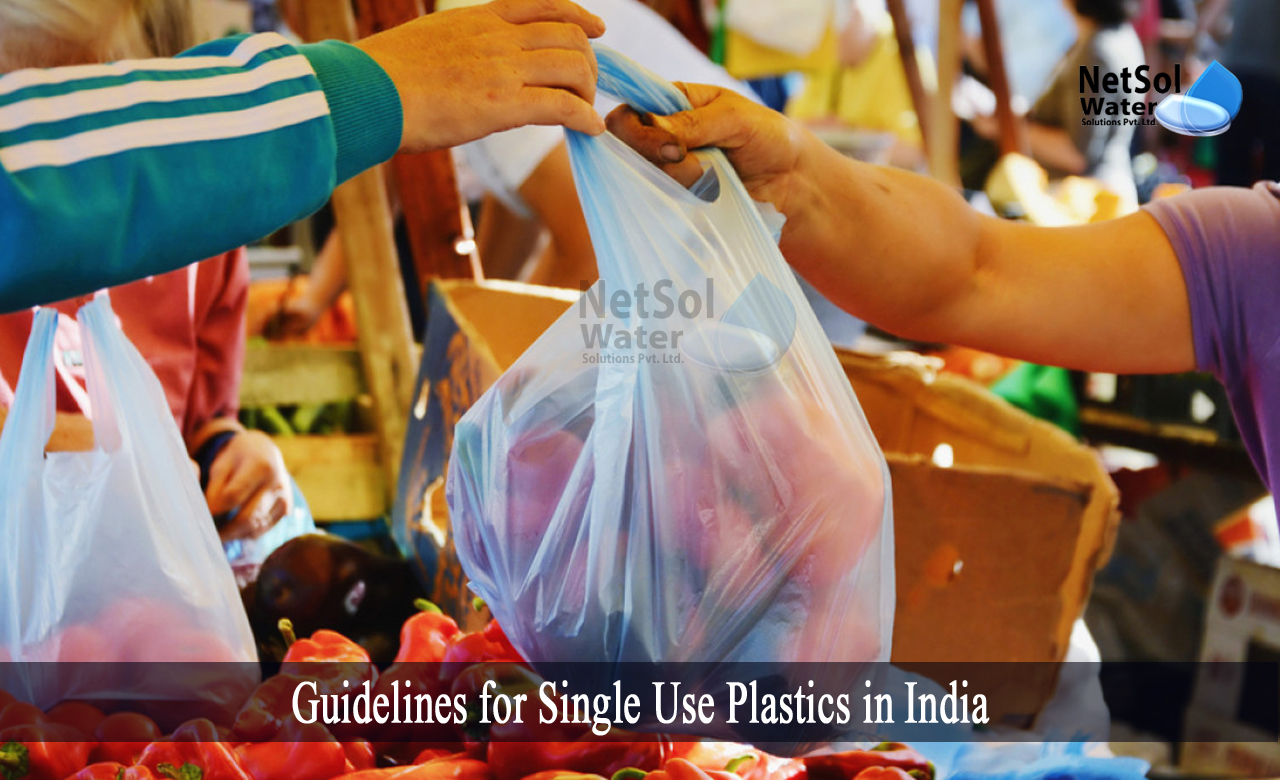
The use of plastic bags in India dates back to the 1950s, when they were first introduced as a convenient and cheap way to carry goods. At that time, no one could have imagined the devastating impact that these bags would have on the environment. As the years went by, the use of plastic bags became more widespread, and by the 1980s, they had become an integral part of daily life in India. People used them to carry everything from groceries to clothes, and they were seen as a symbol of modernity and convenience.
However, as the years went by, the harmful effects of plastic bags began to manifest. The 1990s saw a surge in environmental activism, and the use of plastic bags was one of the main targets. Activists and scientists began to raise awareness about the dangers of plastic bags, which were not only non-biodegradable but also harmful to animals and the environment. Despite this, the use of plastic bags continued to grow, and by the 2000s, they had become a ubiquitous part of Indian life.
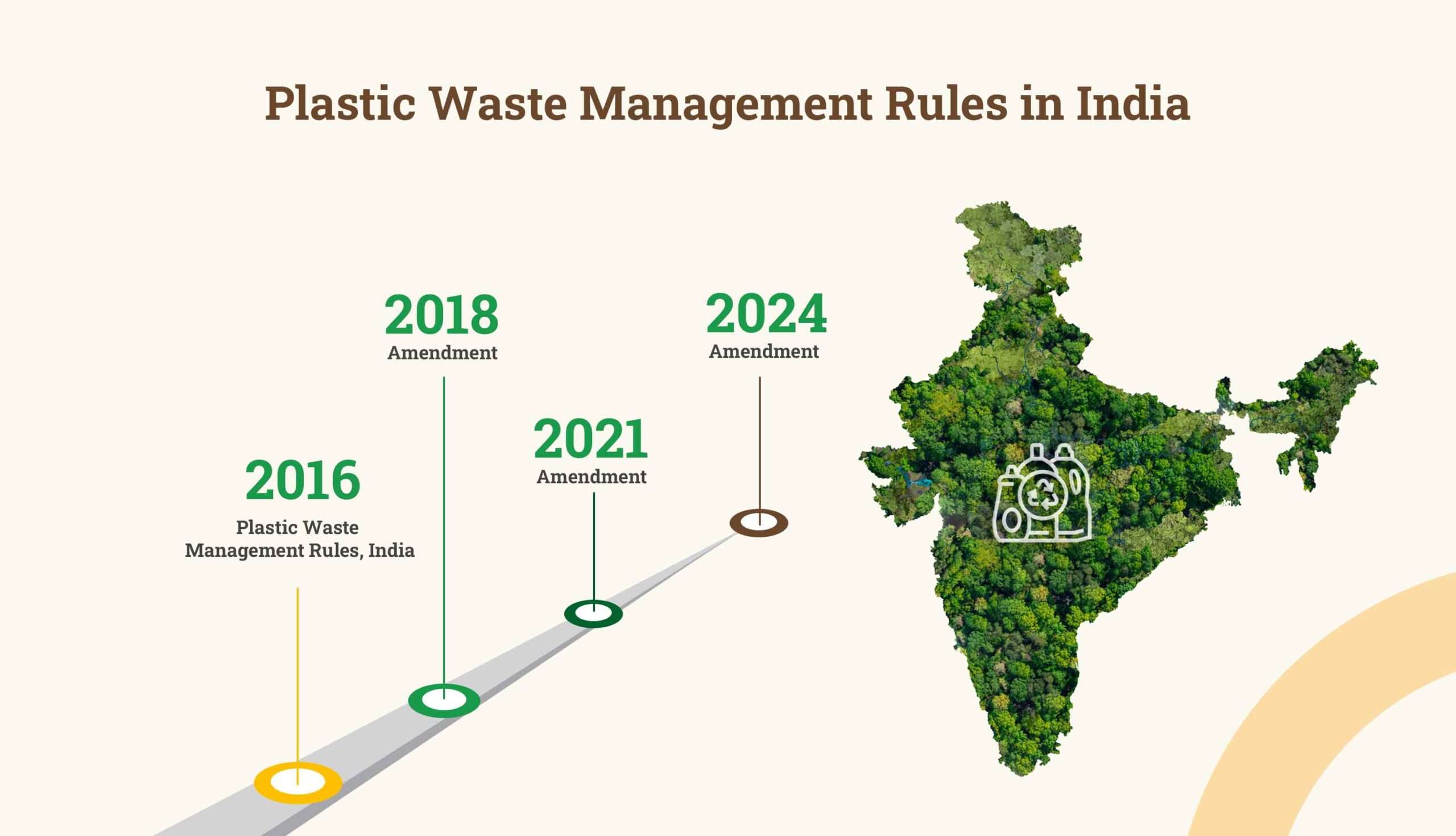
It wasn't until the 2010s that the Indian government began to take serious action against the use of plastic bags. The Ministry of Environment, Forest and Climate Change launched a series of initiatives aimed at reducing the use of plastic bags and promoting the use of eco-friendly alternatives. One of the most significant initiatives was the imposition of a ban on the use of plastic bags in several states, including Delhi and Maharashtra. This move was seen as a major step forward in the fight against plastic pollution, and it marked a significant shift in the government's policy on plastic bags.
Must Read
The Evolution of Plastic Bag Policy in India
The Indian government's policy on plastic bags has undergone significant changes over the years. In the 1990s, the government introduced the Plastic Waste (Management and Handling) Rules, which aimed to regulate the use of plastic bags and promote recycling. However, these rules were largely ineffective, and the use of plastic bags continued to grow. It wasn't until the 2000s that the government began to take more serious action, with the introduction of the Environment Protection Act, which gave the government the power to regulate the use of plastic bags.
One of the most significant transformations in the government's policy on plastic bags came in the 2010s, with the introduction of the Swachh Bharat Abhiyan campaign. This campaign aimed to promote cleanliness and hygiene across India, and it included a major focus on reducing the use of plastic bags. The government launched a series of initiatives, including the imposition of fines on those found using plastic bags, and the promotion of eco-friendly alternatives. This move marked a significant shift in the government's policy, from one of mere regulation to one of active promotion of sustainable practices.

Despite these efforts, the use of plastic bags remains a major problem in India. The 2020s have seen a surge in awareness about the dangers of plastic pollution, and the government has responded with a series of new initiatives. The Ministry of Environment, Forest and Climate Change has launched a new campaign aimed at promoting the use of eco-friendly bags, and several states have banned the use of plastic bags altogether. These efforts mark a significant step forward in the fight against plastic pollution, and they demonstrate the government's commitment to reducing the use of plastic bags.
The journey of plastic bags in India has been a long and winding one, filled with twists and turns. From their humble beginnings as a convenient and cheap way to carry goods, to their current status as a major environmental pollutant, plastic bags have had a profound impact on Indian society. As the government continues to evolve its policy on plastic bags, it is clear that the future will be shaped by a combination of technological innovation, environmental activism, and government regulation.
Modernizing the Fight Against Plastic Bags
As the world becomes increasingly aware of the dangers of plastic pollution, the fight against plastic bags is being modernized. One of the key ways in which this is happening is through the use of technology. The Indian government has launched a series of initiatives aimed at promoting the use of digital payment systems, which reduce the need for plastic bags. Additionally, several startups have developed innovative solutions, such as biodegradable bags made from plant-based materials, which offer a sustainable alternative to traditional plastic bags.
Another way in which the fight against plastic bags is being modernized is through the use of social media. The Indian government has launched a series of social media campaigns aimed at raising awareness about the dangers of plastic pollution, and several celebrities have lent their support to the cause. This has helped to create a sense of urgency and momentum around the issue, and has inspired a new generation of environmental activists to take action. As the fight against plastic bags continues to evolve, it is clear that technology and social media will play an increasingly important role.
Frequently Asked Questions
What is the current policy on plastic bags in India?
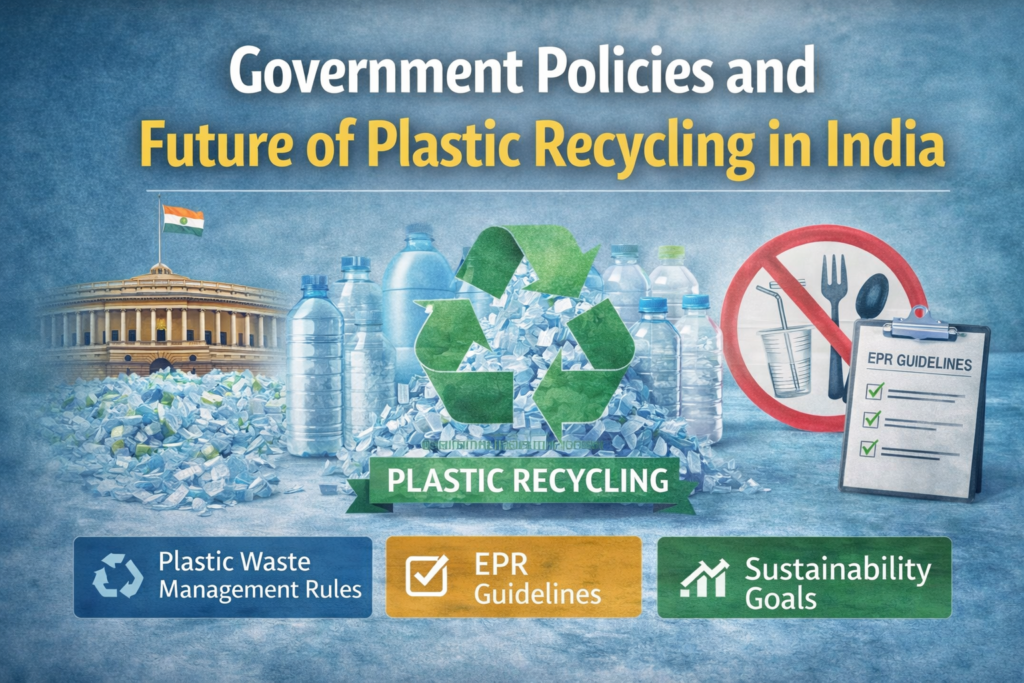
The current policy on plastic bags in India is one of prohibition and regulation. The Indian government has banned the use of plastic bags in several states, and has introduced a series of initiatives aimed at promoting the use of eco-friendly alternatives. The Ministry of Environment, Forest and Climate Change has also launched a series of campaigns aimed at raising awareness about the dangers of plastic pollution, and several states have imposed fines on those found using plastic bags.
Despite these efforts, the use of plastic bags remains a major problem in India. The Indian government has acknowledged the need for a more comprehensive approach to addressing the issue, and has launched a series of new initiatives aimed at promoting sustainable practices. These initiatives include the promotion of biodegradable bags, the imposition of fines on those found using plastic bags, and the creation of awareness campaigns aimed at educating the public about the dangers of plastic pollution. As the government continues to evolve its policy on plastic bags, it is clear that a combination of regulation, education, and innovation will be needed to address the issue.

What are the alternatives to plastic bags?
There are several alternatives to plastic bags, including biodegradable bags made from plant-based materials, cloth bags, and paper bags. The Indian government has promoted the use of these alternatives through a series of initiatives, including the imposition of fines on those found using plastic bags, and the creation of awareness campaigns aimed at educating the public about the dangers of plastic pollution. Several startups have also developed innovative solutions, such as bags made from jute and cotton, which offer a sustainable alternative to traditional plastic bags.
One of the most significant advantages of these alternatives is that they are biodegradable, which means that they can easily decompose and do not harm the environment. Additionally, they are often made from sustainable materials, which reduces the need for plastic and helps to promote eco-friendly practices. As the world becomes increasingly aware of the dangers of plastic pollution, the demand for these alternatives is likely to grow, and they are likely to play an increasingly important role in the fight against plastic bags.
What is the future of plastic bags in India?
The future of plastic bags in India is uncertain, but it is clear that the government is committed to reducing their use. The Indian government has launched a series of initiatives aimed at promoting sustainable practices, and several states have banned the use of plastic bags altogether. As the world becomes increasingly aware of the dangers of plastic pollution, it is likely that the use of plastic bags will continue to decline, and they will be replaced by eco-friendly alternatives.

One of the most significant challenges facing the government is the need to balance the demand for plastic bags with the need to protect the environment. The Indian government has acknowledged the need for a comprehensive approach to addressing the issue, and has launched a series of new initiatives aimed at promoting sustainable practices. These initiatives include the promotion of biodegradable bags, the imposition of fines on those found using plastic bags, and the creation of awareness campaigns aimed at educating the public about the dangers of plastic pollution. As the government continues to evolve its policy on plastic bags, it is clear that a combination of regulation, education, and innovation will be needed to address the issue.
As we look to the future, it is clear that the use of plastic bags will continue to decline, and they will be replaced by eco-friendly alternatives. The Indian government has made significant progress in reducing the use of plastic bags, but there is still much work to be done. The next 20 years will be critical in shaping the future of plastic bags in India, and it is likely that the government will continue to play a major role in promoting sustainable practices and reducing plastic pollution.
The impact of plastic bags on the environment has been devastating, and it is clear that urgent action is needed to address the issue. The Indian government has acknowledged the need for a comprehensive approach to addressing the issue, and has launched a series of new initiatives aimed at promoting sustainable practices. As the world becomes increasingly aware of the dangers of plastic pollution, it is likely that the use of plastic bags will continue to decline, and they will be replaced by eco-friendly alternatives. The future of plastic bags in India is uncertain, but one thing is clear: the government is committed to reducing their use and promoting sustainable practices.