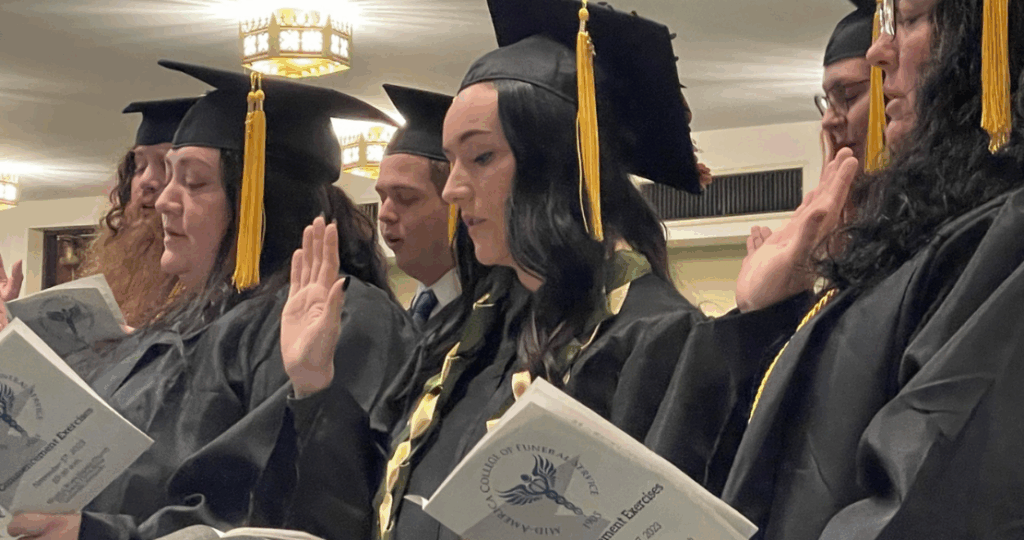
How To Get A Job In Funeral Services After Graduating

As a recent graduate, navigating the job market can be a daunting task, especially when considering a career in funeral services. However, with the right mindset and approach, it can be a highly rewarding profession. To start, it's essential to understand the biology of grief and how it affects individuals and communities. By recognizing the physiological and psychological responses to loss, you can develop a deeper empathy and compassion for those in need. This foundation in human anatomy and psychology will serve as a cornerstone for your future success in the funeral services industry.
Furthermore, it's crucial to appreciate the sociological aspects of funeral services, including the various rituals and customs that surround death and mourning. By studying the anthropology of death, you can gain a broader understanding of the significance and impact of funeral services on individuals and communities. This knowledge will enable you to approach your work with sensitivity and respect, ultimately providing better support to those who are grieving. Additionally, recognizing the business and economic aspects of the funeral services industry will help you navigate the professional landscape and make informed decisions about your career.
In terms of environmental factors, it's essential to consider the ecological impact of funeral services, including the use of embalming fluids and coffin materials. By understanding the chemistry of funeral practices, you can make informed choices about sustainable and eco-friendly options, ultimately contributing to a more environmentally conscious industry. This awareness will not only benefit the environment but also resonate with the growing number of individuals seeking green funeral options.
Must Read
Understanding the Industry
To succeed in funeral services, it's vital to comprehend the industry's structure and dynamics. This includes recognizing the different types of funeral homes, such as family-owned, corporate-owned, and cooperative funeral homes. By understanding the business models and revenue streams of these establishments, you can identify potential career paths and opportunities for advancement. Moreover, familiarizing yourself with the regulatory environment and licensing requirements will ensure that you're well-prepared for the demands of the profession.
Delving deeper into the biology of funeral services, it's essential to understand the process of decomposition and the microbiology of death. By recognizing the chemical reactions that occur during decomposition, you can appreciate the importance of embalming and preservation techniques. This knowledge will enable you to approach your work with a deeper understanding of the scientific principles that underlie funeral practices. Furthermore, understanding the psychology of grief and the emotional responses to loss will help you develop effective counseling and support strategies for those in need.
In addition to the scientific and emotional aspects of funeral services, it's crucial to recognize the sociological and cultural significance of death and mourning. By studying the history of funeral practices and the evolution of mourning rituals, you can gain a deeper appreciation for the diversity of cultural traditions that surround death. This understanding will enable you to approach your work with sensitivity and respect, ultimately providing better support to individuals from diverse backgrounds.

Mastering the Profession
To excel in funeral services, it's essential to develop a range of practical skills, including communication, emotional intelligence, and problem-solving. By recognizing the importance of active listening and empathetic responses, you can build trust with families and individuals, ultimately providing more effective support during difficult times. Additionally, developing technical skills, such as embalming and restoration, will enable you to perform your duties with confidence and precision.
Furthermore, it's crucial to stay up-to-date with industry developments and best practices, including advances in funeral technology and sustainable funeral options. By attending workshops and conferences and participating in online forums and discussions, you can expand your knowledge and network with professionals in the field. This will enable you to stay ahead of the curve and provide innovative solutions to the families and individuals you serve.
In terms of career advancement, it's essential to recognize the importance of mentorship and professional development. By seeking guidance from experienced professionals and pursuing continued education opportunities, you can acquire new skills and stay current with industry trends. Additionally, developing a professional network and building relationships with colleagues and peers will enable you to access new opportunities and advance your career.
Finally, it's vital to prioritize self-care and stress management in your personal and professional life. By recognizing the emotional demands of working in funeral services, you can develop effective coping strategies and maintain a healthy work-life balance. This will enable you to perform your duties with compassion and empathy, ultimately providing better support to those in need.

Frequently Asked Questions
What are the most common challenges faced by new funeral directors, and how can they be overcome?
Common challenges faced by new funeral directors include managing emotional stress, developing effective communication skills, and navigating the regulatory environment. To overcome these challenges, it's essential to prioritize self-care and stress management, seek guidance from experienced professionals, and stay up-to-date with industry developments and best practices. Additionally, recognizing the importance of ongoing education and professional development will enable new funeral directors to acquire new skills and stay current with industry trends.
Furthermore, developing a support network of colleagues and peers can provide new funeral directors with a sense of community and belonging, ultimately helping to mitigate the emotional demands of the profession. By acknowledging the value of mentorship and peer support, new funeral directors can access guidance, advice, and encouragement, enabling them to navigate the challenges of the profession with confidence and compassion.
How can I develop the necessary skills and knowledge to succeed in funeral services, and what are the most effective ways to learn?
To develop the necessary skills and knowledge to succeed in funeral services, it's essential to pursue formal education and training programs, such as those offered by funeral service schools and professional associations. Additionally, recognizing the value of hands-on experience and practical training will enable you to develop the technical skills required for the profession. Moreover, staying up-to-date with industry developments and best practices through workshops, conferences, and online forums will enable you to expand your knowledge and network with professionals in the field.
Furthermore, developing a personal learning plan and setting realistic goals will enable you to focus your efforts and prioritize your development. By recognizing the importance of self-directed learning and ongoing education, you can take ownership of your professional growth and development, ultimately achieving success and advancement in the funeral services industry.
What are the most effective ways to build a strong professional network in funeral services, and how can I leverage these connections to advance my career?
To build a strong professional network in funeral services, it's essential to attend industry events and conferences, participate in online forums and discussions, and join professional associations and organizations. Additionally, recognizing the value of mentorship and peer support will enable you to access guidance, advice, and encouragement from experienced professionals. By developing a strong online presence and personal brand, you can increase your visibility and credibility, ultimately attracting new opportunities and advancing your career.
Furthermore, prioritizing relationship-building and networking will enable you to establish a strong foundation for your professional network. By recognizing the importance of trust and reputation, you can focus on building meaningful relationships with colleagues and peers, ultimately leveraging these connections to access new opportunities, advance your career, and achieve success in the funeral services industry.
How can I balance the emotional demands of working in funeral services with the need to maintain a healthy work-life balance, and what strategies can I use to manage stress and burnout?
To balance the emotional demands of working in funeral services with the need to maintain a healthy work-life balance, it's essential to prioritize self-care and stress management. Recognizing the importance of boundaries and time management will enable you to separate your personal and professional life, ultimately reducing the risk of burnout and emotional exhaustion. Additionally, developing coping strategies and stress-reduction techniques, such as meditation and exercise, will help you manage the emotional demands of the profession.
Furthermore, seeking support from colleagues and peers and professional counseling can provide a safe and confidential space to discuss emotional challenges and develop effective coping strategies. By recognizing the value of ongoing education and professional development, you can stay current with industry trends and best practices, ultimately reducing the risk of burnout and emotional exhaustion.

What are the most important things to consider when choosing a funeral service program or school, and how can I ensure that I'm receiving a high-quality education?
When choosing a funeral service program or school, it's essential to consider accreditation and licensure, as well as the curriculum and course offerings. Recognizing the importance of hands-on experience and practical training will enable you to develop the technical skills required for the profession. Additionally, researching the reputation and alumni network of the school will provide valuable insights into the quality of education and the potential for career advancement.
Furthermore, considering the cost and financial aid options will enable you to make an informed decision about the program or school that best meets your needs and budget. By recognizing the value of ongoing education and professional development, you can ensure that you're receiving a high-quality education that will prepare you for success in the funeral services industry. Ultimately, prioritizing research and due diligence will enable you to make an informed decision and achieve your career goals.
By respecting the science behind funeral services, we can develop a deeper understanding of the biological, psychological, and sociological aspects of death and mourning. This knowledge will enable us to approach our work with compassion, empathy, and sensitivity, ultimately providing better support to those in need. Moreover, recognizing the importance of ongoing education and professional development will ensure that we stay current with industry trends and best practices, ultimately driving innovation and excellence in the funeral services industry.
Ultimately, a career in funeral services requires a unique blend of scientific knowledge, emotional intelligence, and practical skills. By prioritizing self-care and stress management, building a professional network, and staying up-to-date with industry developments, we can achieve success and advancement in the funeral services industry. By respecting the science behind funeral services, we can become better, more efficient humans, ultimately providing compassionate and supportive care to those in need.