How Much Money Can You Bring On Plane
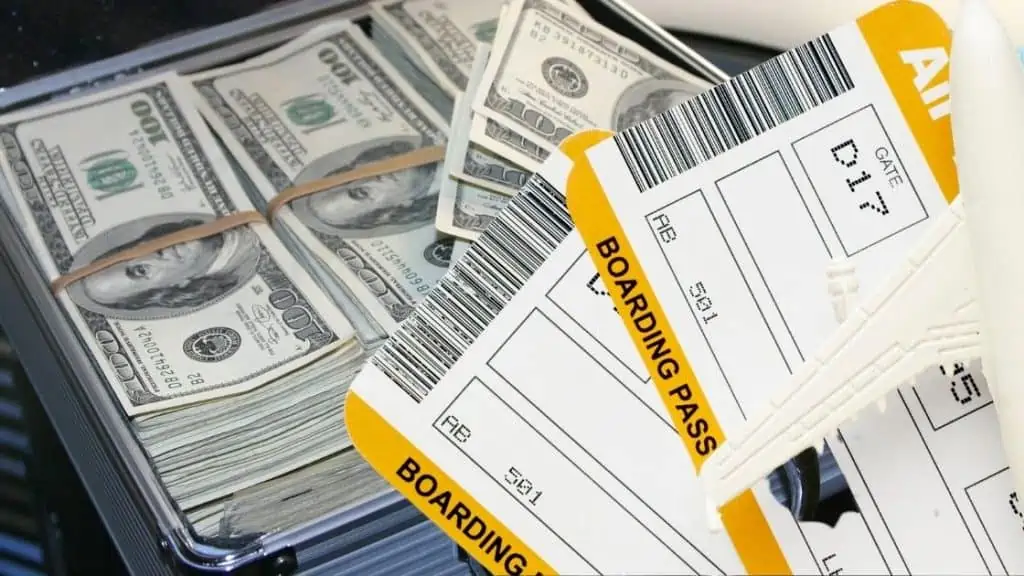
As we embark on our next adventure, whether it's a quick weekend getaway or a long-awaited vacation, we often find ourselves wondering about the nitty-gritty details of air travel. One of the most pressing questions on our minds is: how much money can you bring on a plane? The answer, much like the perfect in-flight snack, is not always straightforward.
Understanding the Rules
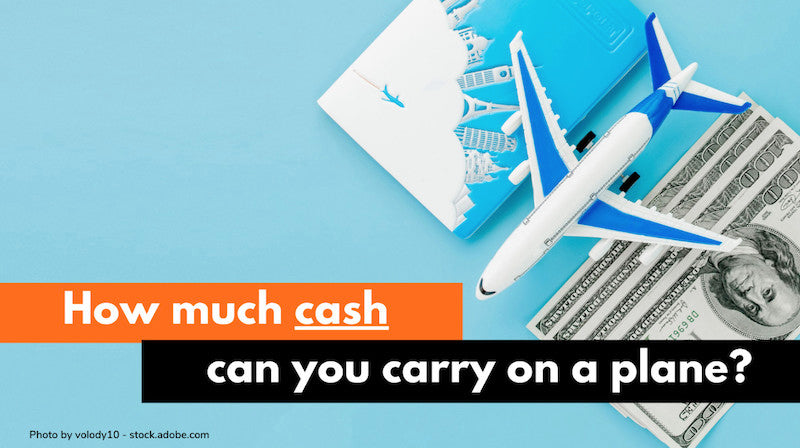
When it comes to carrying cash on a plane, the TSA (Transportation Security Administration) has its own set of rules. In the US, there is no limit to the amount of money you can bring on a domestic flight, but it's essential to declare any amount over $10,000 when traveling internationally. This might seem like a small fortune, but for those traveling with large sums, it's crucial to be aware of the regulations.
The IRS also gets involved when it comes to large amounts of cash, requiring you to fill out a Report of International Transportation of Currency or Monetary Instruments form if you're carrying more than $10,000. This might sound like a red tape nightmare, but it's all about staying on the right side of the law.
Must Read
Cultural Differences
When traveling to different countries, it's essential to be aware of local customs and regulations regarding cash. In some countries, like India or China, it's common to use cash for most transactions, while in others, like Sweden or Canada, credit cards and digital payments are the norm. Being mindful of these cultural differences can save you from any unwanted currency conversion headaches.
In Japan, for example, it's common to carry large amounts of cash, with some vending machines and small shops only accepting physical currency. On the other hand, in some European countries, you might find that many businesses only accept contactless payments or mobile payments. Being prepared and informed can make all the difference in your travel experience.
Practical Tips
Safety should always be your top priority when carrying cash on a plane. Consider using a money belt or a secure wallet to keep your valuables close and secure. You should also make sure to keep your cash and credit cards separate, in case one of them gets lost or stolen.
Another useful tip is to inform your bank or credit card provider of your travel plans, so they don't flag your transactions as suspicious. This can save you from any unnecessary hassle or account restrictions while you're abroad.

Fun Facts
Did you know that the largest denomination of US currency ever printed was the $100,000 gold certificate, featuring a portrait of Salmon P. Chase, the Secretary of the Treasury at the time? These rare bills are now highly sought after by collectors and can sell for tens of thousands of dollars.
In the world of high-stakes poker, players often use briefcases full of cash to make their bets. While this might seem like the stuff of Hollywood movies, it's a real-life phenomenon that showcases the enduring allure of physical currency.
Conclusion
As we navigate the complex world of air travel and international currency regulations, it's essential to stay informed and be mindful of the rules. Whether you're a seasoned traveler or embarking on your first adventure, being aware of the ins and outs of carrying cash on a plane can make all the difference.
In the end, it's not just about the money; it's about the experiences, the people you meet, and the memories you create along the way. As the great traveler Anthony Bourdain once said, "Your body is not a temple, it's an amusement park. Enjoy the ride." So, go ahead, bring your cash, and enjoy the journey – but don't forget to declare it!


:max_bytes(150000):strip_icc()/carrry-on-bags-size-weight-limits-1861874_final-5c7ed492c9e77c000136a81a.png)