How Much Liquid Does Tsa Allow

The notion of carrying liquids through security checkpoints has been a topic of discussion for decades, with its roots tracing back to the early days of commercial aviation. As air travel became more accessible and popular, the need for regulating items brought on board arose, and with it, the question of how much liquid is allowed in carry-on bags. The 1950s and 1960s saw the dawn of commercial air travel, and as the industry grew, so did concerns about safety and security. Passengers were initially allowed to carry a wide range of items, including liquids, onto planes with minimal scrutiny.
However, as the years passed and the world witnessed the rise of terrorist activities and security threats, the need for stricter regulations became apparent. The 1970s and 1980s introduced the first rounds of security checks, with airports beginning to implement basic screening procedures for passengers and their luggage. Despite these initial steps, it wasn't until the 2000s that the regulation of liquids in carry-on bags became a major focus, particularly following the 2006 transatlantic aircraft plot, which involved the plan to detonate liquid explosives on flights from the UK to the US.
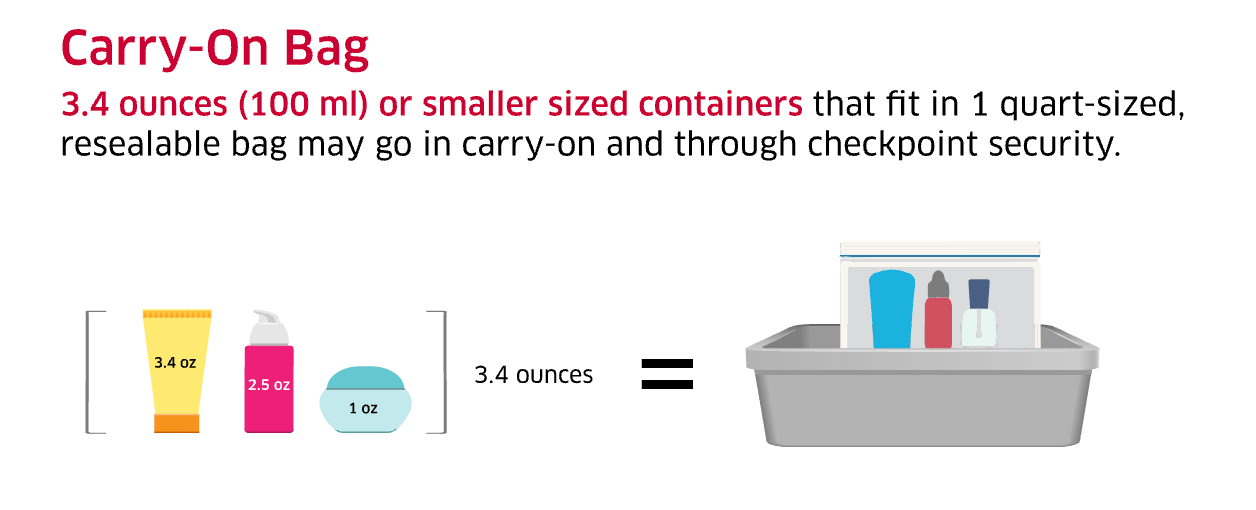
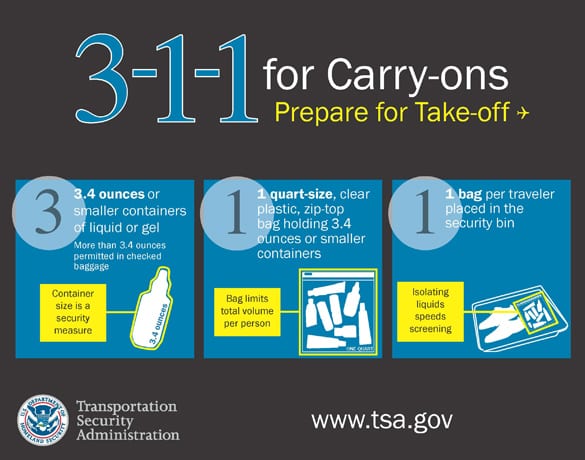
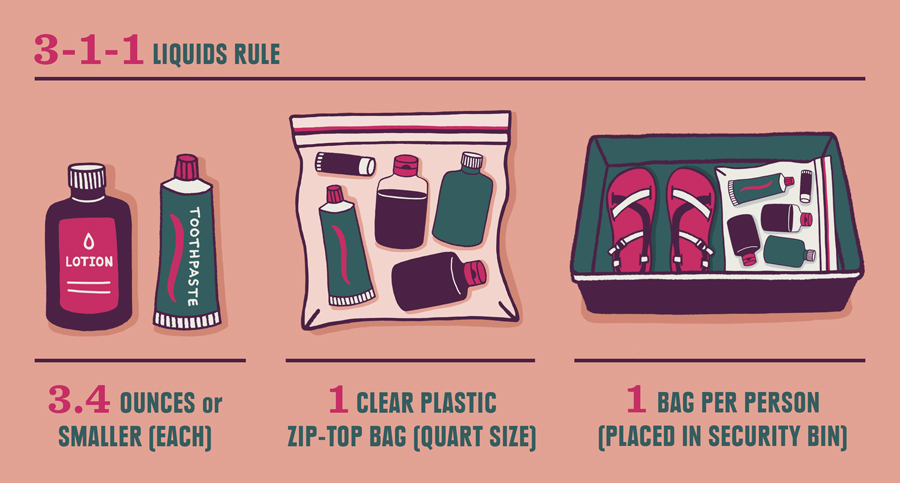
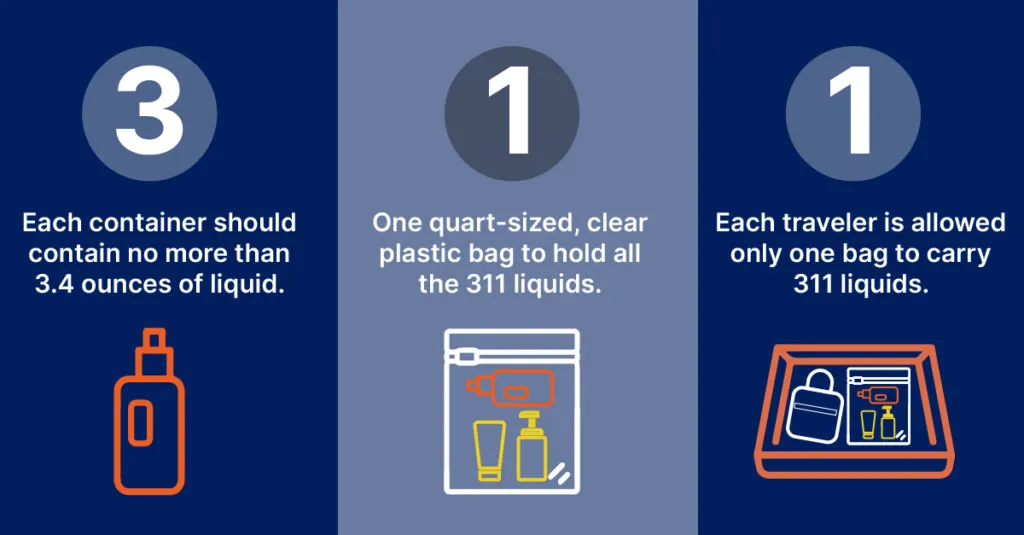
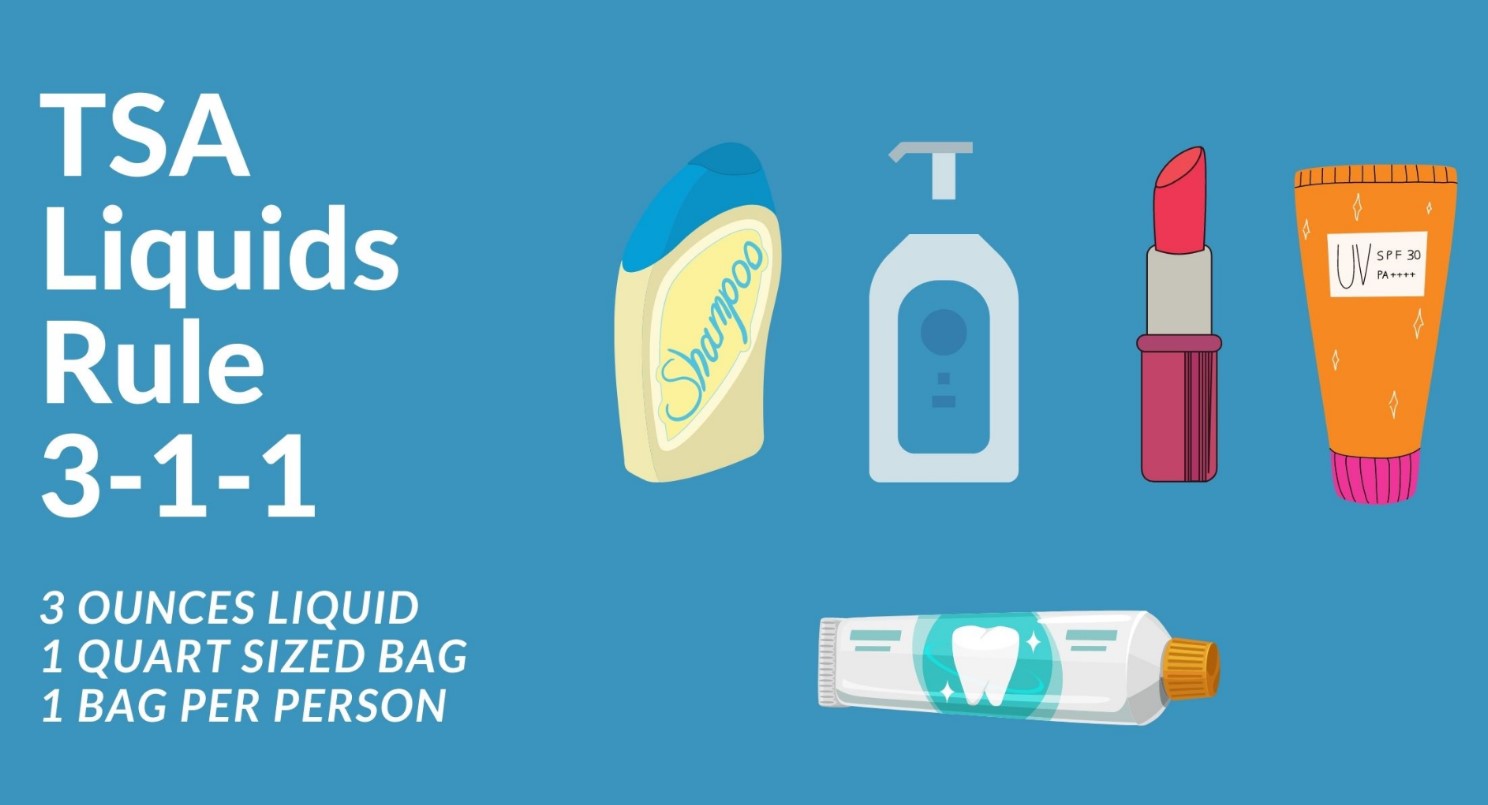
This pivotal moment marked a significant shift in how airports and regulatory bodies like the TSA (Transportation Security Administration) approached the issue of liquids in carry-on bags. The 3-1-1 liquids rule, introduced in response to the plot, dictated that liquids, gels, and aerosols in carry-on bags must be in containers of 3.4 ounces (100 milliliters) or less, placed in a clear, quart-sized ziplock bag, with only one bag allowed per passenger. This rule, still in effect today, has become synonymous with airport security checks, symbolizing the evolution of security protocols in response to emerging threats.
Must Read
- Heart Of Mexico City Football: Pinpointing The Azteca Stadium Location
- Guadalajara Stadium Parking Guide: Avoid The Matchday Traffic
- Houston Stadium Bag Policy: Clear Bag Rules For Visitors
- Sofi Stadium Capacity: How Many Fans It Can Hold
- Reliant Stadium Parking: A Guide To The Old Name And Current Venue
The Evolution of Liquid Allowances
As the world entered the 2010s, advancements in technology began to influence how security checkpoints operated. The introduction of Checkpoint CT scanners allowed for the scanning of carry-on bags without the need to remove liquids or electronics, marking a significant step towards more efficient and less intrusive security procedures. Despite these advancements, the 3-1-1 rule remained largely unchanged, a testament to its effectiveness in balancing security concerns with passenger convenience.
Historically, the regulation of liquids has been influenced by numerous factors, including advances in detection technology and shifts in global security landscapes. For instance, the 1990s saw increased vigilance following the 1994 Bojinka plot, which involved plans to blow up airliners using liquid explosives. Each of these episodes has contributed to the complex and often changing nature of airport security, with the TSA and similar organizations around the world continually updating their protocols to address new threats.
The impact of these regulations on passenger behavior and travel culture cannot be overstated. The need to adhere to the 3-1-1 rule has led to a small industry of travel-sized toiletries and clever packing solutions, as travelers seek to comply with regulations while also meeting their personal grooming needs on the go. This has also spurred innovation in packaging, with many manufacturers now offering products specifically designed to meet TSA guidelines.
Moreover, the cultural and social implications of these security measures are profound. They reflect a broader societal shift towards security and surveillance, where the balancing act between freedom and protection becomes increasingly delicate. As Edward Snowden revealed the extent of global surveillance in the 2010s, discussions around privacy and security escalated, with airport security protocols being a tangible manifestation of these abstract debates.
Modernity and the Future of Liquid Allowances
Today, as we navigate the complexities of the 2020s, technology continues to play a pivotal role in shaping the future of airport security. Innovations like artificial intelligence and biometrics are being integrated into security systems, promising faster, more accurate screening processes. These advancements hold the potential to redefine the 3-1-1 rule, possibly making it redundant as newer, more sophisticated methods of detecting harmful substances become available.
:max_bytes(150000):strip_icc()/Liquids-in-carry-on-468595-v2-334131c6ffdf498f9503f6e0480f6efe.png)
The modernization of security protocols also raises questions about the balance between security, privacy, and convenience. As airports implement more automated and data-driven security solutions, the potential for minimizing wait times and enhancing the passenger experience increases. However, these developments also introduce new challenges, particularly concerning data privacy and the ethical implications of relying on AI for security decisions. The TSA, along with international counterparts, must navigate these complexities, ensuring that while the door to new threats is closed, the window to efficiency and respect for individual rights remains open.
Frequently Asked Questions
What are the Current TSA Regulations on Liquids in Carry-On Bags?
The current TSA regulations, as of the last update, still adhere to the 3-1-1 liquids rule. This means that each passenger is allowed to carry liquids, gels, and aerosols in containers that are 3.4 ounces (100 milliliters) or less per container. These containers must be placed in a clear, quart-sized ziplock bag, with each passenger limited to one such bag. Exceptions are made for certain medical items, baby formula, and breast milk, but these must be declared and may be subject to additional screening.
Understanding these regulations is crucial for a smooth travel experience. Non-compliant items may be confiscated, and in some cases, this could lead to delays or even missed flights. The TSA provides detailed information on its website, including lists of prohibited and permitted items, to help passengers prepare. Furthermore, the evolution of these regulations over time, from the initial introductions of security checks to the modern-day reliance on technology for screening, indicates a continuous effort to adapt to emerging threats while considering passenger needs.

How Have Technological Advancements Affected Liquid Allowances in Air Travel?
Technological advancements have significantly impacted how liquids are screened at airports. The introduction of CT scanners, for example, has improved the ability to detect harmful substances without the need for passengers to remove electronics or comply with the 3-1-1 rule for all items. Additionally, AI is being explored for its potential to analyze data from various sources to predict and prevent security threats, including those involving liquids. These technologies aim to make air travel more secure and efficient, potentially paving the way for a relaxation of current restrictions on liquids in the future.
The integration of technology into airport security also speaks to the broader narrative of innovation in response to global challenges. As threats evolve, so too must the methods used to counter them. The use of technology in this context not only enhances security but also contributes to the ongoing dialogue about the role of technology in modern life, highlighting its capacity to address complex problems and improve daily experiences, such as air travel.
What Are the Future Possibilities for Liquid Allowances in the Context of Airport Security?
Looking ahead, the future of liquid allowances in airport security is likely to be shaped by technological innovation and changing global security landscapes. Advances in detection technology could lead to more relaxed rules regarding liquids, as the ability to accurately and efficiently screen for harmful substances improves. Moreover, the integration of biometric data and AI-driven predictive analytics could create a more personalized and efficient security experience, potentially allowing for more items to be carried on without compromising safety.

The futuristic possibilities also raise interesting questions about the interplay between security, technology, and human rights. As airports become more reliant on automated systems for security checks, ensuring that these systems are free from bias and respect individual privacy will be critical. This not only pertains to the screening of liquids but also to the broader ecosystem of airport security, where technology and human oversight must work in harmony to create a safe, efficient, and respectful travel experience for all passengers.
As we reflect on the journey of how much liquid is allowed in carry-on bags, from the early days of commercial aviation to the sophisticated security protocols of today, it's clear that this topic embodies the dynamic interplay between technology, security, and society. Over the next 20 years, we can expect further innovations that will likely transform the airport security experience, making it more efficient, secure, and possibly less restrictive. The key will be balancing these advancements with the need to protect privacy and individual rights, ensuring that as we embrace the future of air travel, we do so with both security and dignity in mind.
The future of liquid allowances will be influenced by global events, technological breakthroughs, and societal values. As the world becomes increasingly interconnected, the importance of securing air travel while facilitating the free movement of people will only grow. Innovations in biotechnology, nanotechnology, and other fields may introduce new materials and substances that challenge current security protocols, necessitating continuous adaptation and evolution of the rules governing what can be carried on a plane. Through this ongoing process, humanity will navigate the complexities of security, freedom, and technology, ultimately shaping not just the future of air travel but also the broader societal narratives around safety, privacy, and innovation.