How Many Oz Can You Carry On A Plane

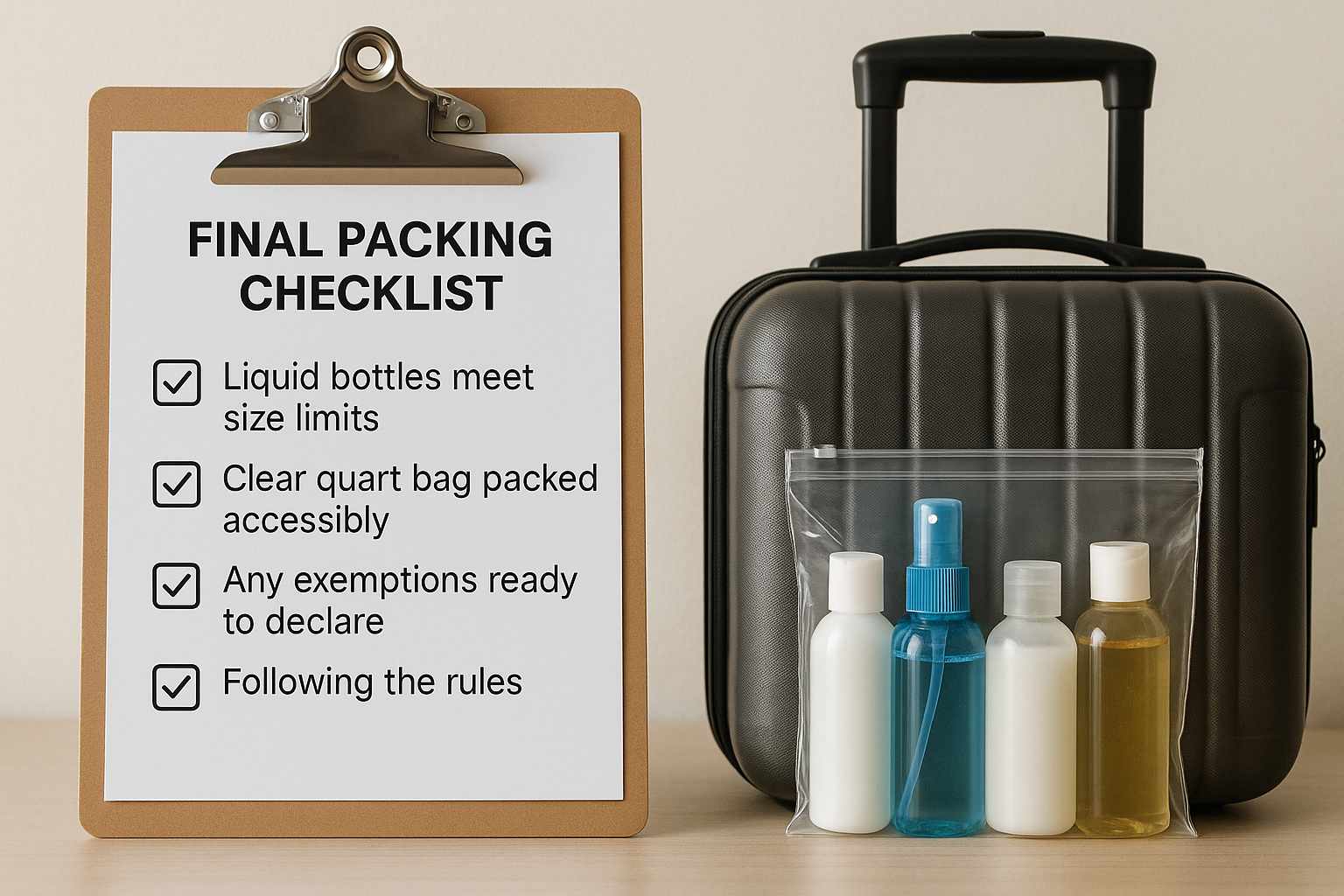
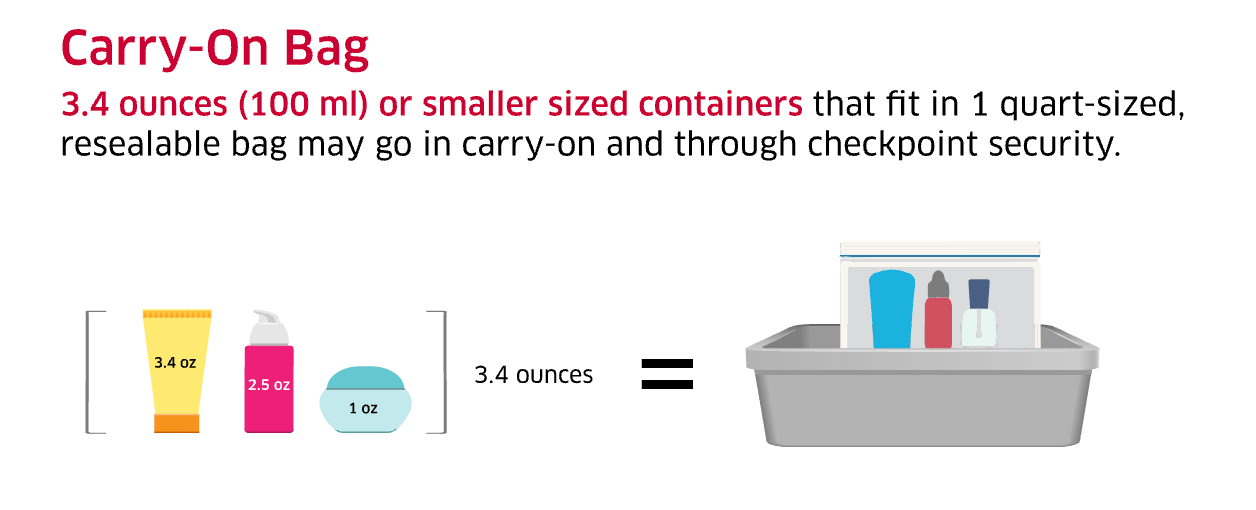
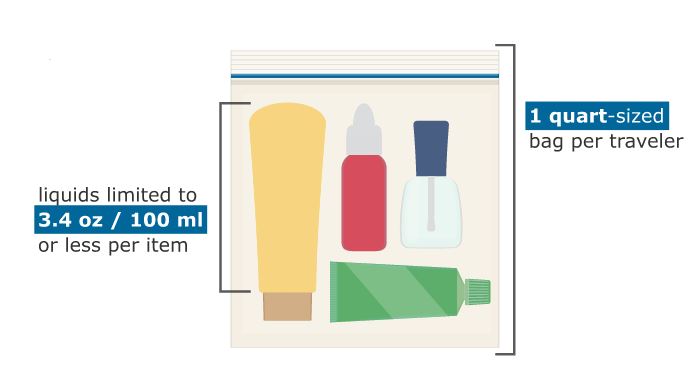
As we soar through the skies, sipping on our in-flight beverages and snacking on peanuts, have you ever stopped to think about the intricacies of air travel regulations? One aspect that often raises questions is the amount of liquid we can carry on a plane. It's a topic that has sparked debate, confusion, and even frustration among travelers. But, have you ever wondered how this regulation came to be? The history of liquid restrictions on planes dates back to 2006, when a foiled terrorist plot in the UK led to a global overhaul of airport security measures. Since then, the 3-1-1 liquids rule has become a staple of air travel, dictating that passengers can only carry liquids, gels, and aerosols in containers of 3.4 ounces or less, with a total of 1 quart-sized zip-top bag per passenger.
But why does this matter today? With the rise of self-care and wellness culture, many of us are accustomed to traveling with our favorite skincare products, perfumes, and other liquid essentials. The restrictions on liquids can be a major inconvenience, especially for those who rely on certain products for medical or personal reasons. Moreover, the ever-changing landscape of air travel regulations can be overwhelming, leaving many of us wondering what we can and can't carry on a plane. As we delve into the world of liquid restrictions, we'll explore the lesser-known facts, psychological aspects, and cultural impact of this topic, as well as provide practical insights and actionable takeaways for the savvy traveler.
Understanding Liquid Restrictions
One of the most fascinating aspects of liquid restrictions is the psychology behind them. Research has shown that the perception of risk plays a significant role in shaping our attitudes towards air travel security. The 3-1-1 liquids rule, although seemingly arbitrary, is designed to mitigate the risk of liquid-based explosives on planes. However, this regulation has also been criticized for being overly restrictive and confusing. For instance, the TSA's (Transportation Security Administration) guidelines on liquids are often at odds with those of other countries, leading to a patchwork of disparate regulations that can be difficult to navigate. As we explore the intricacies of liquid restrictions, it's essential to consider the cultural and historical context in which they were created.
Must Read
The cultural impact of liquid restrictions cannot be overstated. In an era where influencer culture and social media dominate our lives, the Products we use and the way we use them have become an integral part of our online personas. The restrictions on liquids have led to a proliferation of travel-sized products, which have become a staple of the beauty and wellness industry. Moreover, the Rise of sustainable travel has also led to a growing awareness of the environmental impact of air travel, with many travelers seeking to reduce their carbon footprint by using eco-friendly products and minimizing waste.
As we explore the world of liquid restrictions, it's essential to consider the human factor. For many of us, the products we use are not just a matter of personal preference but also a necessity. The restrictions on liquids can be a major source of stress and anxiety, particularly for those who rely on certain products for medical or personal reasons. As we navigate the complexities of air travel regulations, it's crucial to remember that the Products we use are often a reflection of our values, beliefs, and cultural backgrounds.
Navigating Liquid Restrictions
So, how can we navigate the complexities of liquid restrictions? One of the most effective strategies is to plan ahead. Before your trip, research the specific regulations of your airline and destination, and make sure to pack accordingly. Consider using travel-sized products or decanting your favorite liquids into smaller containers. It's also essential to label and declare any liquids, gels, or aerosols in your carry-on bag, as failure to do so can result in delays or even confiscation of your products.
:max_bytes(150000):strip_icc()/Liquids-in-carry-on-468595-v2-334131c6ffdf498f9503f6e0480f6efe.png)
Another key consideration is the type of products you use. Some products, such as perfumes and cosmetics, are subject to stricter regulations than others. It's essential to check the TSA's website for the latest guidelines on specific products and to pack smart. Consider using solid or powder alternatives to liquids, which are often exempt from the 3-1-1 rule. Additionally, checking with your airline can provide valuable insights into their specific regulations and restrictions.
For the savvy traveler, there are also several hacks and tips to navigate liquid restrictions. Consider using refillable containers or reusable bags to reduce waste and minimize the risk of confiscation. You can also purchase products at your destination, rather than carrying them with you. Moreover, packing essentials like eye masks and earplugs can help you stay comfortable and relaxed during your flight, without compromising on the 3-1-1 rule.
As we explore the world of liquid restrictions, it's essential to consider the broader implications of air travel regulations. The restrictions on liquids are just one aspect of a complex web of rules and guidelines that govern our behavior as travelers. By understanding the intricacies of these regulations, we can better navigate the challenges of air travel and make informed decisions about the products we use and the way we travel.
Frequently Asked Questions
What is the 3-1-1 liquids rule, and how does it apply to air travel?
The 3-1-1 liquids rule is a regulation that dictates that passengers can only carry liquids, gels, and aerosols in containers of 3.4 ounces or less, with a total of 1 quart-sized zip-top bag per passenger. This rule applies to all air travel, both domestic and international, and is enforced by the TSA and other airport security agencies. The rule is designed to mitigate the risk of liquid-based explosives on planes, and its application is strictly enforced at security checkpoints.
:max_bytes(150000):strip_icc()/tsa-liquid-rules-carry-on-checked-bag-TSALIQUIDS0622-841fded886324b3e99b7713c8b8ae94b.jpg)
However, there are some exceptions to the 3-1-1 rule. For instance, medications and baby formula are exempt from the rule, as are breast milk and juice for infants. Additionally, some cosmetics and toiletries may be allowed in larger quantities, provided they are declared and screened at security checkpoints. It's essential to check with your airline and the TSA for the latest guidelines on specific products and to pack accordingly.
How do liquid restrictions affect passengers with medical conditions or disabilities?
Liquid restrictions can be a major challenge for passengers with medical conditions or disabilities. Many medications and medical products are liquid-based, and the 3-1-1 rule can be restrictive for those who rely on these products. However, the TSA and other airport security agencies provide some exemptions and accommodations for passengers with medical conditions or disabilities. For instance, medications and medical equipment are often exempt from the 3-1-1 rule, provided they are declared and screened at security checkpoints.
It's essential for passengers with medical conditions or disabilities to plan ahead and research the specific regulations and accommodations available to them. The TSA provides a range of resources and services for passengers with disabilities, including TSA Cares, a helpline that provides assistance and guidance on air travel regulations. By understanding the rules and regulations, passengers with medical conditions or disabilities can navigate the challenges of air travel and ensure a safe and comfortable journey.
Can I carry liquids, gels, or aerosols in my checked luggage?
Yes, you can carry liquids, gels, or aerosols in your checked luggage, but there are some restrictions and guidelines to follow. The TSA allows passengers to carry liquids, gels, or aerosols in their checked luggage, provided they are properly packaged and declared. However, some airlines and countries may have stricter regulations, so it's essential to check with your airline and the TSA for the latest guidelines.

When carrying liquids, gels, or aerosols in your checked luggage, make sure to package them properly and declare them at check-in. You should also be aware of the restrictions on hazardous materials, such as batteries, fuels, and chemicals, which are strictly regulated and may be prohibited in both carry-on and checked luggage. By following the guidelines and regulations, you can ensure a safe and comfortable journey, while also complying with the rules and restrictions on liquids, gels, and aerosols.
How do liquid restrictions affect the environment, and what can I do to reduce my impact?
Liquid restrictions can have a significant impact on the environment, particularly in terms of waste reduction and sustainability. The 3-1-1 rule has led to a proliferation of travel-sized products, which can generate a significant amount of waste. Additionally, the restrictions on liquids can lead to a lack of transparency in the supply chain, making it difficult to track the environmental impact of air travel.
However, as a conscious traveler, you can take steps to reduce your impact on the environment. Consider using refillable containers or reusable bags to reduce waste, and opt for eco-friendly products that are free from harmful chemicals and microplastics. You can also offset your carbon emissions by investing in carbon offset programs or sustainable travel initiatives. By making informed choices and taking small steps, you can contribute to a more sustainable and environmentally-friendly air travel industry.
What are the consequences of violating liquid restrictions, and how can I avoid them?
Violating liquid restrictions can have serious consequences, including delays, confiscation of products, and even arrest. The TSA and other airport security agencies take liquid restrictions seriously, and failure to comply can result in significant penalties. To avoid these consequences, it's essential to understand the rules and regulations and to plan ahead.
Make sure to check the TSA's website for the latest guidelines on liquids, gels, and aerosols, and pack accordingly. Consider using travel-sized products or decanting your favorite liquids into smaller containers. It's also essential to label and declare any liquids, gels, or aerosols in your carry-on bag, as failure to do so can result in delays or confiscation of your products. By being aware of the rules and regulations, you can avoid the consequences of violating liquid restrictions and ensure a safe and comfortable journey.
As we reflect on the topic of liquid restrictions, it's clear that this regulation has a significant impact on our daily lives and human nature. The way we travel, the products we use, and the values we hold dear are all influenced by the 3-1-1 rule. Whether we're conscious travelers or seasoned flyers, the restrictions on liquids challenge us to think creatively, plan ahead, and prioritize our safety and well-being.
The cultural and historical context of liquid restrictions also reveals a deeper truth about human nature. Our desire for convenience, comfort, and self-expression often conflicts with the need for security and safety. The 3-1-1 rule may seem restrictive, but it's a reminder that our individual freedoms are often balanced against the greater good. As we navigate the complexities of air travel, we're forced to confront our own values and priorities, and to make choices that reflect our personal values and beliefs.
Ultimately, the topic of liquid restrictions is a microcosm of the larger themes that shape our lives. It's a reminder that our daily choices, whether it's the products we use or the way we travel, have a profound impact on the world around us. By embracing the challenges and complexities of liquid restrictions, we can cultivate a deeper understanding of ourselves and the world we live in. As we soar through the skies, we're not just carrying liquids; we're carrying our values, our beliefs, and our sense of self. And that's a journey worth exploring.

:max_bytes(150000):strip_icc()/liquids-on-a-plane-4046937-FINAL-5ba3d35d4cedfd002506643d.png)