
How Many Ounces Are Allowed Through Tsa

The world of air travel has become a crucial part of our modern lifestyle, with millions of people flying every day. However, with the increasing threat of terrorism and security concerns, the Transportation Security Administration (TSA) has had to implement various rules and regulations to ensure the safety of passengers. One of the most debated and often misunderstood rules is the amount of liquids, gels, and aerosols that are allowed through TSA checkpoints. The infamous 3-1-1 liquids rule has been in place since 2006, but many travelers are still unsure about what is permitted and what is not.
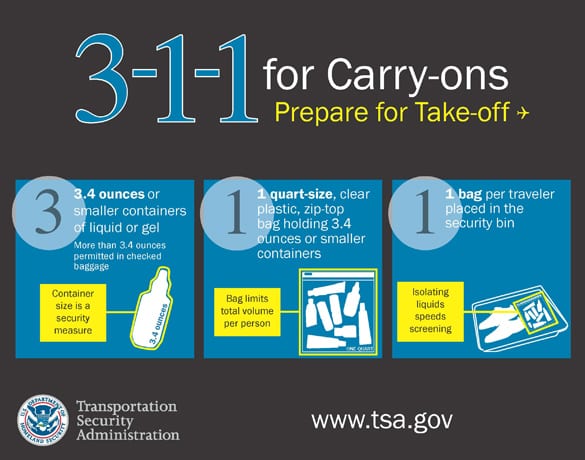
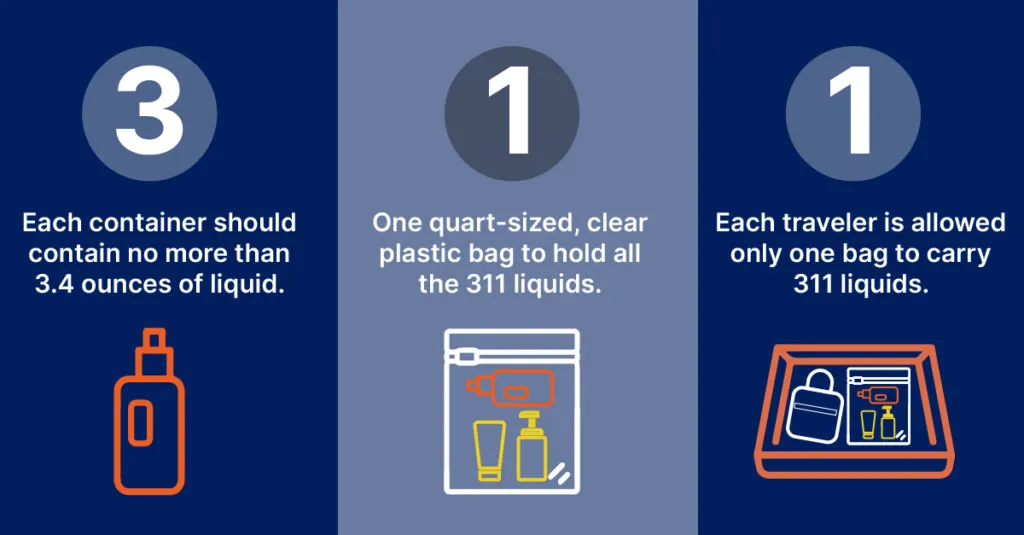
The history of the 3-1-1 rule dates back to 2006, when the TSA introduced the regulation in response to a foiled terrorist plot to blow up airplanes using liquid explosives. The rule states that passengers are allowed to carry liquids, gels, and aerosols in containers of 3.4 ounces or less, which must be placed in a clear, quart-sized zip-top bag. The rule has undergone several changes over the years, but the core principle remains the same. Despite the efforts to educate the public, many travelers are still confused about what is allowed and what is not, leading to frustration and delays at airport security checkpoints.
Understanding the 3-1-1 Liquids Rule
One of the lesser-known facts about the 3-1-1 rule is that it only applies to carry-on bags. Checked luggage, on the other hand, has no restrictions on the amount of liquids, gels, and aerosols that can be carried. However, it's essential to note that some items, such as flammable liquids and corrosive substances, are prohibited in both carry-on and checked luggage. The TSA also provides some exemptions, such as medications and breast milk, which are allowed in reasonable quantities.
Must Read
The psychological aspect of the 3-1-1 rule is also worth exploring. Many travelers feel anxious and stressed when going through security checkpoints, and the uncertainty surrounding the liquids rule can exacerbate these feelings. The security theater concept, which refers to the perceived security measures that are more focused on appearances than actual safety, can also contribute to the anxiety. Furthermore, the cultural impact of the 3-1-1 rule should not be underestimated. The regulation has become a symbol of the post-9/11 era, representing the trade-off between security and convenience.
Another interesting aspect of the 3-1-1 rule is the economics of security. The TSA spends millions of dollars each year on screening equipment and personnel, and the 3-1-1 rule is a significant part of this effort. However, some critics argue that the rule is not effective in preventing terrorist attacks and that the resources could be better spent on more targeted security measures. The debate surrounding the 3-1-1 rule is a classic example of the risk-reward tradeoff, where the perceived benefits of security are weighed against the costs and inconveniences imposed on travelers.
Practical Insights and Scenarios
So, how can travelers navigate the 3-1-1 rule and avoid any issues at security checkpoints? First and foremost, it's essential to plan ahead and check the TSA website for the most up-to-date information on prohibited items. Travelers should also pack smart and use clear, quart-sized zip-top bags to carry their liquids, gels, and aerosols. Additionally, declaring items and being transparent with security personnel can help to avoid any misunderstandings or delays.
A common scenario that travelers face is the liquids limit when carrying cosmetics or toiletries. Many of these items are essential for personal hygiene and grooming, but they can also be subject to the 3-1-1 rule. To avoid any issues, travelers can consider decanting their liquids into smaller containers or purchasing travel-sized versions of their favorite products. Another scenario is the medication exemption, which allows travelers to carry reasonable quantities of prescription medications and medical equipment.
The 3-1-1 rule also has implications for business travelers and frequent flyers. These individuals often have to navigate security checkpoints on a regular basis and may be more likely to encounter issues with the 3-1-1 rule. To minimize delays and hassle, business travelers can consider TSA Precheck or Global Entry, which offer expedited security screening and other benefits. Finally, traveling with children or infants requires special consideration, as these individuals may have specific needs and requirements that are exempt from the 3-1-1 rule.
Case studies have shown that the 3-1-1 rule can have a significant impact on airline operations and airport management. Delays and disruptions caused by the rule can lead to flight delays and cancellations, resulting in significant costs and inconvenience for travelers. To mitigate these effects, airports and airlines can invest in security infrastructure and training programs to improve the efficiency and effectiveness of security screening.
Frequently Asked Questions
What is the 3-1-1 liquids rule, and how does it apply to carry-on bags?
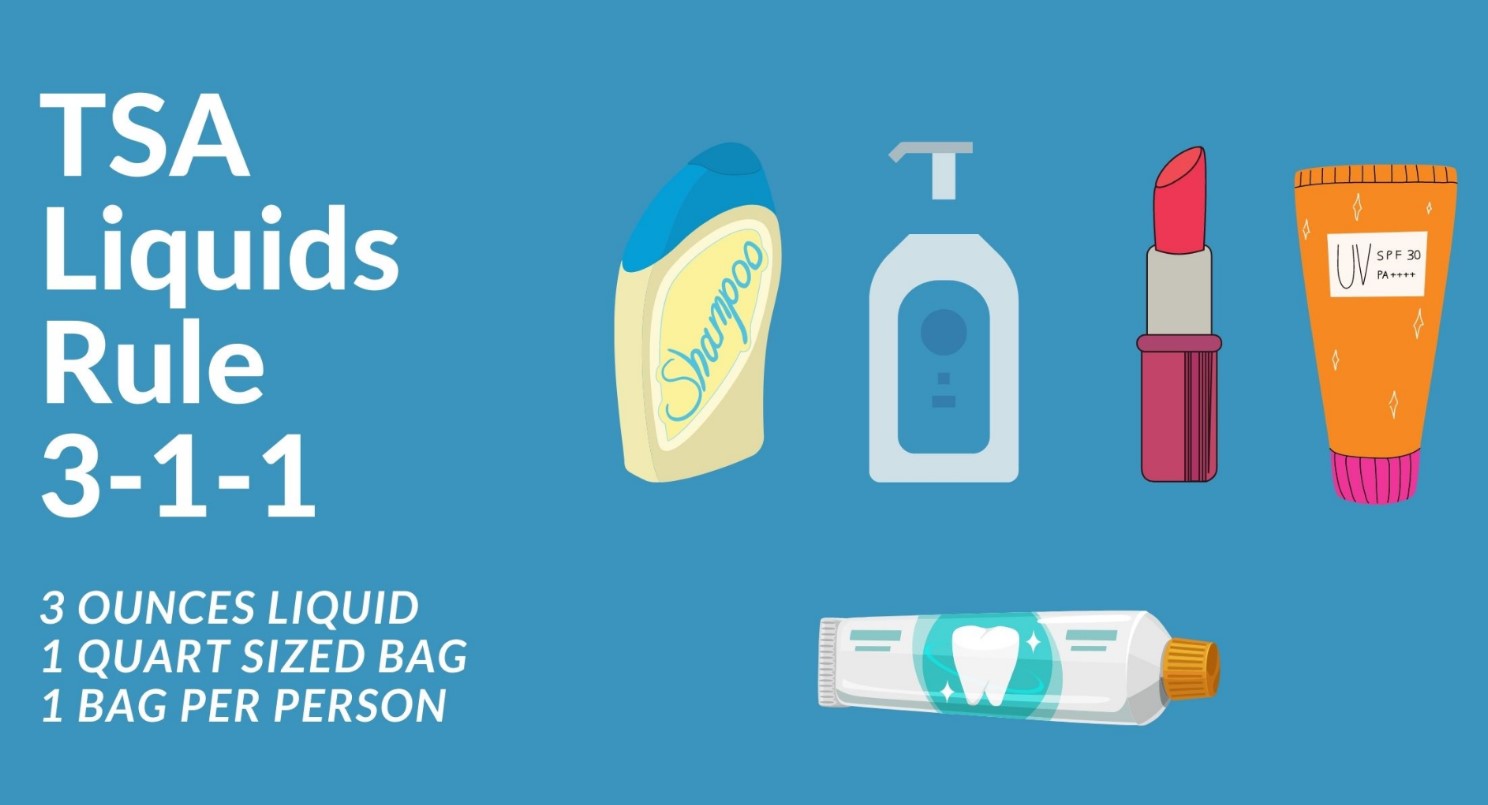
The 3-1-1 liquids rule states that passengers are allowed to carry liquids, gels, and aerosols in containers of 3.4 ounces or less, which must be placed in a clear, quart-sized zip-top bag. This rule only applies to carry-on bags, and there are no restrictions on the amount of liquids, gels, and aerosols that can be carried in checked luggage. However, it's essential to note that some items, such as flammable liquids and corrosive substances, are prohibited in both carry-on and checked luggage.
The 3-1-1 rule is in place to prevent the carrying of liquid explosives and other hazardous materials on airplanes. While the rule may seem restrictive, it's designed to ensure the safety and security of all travelers. By following the 3-1-1 rule and being mindful of prohibited items, travelers can help to minimize the risk of security threats and ensure a smooth and hassle-free flight experience.
Are there any exemptions to the 3-1-1 liquids rule, and how do I declare items at security checkpoints?
Yes, there are several exemptions to the 3-1-1 liquids rule, including medications, breast milk, and certain medical equipment. These items are allowed in reasonable quantities and must be declared at security checkpoints. To declare items, travelers should inform security personnel about the exempt items and be prepared to provide documentation or proof of the item's authenticity.
Declaring items at security checkpoints is a straightforward process that requires travelers to be transparent and honest about the items they are carrying. By declaring items and following the 3-1-1 rule, travelers can help to avoid any misunderstandings or delays at security checkpoints. It's also essential to note that security personnel are trained to handle exempt items and will work with travelers to resolve any issues or concerns.
Can I carry travel-sized toiletries and cosmetics in my carry-on bag, and are there any specific rules for these items?
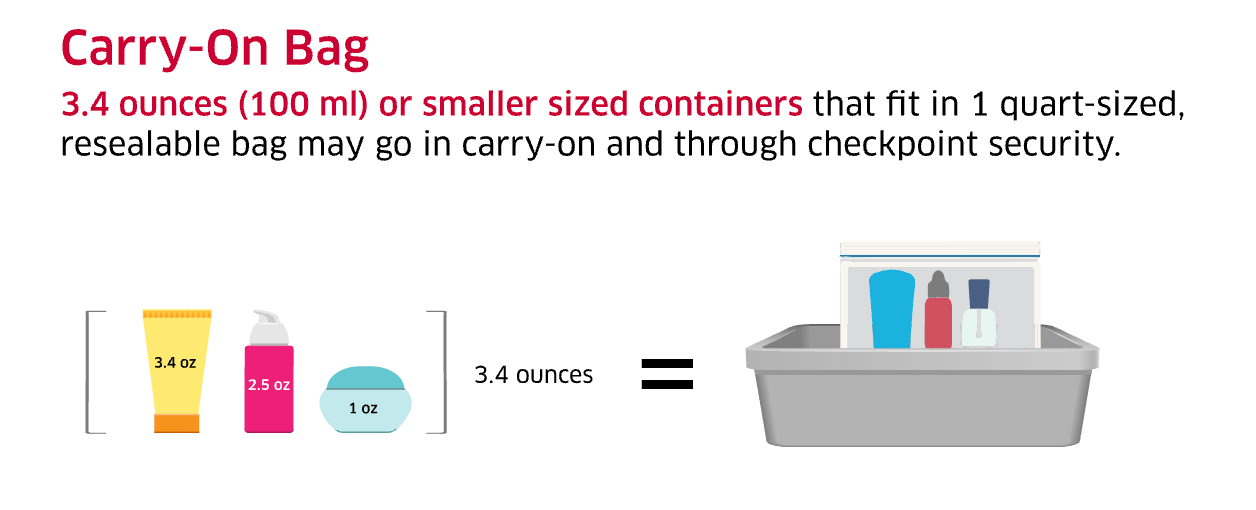
Yes, travelers can carry travel-sized toiletries and cosmetics in their carry-on bag, but these items must comply with the 3-1-1 rule. This means that each container must be 3.4 ounces or less and fit in a clear, quart-sized zip-top bag. There are no specific rules for travel-sized toiletries and cosmetics, but travelers should be aware of the liquids limit and pack accordingly.
Travelers can also consider decanting their liquids into smaller containers or purchasing travel-sized versions of their favorite products. This can help to minimize the risk of issues at security checkpoints and ensure that travelers have access to their essential toiletries and cosmetics during their journey. Additionally, packing smart and using clear bags can help to facilitate the security screening process and reduce the risk of delays.

How do I navigate security checkpoints with the 3-1-1 rule, and are there any tips for minimizing delays and hassle?
Navigating security checkpoints with the 3-1-1 rule requires travelers to be prepared and aware of the rules and regulations. To minimize delays and hassle, travelers should plan ahead and check the TSA website for the most up-to-date information on prohibited items. Travelers should also pack smart and use clear, quart-sized zip-top bags to carry their liquids, gels, and aerosols.
Additionally, declaring items and being transparent with security personnel can help to avoid any misunderstandings or delays. Travelers can also consider TSA Precheck or Global Entry, which offer expedited security screening and other benefits. By following these tips and being mindful of the 3-1-1 rule, travelers can help to minimize the risk of issues at security checkpoints and ensure a smooth and hassle-free flight experience.
Are there any specific rules or regulations for traveling with children or infants, and how do I navigate security checkpoints with these individuals?
Yes, there are specific rules and regulations for traveling with children or infants, particularly when it comes to the 3-1-1 rule. These individuals may have specific needs and requirements that are exempt from the 3-1-1 rule, such as breast milk and formula. Travelers should be aware of these exemptions and plan accordingly to minimize delays and hassle at security checkpoints.
Navigating security checkpoints with children or infants requires travelers to be patient and prepared. Travelers should pack smart and use clear, quart-sized zip-top bags to carry their liquids, gels, and aerosols. Additionally, declaring items and being transparent with security personnel can help to avoid any misunderstandings or delays. By following these tips and being mindful of the 3-1-1 rule, travelers can help to minimize the risk of issues at security checkpoints and ensure a smooth and hassle-free flight experience for themselves and their children or infants.
The 3-1-1 rule is a complex and multifaceted regulation that requires travelers to be aware of the rules and regulations. By understanding the history and psychology behind the rule, as well as the practical insights and scenarios, travelers can help to minimize the risk of issues at security checkpoints and ensure a smooth and hassle-free flight experience. The 3-1-1 rule is a classic example of the risk-reward tradeoff, where the perceived benefits of security are weighed against the costs and inconveniences imposed on travelers.
In conclusion, the 3-1-1 rule is a critical component of air travel security, and understanding its intricacies is essential for travelers. By being aware of the rules and regulations, as well as the exemptions and scenarios, travelers can help to minimize delays and hassle at security checkpoints. The 3-1-1 rule is a reminder that security is everyone's responsibility, and by working together, we can ensure a safe and secure flying experience for all.
The 3-1-1 rule also has implications for our daily lives and human nature. The rule represents a trade-off between security and convenience, where we sacrifice some of our personal freedom for the sake of safety. This trade-off is a fundamental aspect of human nature, as we constantly weigh the risks and benefits of different choices and decisions. The 3-1-1 rule is a reminder that security is a collective effort, and by working together, we can create a safer and more secure environment for everyone.
Finally, the 3-1-1 rule is a testament to the resilience and adaptability of human beings. Despite the challenges and inconvenience imposed by the rule, travelers have found ways to adapt and navigate the security checkpoints with ease. The 3-1-1 rule is a reminder that we are capable of great things when we work together and support each other, and that together, we can overcome any obstacle and achieve great heights.


:max_bytes(150000):strip_icc()/Liquids-in-carry-on-468595-v2-334131c6ffdf498f9503f6e0480f6efe.png)