Guidelines For Carry On Luggage
:max_bytes(150000):strip_icc()/carrry-on-bags-size-weight-limits-1861874_final-5c7ed492c9e77c000136a81a.png)
When it comes to traveling, one of the most exciting parts is packing, and carry-on luggage is an essential item to consider. With the rising fees for checked bags, many travelers are opting to bring only carry-on bags to avoid extra costs. This shift has made understanding carry-on guidelines more crucial than ever for a seamless and stress-free trip.
The purpose of carry-on guidelines is to ensure that all passengers have a safe and comfortable flight. These rules are designed to prevent overhead bins from becoming too full, reducing the risk of accidents and injuries caused by falling bags. By following these guidelines, travelers can help create a more pleasant flying experience for everyone on board.
Benefits of Following Guidelines
Following carry-on luggage guidelines comes with several benefits, including avoiding the risk of having to gate-check your bag due to lack of space in the overhead compartments. Additionally, by packing smart and adhering to size and weight limits, travelers can avoid potential delay or loss of their luggage. This makes the travel process smoother, allowing passengers to focus on enjoying their journey.
Must Read
- Heart Of Mexico City Football: Pinpointing The Azteca Stadium Location
- Guadalajara Stadium Parking Guide: Avoid The Matchday Traffic
- Houston Stadium Bag Policy: Clear Bag Rules For Visitors
- Sofi Stadium Capacity: How Many Fans It Can Hold
- Reliant Stadium Parking: A Guide To The Old Name And Current Venue
For instance,
the Federal Aviation Administration (FAA)sets standards to ensure safety, and one of these standards involves the proper stowage of carry-on bags. Adhering to these regulations not only supports safety but also helps in maintaining the structural integrity of the aircraft. This emphasis on safety underscores the importance of complying with carry-on restrictions.
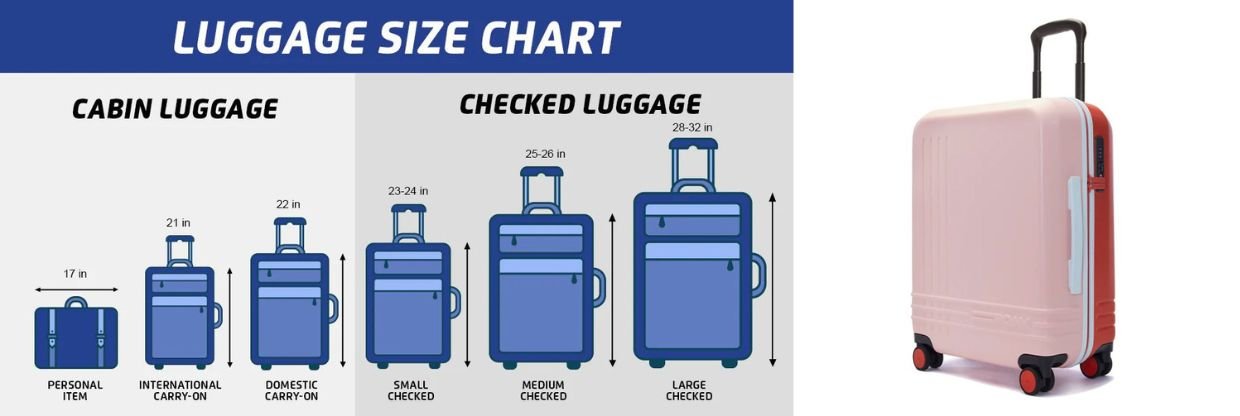
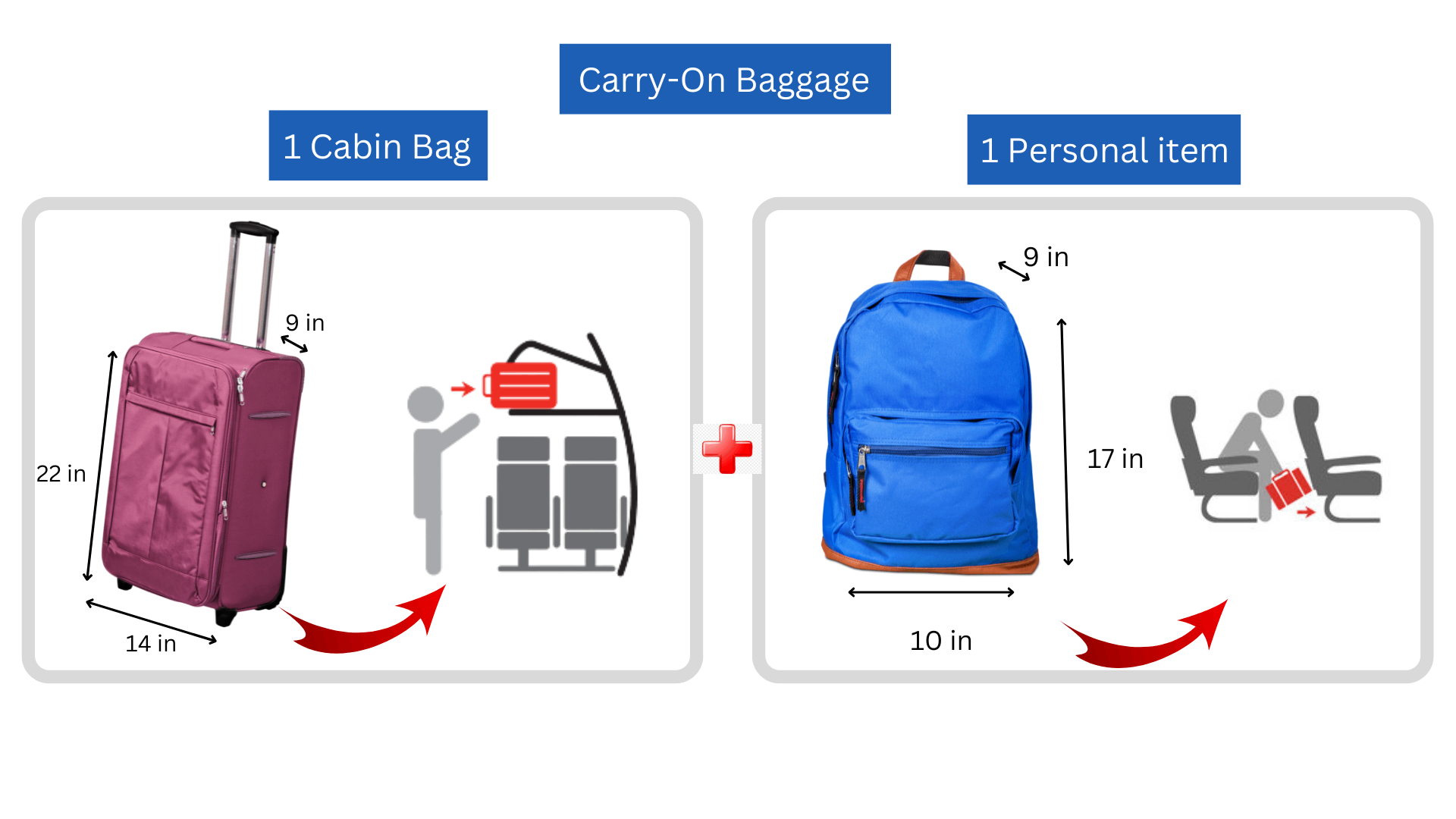
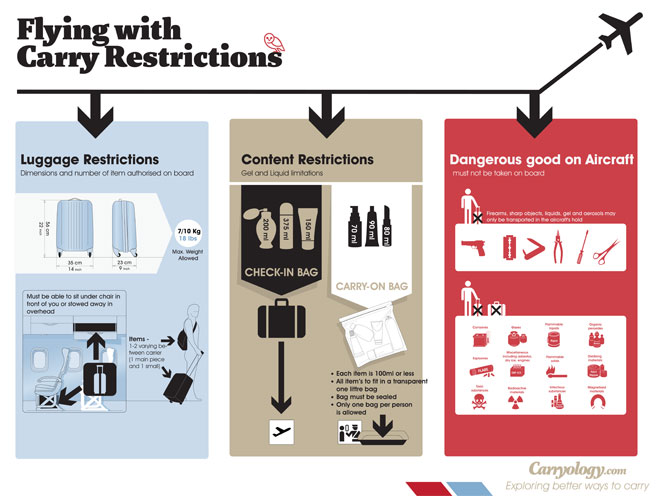
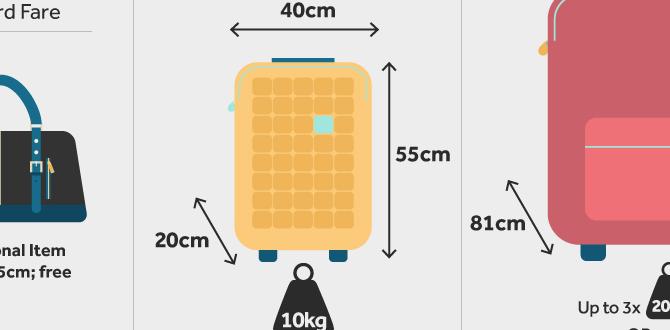
Understanding the size restrictions for carry-on luggage is fundamental. Most airlines specify that carry-on bags should not exceed 22 inches tall, 14 inches wide, and 9 inches deep. These dimensions are designed to fit comfortably in the overhead bin or under the seat in front of you, ensuring that the cabin remains clutter-free and that all passengers have ample legroom.
![Carry-On Luggage Size Chart And Allowances [2025]](https://www.thepointsanalyst.com/wp-content/uploads/2025/08/Image-9-1.jpeg)
A key aspect of carry-on guidelines involves the items that are prohibited or restricted in the cabin. The
Transportation Security Administration (TSA)provides detailed lists of what can and cannot be carried in carry-on luggage, including items like liquids, gels, and sharp objects. Being aware of these restrictions helps travelers pack wisely and avoid any issues during security checks.
Practical Tips for Packing
To make the most of your carry-on luggage, consider packing multi-use items and wearing your bulkiest or heaviest items, like coat and boots, on the plane to save space. Using packing cubes or organizers can also help maximize the space in your carry-on bag and make it easier to find what you need during the flight. This strategy can significantly reduce the weight and size of your luggage, making it easier to navigate through the airport and aboard the plane.

Packing light is another strategy that can make a big difference. By selecting items that are versatile and can serve multiple purposes, you can reduce the overall amount of luggage you need to carry. Moreover, taking advantage of the personal item allowance, which can include a purse, briefcase, or laptop bag, can provide additional space for essentials without exceeding carry-on limits.
In conclusion, being informed about carry-on luggage guidelines is not just about complying with airline rules; it's also about contributing to a safer, more efficient travel experience for all. By understanding and adhering to these guidelines, travelers can enjoy a hassle-free journey, from check-in to landing. Whether you're a seasoned traveler or embarking on your first flight, knowing how to manage your carry-on effectively can make all the difference in your travel enjoyment and success.
As the travel industry continues to evolve, so do the guidelines for carry-on luggage. Staying updated with the latest from airlines and regulatory bodies like the
Federal Aviation Administrationand the
Transportation Security Administrationis crucial. This not only ensures compliance with the rules but also supports the overall goal of enhancing air travel safety and comfort for everyone involved.