
Faa Regulations For Carry On Luggage
Hey there, fellow travelers! Have you ever found yourself standing in front of the airport security scanner, frantically trying to stuff your carry-on luggage into that tiny overhead bin? You're not alone! We've all been there, wondering how on earth we're supposed to fit our entire life into a tiny bag, while also adhering to the FAA regulations for carry-on luggage.
But before we dive into the nitty-gritty of those regulations, let's talk about why they're important. Think of the FAA as the air traffic control of luggage - they're there to ensure that everyone's stuff gets to where it needs to go, safely and efficiently. And just like how you wouldn't want to be stuck in a traffic jam on the highway, you don't want to be stuck on a plane with a bunch of oversized luggage, right?
The Basics of Carry-On Luggage
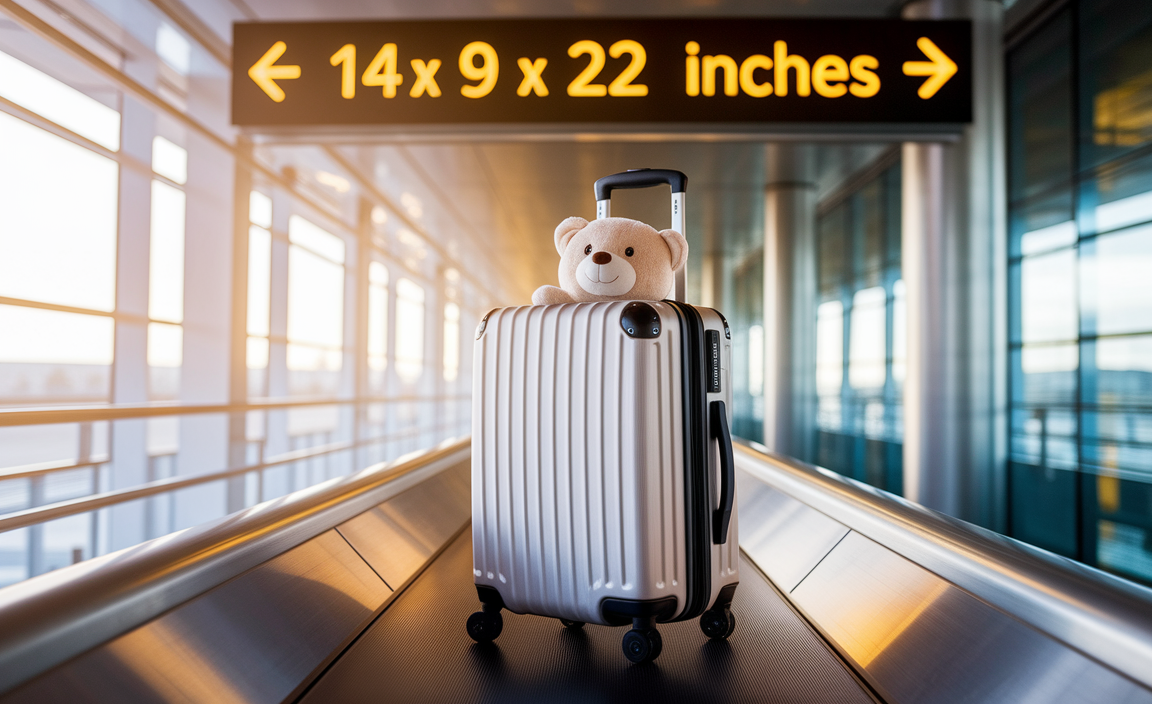
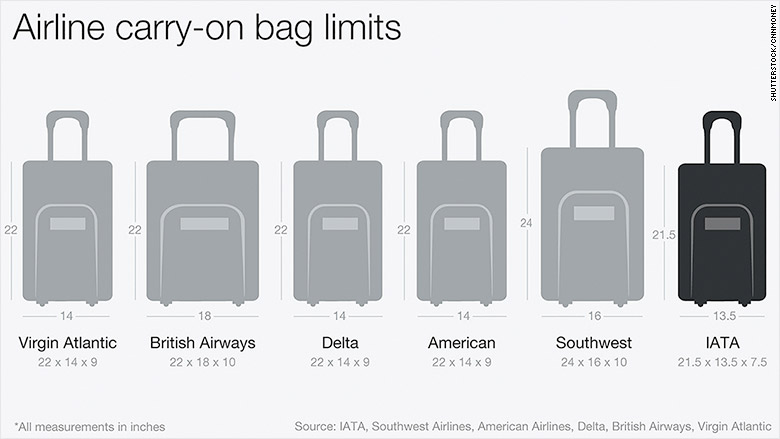
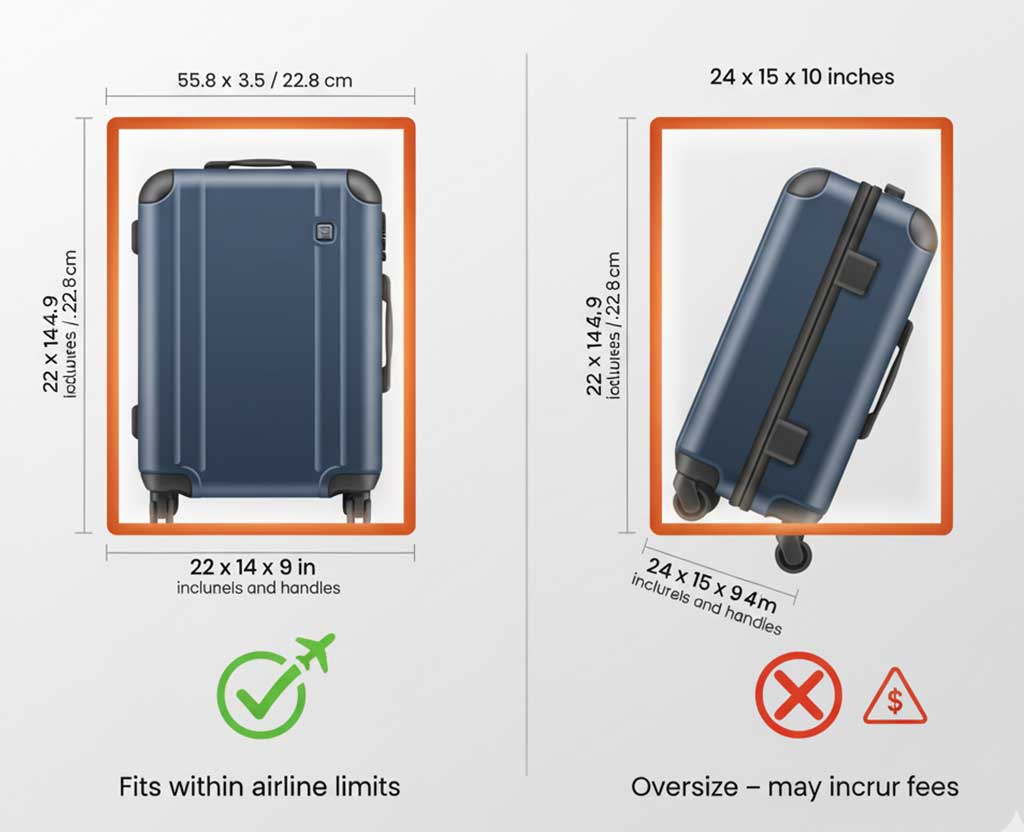
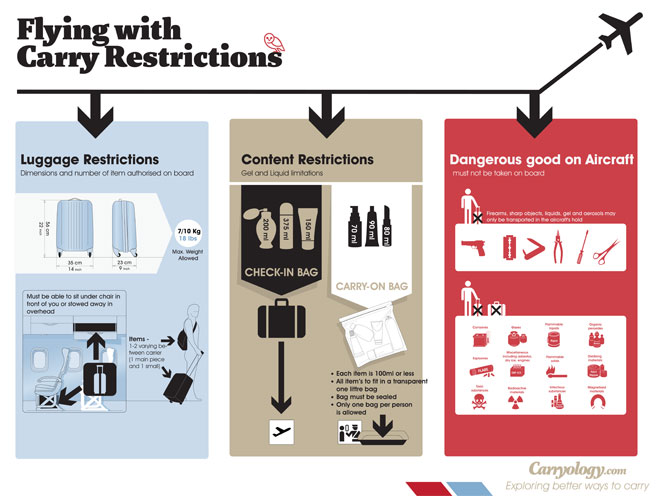
So, what exactly are the FAA regulations for carry-on luggage? In a nutshell, they're designed to ensure that your carry-on bag is small enough to fit in the overhead bin or under the seat in front of you. The standard size for carry-on luggage is 22 inches tall, 14 inches wide, and 9 inches deep - but be aware that some airlines may have slightly different size restrictions.
Must Read
And don't even get me started on the weight limit! Most airlines have a maximum weight limit of 40 pounds for carry-on luggage, but again, this can vary depending on the airline and the type of plane you're flying on. Just remember, you don't want to be that person who has to gate-check their bag because it's too big or too heavy!
Personal Items and Exceptions
Now, you might be wondering what counts as a personal item versus a carry-on bag. Generally speaking, a personal item is something like a purse, backpack, or laptop bag that can fit under the seat in front of you. But be aware that some airlines may have different definitions of what constitutes a personal item, so it's always a good idea to check with your airline before your flight.

And then there are the exceptions - items like strollers, car seats, and musical instruments that may not fit in the standard carry-on size or weight limits. In these cases, it's best to check with your airline ahead of time to see what their policies are and to make arrangements for your special item.
For example, if you're traveling with a stroller, you may be able to gate-check it or store it in a special stroller compartment on the plane. And if you're traveling with a musical instrument, you may be able to purchase a seat for it on the plane or store it in a special instrument compartment.

Tips and Tricks for Packing Carry-On Luggage
So, how can you avoid the hassle of having to gate-check your bag or deal with oversized luggage fees? The key is to pack smart! Choose a carry-on bag that's the right size for you, and pack lightly to avoid going over the weight limit.
One trick is to wear your heaviest items, like your coat and boots, on the plane to save space in your luggage. And don't forget to pack essentials like your phone charger and medications in a easily accessible place, just in case you need them during the flight.
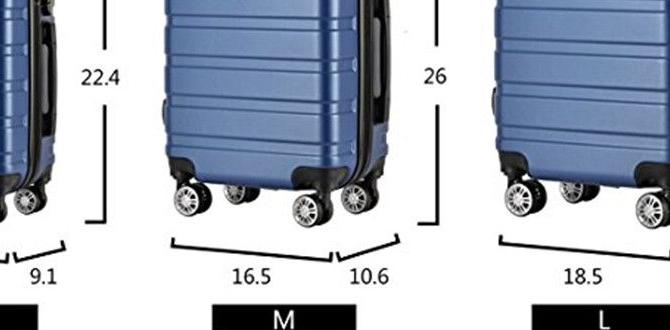
Another tip is to use packing cubes or compression bags to help you maximize space in your luggage. These can be especially helpful if you're trying to fit a lot of clothing or gear into a small space.
Common Mistakes to Avoid
Finally, let's talk about some common mistakes to avoid when it comes to carry-on luggage. One of the biggest mistakes is overpacking - trying to cram too much stuff into your carry-on bag and ending up with a bag that's too heavy or too large.
Another mistake is not checking with your airline ahead of time to see what their policies are on carry-on luggage. This can lead to delays or fees at the airport, which is definitely not what you want when you're trying to relax on your flight.
And finally, don't forget to label your luggage clearly with your name and contact information - this can help prevent lost luggage and make it easier to reclaim your bag if it does get lost.
In conclusion, following the FAA regulations for carry-on luggage is all about being prepared and packing smart. By choosing the right size bag, packing lightly, and avoiding common mistakes, you can avoid the hassle of oversized luggage fees and gate-checking your bag. Happy travels, everyone!

:max_bytes(150000):strip_icc()/carryon-infographic-one-CARRYON1220-cf8c04725c154902b9904f2ef5f257f5.jpg)