Faa Guidelines For Carry On Baggage
Getting ready for a flight can be a daunting task, especially when it comes to packing your carry-on baggage. You want to make sure you have everything you need, but you also don't want to get stuck at the gate with a bag that's too big or too heavy. The Federal Aviation Administration (FAA) has guidelines in place to help you navigate the process.
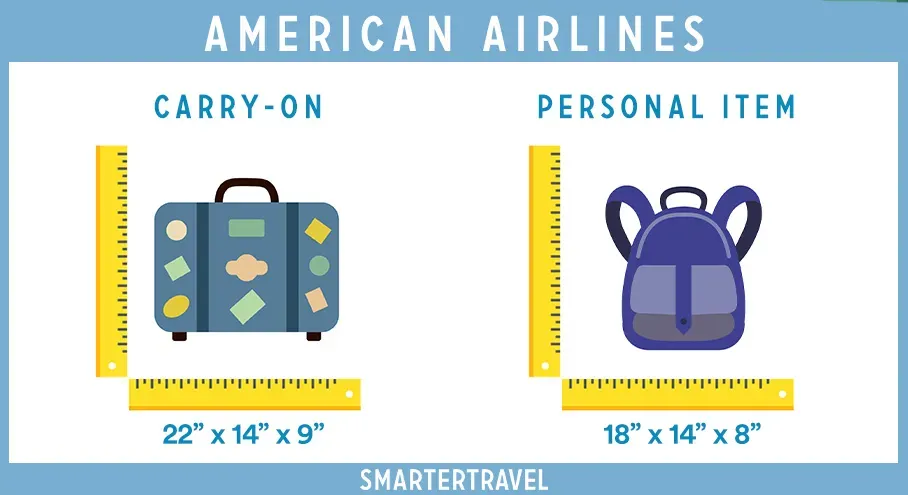
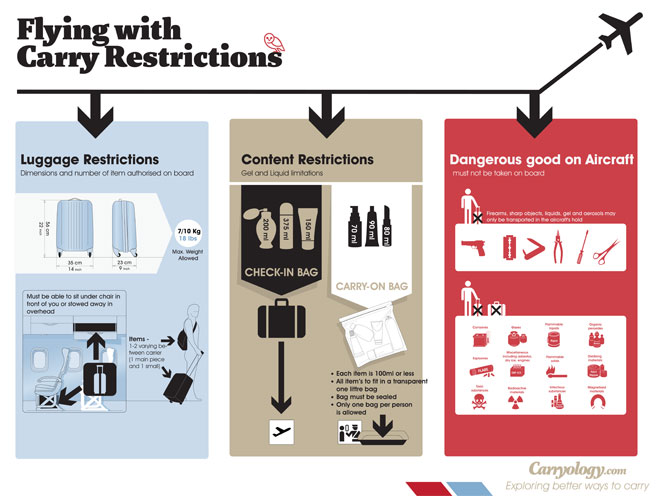
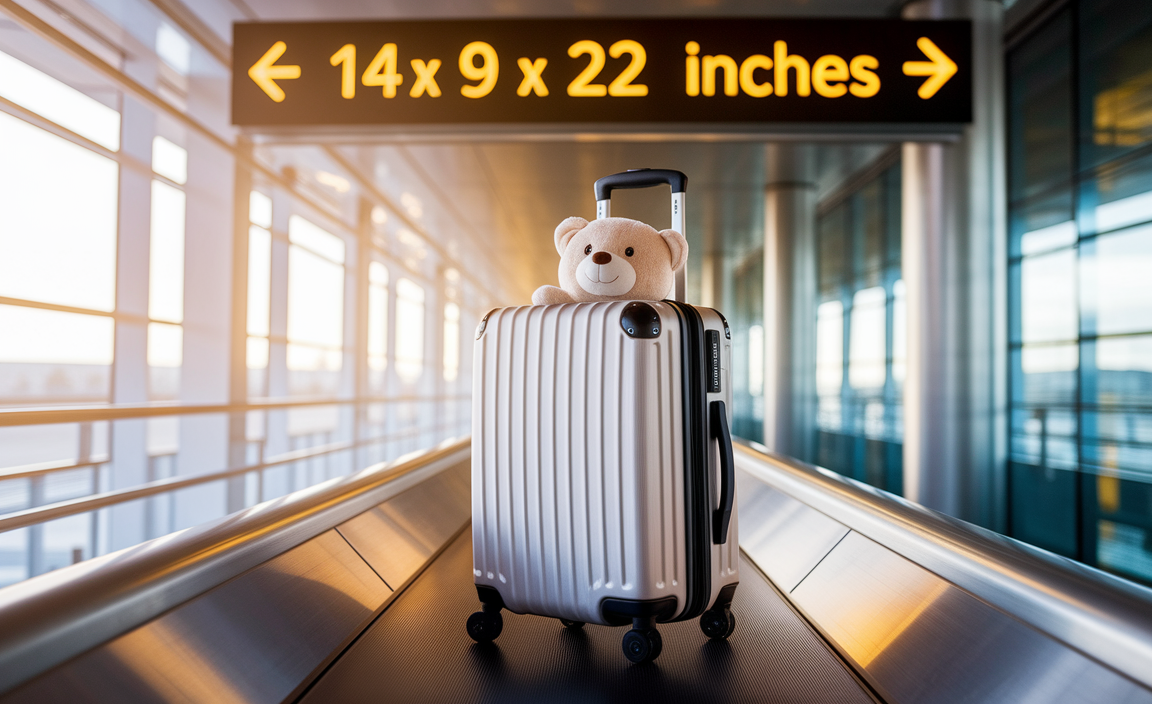
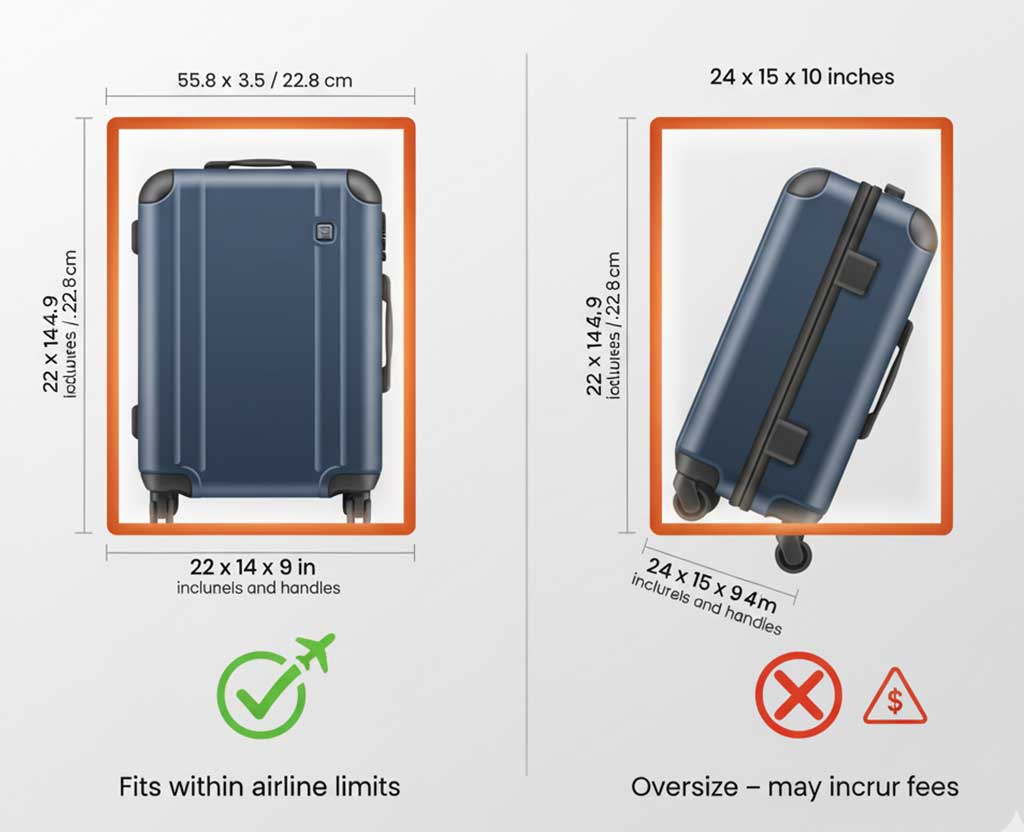
So, what are the FAA guidelines for carry-on baggage? In a nutshell, your carry-on bag should fit in the overhead bin or under the seat in front of you, and it should be no larger than 22 inches tall, 14 inches wide, and 9 inches deep. That's roughly the size of a small suitcase or a large backpack.
Size Matters
When it comes to carry-on bags, size really does matter. If your bag is too big, you might have to gate-check it, which means you'll have to wait at the gate for your bag to be returned to you after the flight lands. And trust us, you don't want to be that person waiting at the gate while everyone else is off enjoying their vacation.
The key is to pack smart, not hard. Instead of trying to cram everything into one huge bag, consider using a smaller bag and wearing your heaviest or bulkiest items, like your coat and boots, onto the plane. This will save you space in your bag and make it easier to get through security.
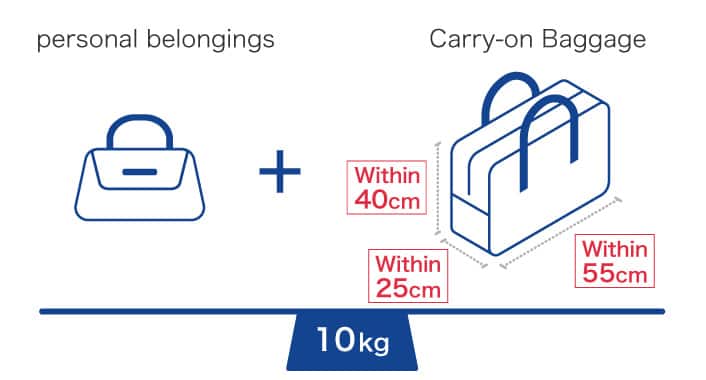
Another thing to keep in mind is that personal items, like purses, laptops, and cameras, are not considered part of your carry-on baggage. These items can be brought on board in addition to your carry-on bag, but they should be small enough to fit under the seat in front of you. Think of it like a free bonus bag!

Liquids and Gels
Now, let's talk about liquids and gels. We've all been there - standing at the security checkpoint, trying to remember if our shampoo is in a 3.4-ounce container or not. The FAA has strict guidelines when it comes to liquids and gels in carry-on bags, so make sure you're familiar with them before your next flight.
The 3-1-1 rule is a great way to remember the guidelines: 3 ounces or less per container, in a 1-quart zip-top bag, with only 1 bag per passenger. It's like a fun little game - can you fit all your liquids and gels into one tiny bag? And don't even get us started on exceptional items, like breast milk or baby formula - just remember to declare them at security and you'll be golden.
And finally, let's not forget about electronic devices. Your laptop, tablet, and phone are all allowed in your carry-on bag, but you might be asked to remove them at security. Just be prepared to pull them out and put them in a bin, and you'll be sailing through security in no time.
Happy Flying
With these FAA guidelines in mind, you'll be well on your way to a stress-free flight. Just remember to pack smart, follow the rules, and be kind to your fellow passengers. And if all else fails, you can always gate-check your bag and enjoy the extra legroom.
In all seriousness, following the FAA guidelines for carry-on baggage is important for your safety and the safety of those around you. So take a few minutes to review the rules, pack your bag with care, and get ready for a wonderful flight. Happy flying, everyone!
And one more thing - don't forget to check with your airline for their specific carry-on baggage policies. They might have additional rules or restrictions, so it's always a good idea to double-check before your flight. With a little planning and preparation, you'll be soaring through the skies in no time.
In conclusion, the FAA guidelines for carry-on baggage are in place to make your flying experience safer and more enjoyable. By following these simple rules, you can avoid the hassle and stress of gate-checking your bag or dealing with security issues. So next time you're packing for a flight, remember to pack smart, pack safe, and pack happy!
:max_bytes(150000):strip_icc()/carryon-infographic-one-CARRYON1220-cf8c04725c154902b9904f2ef5f257f5.jpg)