Destination Greatness: Where Is World Cup Final 2026 Being Played?

The world of sports is abuzz with excitement as the countdown to the 2026 FIFA World Cup begins. As one of the most widely viewed and followed sporting events globally, the World Cup brings together nations, cultures, and fans in a celebration of football, or soccer as it's known in some parts of the world. The question on everyone's mind right now is: where is the 2026 World Cup final being played? The answer to this is not just about the venue; it's about the experience, the culture, and the history that comes with hosting such a monumental event.
The history of the World Cup is rich and fascinating, filled with stories of underdogs, incredible comebacks, and legendary players. From its inception in 1930, the tournament has grown to include more teams, more countries, and more fans. The 2026 World Cup is particularly significant because it marks a new era in the tournament's history, with the expansion to 48 teams and the introduction of new technologies aimed at enhancing the viewer experience. But for fans and players alike, the real excitement lies in the camaraderie, the competition, and the quest for greatness that defines the World Cup.
Destination Greatness: Unveiling the Hosts
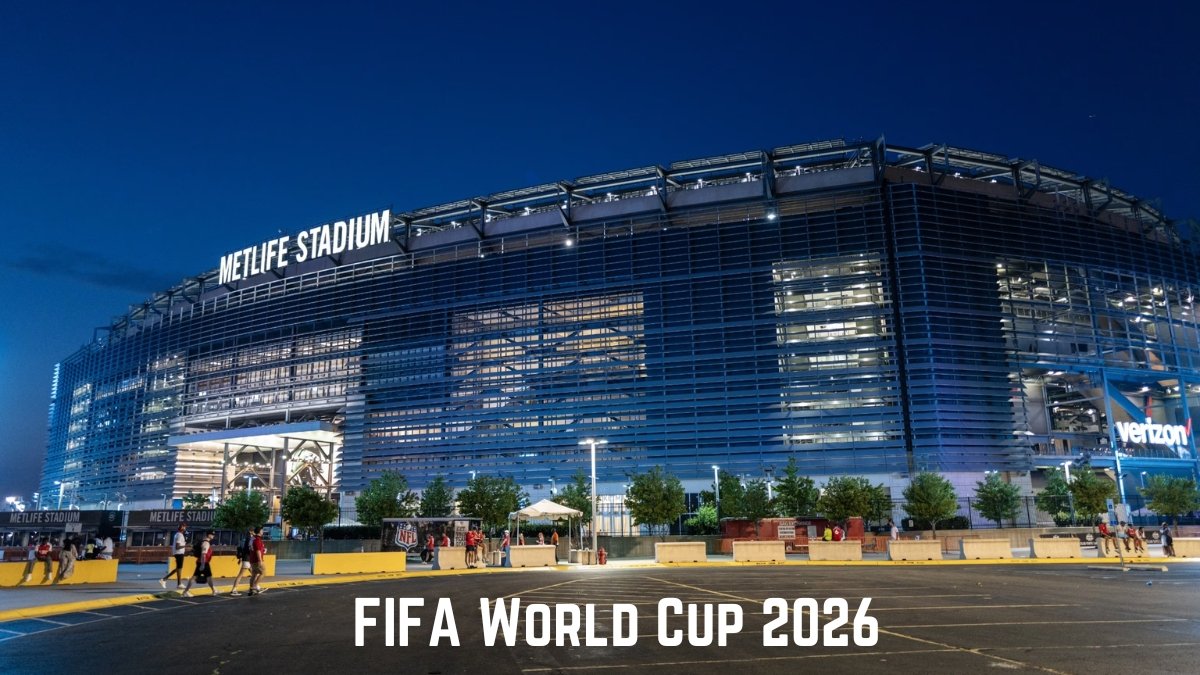
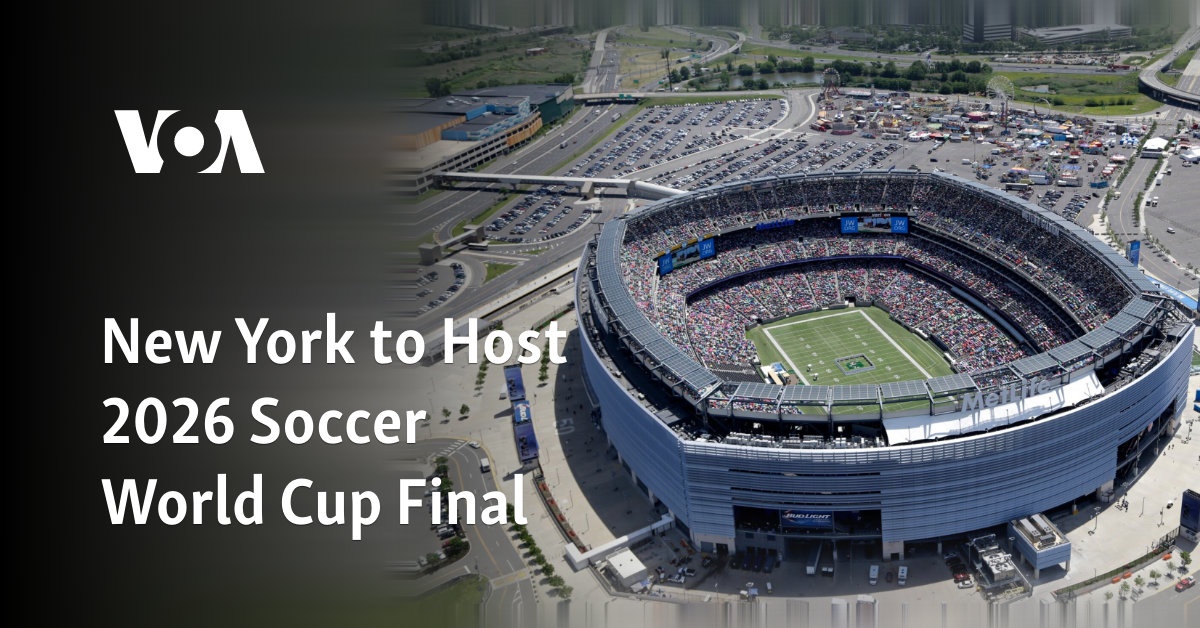
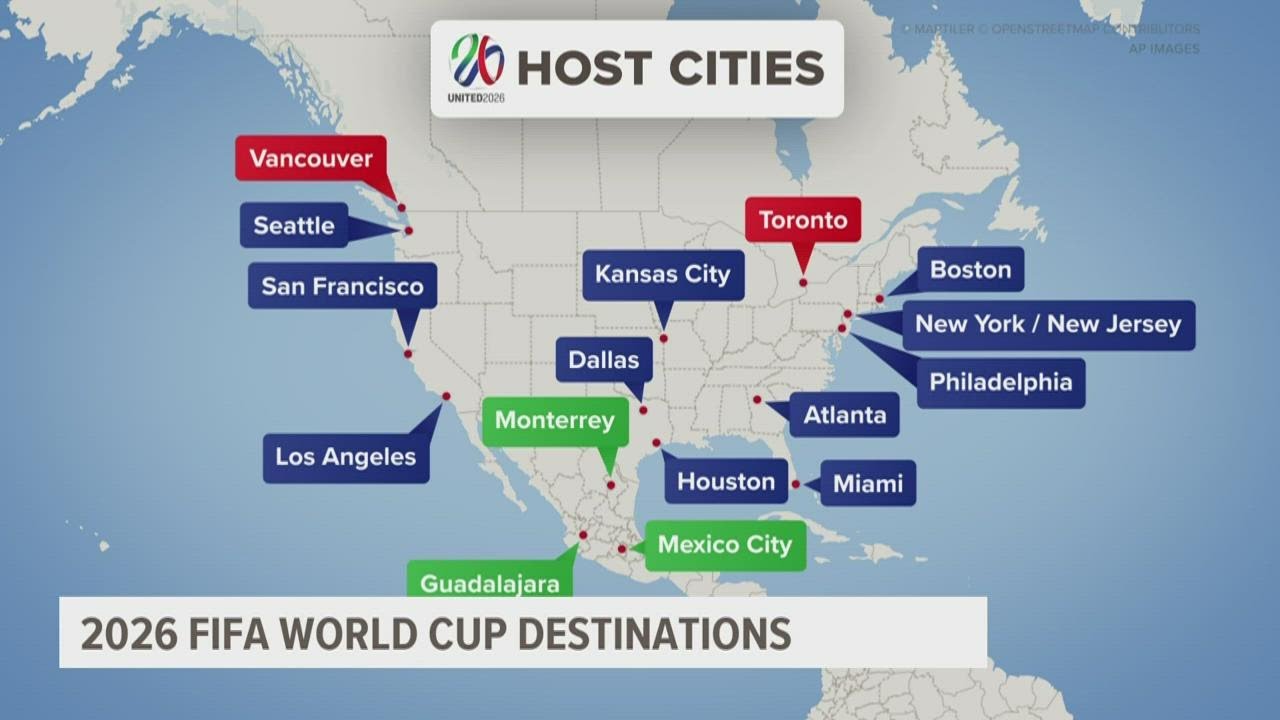
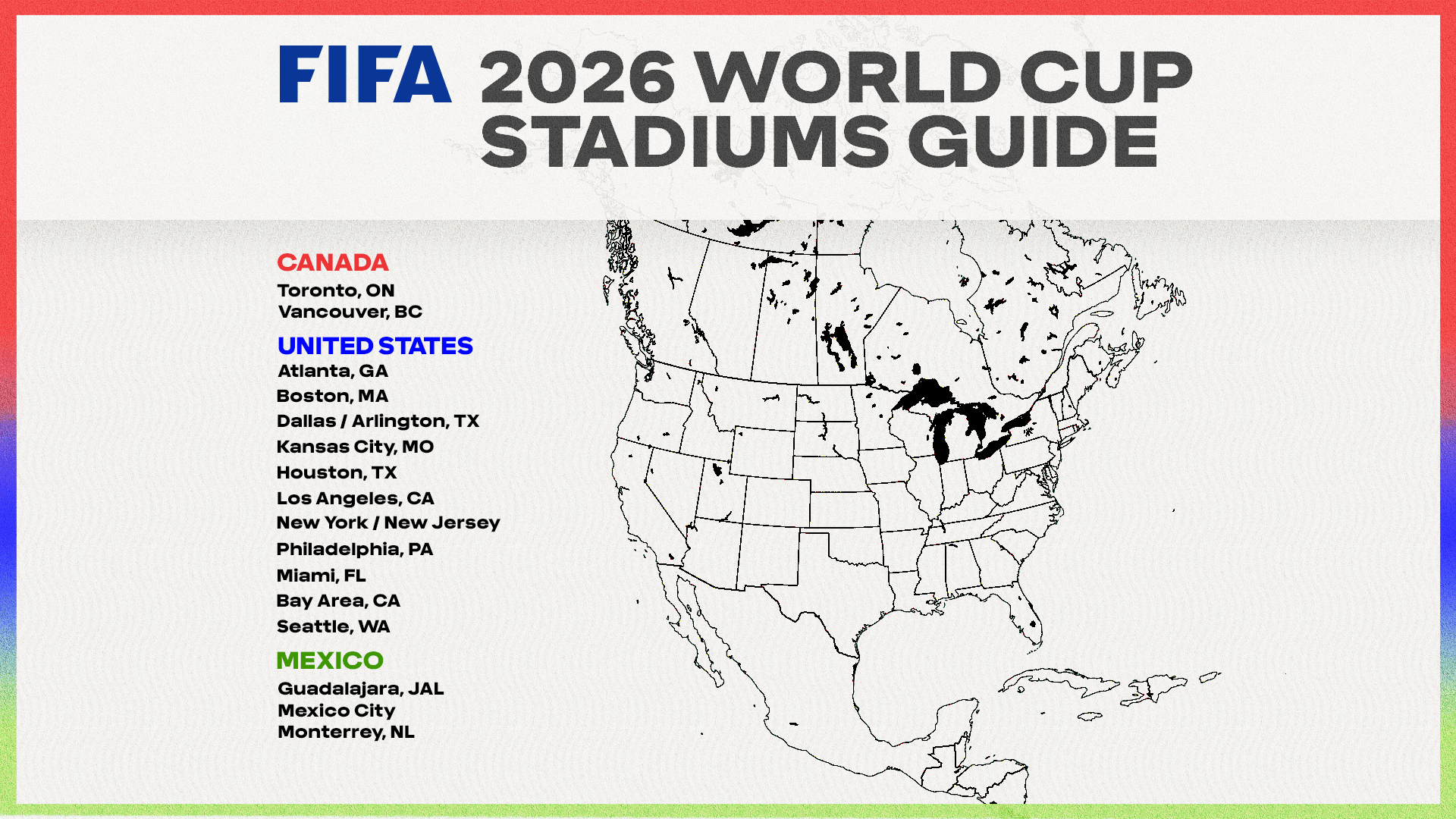
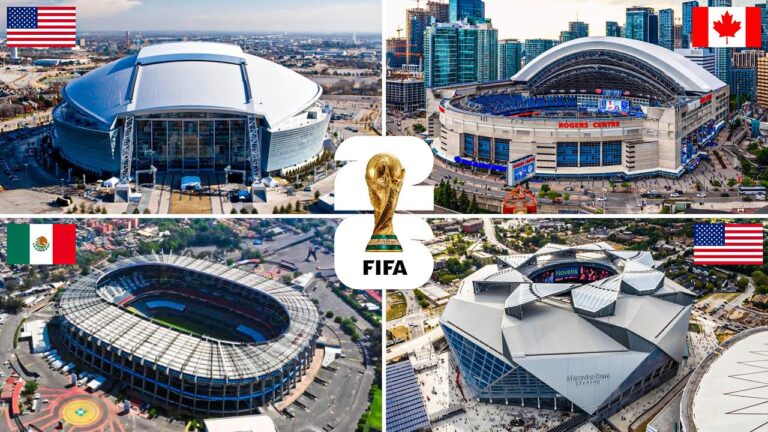
The 2026 FIFA World Cup is set to take place in three countries: the United States, Canada, and Mexico, making it the first tournament to be hosted by three nations. This decision is not only historic but also reflects the growing global nature of the sport. The United States will host the majority of the matches, including the final, which is slated to take place at the MetLife Stadium in New Jersey, just outside of New York City. This stadium, with its seating capacity of over 82,000, promises to provide an electric atmosphere for the culmination of the tournament.
Must Read
One of the lesser-known facts about the World Cup is the immense planning and logistics that go into selecting host cities and stadiums. Each venue must meet stringent criteria, from seating capacity and field quality to accessibility and security. The process is meticulous, ensuring that every aspect of the tournament, from the fan experience to player safety, is considered. For the 2026 World Cup, this means that fans will have the opportunity to experience the rich cultural diversity of North America, combining the vibrancy of football with the unique landscapes and cityscapes of the host countries.
The psychological aspect of playing in a World Cup final cannot be underestimated. Players who step onto the field for the final match are not just competing for their country; they are representing a nation's pride, hopes, and dreams. The pressure is immense, but so is the reward. For those who emerge victorious, the feeling of achievement is unparalleled, a moment that will be etched in their memories and the annals of football history forever. The cultural impact of such an event is also profound, transcending borders and languages to unite people in a shared moment of joy, disappointment, or triumph.
A Journey to Greatness
For fans planning to attend the 2026 World Cup, the journey begins long before the first kickoff. It's about navigating the complex ticketing system, planning itineraries that may span thousands of miles, and preparing for the vibrancy and chaos that comes with such a massive event. The host cities offer a blend of urban excitement and natural beauty, from the bustling streets of New York City to the serene landscapes of the Canadian wilderness. Each location presents a unique opportunity for cultural immersion, culinary exploration, and, of course, football fever.
Case studies of previous World Cups provide valuable insights into what makes a successful tournament. From the organizational prowess of the 2018 World Cup in Russia to the fan enthusiasm of the 2014 World Cup in Brazil, each event has its own story to tell. For the 2026 World Cup, the focus is on leveraging technology to enhance the fan experience, whether through virtual reality experiences, advanced stadium designs, or innovative ticketing systems. This blend of tradition and innovation promises to make the 2026 World Cup a truly memorable event.
For potential attendees, there are several actionable takeaways to consider. First, planning ahead is crucial, from booking accommodations early to understanding the local transportation systems. Second, being open to new experiences can greatly enhance the trip, whether it's trying local cuisine, visiting iconic landmarks, or engaging with fellow fans from around the world. Lastly, respecting local cultures and environments is essential, ensuring that the impact of the tournament is positive and lasting.
The scenarios that could play out during the 2026 World Cup are endless, filled with possibilities of epic matchups, surprising upsets, and historic victories. The tournament is a reminder that, in sports, anything can happen, and it's this unpredictability that keeps fans on the edge of their seats. Whether you're a die-hard football enthusiast or just caught up in the excitement, the World Cup has something for everyone, a celebration of sport, culture, and human connection.
Answers to Your Questions
What are the key dates for the 2026 FIFA World Cup?
The 2026 FIFA World Cup is scheduled to take place from June 8 to July 22, 2026. These dates are crucial for fans, players, and organizers alike, marking the period when the world will come together to celebrate football. The tournament's duration allows for a comprehensive competition schedule, including group stages, knockout rounds, and ultimately, the final match. Understanding these dates is essential for planning, whether it's booking travel arrangements, scheduling viewing parties, or simply marking your calendar for the big event.
The significance of these dates extends beyond the football community. They represent a time when nations put aside their differences, when cultures intersect, and when the world unites in a celebration of sport. For host cities, these dates are also critical, as they prepare to welcome thousands of visitors, ensuring that every fan has a memorable and safe experience. The lead-up to these dates is filled with anticipation, speculation, and preparation, culminating in a tournament that promises to be one of the most spectacular in history.
How can I purchase tickets for the 2026 World Cup final?
Purchasing tickets for the 2026 World Cup final will be a highly sought-after and potentially challenging experience. FIFA, the governing body of international football, oversees the ticketing process, which typically involves a lottery system for fans. This system aims to provide a fair and transparent way for individuals to acquire tickets, though demand usually far exceeds supply. For the final match, tickets are expected to be particularly coveted, given the historic nature of the event and the prestige of the MetLife Stadium.
The process of buying tickets will likely involve registering through the official FIFA website, followed by a random draw to determine successful applicants. Additionally, fans may have the opportunity to purchase tickets through their local football associations or via official resale platforms, though these options are subject to availability and terms set by FIFA. It's crucial for potential attendees to be wary of unauthorized sellers and to only use official channels to avoid scams and ensure the authenticity of their tickets.
What are the best ways to experience the 2026 World Cup if I'm not attending in person?
For those who cannot attend the 2026 World Cup in person, there are still numerous ways to experience the excitement and drama of the tournament. Watching matches on television or streaming them online provides a front-row seat to the action, with many networks offering comprehensive coverage, including pre-game shows, analysis, and post-match discussions. Additionally, fan zones and public viewing areas in cities around the world offer a communal experience, allowing fans to come together and cheer on their favorite teams in a festive atmosphere.
Technology also plays a significant role in enhancing the viewing experience. From virtual reality experiences that simulate being in the stadium to social media platforms where fans can share their reactions and connect with others worldwide, the digital landscape offers a wealth of ways to engage with the World Cup. Moreover, video games and fantasy football leagues provide an interactive element, allowing fans to participate in the tournament's excitement in a more hands-on way.
How does the 2026 World Cup impact local economies and communities?
The impact of the 2026 World Cup on local economies and communities is multifaceted. On one hand, the tournament brings significant economic benefits, from the creation of temporary jobs and the influx of tourism to the investment in infrastructure and public services. These investments can leave a lasting legacy, improving the quality of life for residents and enhancing the appeal of host cities for future visitors.
On the other hand, there are challenges to consider, such as the potential for increased costs of living, strain on local resources, and issues related to affordability and accessibility for local fans. It's essential for host cities and organizers to balance the needs of visitors with those of the community, ensuring that the benefits of the tournament are shared equitably and that its legacy is positive and enduring. This includes implementing sustainable practices, supporting local businesses, and engaging with the community in meaningful ways.
What role does technology play in the 2026 World Cup?
Technology is set to play a pivotal role in the 2026 World Cup, from the use of var (video assistant referee) technology to enhance refereeing decisions, to advanced player tracking systems that provide detailed insights into team and player performance. Additionally, innovations in broadcasting, such as 4K and 8K resolutions, and virtual reality experiences will offer fans unprecedented ways to engage with the tournament, providing a more immersive and interactive viewing experience.

The application of technology also extends to fan engagement, with social media platforms, mobile apps, and digital content offerings that allow fans to personalize their World Cup experience. Furthermore, technology is crucial in the areas of security, ticketing, and stadium operations, ensuring a safe, efficient, and enjoyable experience for all attendees. The integration of technology into the 2026 World Cup represents a significant step forward in the evolution of sports events, combining tradition with innovation to create a truly modern and captivating experience.
As we look forward to the 2026 World Cup, it's clear that this event connects deeply to our daily lives and human nature. The World Cup is more than just a football tournament; it's a reflection of our shared values, our passions, and our ability to come together in celebration of something greater than ourselves. Whether we're players, fans, or simply observers, the World Cup offers a unique lens through which we can view the world, highlighting our differences and our commonalities in equal measure.
The connection to human nature is particularly evident in the emotions that the World Cup evokes. From the euphoria of victory to the despair of defeat, the tournament underscores the deep emotional investment we have in sports and in our national identities. It also speaks to our desire for community and belonging, as fans gather in stadiums, fan zones, and living rooms around the world to share in the experience. This collective joy and sorrow create a bond that transcends borders, languages, and cultures, reminding us of our fundamental humanity.
In reflecting on the 2026 World Cup and its place in our lives, we're reminded of the power of sports to unite, to inspire, and to challenge us. As we prepare for this monumental event, we're not just looking forward to a tournament; we're anticipating a celebration of life, of culture, and of the human spirit. The journey to greatness, as embodied by the World Cup, is a reminder that our pursuits, whether in sports or in life, are driven by a common quest for excellence, for connection, and for the joy of the journey itself.