Cultural Significance Of Funeral Service Education In The Us

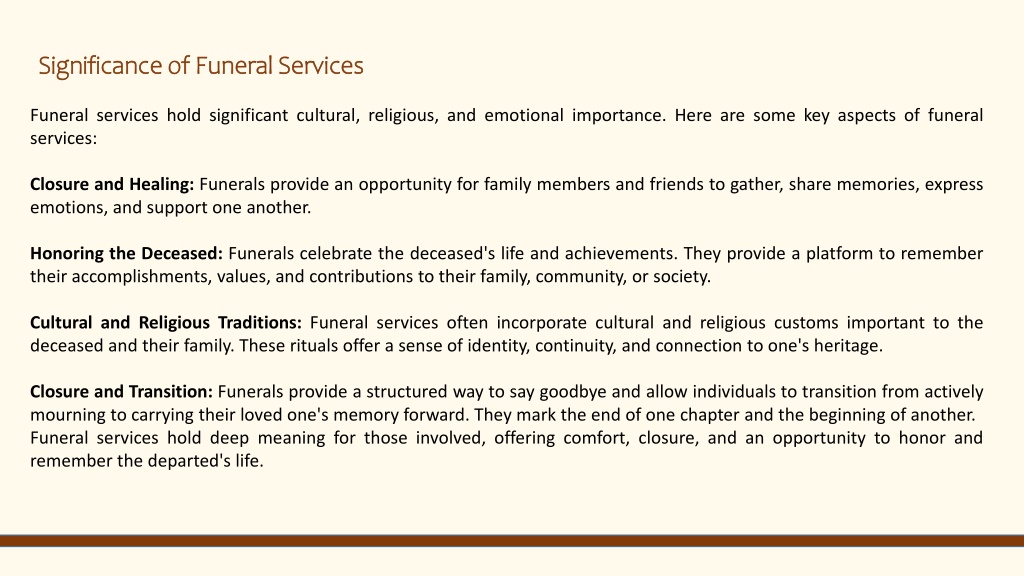
The concept of funeral service education in the US has undergone significant transformations over the years, evolving from a largely unregulated and informal profession to a highly specialized and respected field. The history of funeral service education dates back to the early 20th century, when the first formal programs were established to provide training for funeral directors and embalmers. Today, funeral service education plays a vital role in shaping the death care industry, enabling professionals to provide compassionate and dignified services to grieving families. As we delve into the world of funeral service education, we'll explore the fascinating history, cultural significance, and practical applications of this unique field.
Despite its importance, funeral service education remains a relatively unknown aspect of the death care industry. Many people are unaware of the extensive training and education that funeral directors and embalmers undergo to prepare for their roles. From the science of embalming to the art of grief counseling, funeral service education encompasses a broad range of topics that are both fascinating and unsettling. As we navigate the complexities of death and mourning, it's essential to recognize the critical role that funeral service education plays in shaping our cultural attitudes towards mortality. By examining the history, psychological aspects, and cultural impact of funeral service education, we can gain a deeper understanding of the significance of this field and its relevance to our daily lives.
The Evolution of Funeral Service Education
The early days of funeral service education were marked by a lack of standardization and regulation. Funeral directors and embalmers learned their trade through apprenticeships and on-the-job training, with little formal education or oversight. However, as the profession evolved, so did the need for formal education and training. The first funeral service programs were established in the early 20th century, with the goal of providing students with a comprehensive education in the science and art of funeral service. Today, funeral service education is a highly specialized field, with programs accredited by the American Board of Funeral Service Education (ABFSE) and the National Association of Colleges of Mortuary Science (NACMS).
Must Read
- Heart Of Mexico City Football: Pinpointing The Azteca Stadium Location
- Guadalajara Stadium Parking Guide: Avoid The Matchday Traffic
- Houston Stadium Bag Policy: Clear Bag Rules For Visitors
- Sofi Stadium Capacity: How Many Fans It Can Hold
- Reliant Stadium Parking: A Guide To The Old Name And Current Venue
One of the most significant developments in funeral service education has been the incorporation of psychology and sociology into the curriculum. As funeral directors and embalmers work closely with grieving families, it's essential that they understand the psychological and social aspects of bereavement. By studying the dynamics of grief and mourning, funeral service professionals can provide more compassionate and effective support to families in need. Additionally, the rise of death awareness movements has led to a greater emphasis on death education and grief counseling in funeral service programs.
Funeral service education also encompasses a range of technical skills, including embalming, restorative arts, and funeral directing. Students learn about the science of decomposition, the art of reconstructing the deceased, and the logistics of planning and coordinating funeral services. From the macabre to the mundane, funeral service education covers a broad spectrum of topics that are both fascinating and unsettling. As we explore the world of funeral service education, we'll encounter a range of dark and fun facts that reveal the complexities and nuances of this unique field.
Practical Applications and Cultural Significance
So, what are the practical applications of funeral service education? How does this field impact our daily lives and cultural attitudes towards mortality? One of the most significant ways that funeral service education influences our culture is through the death care industry. Funeral directors and embalmers play a critical role in shaping our experiences of death and mourning, from the planning of funeral services to the provision of grief support. By providing compassionate and dignified care, funeral service professionals help families navigate the complex and often painful process of bereavement.
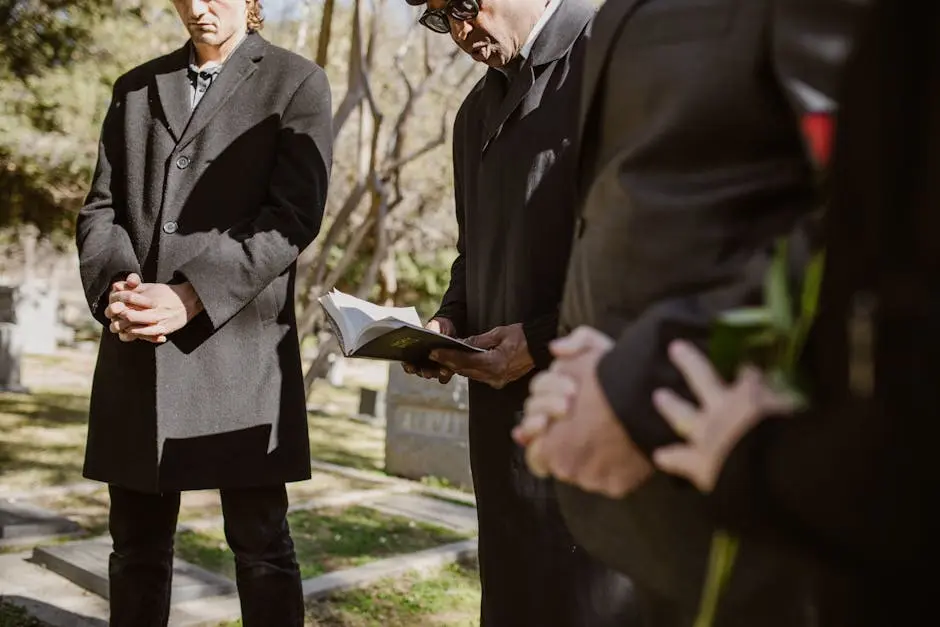
Funeral service education also has a profound impact on our cultural attitudes towards mortality. By studying the history and psychology of death and mourning, we can gain a deeper understanding of the ways in which our culture approaches and avoids death. From the taboos surrounding death to the rituals of mourning, funeral service education reveals the complexities and nuances of our cultural relationships with mortality. As we explore the practical applications of funeral service education, we'll encounter a range of scenarios and case studies that illustrate the significance of this field.
Another critical aspect of funeral service education is its emphasis on cultural sensitivity and diversity. As the US population becomes increasingly diverse, funeral service professionals must be equipped to serve families from a range of cultural backgrounds. By studying the traditions and customs of different cultures, funeral directors and embalmers can provide more effective and compassionate care to families in need. From the traditional to the unconventional, funeral service education encompasses a broad range of cultural practices and traditions that are essential to our understanding of mortality and bereavement.
Finally, funeral service education has a significant impact on our personal relationships and emotional well-being. By understanding the psychology and sociology of grief and mourning, we can develop more effective coping strategies and support networks. Whether we're dealing with the loss of a loved one or navigating the complexities of bereavement, funeral service education provides us with a range of actionable takeaways and practical insights that can help us navigate the challenges of mortality and mourning.
Frequently Asked Questions
What is the history of funeral service education in the US?
The history of funeral service education in the US dates back to the early 20th century, when the first formal programs were established to provide training for funeral directors and embalmers. Over the years, funeral service education has evolved to become a highly specialized and respected field, with programs accredited by the American Board of Funeral Service Education (ABFSE) and the National Association of Colleges of Mortuary Science (NACMS). Today, funeral service education encompasses a broad range of topics, including the science of embalming, the art of grief counseling, and the logistics of planning and coordinating funeral services.

As we explore the history of funeral service education, we'll encounter a range of fascinating facts and dark secrets that reveal the complexities and nuances of this unique field. From the early days of funeral service education to the modern era, we'll examine the ways in which this field has shaped our cultural attitudes towards mortality and bereavement. Whether we're interested in the technical skills of embalming or the psychological aspects of grief counseling, funeral service education has something to offer everyone.
How does funeral service education impact our cultural attitudes towards mortality?
Funeral service education has a profound impact on our cultural attitudes towards mortality, shaping our experiences of death and mourning in ways that are both subtle and profound. By studying the history and psychology of death and mourning, we can gain a deeper understanding of the ways in which our culture approaches and avoids death. From the taboos surrounding death to the rituals of mourning, funeral service education reveals the complexities and nuances of our cultural relationships with mortality.
As we explore the ways in which funeral service education influences our cultural attitudes towards mortality, we'll encounter a range of cultural references and historical examples that illustrate the significance of this field. From the traditional to the unconventional, funeral service education encompasses a broad range of cultural practices and traditions that are essential to our understanding of mortality and bereavement. Whether we're interested in the sociology of death and mourning or the psychology of grief and bereavement, funeral service education has something to offer everyone.
What are the practical applications of funeral service education?
The practical applications of funeral service education are diverse and far-reaching, influencing our daily lives and cultural attitudes towards mortality in ways that are both subtle and profound. From the death care industry to the grief support networks, funeral service education plays a critical role in shaping our experiences of death and mourning. Whether we're dealing with the loss of a loved one or navigating the complexities of bereavement, funeral service education provides us with a range of actionable takeaways and practical insights that can help us navigate the challenges of mortality and mourning.
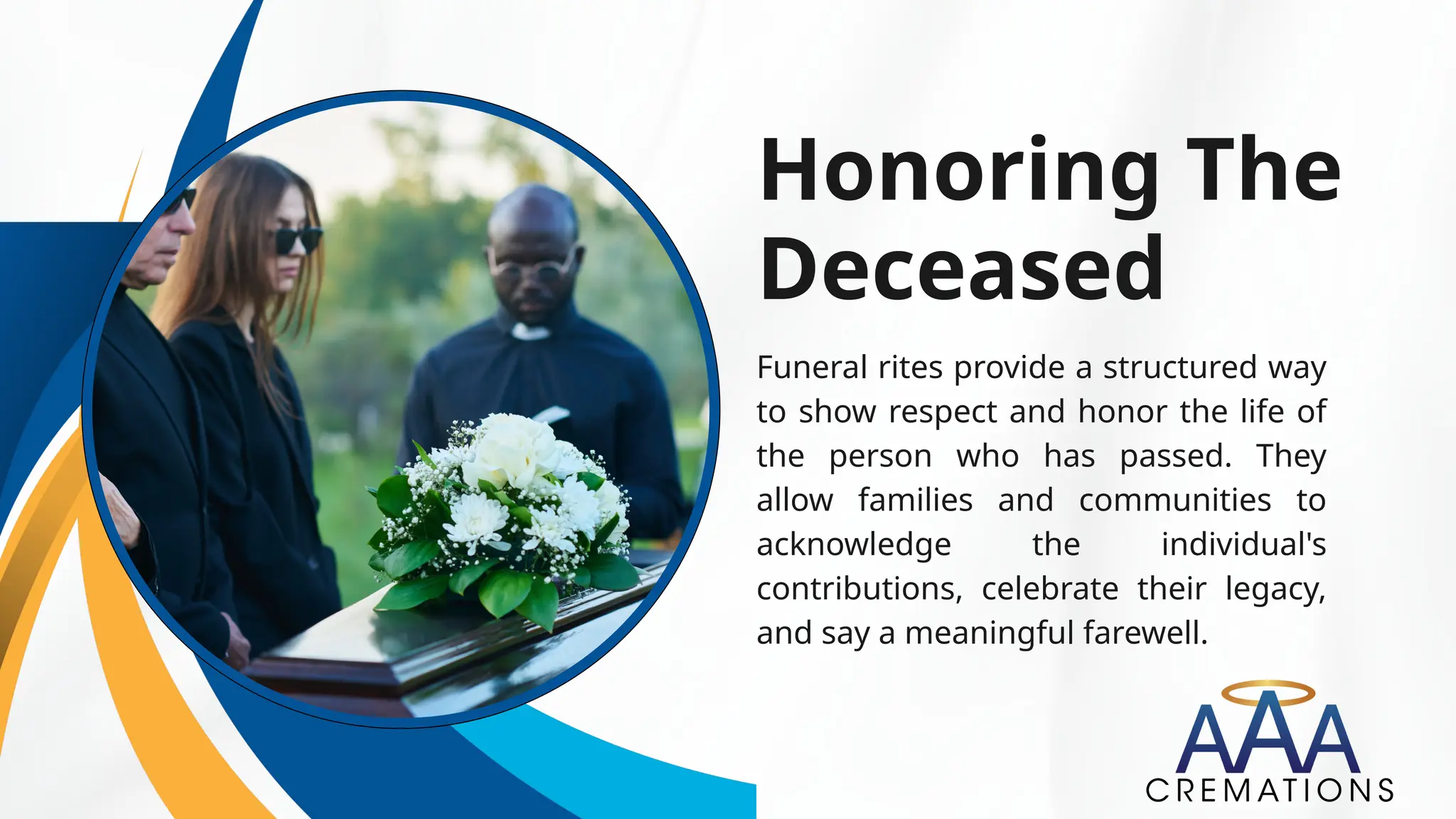
As we explore the practical applications of funeral service education, we'll encounter a range of scenarios and case studies that illustrate the significance of this field. From the technical skills of embalming to the psychological aspects of grief counseling, funeral service education encompasses a broad range of topics that are essential to our understanding of mortality and bereavement. Whether we're interested in the cultural sensitivity of funeral service or the diversity of death care practices, funeral service education has something to offer everyone.
How does funeral service education influence our personal relationships and emotional well-being?
Funeral service education has a significant impact on our personal relationships and emotional well-being, providing us with a range of actionable takeaways and practical insights that can help us navigate the challenges of mortality and mourning. By understanding the psychology and sociology of grief and mourning, we can develop more effective coping strategies and support networks. Whether we're dealing with the loss of a loved one or navigating the complexities of bereavement, funeral service education provides us with a range of tools and resources that can help us heal and recover.
As we explore the ways in which funeral service education influences our personal relationships and emotional well-being, we'll encounter a range of cultural references and historical examples that illustrate the significance of this field. From the traditional to the unconventional, funeral service education encompasses a broad range of cultural practices and traditions that are essential to our understanding of mortality and bereavement. Whether we're interested in the sociology of death and mourning or the psychology of grief and bereavement, funeral service education has something to offer everyone.
What are the future directions of funeral service education?
The future directions of funeral service education are diverse and exciting, reflecting the evolving needs and priorities of the death care industry. As the US population becomes increasingly diverse, funeral service education must adapt to meet the needs of families from a range of cultural backgrounds. From the integration of technology to the emphasis on cultural sensitivity, funeral service education is poised to play an increasingly important role in shaping our cultural attitudes towards mortality and bereavement.
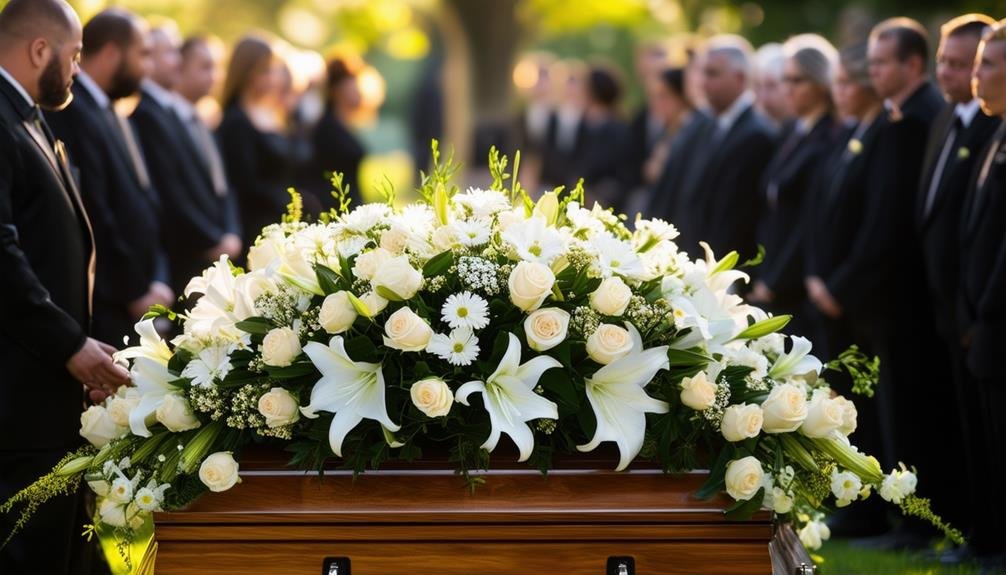
As we explore the future directions of funeral service education, we'll encounter a range of innovative approaches and emerging trends that illustrate the significance of this field. From the death awareness movements to the grief support networks, funeral service education encompasses a broad range of topics that are essential to our understanding of mortality and bereavement. Whether we're interested in the technical skills of embalming or the psychological aspects of grief counseling, funeral service education has something to offer everyone.
As we reflect on the cultural significance of funeral service education in the US, we're reminded of the complex and often painful process of bereavement. From the dark humor of the funeral industry to the poignant beauty of mourning rituals, funeral service education reveals the intricacies and nuances of our cultural relationships with mortality. Whether we're interested in the history of funeral service education or the practical applications of this field, we can gain a deeper understanding of the ways in which our culture approaches and avoids death.
One of the most significant ways that funeral service education connects to our daily lives is through the death care industry. Funeral directors and embalmers play a critical role in shaping our experiences of death and mourning, from the planning of funeral services to the provision of grief support. By providing compassionate and dignified care, funeral service professionals help families navigate the complex and often painful process of bereavement. As we explore the world of funeral service education, we'll encounter a range of scenarios and case studies that illustrate the significance of this field.
Finally, funeral service education has a profound impact on our human nature, revealing the complexities and nuances of our cultural relationships with mortality. By studying the psychology and sociology of grief and mourning, we can gain a deeper understanding of the ways in which our culture approaches and avoids death. From the taboos surrounding death to the rituals of mourning, funeral service education encompasses a broad range of topics that are essential to our understanding of mortality and bereavement. As we reflect on the cultural significance of funeral service education, we're reminded of the importance of this field in shaping our experiences of death and mourning.