Continuing Education Requirements For Funeral Directors
The profession of funeral directing has been a cornerstone of human society for centuries, providing a necessary service to families and communities in times of grief. The earliest recorded evidence of funeral practices dates back to ancient civilizations, such as the Egyptians and Greeks, who believed in honoring the dead with elaborate rituals and ceremonies. As societies evolved, so did the role of the funeral director, adapting to changing cultural, social, and economic conditions. In the past, funeral directors were often seen as respected members of their communities, tasked with not only preparing the deceased for burial but also providing emotional support to the bereaved.
One of the most significant milestones in the evolution of funeral directing was the establishment of the first funeral homes in the late 19th century. These early funeral homes were often family-owned and operated, with the funeral director playing a central role in the community. They were not only responsible for preparing the deceased for burial but also for providing counseling and support to families during the grieving process. The 1880s saw the rise of funeral directing as a profession, with the formation of the first professional associations and the development of standardized training programs. The National Funeral Directors Association (NFDA), founded in 1882, played a pivotal role in shaping the profession, advocating for higher standards and best practices in funeral service.
As the profession continued to evolve, funeral directors began to recognize the importance of continuing education in staying up-to-date with the latest trends, technologies, and regulatory requirements. The 1960s saw a significant increase in the number of funeral directors pursuing higher education and specialized training, with many universities and colleges offering degree programs in funeral service. This shift towards professionalization and specialization marked a significant turning point in the history of funeral directing, as funeral directors began to be recognized as skilled professionals rather than simply undertakers or morticians. The work of Dr. Alan Wolfelt, a renowned expert in grief counseling and funeral service, has been instrumental in promoting the importance of continuing education and professional development in the field.
Must Read
- Heart Of Mexico City Football: Pinpointing The Azteca Stadium Location
- Guadalajara Stadium Parking Guide: Avoid The Matchday Traffic
- Houston Stadium Bag Policy: Clear Bag Rules For Visitors
- Sofi Stadium Capacity: How Many Fans It Can Hold
- Reliant Stadium Parking: A Guide To The Old Name And Current Venue
The Evolution of Continuing Education Requirements
The concept of continuing education for funeral directors has undergone significant transformations over the years. In the 1970s and 1980s, continuing education requirements were largely limited to occasional workshops and seminars, often focused on practical skills such as embalming and restorative arts. However, as the profession became more sophisticated, the need for more comprehensive and regular continuing education became apparent. The 1990s saw the introduction of mandatory continuing education requirements in many states, with funeral directors required to complete a minimum number of hours of training each year to maintain their licensure.
One of the most significant challenges facing the funeral industry in recent years has been the rise of cremation as a popular alternative to traditional burial. This shift has required funeral directors to adapt their services and offerings to meet changing consumer demands, with many funeral homes now providing cremation services and memorialization options. The 2000s saw a significant increase in the number of funeral directors pursuing specialized training in cremation and memorialization, with many professional associations offering certification programs and workshops. The development of green funeral practices and eco-friendly burial options has also become a growing trend, with funeral directors incorporating sustainable practices and environmentally friendly products into their services.

Despite the many advancements in the field, funeral directing remains a profession rooted in tradition and heritage. Many funeral homes continue to be family-owned and operated, with funeral directors taking great pride in their work and commitment to serving their communities. The National Funeral Directors Association (NFDA) has played a vital role in promoting the importance of continuing education and professional development, recognizing that funeral directors must stay up-to-date with the latest trends and technologies to provide the best possible service to families. The 2010s have seen a significant increase in the use of technology in funeral service, with many funeral homes now using online platforms and social media to connect with families and provide virtual memorialization options.
The rise of death care as a distinct field of study has also led to a greater emphasis on the importance of continuing education in funeral directing. Funeral directors are now expected to be knowledgeable about a wide range of topics, from grief counseling and thanatology to business management and marketing. The development of death education programs and end-of-life care training has become increasingly popular, with many universities and colleges offering degree programs and certification courses in these areas. As the profession continues to evolve, it is likely that continuing education requirements will become even more stringent, with funeral directors required to demonstrate expertise in a wide range of areas.
Modernizing Classic Principles
Classic principles of funeral directing, such as respect for the deceased and compassion for the bereaved, remain essential components of the profession. However, the way in which these principles are applied has undergone significant changes in recent years. The rise of personalization and customization in funeral service has led to a greater emphasis on creating unique and meaningful experiences for families, with funeral directors using a range of techniques and technologies to create personalized tributes and memorials. The use of social media and online platforms has also become increasingly popular, with many funeral homes now using these tools to connect with families and provide virtual support and counseling.

Despite the many advancements in the field, funeral directing remains a profession that is deeply rooted in tradition and heritage. Many funeral homes continue to be family-owned and operated, with funeral directors taking great pride in their work and commitment to serving their communities. The importance of community involvement and social responsibility has become a growing trend in the funeral industry, with many funeral directors recognizing the need to engage with their communities and provide support and resources to those in need. The development of partnerships and collaborations between funeral homes and other organizations, such as hospices and bereavement centers, has also become increasingly popular, with many funeral directors recognizing the benefits of working together to provide comprehensive care and support to families.
Frequently Asked Questions
What are the current continuing education requirements for funeral directors?
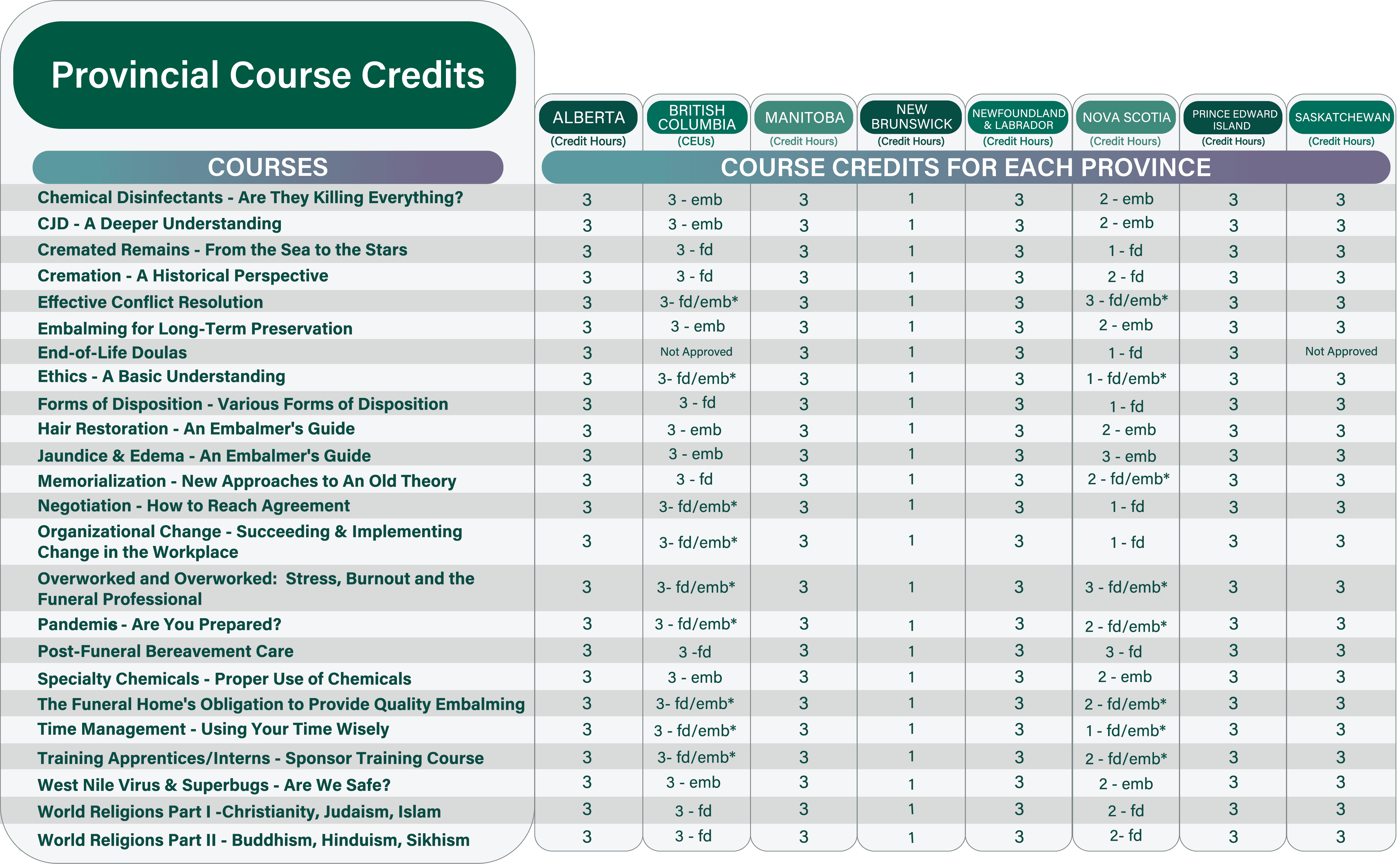
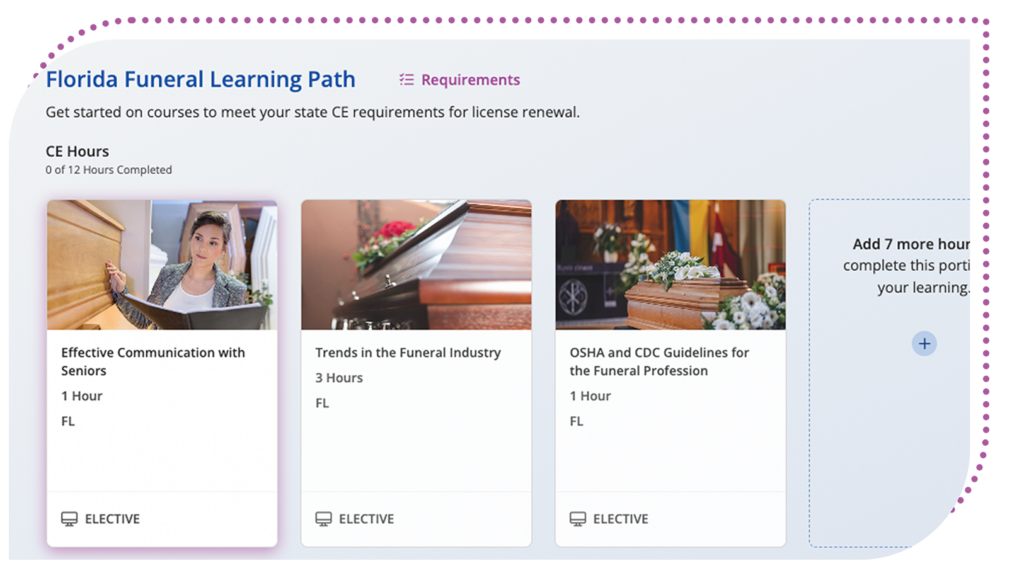
The current continuing education requirements for funeral directors vary from state to state, with some states requiring a minimum number of hours of training each year to maintain licensure. The National Funeral Directors Association (NFDA) recommends that funeral directors complete a minimum of 10 hours of continuing education each year, with a focus on topics such as grief counseling, thanatology, and business management. Many states also require funeral directors to complete specialized training in areas such as cremation and memorialization, with some states requiring certification in these areas.
Despite the variation in continuing education requirements from state to state, there is a growing recognition of the importance of ongoing training and professional development in the funeral industry. The NFDA has played a vital role in promoting the importance of continuing education, recognizing that funeral directors must stay up-to-date with the latest trends and technologies to provide the best possible service to families. The development of online learning platforms and distance education programs has also made it easier for funeral directors to access continuing education opportunities, with many programs now offering flexible and convenient scheduling options.
How has the rise of cremation affected the funeral industry?
The rise of cremation as a popular alternative to traditional burial has had a significant impact on the funeral industry, with many funeral homes now providing cremation services and memorialization options. The 1980s saw a significant increase in the number of cremations, with many families opting for this more affordable and environmentally friendly option. The development of cremation certification programs and specialized training has become increasingly popular, with many funeral directors pursuing certification in this area. The NFDA has also recognized the importance of cremation, offering a range of resources and training programs to help funeral directors provide high-quality cremation services to families.
Despite the many benefits of cremation, there are also challenges associated with this trend. The 2000s saw a significant increase in the number of direct cremations, with many families opting for this more affordable option. However, this trend has also led to concerns about the commercialization of death care, with some funeral homes prioritizing profits over people. The NFDA has recognized the need for funeral directors to balance the demands of a changing market with the need to provide compassionate and personalized care to families, promoting the importance of professional integrity and ethical practice in the funeral industry.
What role will technology play in the future of funeral directing?
Technology is likely to play a significant role in the future of funeral directing, with many funeral homes now using online platforms and social media to connect with families and provide virtual memorialization options. The development of virtual reality and augmented reality technologies has also become increasingly popular, with some funeral homes using these tools to create immersive and interactive experiences for families. The NFDA has recognized the potential of technology to enhance the funeral experience, promoting the importance of innovation and adaptability in the funeral industry.
Despite the many benefits of technology, there are also challenges associated with this trend. The 2010s saw a significant increase in the number of online funeral platforms, with many companies offering virtual funeral services and memorialization options. However, this trend has also led to concerns about the disintermediation of traditional funeral homes, with some families opting for online funeral services rather than traditional funeral homes. The NFDA has recognized the need for funeral directors to adapt to a changing market, promoting the importance of digital literacy and online engagement in the funeral industry.
As we look to the future, it is clear that the profession of funeral directing will continue to evolve and adapt to changing societal needs and technological advancements. The next 20 years will likely see significant changes in the way funeral directors provide services to families, with a growing emphasis on personalization, customization, and technology. The development of new business models and innovative practices will also become increasingly popular, with many funeral homes exploring new ways to provide high-quality care and support to families.
Despite the many challenges and uncertainties facing the funeral industry, there is a growing recognition of the importance of funeral directors in providing compassionate and personalized care to families. The NFDA has played a vital role in promoting the importance of funeral directing, recognizing that funeral directors are not just providers of funeral services but also caregivers, counselors, and community leaders. As we look to the future, it is clear that the profession of funeral directing will continue to play a vital role in supporting families and communities in times of grief, providing a necessary service that is both meaningful and essential.