Carry On Luggage With United Airlines
When traveling with United Airlines, one of the most crucial aspects to consider is the carry-on luggage. Understanding the ins and outs of carry-on policies can make a significant difference in the overall travel experience. From a biomechanical perspective, navigating through crowded airports with excessively large or heavy luggage can lead to musculoskeletal fatigue and decrease travel efficiency. Thus, optimizing carry-on luggage is not just about adhering to airline rules but also about promoting ergonomic and comfortable travel practices.
The aerodynamics of flight and the logistics of airline operations also play a critical role in how carry-on luggage is managed. For instance, the air pressure changes during flight can affect the size and shape of luggage, potentially causing issues with storage in overhead compartments. Moreover, the psychological impact of carefully selecting and packing luggage should not be overlooked. The stress of potentially having to gate-check a bag due to lack of space can be mitigated by understanding and adhering to United Airlines' carry-on policies.
From a physiological standpoint, the act of packing and carrying luggage involves complex motor skills and decision-making processes. The cognitive load associated with ensuring that luggage meets all requirements (size, weight, content) can be significant, especially for frequent travelers who must adapt to variable airline policies. Therefore, developing a systematic approach to packing and managing carry-on luggage can reduce stress and enhance the travel experience, aligning with the principles of behavioral psychology that advocate for routine and preparation to manage anxiety.
Must Read
Understanding Carry-On Luggage Policies
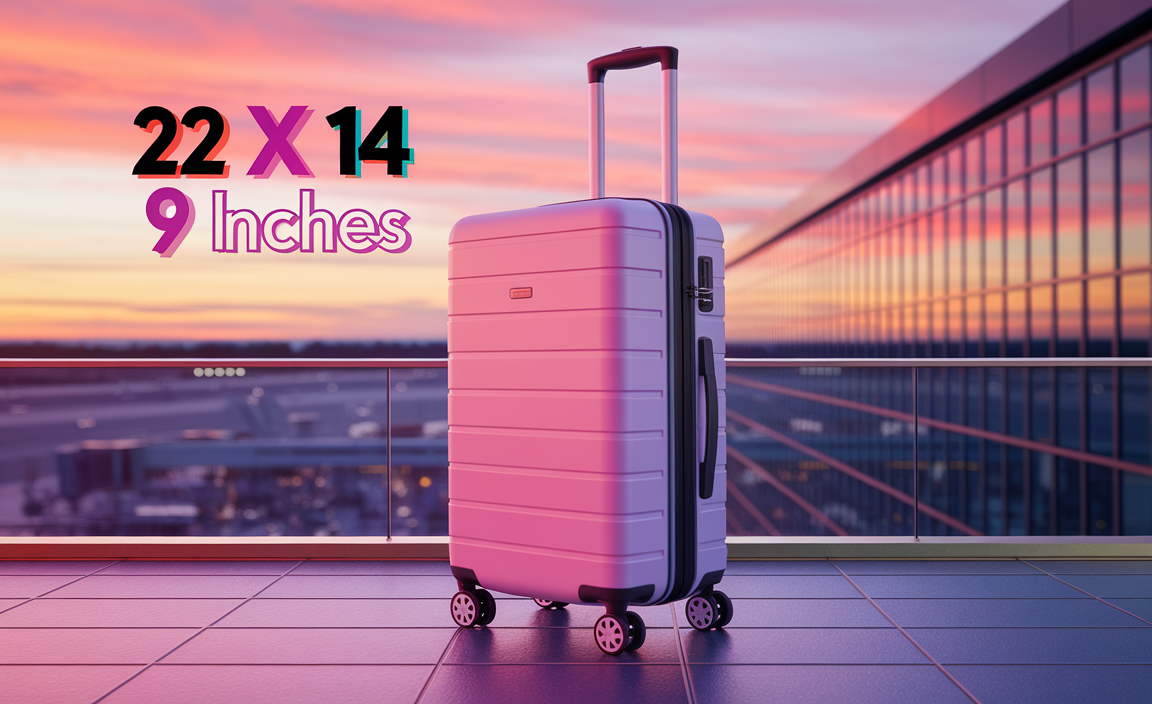
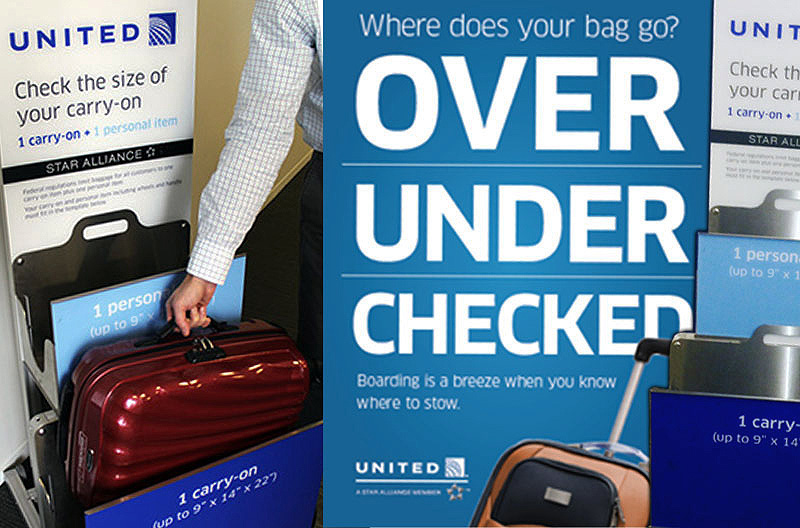
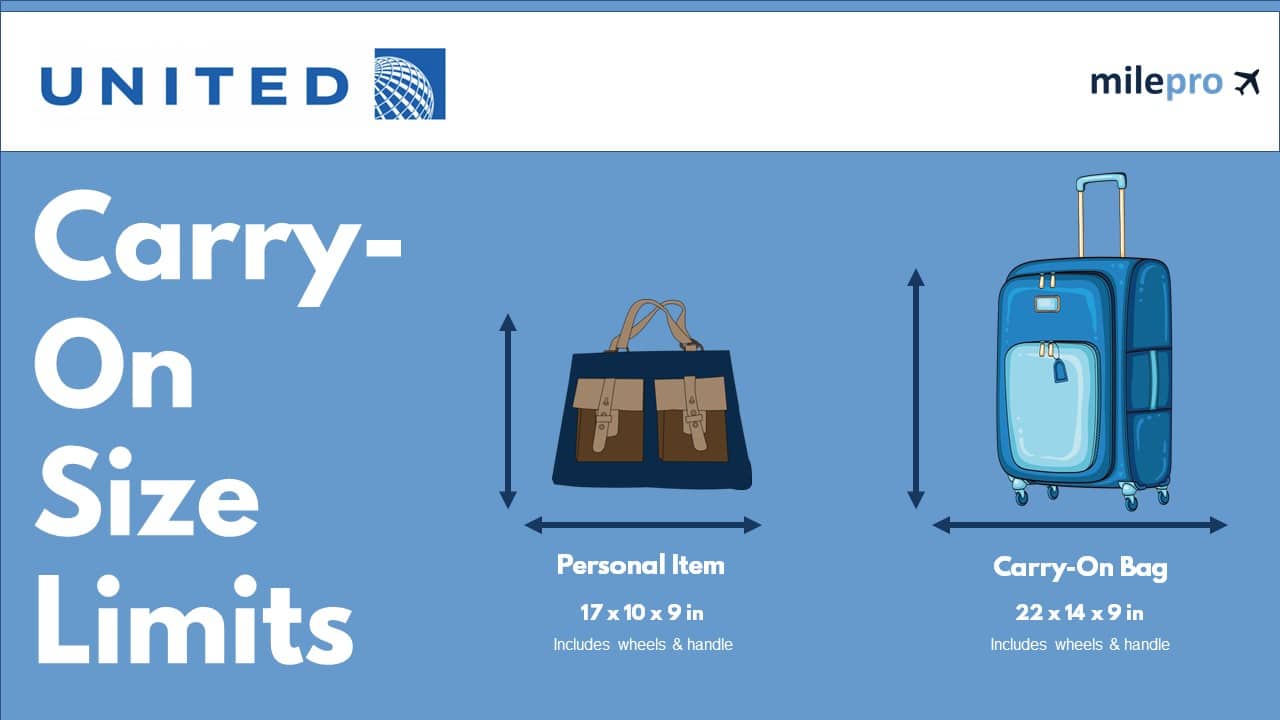
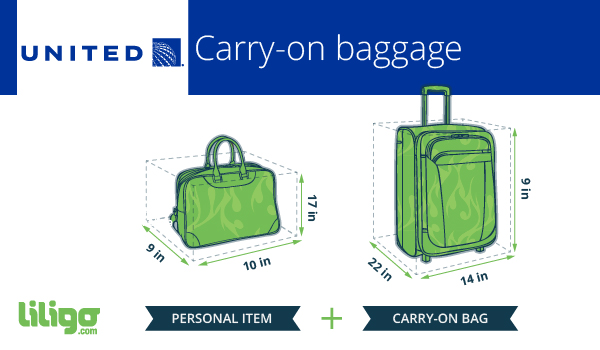
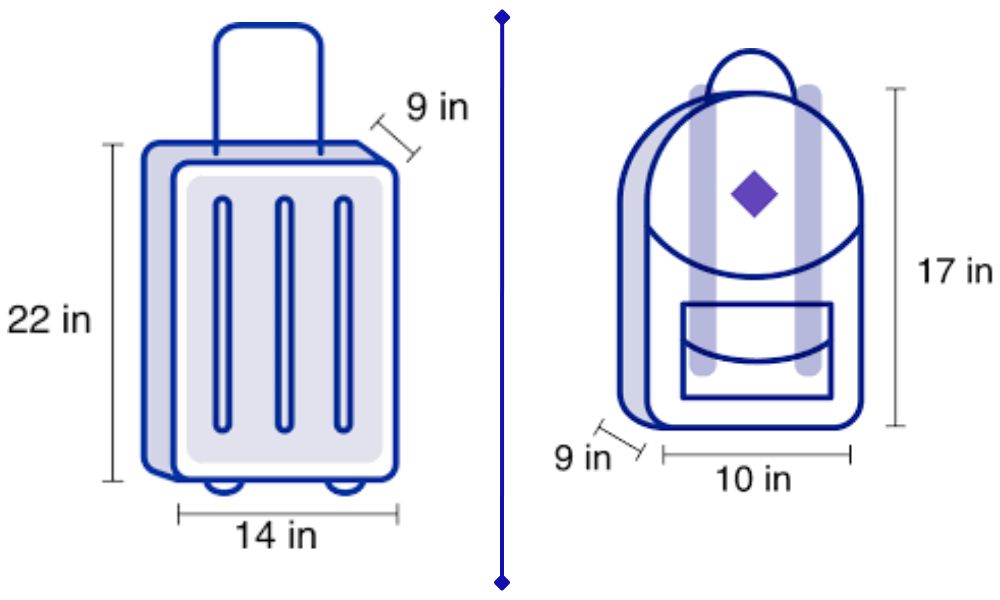
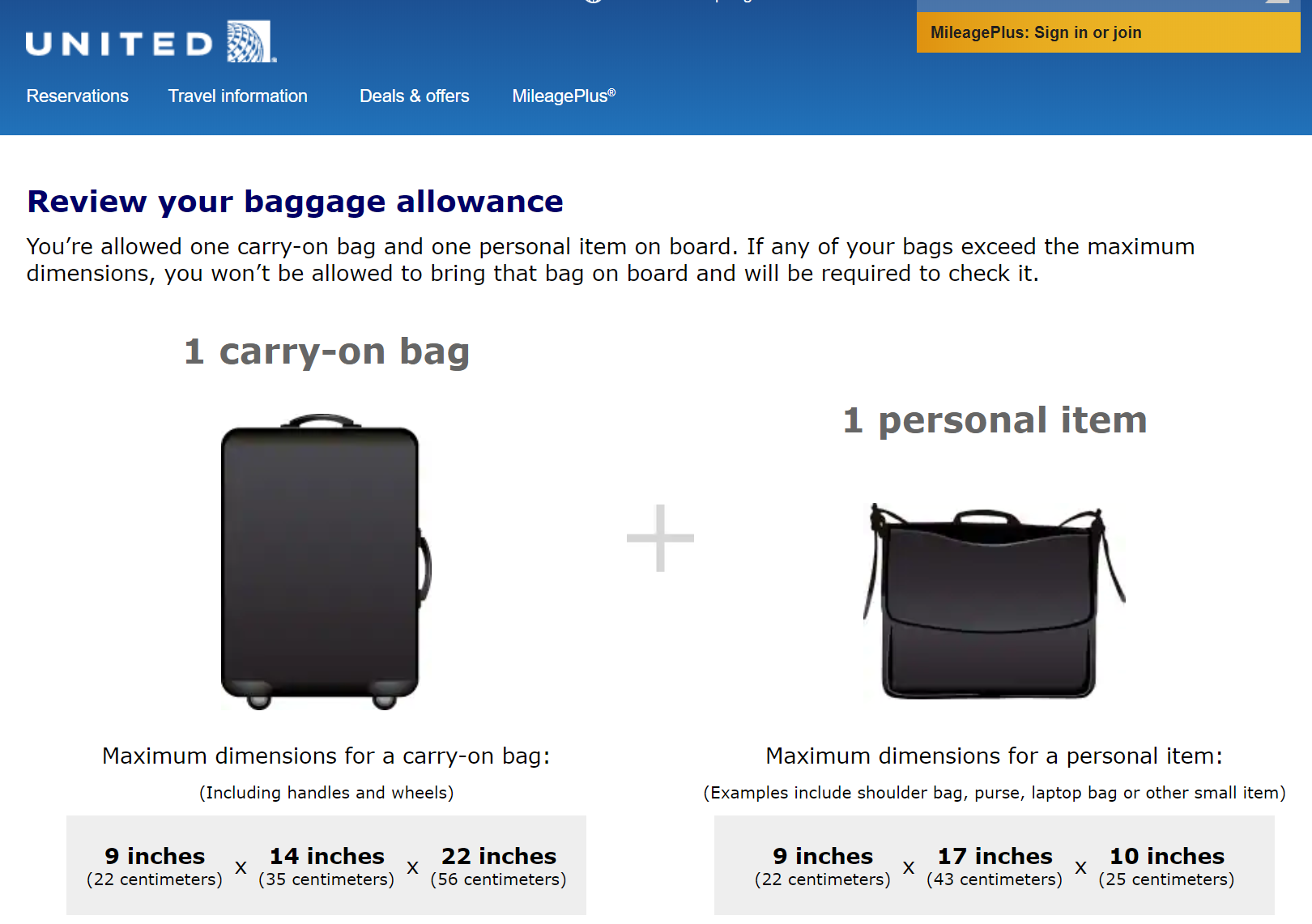
Delving into the specifics of United Airlines' carry-on luggage policies reveals a complex set of rules designed to ensure safety, efficiency, and customer satisfaction. The dimensions and weight limits of carry-on bags are crucial, as they directly impact the ability to stow these bags in overhead bins or under seats. United Airlines specifies that carry-on bags should not exceed 22 inches in height, 14 inches in width, and 9 inches in depth, including handles and wheels. Furthermore, the airline's policies on personal items, such as purses, briefcases, or laptop bags, which can be carried in addition to a standard carry-on bag, provide flexibility for passengers to bring essential items onboard.
The material science behind luggage design also comes into play, as the durability, flexibility, and weight of luggage materials can affect how easily a bag can be stowed and retrieved. Smart luggage with features like GPS tracking, USB charging ports, and lightweight yet robust materials is increasingly popular, reflecting a blend of technology and innovation in the travel industry. Moreover, understanding the physics of luggage stowage—considering factors like balance, friction, and spatial arrangement—can help passengers optimize their carry-on packing strategy.
In terms of environmental impact, choosing the right carry-on luggage involves considering the ecological footprint of the luggage itself, from production to disposal. Passengers can opt for luggage made from sustainable materials or those designed with recyclability in mind, contributing to a more eco-friendly travel practice. This approach aligns with broader trends in responsible tourism, emphasizing the importance of minimizing waste and preserving natural resources.

Mastery Through Practical Strategies
To master the art of carry-on luggage management with United Airlines, several practical strategies can be employed. Firstly, precision planning is key, involving careful measurement of luggage against the airline's specifications and planning the contents to maximize space efficiency. This can be facilitated by using packing cubes or compression bags to organize and compress belongings, making the most of the available luggage volume. Additionally, selecting luggage with multi-directional wheels and telescoping handles can enhance maneuverability in crowded airport spaces.
Another effective approach is to adopt a modular packing system, where items are grouped into categories (e.g., clothing, electronics, toiletries) and packed in a way that allows for easy access and rearrangement as needed. This method, inspired by industrial engineering principles of efficiency and flexibility, can significantly reduce the stress associated with in-flight or pre-boarding luggage adjustments. Moreover, leveraging technology, such as luggage tracking devices or travel apps that provide real-time updates on flight schedules and baggage handling, can further streamline the travel experience.
The ergonomics of luggage handling should also be considered, with passengers taking care to lift and maneuver luggage in ways that minimize strain on the body. This includes techniques like bending at the knees, keeping the luggage close to the body, and avoiding twisting motions. By incorporating these physical strategies into their travel routine, individuals can reduce the risk of injury and maintain their physical well-being during travel.
Furthermore, understanding and leveraging the psychological aspects of travel, such as the impact of color and design on mood and perception, can influence luggage choice and packing habits. For example, selecting luggage in calming colors or with aesthetically pleasing designs can contribute to a more relaxed and enjoyable travel experience. This aligns with principles from environmental psychology that suggest our surroundings and the objects we interact with can significantly affect our mood and behavior.
Frequently Asked Questions
What are the exact dimensions for carry-on luggage on United Airlines, and how do these measurements impact luggage selection?
The exact dimensions specified by United Airlines for carry-on luggage are 22 inches tall, 14 inches wide, and 9 inches deep. These measurements are crucial because they dictate the maximum size of luggage that can be comfortably stowed in the overhead bins or under the seat in front of the passenger. When selecting luggage, it's essential to ensure that it adheres to these dimensions to avoid any potential issues during boarding or the need for gate-checking. Furthermore, understanding these dimensions allows passengers to optimize their luggage choice for maximum space efficiency and comfort during travel.
In practice, passengers can benefit from these guidelines by measuring their luggage carefully before travel and selecting bags that are designed with these specific dimensions in mind. Many luggage manufacturers now provide carry-on luggage that is specifically tailored to fit within these parameters, making it easier for travelers to find suitable options. Moreover, being aware of these dimensions can also influence how passengers pack their luggage, encouraging a more strategic and efficient use of space to accommodate all necessary items within the allowed size constraints.
How can I ensure my carry-on luggage is safely stowed during the flight, and what are the implications of not following the stowage guidelines?
Ensuring that carry-on luggage is safely stowed during the flight involves a combination of awareness of the airline's stowage policies and practical strategies for securing luggage. Passengers should always follow the flight attendants' instructions regarding the stowage of carry-on bags, typically involving placing smaller items under the seat in front and larger bags in the overhead compartments. It's also crucial to ensure that luggage is securely closed and that any loose items are tied down to prevent them from becoming projectiles during turbulence.
The implications of not following the stowage guidelines can be significant, ranging from safety risks to inconvenience. Improperly stowed luggage can obstruct emergency exits, pose a hazard during evacuation procedures, or simply block aisles and seats, leading to delays and discomfort for all passengers. Furthermore, failure to comply with stowage instructions may result in the airline requiring the luggage to be gate-checked, potentially leading to delays in retrieving the luggage upon arrival. Thus, adhering to the guidelines not only enhances safety but also contributes to a more harmonious and efficient travel experience for everyone onboard.
What role does material science play in the selection of carry-on luggage, and how can understanding this science inform better luggage choices?
The material science behind luggage selection is critical, as the materials used in luggage construction can significantly impact its durability, weight, and overall performance. For example, polypropylene and polycarbonate materials are valued for their resistance to impacts and scratches, while nylon and polyester fabrics offer tear resistance and water repellency. Understanding these properties can help travelers choose luggage that is better suited to their needs, whether prioritizing lightweight design for easier maneuverability or heavy-duty construction for protection against rough handling.
By informing better luggage choices, an understanding of material science can lead to more satisfactory and durable luggage solutions. For instance, recognizing the benefits of water-resistant materials can help passengers protect their belongings against unexpected liquids or humidity during travel. Similarly, opting for luggage with reflective or illuminescent materials can enhance visibility in low-light environments, such as during nighttime travel or in poorly lit airport areas, thereby improving safety and convenience.
Can the color and design of luggage influence the travel experience, and if so, how can passengers leverage this to their advantage?
The color and design of luggage can indeed influence the travel experience, impacting both the functional and aesthetic aspects of travel. From a practical standpoint, brightly colored or uniquely designed luggage can be more easily identified on the carousel or in crowded areas, reducing the risk of mistaken identity or theft. Moreover, the psychological impact of luggage design should not be underestimated, as vibrant colors or stylish patterns can contribute to a more positive and invigorated travel experience, potentially influencing mood and energy levels during what can otherwise be a stressful and tiring process.
Passengers can leverage these insights to their advantage by selecting luggage that not only meets their practical needs but also reflects their personal style or preferences. For example, vibrant colors can add a touch of personality to travel, distinguishing one's luggage in a crowded airport environment. Additionally, opting for luggage with inspirational quotes or motivational designs can serve as a subtle reminder to stay positive and focused during travel, aligning with principles from positive psychology that emphasize the importance of mental attitude and resilience in the face of challenges.
How does the airline's carry-on luggage policy impact the overall efficiency and enjoyment of the travel experience, and what strategies can passengers employ to maximize these aspects?
The carry-on luggage policy of an airline, such as United Airlines, can significantly impact the efficiency and enjoyment of the travel experience. By understanding and adhering to the policy, passengers can avoid potential delays or inconveniences associated with non-compliant luggage. This includes avoiding the need for gate-checking, which can add time to the boarding and disembarkation processes, and ensuring that all essential items are easily accessible during the flight, thereby enhancing comfort and convenience.
To maximize efficiency and enjoyment, passengers can employ several strategies. Firstly, packing lightly and efficiently, using techniques like rolling clothing or utilizing packing cubes, can help ensure that luggage fits within the specified dimensions and weight limits. Secondly, selecting luggage with multi-functional features, such as USB charging ports or built-in scale, can enhance the travel experience by providing additional convenience and practicality. Finally, staying informed about any changes to the airline's carry-on policy and planning accordingly can help mitigate potential issues, contributing to a more smooth and enjoyable journey.
Reflecting on the science and strategies surrounding carry-on luggage with United Airlines, it becomes clear that optimizing this aspect of travel involves a multifaceted approach, combining awareness of airline policies, practical strategies for efficient packing, and an understanding of the scientific and psychological factors at play. By embracing this holistic perspective, travelers can transform their approach to carry-on luggage, turning what might otherwise be a mundane aspect of travel into an opportunity for enhancement and optimization.
Ultimately, respecting the science behind carry-on luggage policies makes us better, more efficient humans. It cultivates mindfulness and intentionality in our travel preparations, encouraging us to think critically about our needs, the airline's requirements, and the environmental and social impacts of our choices. As we navigate the complexities of modern travel, armed with knowledge and practical strategies, we not only improve our own experiences but also contribute to a more harmonious and sustainable travel ecosystem for everyone involved.