Can You Fly With A Stainless Steel Water Bottle
/waterbottle_lineup_reshoot_1-630ca81c320c48d684f269d82783acb2.jpeg)
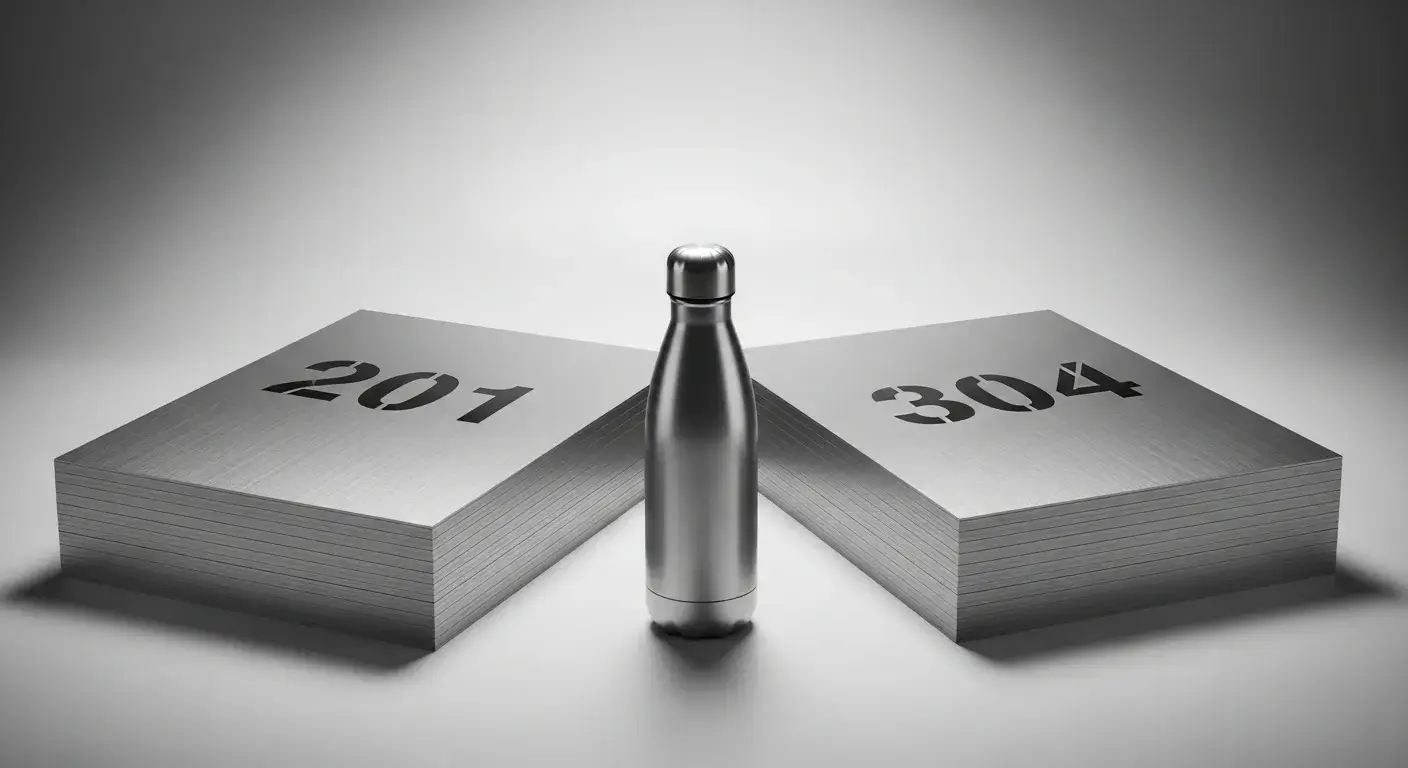
The concept of carrying a personal water bottle, especially one made of stainless steel, has undergone a significant transformation over the years. From its humble beginnings as a mere necessity for human survival to the modern-day symbol of eco-friendliness and style, the stainless steel water bottle has come a long way. The earliest recorded use of stainless steel water bottles dates back to the early 20th century, when they were primarily used by outdoor enthusiasts and travelers. However, it wasn't until the 1960s that stainless steel water bottles started gaining popularity, particularly among hikers and campers.
The initial human necessity behind carrying a personal water bottle was, of course, to have access to clean drinking water on-the-go. This was especially crucial for people who spent most of their time outdoors, such as explorers, travelers, and workers in industries like construction and manufacturing. The use of stainless steel water bottles also signaled a shift towards a more environmentally conscious approach to drinking water, as people began to move away from using single-use plastic bottles. This trend was further amplified by the 1970s and 1980s, when concerns about the environment and conservation started gaining mainstream attention.
As the years went by, the design and functionality of stainless steel water bottles continued to evolve. The 1990s saw the introduction of insulated stainless steel water bottles, which could keep drinks hot or cold for several hours. This innovation made stainless steel water bottles a staple among outdoor enthusiasts, commuters, and office workers. The 2000s brought about a new wave of eco-friendly awareness, with the rise of reusable water bottles as a symbol of sustainability. This period also saw the emergence of new materials and designs, such as colorful and stylish stainless steel water bottles that appealed to a wider audience.
Evolution of Air Travel Regulations
The evolution of air travel regulations has had a significant impact on the use of stainless steel water bottles. In the early days of air travel, passengers were allowed to carry a wide range of items onboard, including liquids and gels. However, following the 9/11 attacks in 2001, security regulations became much stricter, and the Transportation Security Administration (TSA) was established to oversee air travel security in the United States. The 2006 liquid bomb plot further led to the implementation of the 3-1-1 liquids rule, which restricts the amount of liquids, gels, and aerosols that passengers can carry in their carry-on bags.
Despite these regulations, stainless steel water bottles have continued to be popular among air travelers. In fact, many airlines and airports have started to provide water bottle refill stations, allowing passengers to refill their bottles after passing through security checkpoints. This shift towards sustainability has been driven by the growing awareness of the environmental impact of single-use plastic bottles. The use of stainless steel water bottles has also been encouraged by the International Air Transport Association (IATA), which has emphasized the importance of reducing waste and promoting sustainable practices in the aviation industry.

In recent years, there has been a growing trend towards smart water bottles that can track water intake, temperature, and other parameters. These innovative products have been made possible by advances in Internet of Things (IoT) technology and mobile apps. As air travel continues to evolve, it's likely that we'll see even more innovative solutions for staying hydrated on-the-go. The future of air travel will likely involve a greater emphasis on sustainability, with airlines and airports investing in eco-friendly infrastructure and technologies.
One of the most significant challenges facing the use of stainless steel water bottles in air travel is the issue of security screening. As mentioned earlier, the TSA has strict regulations regarding the carriage of liquids, gels, and aerosols in carry-on bags. However, many stainless steel water bottles are designed to be security-friendly, with features such as collapsible designs and leak-proof lids. These innovative designs have made it easier for passengers to carry their stainless steel water bottles through security checkpoints without encountering any issues.
Modernizing the Classic Principles
Classic principles of using stainless steel water bottles are being hacked or modernized for today's fast-paced world. One of the key trends is the use of insulation technology to keep drinks hot or cold for longer periods. This innovation has been driven by the development of new materials and designs, such as double-walled insulation and vacuum-insulated stainless steel. These technologies have made it possible to enjoy hot or cold drinks on-the-go, without the need for single-use cups or bottles.

Another area where classic principles are being modernized is in the use of smart materials and IoT technology. Many modern stainless steel water bottles come equipped with features such as temperature control, hydration tracking, and mobile app connectivity. These innovative features have made it easier for people to stay hydrated and track their water intake, while also reducing waste and promoting sustainability. As technology continues to evolve, it's likely that we'll see even more innovative solutions for using stainless steel water bottles in our daily lives.
Frequently Asked Questions
Can You Fly With A Stainless Steel Water Bottle?
The answer to this question is a resounding yes. However, there are some regulations and guidelines that passengers need to follow. According to the TSA, empty stainless steel water bottles are allowed in carry-on bags, but they must be emptied before passing through security checkpoints. Once passengers have cleared security, they can refill their bottles at water bottle refill stations or water fountains throughout the airport. It's also worth noting that some airlines may have specific policies regarding the use of stainless steel water bottles onboard, so it's always a good idea to check with the airline before flying.
In addition to following TSA regulations, passengers should also be aware of the liquid restrictions that apply to carry-on bags. The 3-1-1 liquids rule restricts the amount of liquids, gels, and aerosols that can be carried in carry-on bags, but this rule does not apply to empty stainless steel water bottles. Once passengers have passed through security checkpoints, they can refill their bottles with water or other liquids, as long as they comply with the 3-1-1 liquids rule. By following these guidelines and regulations, passengers can enjoy the convenience and sustainability of using stainless steel water bottles during air travel.
How Do You Clean And Maintain A Stainless Steel Water Bottle?
Cleaning and maintaining a stainless steel water bottle is relatively easy. The first step is to wash the bottle with soap and water after each use. This helps to remove any residual bacteria or contaminants that may have accumulated inside the bottle. For more thorough cleaning, passengers can use a bottle brush to scrub the inside of the bottle, or soak the bottle in a mixture of water and vinegar. It's also a good idea to dry the bottle thoroughly after cleaning to prevent the growth of bacteria or mold.
In addition to regular cleaning, passengers should also be aware of the materials used in stainless steel water bottles. Some bottles may be made with BPA-free materials or non-toxic coatings, which can affect the cleaning and maintenance process. For example, some bottles may require specialized cleaning solutions or avoidance of certain cleaning products. By following the manufacturer's instructions and taking proper care of their stainless steel water bottle, passengers can enjoy a clean, safe, and sustainable drinking experience during air travel.
What Are The Benefits Of Using A Stainless Steel Water Bottle During Air Travel?
The benefits of using a stainless steel water bottle during air travel are numerous. One of the most significant advantages is the reduction of waste. By carrying a reusable stainless steel water bottle, passengers can avoid using single-use plastic bottles, which are a major contributor to waste and pollution. Another benefit is the cost savings that come with using a stainless steel water bottle. Instead of buying expensive bottled water at the airport, passengers can refill their bottles at water fountains or water bottle refill stations.

In addition to these benefits, using a stainless steel water bottle during air travel can also improve hydration and reduce the risk of dehydration. Air travel can be dehydrating, especially on long-haul flights, so it's essential to stay hydrated by drinking plenty of water. Stainless steel water bottles are designed to keep drinks hot or cold for longer periods, making them an ideal choice for air travel. By using a stainless steel water bottle, passengers can enjoy a safe, sustainable, and healthy drinking experience during their travels.
As we look to the future, it's clear that the use of stainless steel water bottles will continue to evolve and play a significant role in air travel. With the growing emphasis on sustainability and reducing waste, it's likely that we'll see even more innovative solutions for staying hydrated on-the-go. The development of new materials and technologies will also continue to shape the use of stainless steel water bottles, making them even more convenient, safe, and sustainable.
In the next 20 years, we can expect to see a significant shift towards eco-friendly air travel, with airlines and airports investing in sustainable infrastructure and technologies. The use of stainless steel water bottles will be just one part of this larger trend, as passengers and airlines work together to reduce waste and promote sustainability. As we continue to innovate and find new solutions to the challenges of air travel, it's exciting to think about the possibilities that the future may hold. Whether it's the development of smart water bottles or new materials, one thing is certain – the humble stainless steel water bottle will continue to play a vital role in our daily lives.