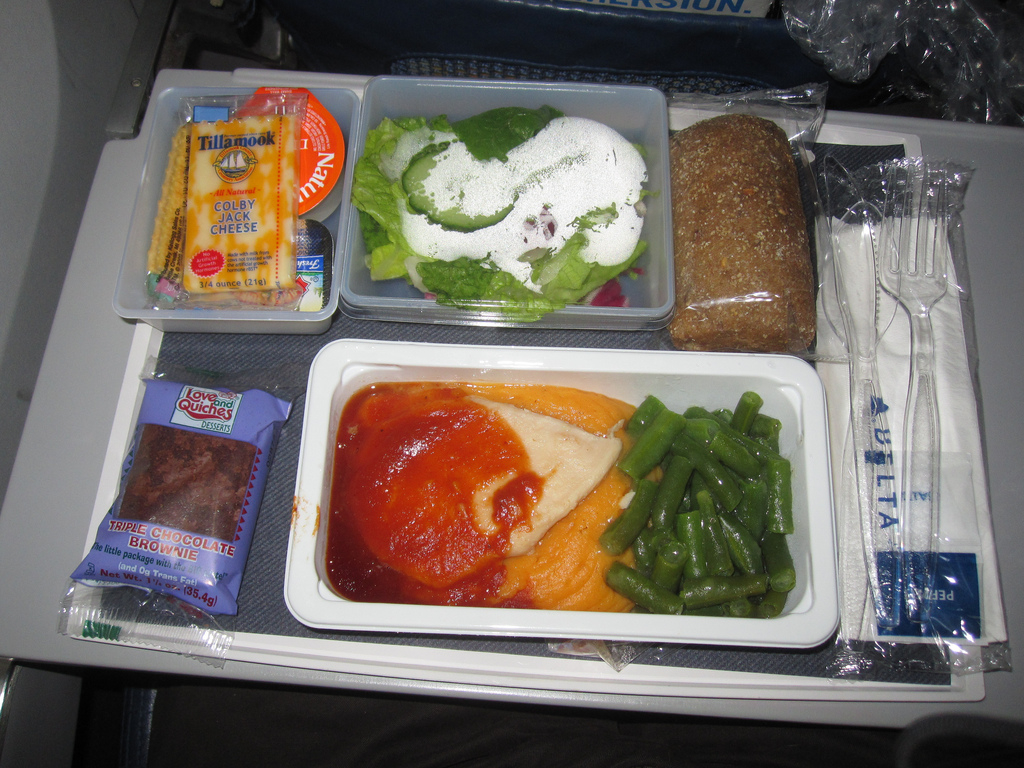
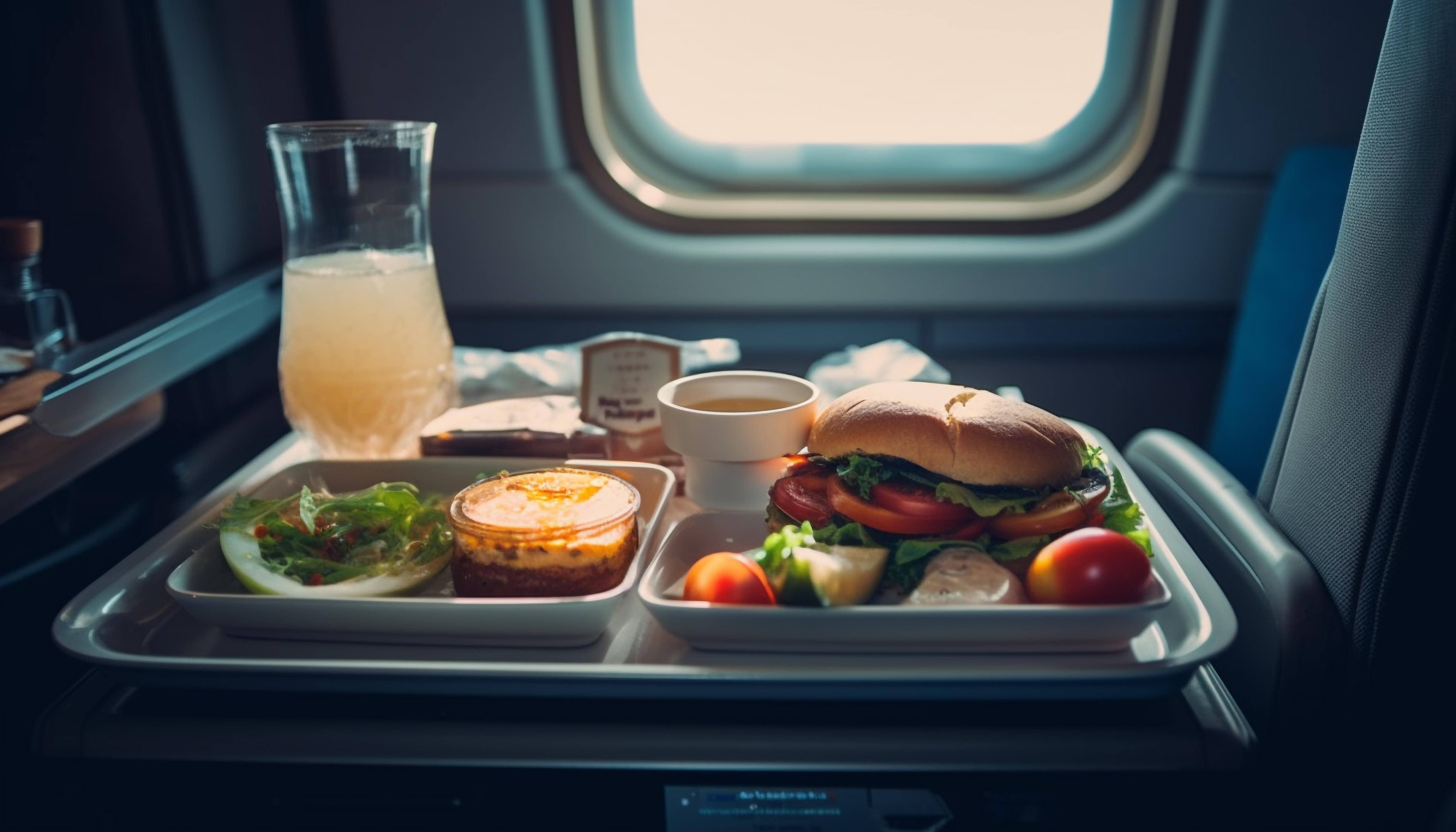
Can We Bring Food On The Plane
I still remember my first flight like it was yesterday. I was so excited to explore the world, but also a bit anxious about the whole flying experience. As I was browsing through the airport shops, I stumbled upon a delicious-looking sandwich and thought, "why not bring it on the plane and enjoy it during the flight?"
Little did I know, this simple question would spark a curiosity that would lead me to dive deeper into the world of in-flight dining. Can we really bring our own food on the plane, or are we limited to the expensive and not-so-tasty airline meals? As it turns out, the answer is not as straightforward as I thought.
The Rules
Most airlines have their own set of rules and regulations when it comes to bringing food on board. Some allow it, while others have strict restrictions on what types of food are permitted. It's always a good idea to check with your airline beforehand to avoid any last-minute surprises.
Must Read
- Heart Of Mexico City Football: Pinpointing The Azteca Stadium Location
- Guadalajara Stadium Parking Guide: Avoid The Matchday Traffic
- Houston Stadium Bag Policy: Clear Bag Rules For Visitors
- Sofi Stadium Capacity: How Many Fans It Can Hold
- Reliant Stadium Parking: A Guide To The Old Name And Current Venue
But, let's be real, who doesn't love a good snack or meal while flying? It's one of the few pleasures we can still enjoy at 30,000 feet. And, let's not forget about the /environmental benefits of bringing our own food - less waste, fewer plastic containers, and a reduced carbon footprint.
The TSA's Say
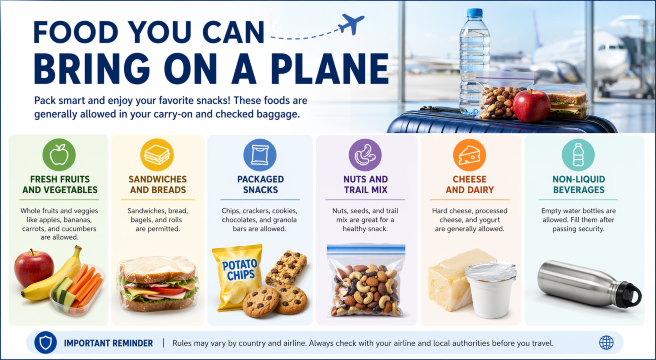
The Transportation Security Administration (TSA) has its own set of guidelines when it comes to bringing food through security checkpoints. Liquids, gels, and aerosols are subject to the 3-1-1 rule, but solid foods are generally allowed. However, it's always best to check the TSA's website for the most up-to-date information - you don't want to be that person who gets their food confiscated at security.

So, what types of food are TSA-approved? Fresh fruits, vegetables, and sandwiches are all good to go. But, if you're planning on bringing liquids or gels, such as yogurt or hummus, you'll need to make sure they comply with the 3-1-1 rule. And, let's not forget about the odorous foods - you know, the ones that might clear out the plane.
On the other hand, some foods are best avoided when flying. Fish, blue cheese, and kimchi are all notorious for their pungent aromas. You don't want to be that passenger who clears out the plane with their smelly snack. Trust me, your fellow passengers will thank you.
Packing It Up
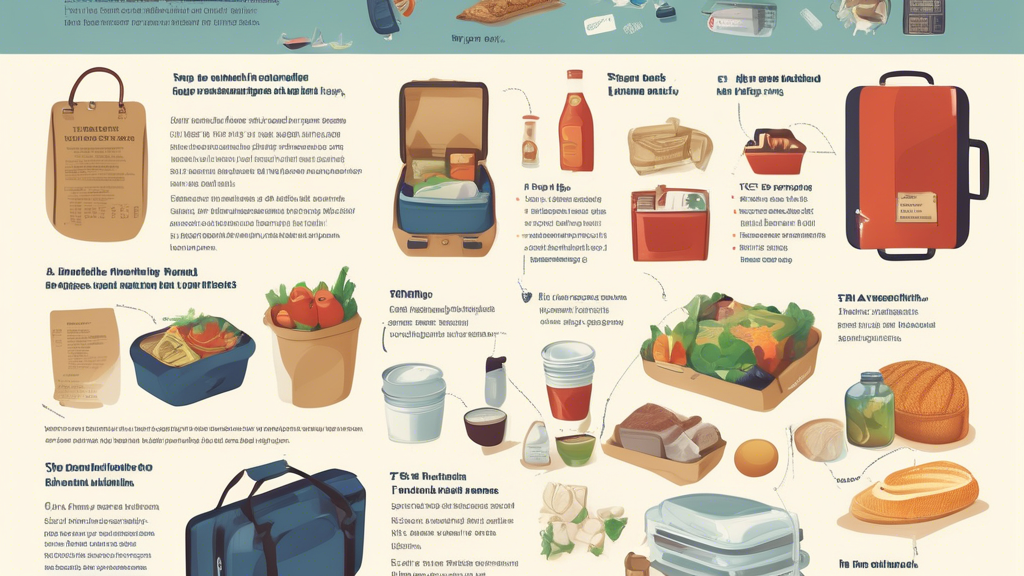
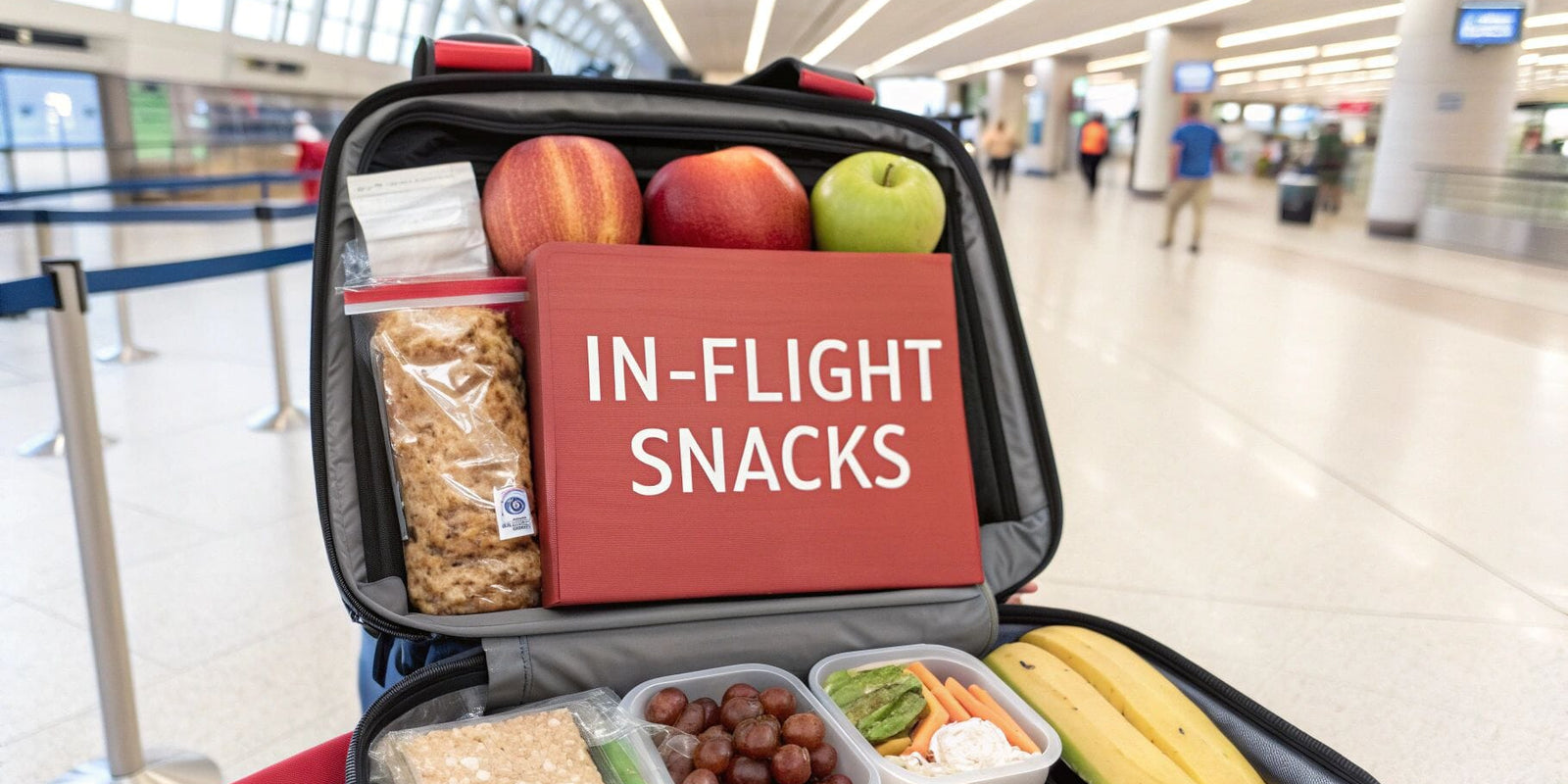
So, you've checked with your airline, and the TSA has given your food the green light. Now it's time to think about packing your snacks. You'll want to choose containers that are easy to open and won't spill during the flight. And, don't forget to label your food - you don't want to be that person who gets their food mistaken for a suspicious substance.
It's also a good idea to pack smart - choose foods that are easy to eat and won't make a mess. Finger foods like trail mix, fresh fruit, and energy bars are all great options. And, if you're feeling fancy, you could even pack a picnic - just don't forget the blanket and wine (just kidding, no wine).
:max_bytes(150000):strip_icc()/taking-food-on-a-flight-2972600_v4-5b48e7e246e0fb00373312be.png)
In conclusion, bringing food on a plane is not as complicated as it seems. With a little planning and research, you can enjoy your favorite snacks at 30,000 feet. Just remember to check with your airline, follow the TSA's guidelines, and pack smart. Happy flying, and bon appétit!
And, as a parting thought, if you're feeling adventurous, you could even try making your own in-flight meals. Just think about it - gourmet cuisine at 30,000 feet. Okay, maybe that's a bit ambitious, but a person can dream, right? Until next time, when I'll be exploring the world of in-flight entertainment - stay tuned!