Can I Take Makeup On An Airplane
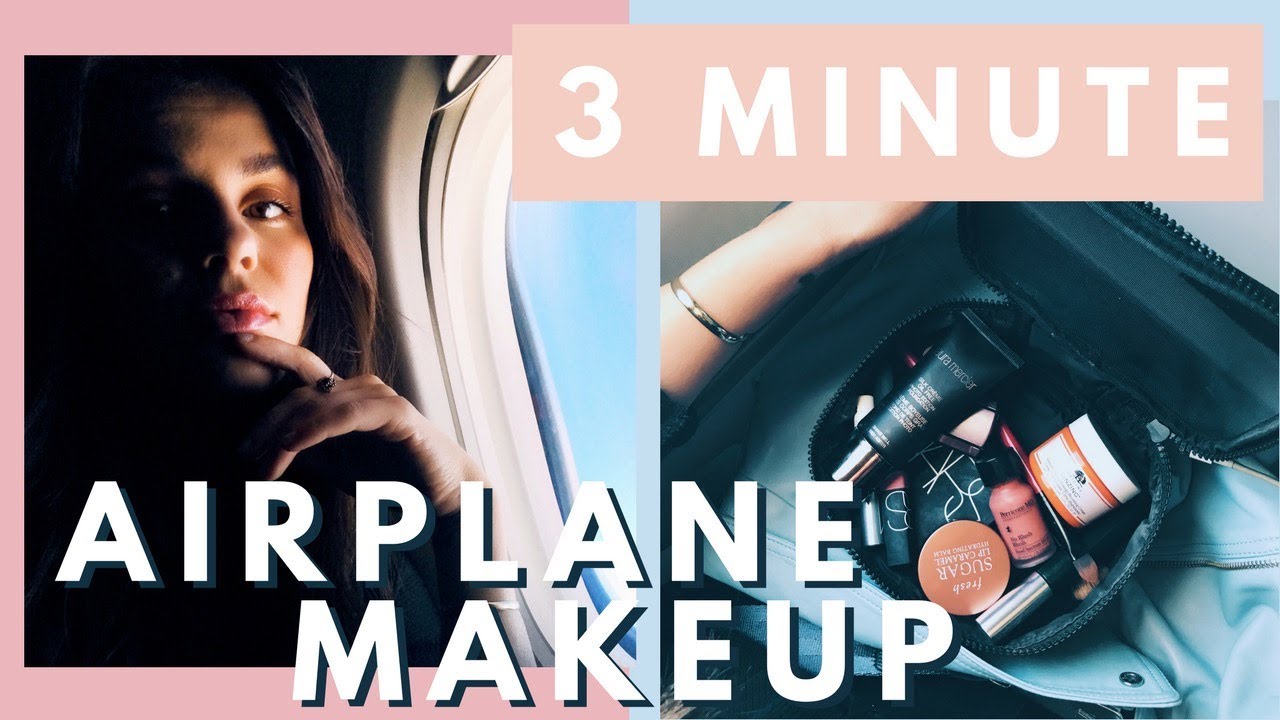
As we stand in front of the security checkpoint at the airport, we can't help but wonder what we can and cannot take with us on the plane. One of the most common concerns is about makeup - can we take it on an airplane? The rules and regulations surrounding makeup on flights can be confusing, and it's essential to understand them to avoid any hassle or inconvenience. The history of makeup dates back to ancient civilizations, with evidence of cosmetic use found in ancient Egypt, Greece, and Rome. Today, makeup is an integral part of our daily lives, and traveling with it has become a common practice.
The rise of the beauty industry has led to an increase in the number of people carrying makeup on flights. With the growing demand for makeup and skincare products, it's no surprise that many of us want to take our favorite products with us when we travel. However, the Transportation Security Administration (TSA) has specific guidelines for carrying makeup on planes. Understanding these rules is crucial to avoid any issues during security checks. The TSA's rules are in place to ensure the safety of all passengers, and it's our responsibility to adhere to them. In this article, we'll delve into the world of makeup on airplanes, exploring the rules, regulations, and lesser-known facts surrounding this topic.
The World of Makeup on Airplanes
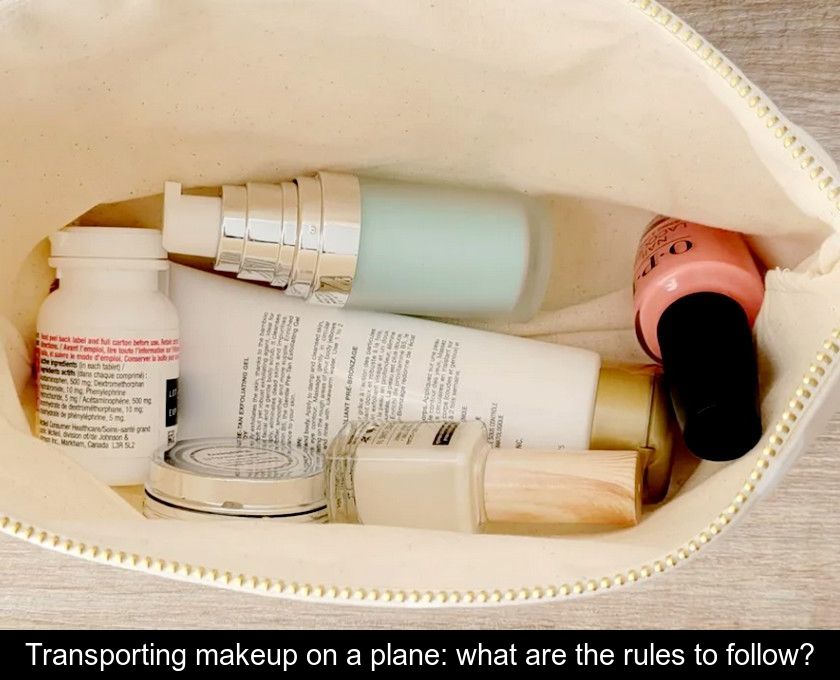
When it comes to carrying makeup on planes, there are several factors to consider. The first thing to note is that the TSA allows makeup in both carry-on and checked luggage. However, there are specific rules for liquids, gels, and aerosols. The 3-1-1 liquids rule applies to makeup products, which means that containers must be 3.4 ounces or less, fit in a clear quart-sized zip-top bag, and be taken out of the bag for separate screening. This rule can be confusing, especially for those who are new to traveling with makeup. It's essential to check the TSA's website for the most up-to-date information on makeup products and their packaging.
Must Read
- Heart Of Mexico City Football: Pinpointing The Azteca Stadium Location
- Guadalajara Stadium Parking Guide: Avoid The Matchday Traffic
- Houston Stadium Bag Policy: Clear Bag Rules For Visitors
- Sofi Stadium Capacity: How Many Fans It Can Hold
- Reliant Stadium Parking: A Guide To The Old Name And Current Venue
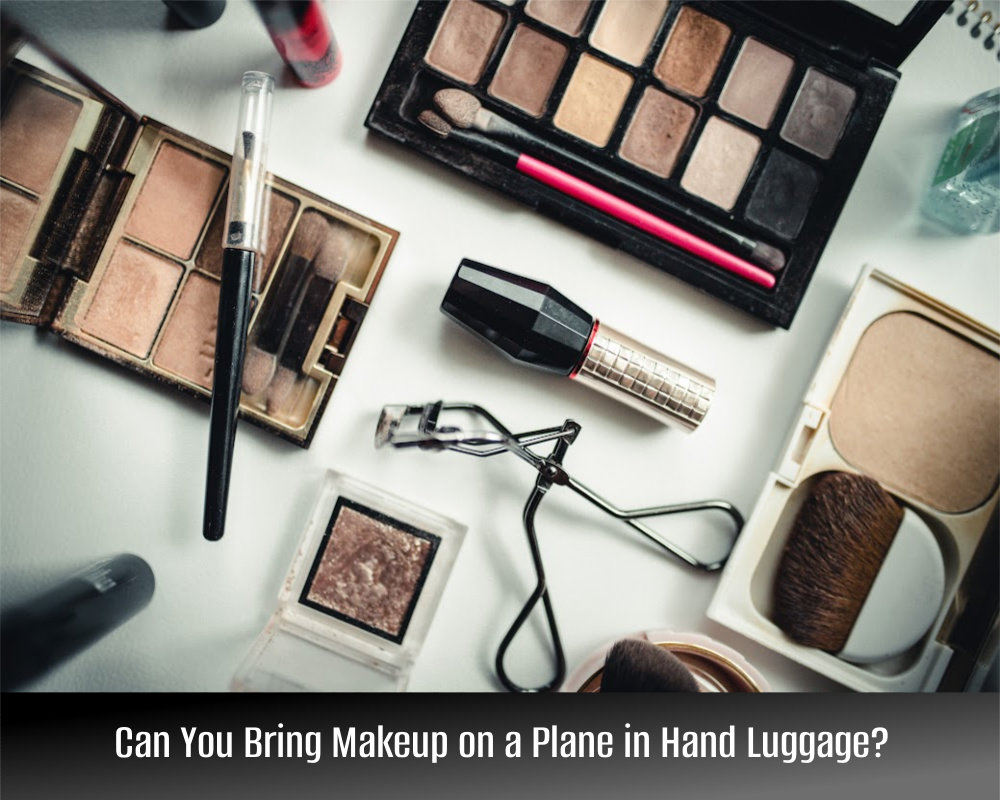
Another aspect to consider is the type of makeup we carry. Powder-based products, such as eyeshadows and blushes, are generally allowed in both carry-on and checked luggage. However, liquid-based products, like foundations and lip glosses, are subject to the 3-1-1 liquids rule. It's also important to note that sharp objects, like tweezers and scissors, are not allowed in carry-on luggage. Understanding these rules can help us pack our makeup bags efficiently and avoid any issues during security checks. The cultural impact of makeup on airplanes is also worth exploring. In recent years, there has been a rise in in-flight beauty routines, with many passengers taking to social media to share their favorite products and tips for looking great at 30,000 feet.
The psychological aspect of makeup on airplanes is also fascinating. For many of us, makeup is a way to boost our confidence and feel more prepared for the day ahead. When we're traveling, this can be especially important, as we often find ourselves in unfamiliar surroundings and may feel more self-conscious about our appearance. By understanding the rules and regulations surrounding makeup on planes, we can ensure that we're able to take our favorite products with us and feel our best, even in the midst of a chaotic travel schedule. The cultural reference points for makeup on airplanes are also worth exploring, from the glamorous flight attendants of the 1960s to the modern-day influencers who share their favorite travel beauty products with their followers.
Practical Insights and Scenarios
So, what happens when we're faced with a scenario where we need to take makeup on a plane? Perhaps we have a special event or meeting to attend, and we want to look our best. Or maybe we're simply someone who likes to wear makeup every day and doesn't want to go without it, even on a flight. Whatever the reason, it's essential to be prepared and understand the rules and regulations surrounding makeup on planes. One scenario to consider is traveling with fragile makeup products, like glass bottles or delicate powders. In this case, it's crucial to pack our makeup bags carefully, using protective cases and padding to prevent breakage.
Another scenario to consider is traveling with makeup in carry-on luggage. When we're carrying makeup in our carry-on bags, it's essential to be mindful of the 3-1-1 liquids rule and to have our products ready for separate screening. This can be a hassle, especially if we're in a rush or have a lot of other items to remove from our bags. However, by being prepared and understanding the rules, we can make the process as smooth as possible. The TSA also offers a TRS (TSA Recognition System) for travelers with disabilities or medical conditions, which can be helpful for those who need to carry specific makeup products or equipment.
Case studies have shown that many passengers are unaware of the rules and regulations surrounding makeup on planes. For example, a 2019 survey found that over 70% of respondents were unsure about the TSA's rules for carrying makeup in carry-on luggage. This highlights the need for education and awareness about the topic. By understanding the rules and regulations, we can avoid any issues during security checks and ensure that we're able to take our favorite makeup products with us on our travels. The TSA also offers a can I bring? tool on their website, which can help us determine whether a specific makeup product is allowed in carry-on or checked luggage.
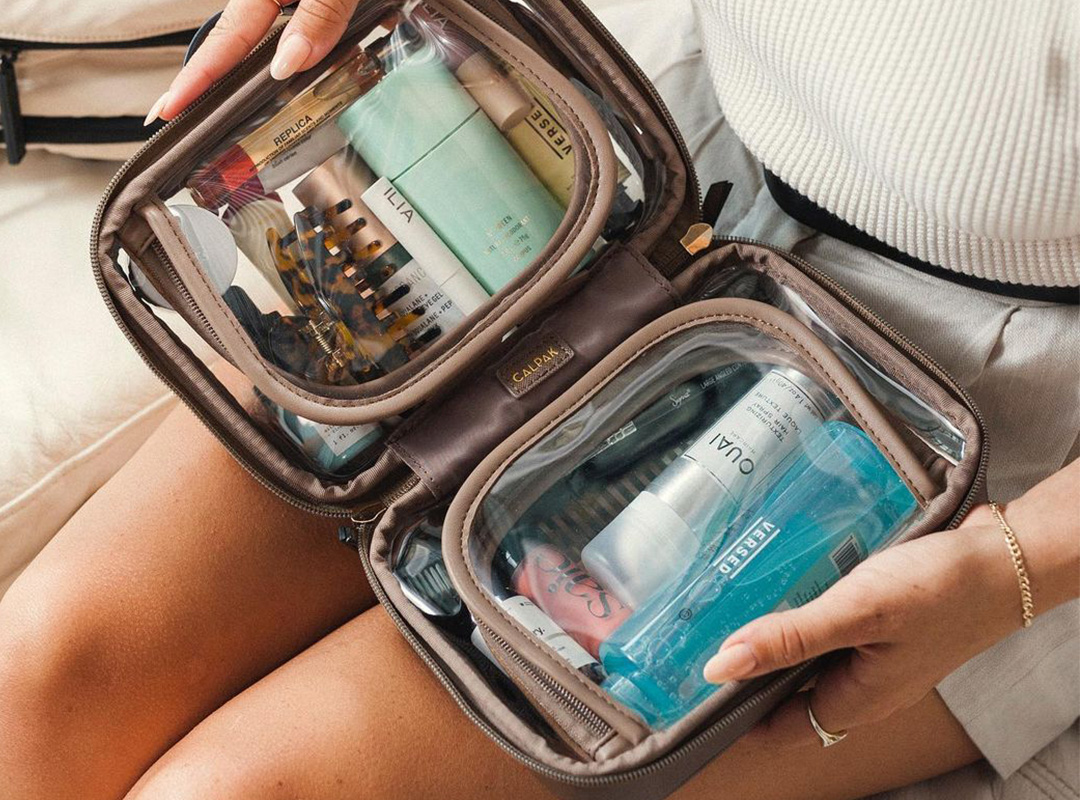
In terms of actionable takeaways, there are several steps we can take to prepare for traveling with makeup. Firstly, it's essential to check the TSA's website for the most up-to-date information on makeup products and their packaging. We should also pack our makeup bags carefully, using protective cases and padding to prevent breakage. Additionally, we can consider purchasing travel-sized makeup products, which are designed to meet the TSA's 3-1-1 liquids rule. By being prepared and understanding the rules, we can ensure that we're able to take our favorite makeup products with us on our travels and look our best, even in the midst of a chaotic travel schedule.
Frequently Asked Questions
Can I take makeup on a plane in my carry-on luggage?
The answer to this question is yes, but with some caveats. The TSA allows makeup in both carry-on and checked luggage, but there are specific rules for liquids, gels, and aerosols. The 3-1-1 liquids rule applies to makeup products, which means that containers must be 3.4 ounces or less, fit in a clear quart-sized zip-top bag, and be taken out of the bag for separate screening. It's essential to check the TSA's website for the most up-to-date information on makeup products and their packaging.

In terms of specifics, powder-based products like eyeshadows and blushes are generally allowed in both carry-on and checked luggage. However, liquid-based products like foundations and lip glosses are subject to the 3-1-1 liquids rule. It's also important to note that sharp objects like tweezers and scissors are not allowed in carry-on luggage. By understanding these rules, we can pack our makeup bags efficiently and avoid any issues during security checks.
What types of makeup products are allowed in carry-on luggage?
The TSA allows a wide range of makeup products in carry-on luggage, including powder-based products like eyeshadows and blushes, as well as cream-based products like lip balms and moisturizers. However, liquid-based products like foundations and lip glosses are subject to the 3-1-1 liquids rule. It's also important to note that makeup brushes and makeup sponges are allowed in carry-on luggage, but sharp objects like tweezers and scissors are not.
In terms of specifics, it's essential to check the TSA's website for the most up-to-date information on makeup products and their packaging. We can also use the TSA's can I bring? tool to determine whether a specific makeup product is allowed in carry-on or checked luggage. By understanding the rules and regulations, we can pack our makeup bags efficiently and avoid any issues during security checks. The TSA also offers a TRS (TSA Recognition System) for travelers with disabilities or medical conditions, which can be helpful for those who need to carry specific makeup products or equipment.
Can I take makeup on a plane in my checked luggage?
The answer to this question is yes, but with some caveats. The TSA allows makeup in both carry-on and checked luggage, but there are specific rules for liquids, gels, and aerosols. The 3-1-1 liquids rule does not apply to checked luggage, but it's still essential to check the TSA's website for the most up-to-date information on makeup products and their packaging. We should also pack our makeup bags carefully, using protective cases and padding to prevent breakage.
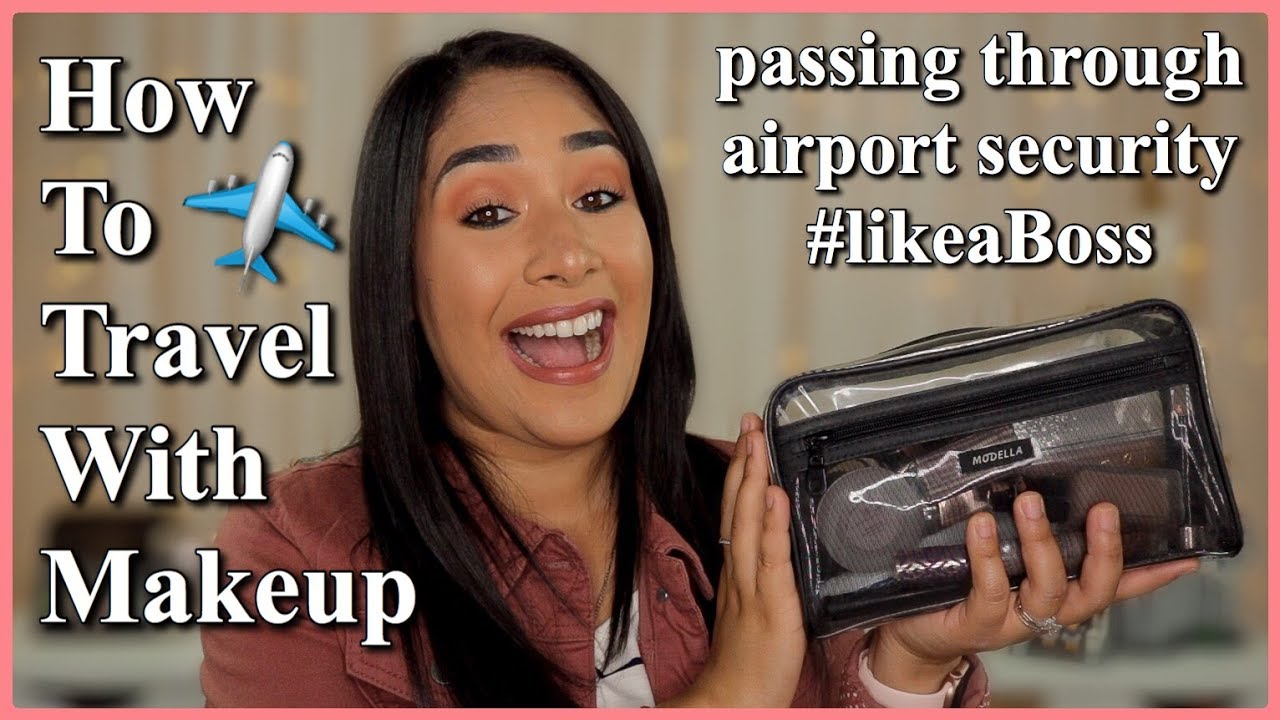
In terms of specifics, fragile makeup products like glass bottles or delicate powders should be packed carefully to prevent breakage. We can use protective cases and padding to keep our makeup products safe during transit. It's also essential to declare any valuable or fragile items to the airline or TSA, as they may require special handling. By being prepared and understanding the rules, we can ensure that our makeup products arrive at our destination safely and in good condition.
How do I pack my makeup bags for a flight?
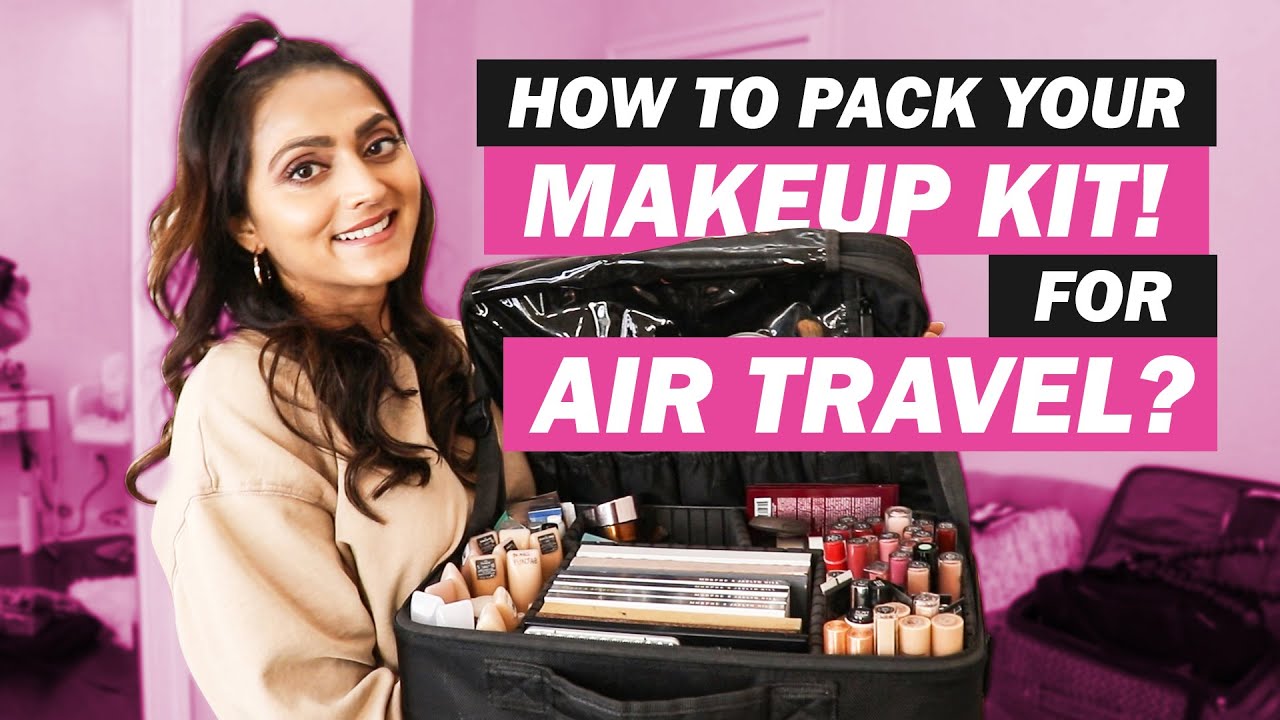
Packing our makeup bags for a flight requires some planning and preparation. Firstly, it's essential to check the TSA's website for the most up-to-date information on makeup products and their packaging. We should also pack our makeup bags carefully, using protective cases and padding to prevent breakage. Additionally, we can consider purchasing travel-sized makeup products, which are designed to meet the TSA's 3-1-1 liquids rule.
In terms of specifics, we should use a clear quart-sized zip-top bag to carry our liquids, gels, and aerosols. We should also keep our makeup products organized, using separate bags or containers for different types of products. By being organized and prepared, we can make the security screening process as smooth as possible and avoid any issues during our flight.
What are the consequences of not following the TSA's rules for makeup on planes?
The consequences of not following the TSA's rules for makeup on planes can be severe. If we're found to be carrying prohibited items in our carry-on or checked luggage, we may be subject to additional screening or even penalties. In some cases, we may be required to surrender our makeup products or face fines for non-compliance. It's essential to check the TSA's website for the most up-to-date information on makeup products and their packaging, and to follow the rules carefully to avoid any issues during our flight.
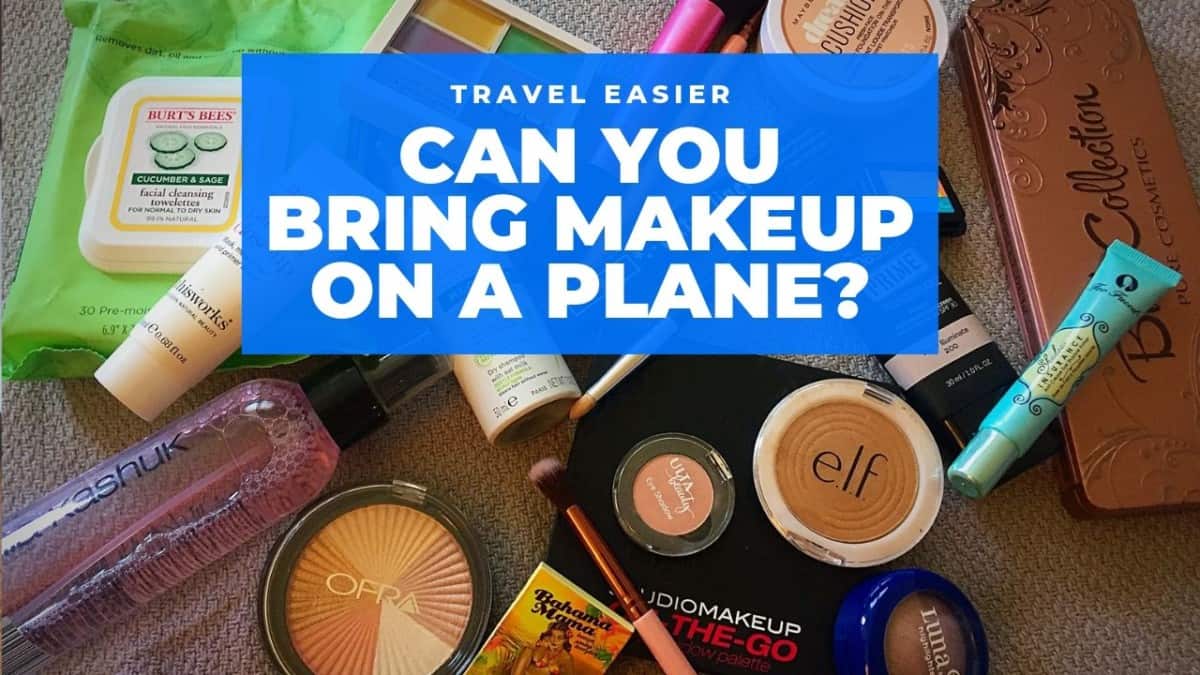
In terms of specifics, the TSA may confiscate our makeup products if they're found to be in non-compliance with the rules. We may also be subject to delayed flights or additional security screening if we're found to be carrying prohibited items. By being prepared and understanding the rules, we can avoid any issues during our flight and ensure that we arrive at our destination safely and in good condition.
Reflections and Connections
As we reflect on the topic of makeup on airplanes, it's clear that there are many factors to consider. From the rules and regulations surrounding makeup products to the cultural impact of in-flight beauty routines, there's a lot to think about. By understanding the rules and being prepared, we can ensure that we're able to take our favorite makeup products with us on our travels and look our best, even in the midst of a chaotic travel schedule.
The connection between makeup on airplanes and human nature is also worth exploring. For many of us, makeup is a way to boost our confidence and feel more prepared for the day ahead. When we're traveling, this can be especially important, as we often find ourselves in unfamiliar surroundings and may feel more self-conscious about our appearance. By understanding the rules and regulations surrounding makeup on planes, we can ensure that we're able to take our favorite products with us and feel our best, even in the midst of a chaotic travel schedule.
In conclusion, the topic of makeup on airplanes is complex and multifaceted. By understanding the rules and regulations, being prepared, and considering the cultural impact and psychological aspects, we can ensure that we're able to take our favorite makeup products with us on our travels and look our best. Whether we're traveling for business or pleasure, makeup can be an essential part of our daily routine, and by being informed and prepared, we can make the most of our travels and enjoy a smooth and stress-free flight.