Can I Take Food On The Airplane
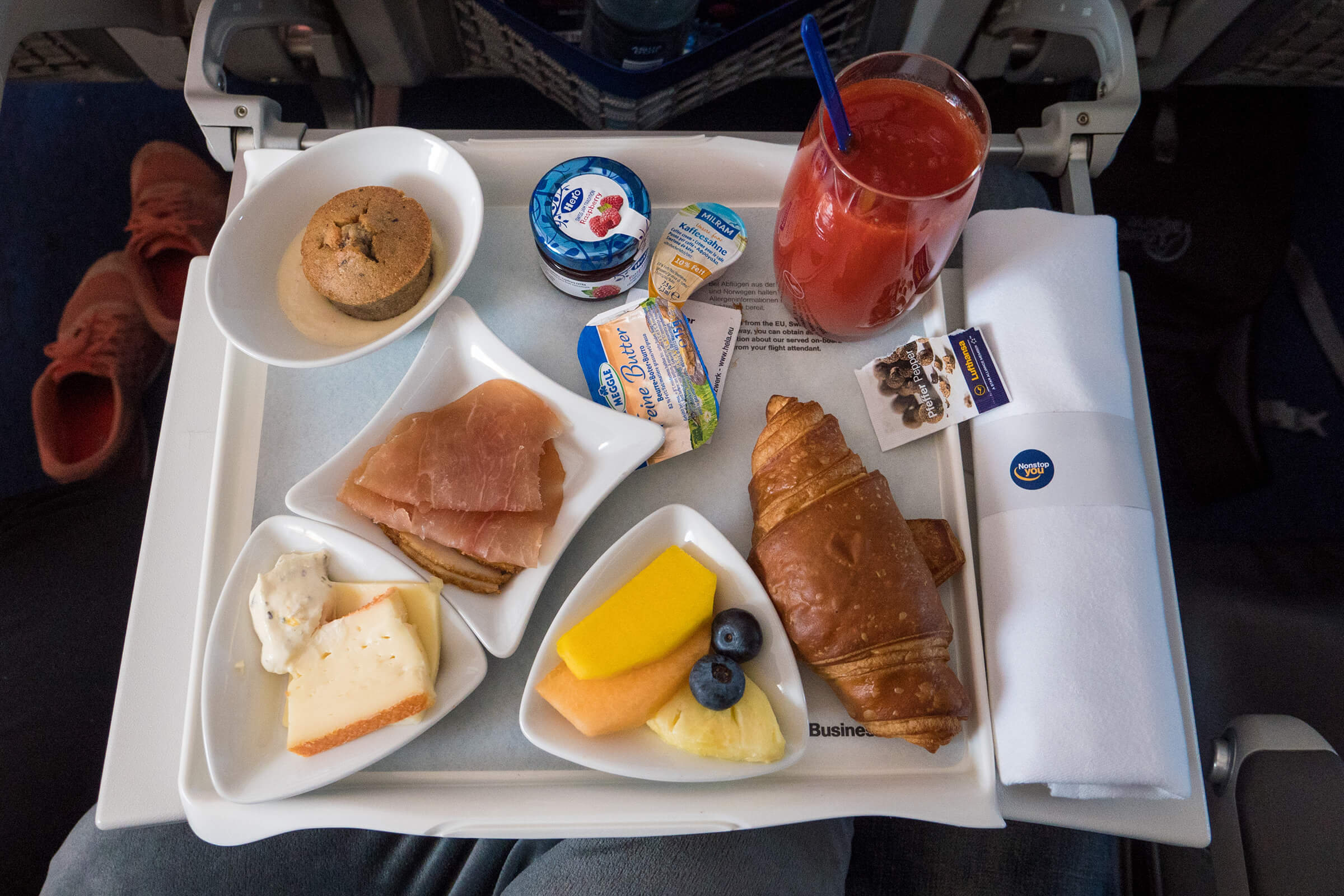
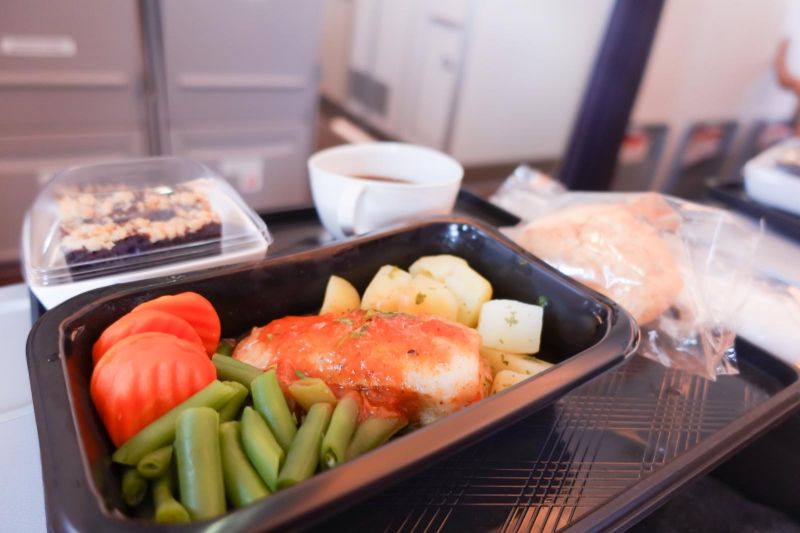
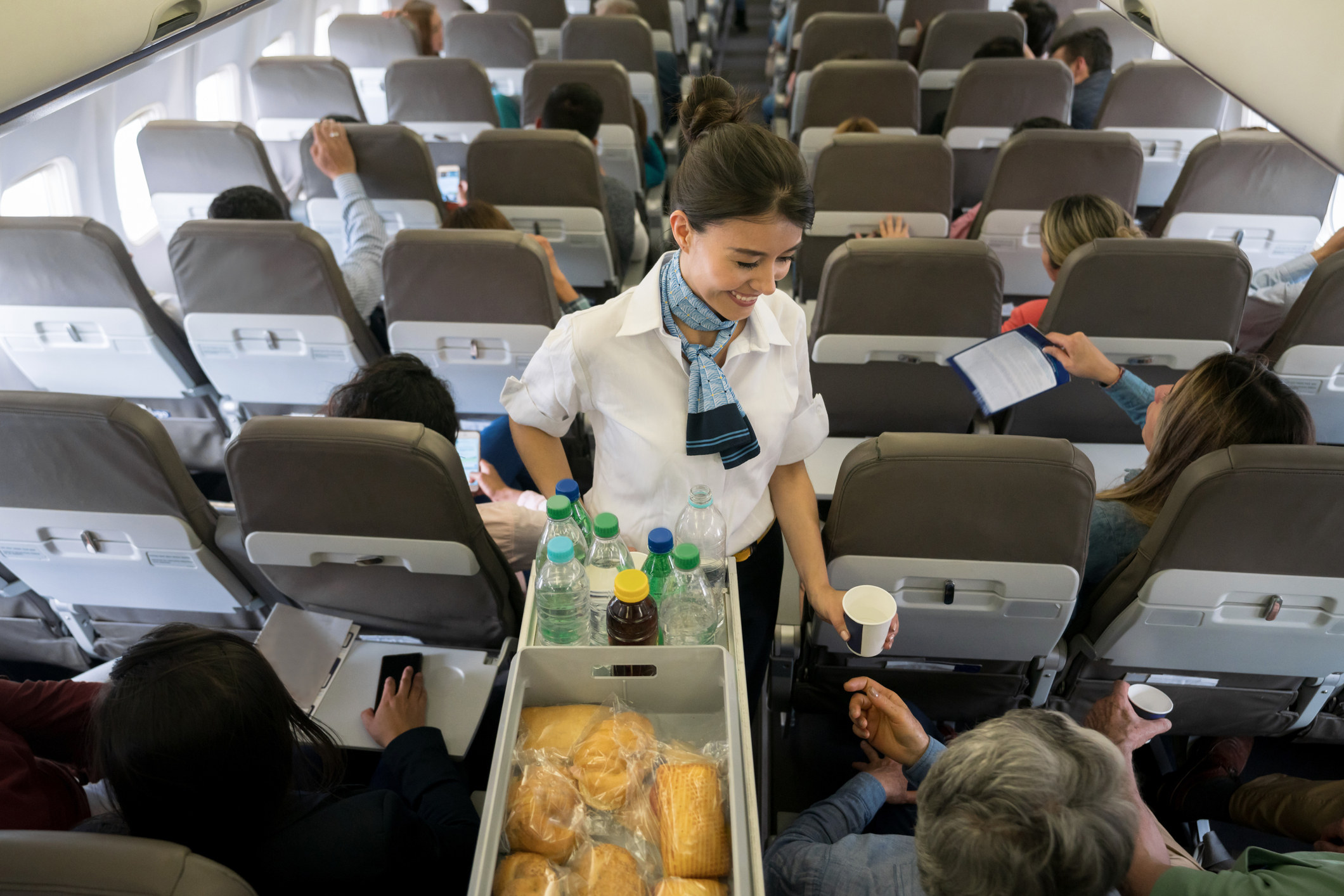
When it comes to traveling by air, one of the most common concerns for passengers is what they can and cannot bring on board, particularly when it comes to food. The rules and regulations surrounding airline food can be confusing, and it's not uncommon for travelers to find themselves wondering if they can take their own snacks on the plane. The answer, however, is not a simple yes or no. Transportation Security Administration (TSA) regulations, airline policies, and biological factors all play a role in determining what types of food are allowed on a flight.
The core mechanics of taking food on an airplane begin with understanding TSA regulations. According to the TSA, solid foods like fruits, nuts, and sandwiches are generally allowed in carry-on bags, while liquids, gels, and aerosols are subject to certain restrictions. This means that passengers can bring items like trail mix, energy bars, or even cooked meals, as long as they are in a solid state. However, items like yogurt, jams, or sauces are considered liquid and must be in containers of 3.4 ounces or less to comply with TSA regulations.
Another factor to consider is the biology of food spoilage. When food is left at room temperature for too long, bacteria can grow rapidly, making it unsafe to eat. This is particularly concerning on an airplane, where food may be stored in a carry-on bag for several hours. Perishable items like meat, dairy, and eggs are especially susceptible to spoilage, and passengers should take precautions to keep them cool or consume them quickly. Understanding the science of food preservation can help travelers make informed decisions about what types of food to bring on their flight.
Must Read
- Heart Of Mexico City Football: Pinpointing The Azteca Stadium Location
- Guadalajara Stadium Parking Guide: Avoid The Matchday Traffic
- Houston Stadium Bag Policy: Clear Bag Rules For Visitors
- Sofi Stadium Capacity: How Many Fans It Can Hold
- Reliant Stadium Parking: A Guide To The Old Name And Current Venue
Understanding the Science Behind Airline Food
The science behind airline food is complex and multifaceted, involving biological, chemical, and physical factors. One key consideration is the impact of altitude on food. As the plane ascends, the air pressure decreases, causing foods to expand and potentially leading to packaging failures. Additionally, the dry air on an airplane can cause food to become stale or dry, affecting its texture and flavor. Passengers should choose foods that are less susceptible to these effects, such as nuts, dried fruits, or energy bars.
Another important factor is the chemical composition of food. Certain types of food, such as those high in sugar or salt, can be dehydrating, which can exacerbate the effects of airplane dryness. On the other hand, foods rich in electrolytes like potassium and magnesium can help to mitigate dehydration. Passengers should opt for foods that are balanced and nutritious, providing essential vitamins and minerals to support their health during the flight.
The systemic reactions of the body during flight should also be considered. As the plane takes off and lands, passengers may experience changes in blood pressure and circulation, which can affect digestion and appetite. Eating light, easy-to-digest foods can help to alleviate these effects, reducing the risk of discomfort or digestive issues during the flight. By understanding the biological and chemical factors at play, passengers can make informed choices about what to eat and when, ensuring a more comfortable and enjoyable travel experience.
Mastering the Art of Bringing Food on a Plane
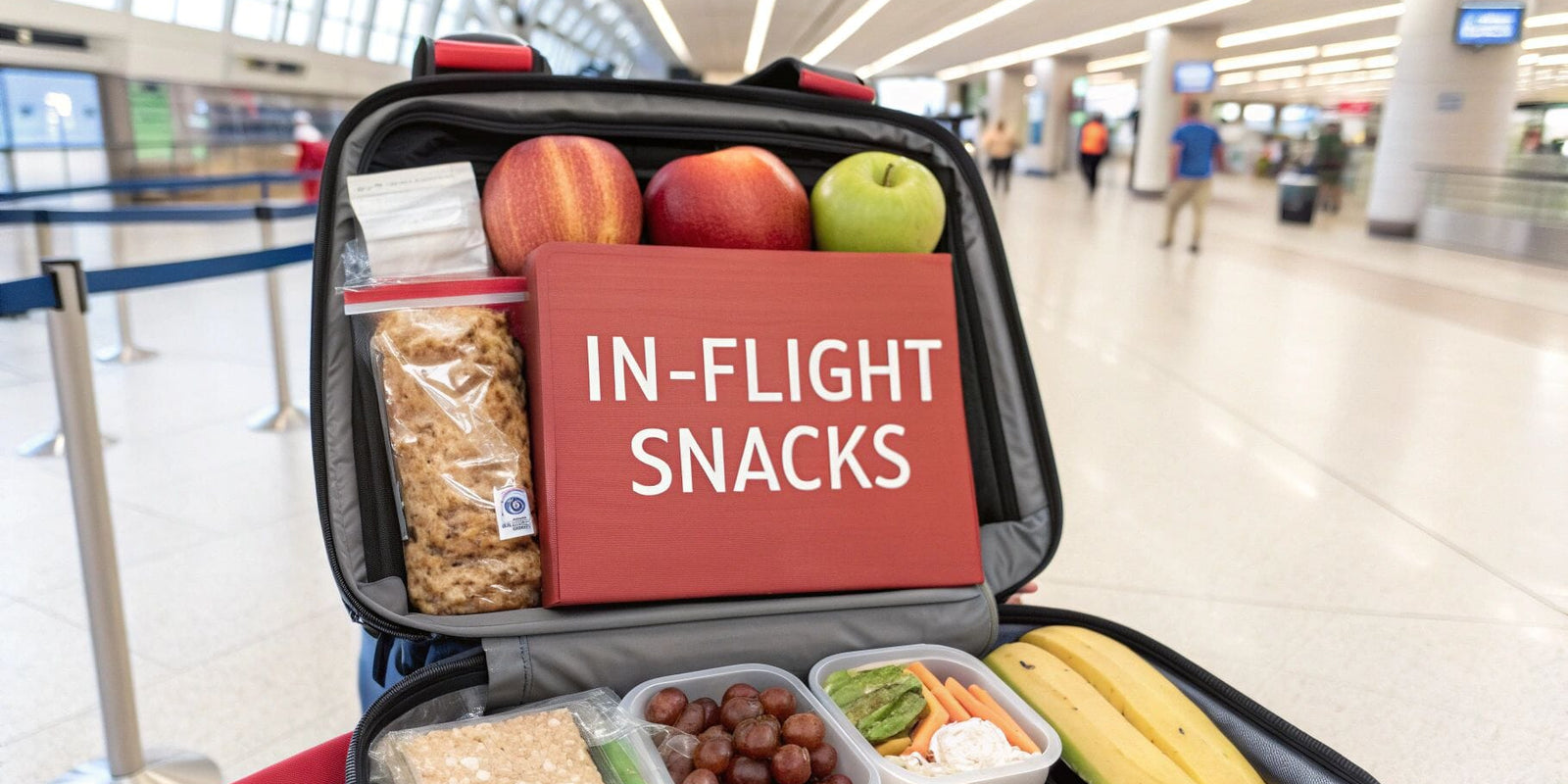
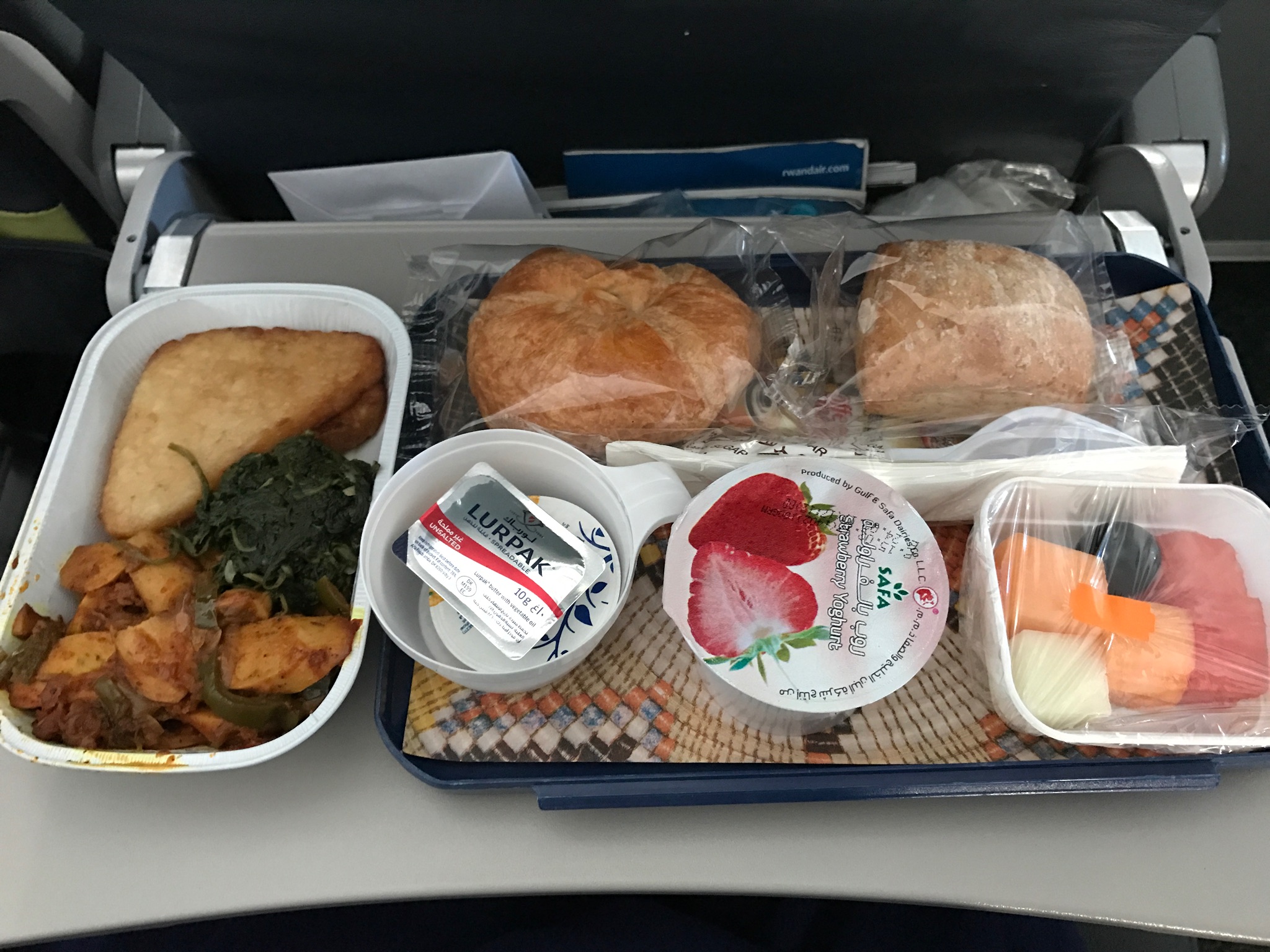
To master the art of bringing food on a plane, passengers should start by planning ahead. This involves researching TSA regulations and understanding what types of food are allowed in carry-on bags. Passengers should also consider their personal preferences and dietary needs, choosing foods that are nourishing and satisfying. A well-stocked snack bag can be a lifesaver on a long flight, providing essential energy and sustenance when meal service is limited or unavailable.
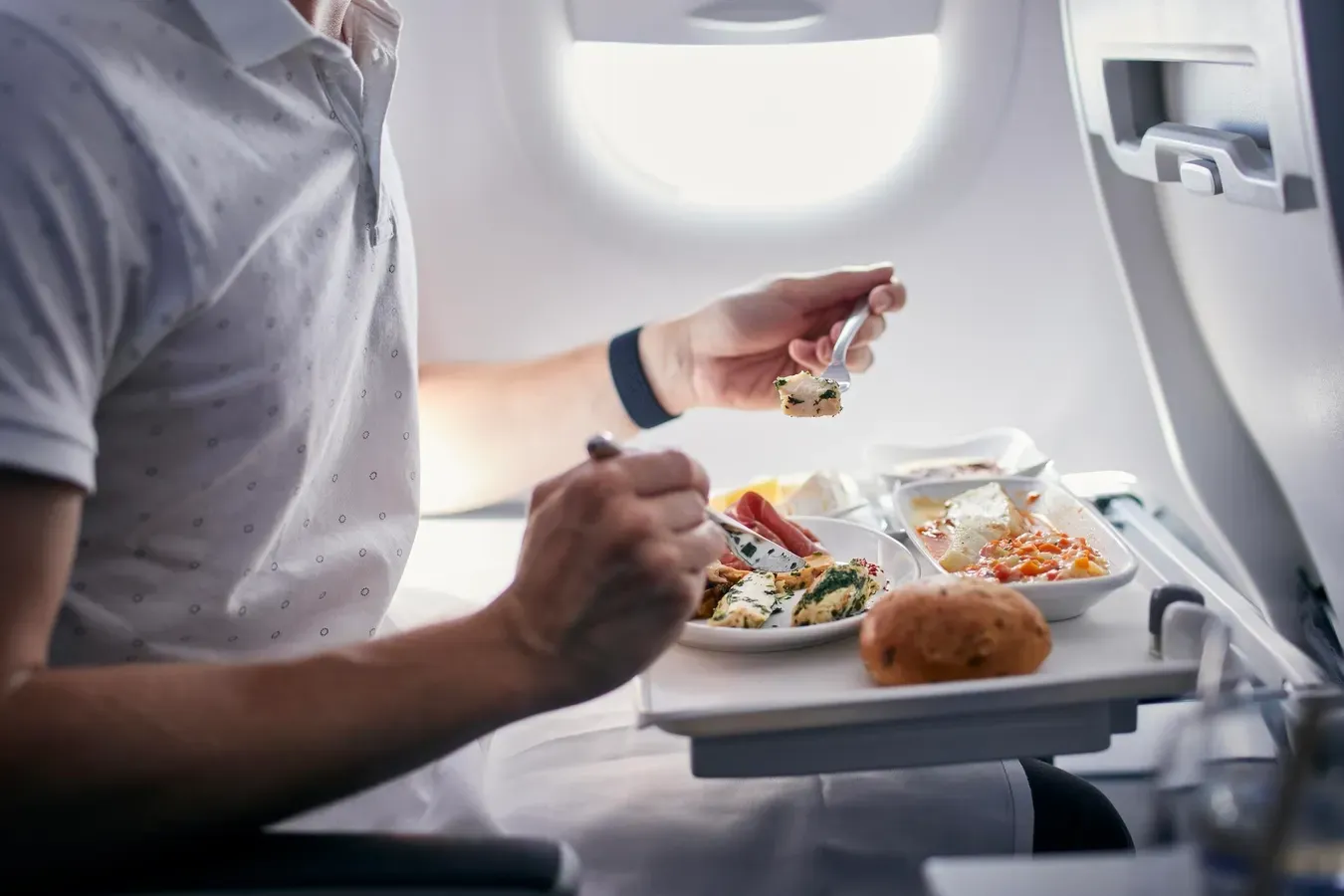
Another key strategy is to pack smart. This means choosing foods that are easy to transport and consume, such as finger foods or items in resealable containers. Passengers should also consider the logistics of eating on a plane, opting for foods that are mess-free and convenient. Wrap-style sandwiches or finger foods like fruit or cheese are ideal, as they are easy to eat and require minimal utensils or preparation.
In addition to planning and packing, passengers should also take care of their health during the flight. This involves staying hydrated by drinking plenty of water, as well as avoiding dehydrating foods like coffee or soda. Passengers should also move regularly to prevent blood clots and stiffness, taking advantage of in-flight exercise programs or simply getting up to stretch and walk the aisles.
Finally, passengers should be prepared for unexpected delays or changes in their travel plans. This means bringing non-perishable snacks that can withstand changes in temperature or humidity, as well as having a backup plan in case of flight cancellations or delays. By being flexible and resourceful, passengers can ensure that they stay nourished and satisfied, even in the face of unexpected challenges or setbacks.
Frequently Asked Questions
What types of food are allowed in carry-on bags?
The types of food allowed in carry-on bags are solid foods like fruits, nuts, and sandwiches, as well as non-liquid snacks like energy bars or dried fruit. However, liquids, gels, and aerosols are subject to certain restrictions, and passengers should ensure that these items are in containers of 3.4 ounces or less to comply with TSA regulations.
When choosing foods for a carry-on bag, passengers should opt for items that are easy to transport and consume, such as wrap-style sandwiches or finger foods like fruit or cheese. These types of foods are ideal for eating on a plane, as they are mess-free and convenient. Passengers should also consider the logistics of eating on a plane, choosing foods that are easy to eat and require minimal utensils or preparation.
How can I keep my food fresh and safe to eat during the flight?
To keep food fresh and safe to eat during the flight, passengers should pack smart and choose foods that are less susceptible to spoilage. This means opting for non-perishable snacks like nuts, dried fruit, or energy bars, which can withstand changes in temperature or humidity. Passengers should also use insulated bags or containers to keep their food cool, and consider packing ice packs or cooling gel packs to keep perishable items like sandwiches or fruits cool.
In addition to packing smart, passengers should also take care of their food during the flight. This means storing food properly in a sealed container or bag, and consuming it quickly to prevent spoilage. Passengers should also be mindful of food safety, choosing foods that are handled and prepared safely, and avoiding foods that are high-risk for contamination like raw meat or dairy products.
:max_bytes(150000):strip_icc()/taking-food-on-a-flight-2972600_v4-5b48e7e246e0fb00373312be.png)
Can I bring my own meals or snacks on a plane?
Yes, passengers can bring their own meals or snacks on a plane, as long as they comply with TSA regulations and airline policies. However, passengers should be aware that some foods may not be allowed in certain countries or regions, and should research any import restrictions before bringing food on their flight. Additionally, passengers should be considerate of their fellow passengers and choose foods that are odor-free and mess-free.
When bringing their own meals or snacks on a plane, passengers should pack smart and choose foods that are easy to transport and consume. This means opting for non-perishable snacks like energy bars or dried fruit, or choosing meals that are light and easy to eat. Passengers should also be mindful of food safety and choose foods that are handled and prepared safely, to prevent spoilage or contamination.
How do I handle food allergies or dietary restrictions when flying?
When flying, passengers with food allergies or dietary restrictions should take extra precautions to ensure their safety. This means researching airline meal options and choosing foods that are safe and suitable for their needs. Passengers should also notify the airline of their dietary restrictions or allergies, to ensure that they are accommodated and safe during the flight.
In addition to researching airline meal options, passengers with food allergies or dietary restrictions should also pack their own snacks and choose foods that are safe and suitable for their needs. This means opting for non-perishable snacks like nuts or dried fruit, or choosing meals that are light and easy to eat. Passengers should also be mindful of cross-contamination and choose foods that are handled and prepared safely, to prevent accidental exposure to allergens or irritants.
What are some healthy snack options that I can bring on a plane?
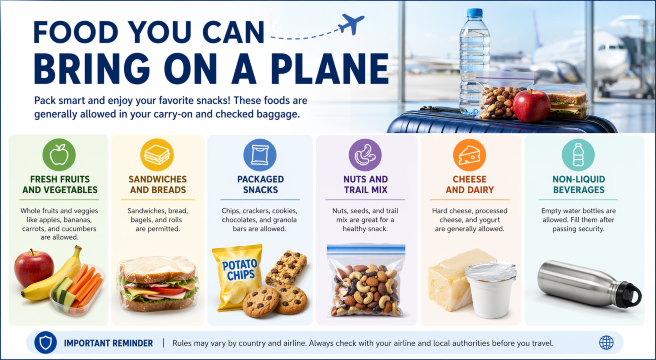
There are many healthy snack options that passengers can bring on a plane, including fresh fruits and vegetables, nuts and seeds, and whole grain crackers. Passengers should opt for snacks that are rich in nutrients and fiber, and low in added sugars and salt. Some examples of healthy snack options include trail mix made with nuts, seeds, and dried fruit, or energy balls made with oats, nuts, and honey.
When choosing healthy snack options, passengers should also consider the practicalities of eating on a plane. This means opting for snacks that are easy to eat and require minimal utensils or preparation. Finger foods like fruit or cheese are ideal, as they are mess-free and convenient. Passengers should also be mindful of food safety and choose snacks that are handled and prepared safely, to prevent spoilage or contamination.
By respecting the science behind taking food on an airplane, passengers can ensure a safe, comfortable, and enjoyable travel experience. Understanding the biological and chemical factors at play can help passengers make informed choices about what to eat and when, and optimize their snack game for maximum nutrition and satisfaction. Whether it's choosing the right types of food, packing smart, or taking care of their health during the flight, passengers can take control of their travel experience and arrive at their destination feeling refreshed, revitalized, and ready to go.
Ultimately, the key to mastering the art of bringing food on a plane is to be prepared, flexible, and resourceful. By doing their research, packing smart, and taking care of their health, passengers can ensure a safe and enjoyable travel experience. Whether it's a quick weekend getaway or a long-haul flight, passengers can optimize their snack game and arrive at their destination feeling happy, healthy, and fulfilled. So the next time you're planning a trip, remember to pack smart, eat well, and enjoy the journey – your taste buds and your body will thank you!