Can I Take An Aerosol Can On A Plane

The world of air travel has become increasingly complex, with rules and regulations changing almost as often as the weather. One of the most common concerns for travelers is what can and cannot be brought on a plane. Amidst the chaos of checking bags, presenting IDs, and removing shoes, a small, often overlooked item can cause significant stress: the aerosol can. Whether it's for hairspray, deodorant, or insect repellent, understanding the rules surrounding aerosol cans on planes is crucial for a smooth and hassle-free travel experience.
The history of aerosol cans dates back to the 1940s, but their use in aviation has been marred by incidents and accidents, leading to strict regulations. The TSA (Transportation Security Administration) and FAA (Federal Aviation Administration) have guidelines in place to ensure safety while allowing passengers some freedom in what they can carry. As travel continues to evolve, so do the rules, making it essential for travelers to stay informed. The question of whether one can take an aerosol can on a plane is not as simple as a yes or no answer; it depends on various factors, including size, content, and the destination of the flight.
Understanding the Basics
Delving into the world of aerosol can regulations reveals a complex tapestry of rules and exceptions. For instance, most aerosol cans are allowed in checked bags, but there are restrictions on size and type for carry-ons. The 3-1-1 liquids rule applies to aerosols as well, requiring that they be in containers of 3.4 ounces or less and fit in a clear, quart-sized zip-top bag. However, this rule does not apply to checked luggage, where aerosol cans can be larger, though they must still comply with hazardous materials regulations. Understanding these basics is key to avoiding issues at security checkpoints.
Must Read
- Heart Of Mexico City Football: Pinpointing The Azteca Stadium Location
- Guadalajara Stadium Parking Guide: Avoid The Matchday Traffic
- Houston Stadium Bag Policy: Clear Bag Rules For Visitors
- Sofi Stadium Capacity: How Many Fans It Can Hold
- Reliant Stadium Parking: A Guide To The Old Name And Current Venue
Psychologically, the thought of navigating these rules can induce anxiety in travelers, especially those who rely on aerosol products for medical or personal reasons. The fear of having an essential item confiscated or being denied boarding can add to pre-flight stress. However, being informed and prepared can mitigate these worries. Cultural references to air travel often depict a utopian scenario where travelers glide through security with ease, but the reality involves a deeper understanding of what is and isn't allowed on board.
From a cultural impact perspective, the restrictions on aerosol cans reflect broader societal concerns about safety and security. The war on terror and incidents of air piracy have led to a hardened stance on what is permissible on flights. This shift has influenced not just the way we travel but also how we perceive freedom and convenience in the context of air travel. The aerosol can, once a ubiquitous and unremarkable item, has become a symbol of the compromises we make for the sake of security.
Practical Considerations
For the practical traveler, knowing the scenarios in which aerosol cans are allowed or prohibited is essential. For example, hair sprays and deodorants are common aerosol items that can be packed in carry-ons, provided they adhere to the 3-1-1 rule. However, insect repellents and aerosol sunscreens might be subject to additional scrutiny due to their potential to be used as flammable materials. Understanding these nuances can save time and reduce frustration during the security process.
Case studies of travelers who have inadvertently violated these rules offer valuable lessons. For instance, a passenger heading to a destination with strict environmental regulations might find their aerosol insect repellent confiscated due to its potential harm to local ecosystems. Being aware of not just TSA regulations but also destination-specific rules can prevent such setbacks. Furthermore, planning ahead and packing smart can ensure that all necessary items are accounted for without risking a security issue.
Actionable takeaways for travelers include packing smart, where essential aerosol items are placed in easy-to-access parts of carry-ons to facilitate quick security checks. Additionally, researching the airline's policies can provide insights into any additional restrictions beyond those imposed by the TSA. Lastly, considering alternatives to aerosol products, such as gel or solid deodorants, can simplify the travel process entirely.
For frequent travelers, developing a routine that includes checking the TSA's website for updates on allowed and prohibited items can be beneficial. Moreover, investing in travel-sized toiletries can ensure compliance with the 3-1-1 rule while minimizing the risk of having items confiscated. By adopting these strategies, travelers can navigate the complexities of aerosol can regulations with confidence.
Frequently Asked Questions
Can I Take Any Aerosol Can on a Plane?
The answer to this question depends on several factors, including the size of the can, its contents, and whether it's in a checked or carry-on bag. Generally, aerosol cans in carry-on bags must comply with the 3-1-1 liquids rule, while those in checked bags are subject to hazardous materials regulations. It's also important to consider the type of aerosol; for example, flammable substances might be restricted or banned altogether.
Understanding the specifics of these regulations can save travelers a lot of hassle. For instance, medicinal aerosols might be allowed in larger quantities if the passenger has a prescription or medical note. The key is to be informed and prepared, ensuring that all aerosol items are properly packaged and declared to avoid any issues during security screening.
Are There Exceptions for Medicinal Aerosols?
Yes, there are exceptions for medicinal aerosols, which can be carried in quantities larger than 3.4 ounces. However, these items must be declared and presented at security checkpoints, and passengers may need to provide a prescription or medical note explaining their need for the medication. It's also advisable to inform the TSA officer about any medicinal items before screening to ensure a smooth process.
The process for handling medicinal aerosols highlights the balance between security and passenger needs. By allowing exceptions for essential medical items, the TSA acknowledges the importance of accommodating travelers' health requirements while maintaining rigorous security standards. For travelers with specific medical needs, researching TSA guidelines and packing appropriately can make a significant difference in their travel experience.
How Do I Pack Aerosol Cans to Avoid Issues?
Packing aerosol cans requires careful consideration to avoid issues during security checks. For carry-ons, ensuring that aerosol cans are in containers of 3.4 ounces or less and fit in a clear, quart-sized zip-top bag is crucial. For checked bags, it's essential to protect the cans from puncture and ensure they comply with hazardous materials regulations.

Additionally, labeling and declaring aerosol items, especially if they are for medical use, can facilitate the security process. Travelers should also be prepared to remove aerosol cans from carry-ons and place them in a bin for X-ray screening. By following these steps, passengers can minimize the risk of delays or confiscated items.
Can Aerosol Cans Be Checked in Luggage?
Yes, aerosol cans can be checked in luggage, but they must comply with hazardous materials regulations. This includes ensuring that the cans are properly protected to prevent puncture and leakage. It's also important to check with the airline for any specific restrictions or guidelines on checking aerosol items.
declare all aerosol items at check-in to avoid any potential issues during transit. Furthermore, considering the destination's regulations on aerosol products is crucial to avoid having items confiscated upon arrival.
Are There Alternatives to Aerosol Products for Travel?
Yes, there are alternatives to aerosol products that can simplify travel. Non-aerosol versions of products like deodorants, hairsprays, and sunscreens are available and can be packed without the restrictions associated with aerosols. Additionally, solid or gel alternatives to traditional aerosol products can be more convenient for air travel.
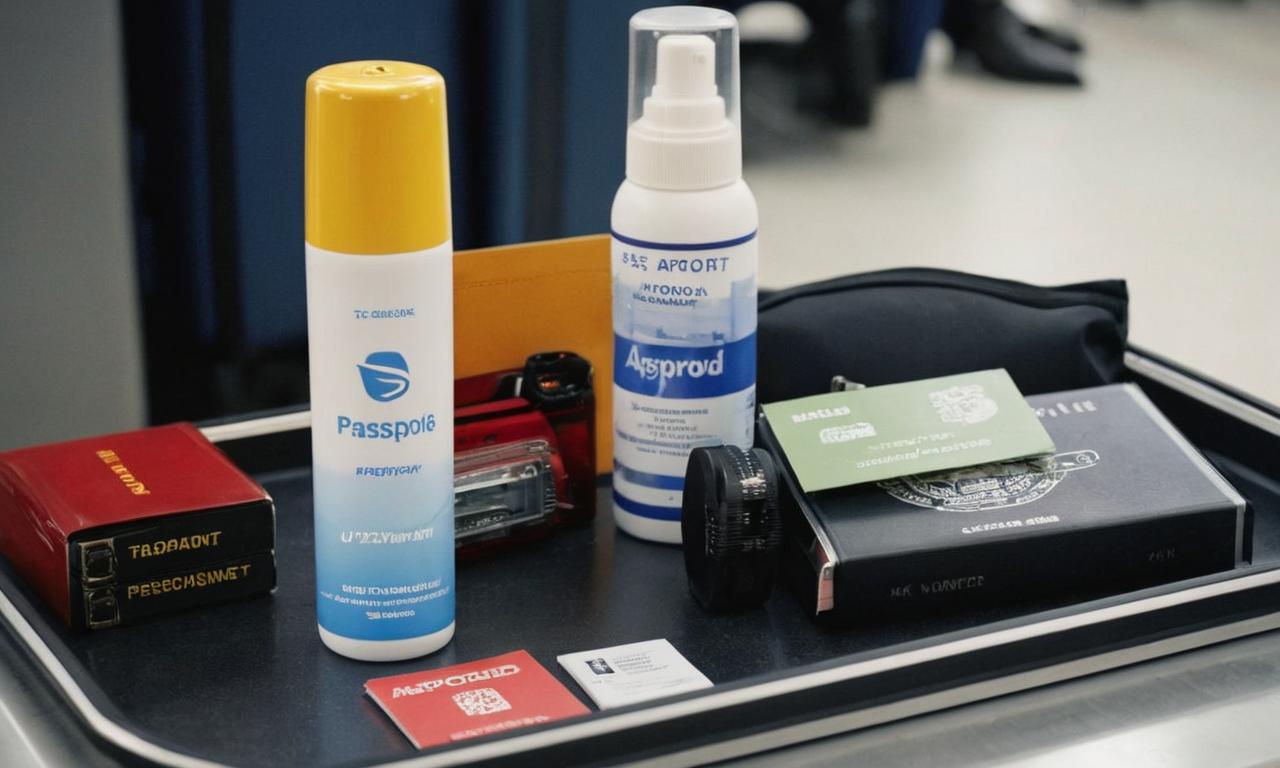
Considering these alternatives can not only reduce travel stress but also contribute to a more environmentally friendly travel practice. Many airlines and travel organizations recommend choosing non-aerosol products to minimize risks and comply with regulations more easily. By choosing these alternatives, travelers can ensure a smoother, more compliant travel experience while also reducing their environmental footprint.
Reflections on Aerosol Cans and Air Travel
Reflecting on the regulations and considerations surrounding aerosol cans on planes reveals a broader narrative about modern air travel. The balance between security and convenience is a delicate one, with aerosol cans becoming a symbol of the trade-offs we make for safety. As travel continues to evolve, understanding and adapting to these regulations will be crucial for a stress-free flying experience.
The psychological impact of these regulations should not be underestimated. The anxiety of preparation, the stress of security checks, and the relief of boarding are all part of the travel experience. By demystifying the rules surrounding aerosol cans and other restricted items, travelers can better navigate these emotions and focus on the joys of exploring new destinations.
Ultimately, the story of aerosol cans on planes is a human one, full of inconveniences and compromises, but also of resilience and adaptation. As we continue to soar through the skies, the humble aerosol can will remain a small but significant part of our travel narratives, a reminder of the intricacies and complexities of modern air travel.