Can I Put Wine In My Checked Luggage
When it comes to traveling, especially for wine enthusiasts, the question of whether you can put wine in your checked luggage is a pressing concern. The prospect of enjoying a favorite bottle at your destination or bringing back a rare wine from your travels is enticing, but it's crucial to understand the regulations, risks, and best practices involved. At the heart of this issue lies a combination of logistical considerations, security regulations, and physical factors that can affect the integrity and safety of your wine during transport.
The principle behind safely transporting wine in checked luggage revolves around understanding the physical stresses that bottles may undergo during a flight, such as changes in air pressure and temperature fluctuations. These factors can cause the wine to expand or contract, potentially leading to the cork being pushed out or the bottle breaking. Moreover, the security screening process requires that all items in checked luggage must comply with the Transportation Security Administration's (TSA) guidelines, which do allow for the transportation of wine but come with specific packing and quantity limitations.
Furthermore, the biological stability of wine is another critical aspect to consider. Wine is a chemical matrix that can be affected by various environmental factors, including light exposure, vibrations, and temperature shifts. These elements can influence the aging process, the oxidation rate, and ultimately, the taste and quality of the wine. Understanding these scientific principles can empower travelers to make informed decisions about how to pack and transport their wine effectively.
Must Read
Understanding the Science Behind Wine Transportation
Diving deeper into the science, the physical properties of wine play a significant role in how it should be handled during transport. The coefficient of expansion of wine is crucial, as it dictates how much the liquid will expand with temperature increases, potentially causing the bottle to become over-pressurized. Additionally, the materials used in wine bottles, such as glass and cork, have their own thermal expansion coefficients that must be considered to prevent potential leaks or breakages.
The biology of wine is equally important, as wine is a living ecosystem containing microorganisms that can be affected by the conditions it is exposed to during transport. The presence of oxygen, light, and temperature fluctuations can stimulate unwanted chemical reactions, such as oxidation, which can degrade the quality of the wine. Understanding these biological processes allows for better planning and preparation to minimize the risk of spoilage.
Moreover, the packaging materials used can significantly impact the safety and quality of the wine during transport. The use of sturdy boxes specifically designed for wine bottles, protective filling materials, and sealable plastic bags can help mitigate the risks associated with movement and changes in environment. By applying these scientific principles and using the right materials, travelers can effectively protect their wine and ensure it arrives at its destination in good condition.
Practical Strategies for Transporting Wine in Checked Luggage
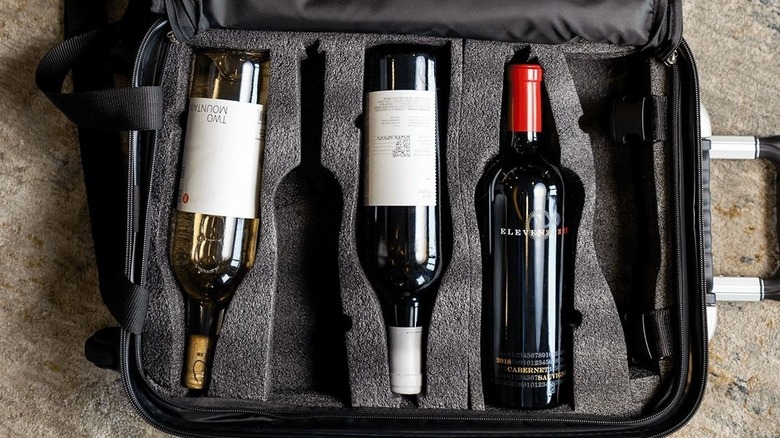
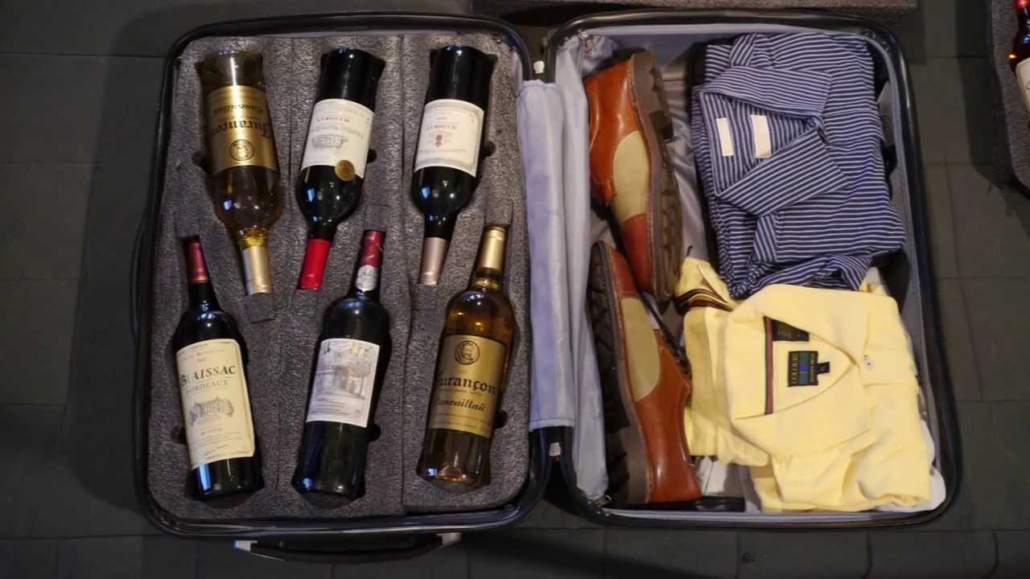
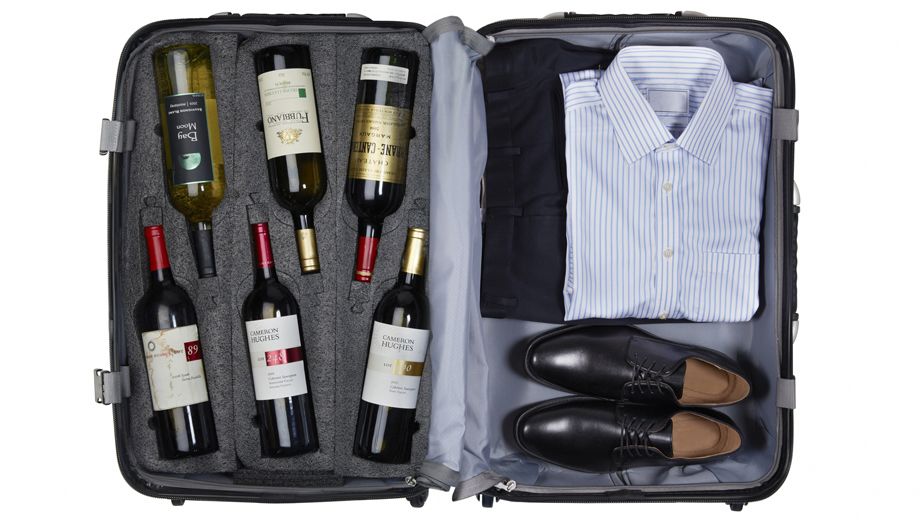
To master the art of transporting wine in checked luggage, it's essential to follow a set of practical guidelines. First, check with the airline for their specific policies regarding the transportation of wine in checked luggage. Most airlines allow wine, but there may be limitations on quantity and packaging. Second, pack the wine carefully using a sturdy wine box or a specially designed wine transportation bag that can absorb shocks and protect against breakage.
Another crucial step is to declare the wine at check-in. This is not only a matter of transparency but also a precautionary measure in case the wine is damaged during transport. By declaring the wine, you may be able to claim compensation if it is damaged. Furthermore, keeping the wine bottles upright during transport can prevent the cork from being pushed out due to changes in air pressure. This can be achieved by packing the bottles in an upright position within the luggage.
In addition to these measures, tracking the luggage and insuring the wine can provide peace of mind and financial protection against loss or damage. Many airlines and travel insurance providers offer coverage for valuables, including wine, in checked luggage. By taking these proactive steps, travelers can minimize the risks associated with transporting wine and enjoy their favorite bottles at their destination.
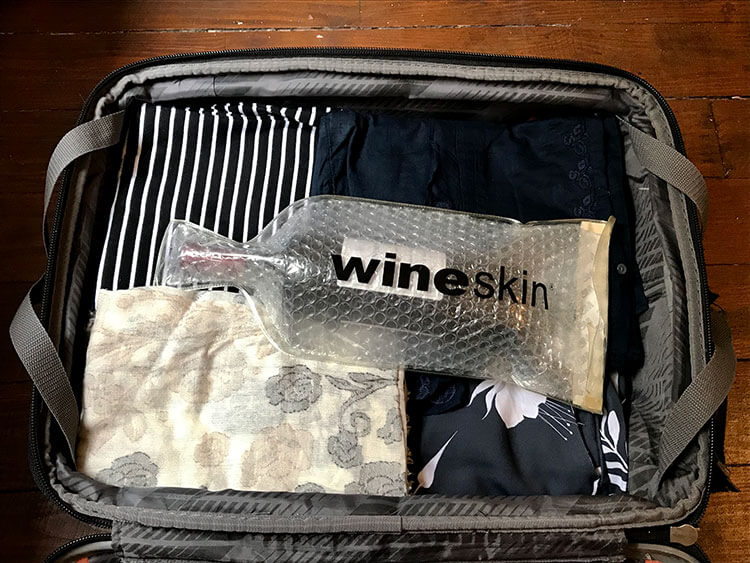
Lastly, packing essentials such as wine bottle protectors, bubble wrap, and a reliable luggage tracker can make a significant difference in the safe transportation of wine. These tools not only protect the wine from physical damage but also provide a means to monitor the location and condition of the luggage at all times, allowing for swift action in case of any issues.

Frequently Asked Questions
Can I Pack Wine in My Carry-On Luggage?
The question of whether wine can be packed in carry-on luggage is a common one, and the answer lies in understanding the TSA's 3-1-1 liquids rule. According to this rule, liquids, gels, and aerosols in containers of 3.4 ounces or less can be carried in a clear, quart-sized ziplock bag. However, wine bottles typically exceed this volume limit, making checked luggage the preferred option for transporting wine. Nonetheless, if you have a small, unopened bottle of wine that meets the 3-1-1 rule, it may be allowed in your carry-on, but it's always best to check with the TSA beforehand.
In practice, carrying wine in carry-on luggage is not the most recommended approach due to the potential for security delays and the limited protection offered to the bottle against impacts and changes in air pressure. For these reasons, checked luggage, when properly packed and declared, remains the safer and more reliable option for transporting wine during flights.
How Do I Pack Wine to Prevent Breakage?
Packing wine to prevent breakage requires careful consideration of the materials used and the packing technique. The first step is to use a sturdy, specifically designed wine box that can absorb shocks and protect the bottle from impacts. Within this box, filling materials such as bubble wrap or paper should be used to prevent the bottle from moving around. Additionally, sealing the box securely with tape and ensuring it is not overloaded can further reduce the risk of breakage.
A crucial aspect of packing wine is to keep it upright to prevent the cork from being pushed out due to changes in air pressure. This can be achieved by packing the bottle in an upright position within the luggage or using a wine transportation bag with compartments designed to keep bottles upright. By applying these packing strategies, the risk of breakage can be significantly minimized, ensuring the wine arrives at its destination safely.
What Happens If My Wine Is Damaged During Transport?
In the unfortunate event that wine is damaged during transport, understanding the claims process and having the right documentation can make a significant difference. First, it's essential to report the damage to the airline as soon as possible, providing detailed descriptions and photos of the damage. The airline may require a claim form to be filled out, and in some cases, may request the damaged items to be sent back for inspection.
HAVING travel insurance that covers valuables, including wine, can provide financial protection against loss or damage. When purchasing travel insurance, it's crucial to read the policy details carefully, ensuring that wine is included in the coverage and understanding the process for filing a claim. By being prepared and having the right insurance, the financial impact of damaged wine can be mitigated, allowing travelers to enjoy their trip without significant financial worry.
Are There Any Restrictions on the Quantity of Wine I Can Transport?
The quantity of wine that can be transported in checked luggage is subject to both airline policies and customs regulations. While there is no universal limit, most airlines allow a reasonable quantity of wine for personal consumption, typically up to a few bottles per passenger. However, customs regulations can vary significantly between countries, with some imposing strict limits on the importation of alcohol, including wine.
Before transporting wine, it's essential to check with the airline for their specific policies and to research the customs regulations of the destination country. This includes understanding any duty-free allowances and the declaration process for alcohol. By being aware of these regulations, travelers can avoid potential fines or confiscation of their wine, ensuring a smooth and enjoyable journey.

How Do I Declare Wine at Check-In?
Declaring wine at check-in is a straightforward process that involves informing the airline staff about the wine in your checked luggage. This is typically done when checking in for your flight, and you may be required to fill out a declaration form indicating the quantity and value of the wine. It's essential to be honest and transparent about the contents of your luggage, as this can affect the handling and insurance of your items.
In addition to declaring the wine, providing detailed information about the wine, such as its value and the number of bottles, can be helpful in case the wine is damaged or lost during transport. Some airlines may also require proof of purchase or documentation showing the wine's value. By declaring the wine and providing the necessary documentation, travelers can ensure that their wine is handled with care and that they are adequately protected in case of any issues.
Embracing the science and practical strategies behind transporting wine in checked luggage not only ensures the safe arrival of your favorite bottles but also reflects a deeper understanding of the complexities involved in air travel. By respecting the physical laws that govern the behavior of liquids under different conditions, the biological stability of wine, and the logistical considerations of air transport, travelers can optimize their packing and transportation methods, ultimately enhancing their travel experience.
This approach to traveling with wine also underscores the value of preparation and proactivity in overcoming the challenges of modern travel. By educating themselves on the best practices and regulations surrounding wine transport, individuals can navigate complex situations with confidence, turning what could be a frustrating experience into an opportunity to apply scientific knowledge and practical wisdom. This mindset of optimization and empowerment can be extended to other aspects of travel and daily life, leading to more efficient, enjoyable, and fulfilling experiences.