Can I Bring Fast Food Through Tsa
The hustle and bustle of modern life often leaves us craving convenience, and what's more convenient than grabbing a quick bite from our favorite fast food joint? But have you ever found yourself at the airport, clutching a delicious-smelling burger and wondering, can I bring fast food through TSA? The answer might surprise you. As it turns out, the Transportation Security Administration (TSA) has some pretty straightforward rules about bringing food through security checkpoints. However, it's not just about the rules - it's also about how you bring that food. And let's be real, who doesn't love a good airport snack?
Fast food has been a staple of American road trips and quick meals for decades. From the humble beginnings of White Castle in the 1920s to the modern-day behemoths like McDonald's and Burger King, fast food has become an integral part of our culture. But when it comes to air travel, the rules change. TSA regulations dictate what can and cannot be brought through security checkpoints, and food is no exception. So, the next time you're tempted to sneak a freshly purchased bucket of fried chicken through security, think twice. The consequences might not be as severe as you think, but it's still important to follow the rules.
Understanding TSA Regulations
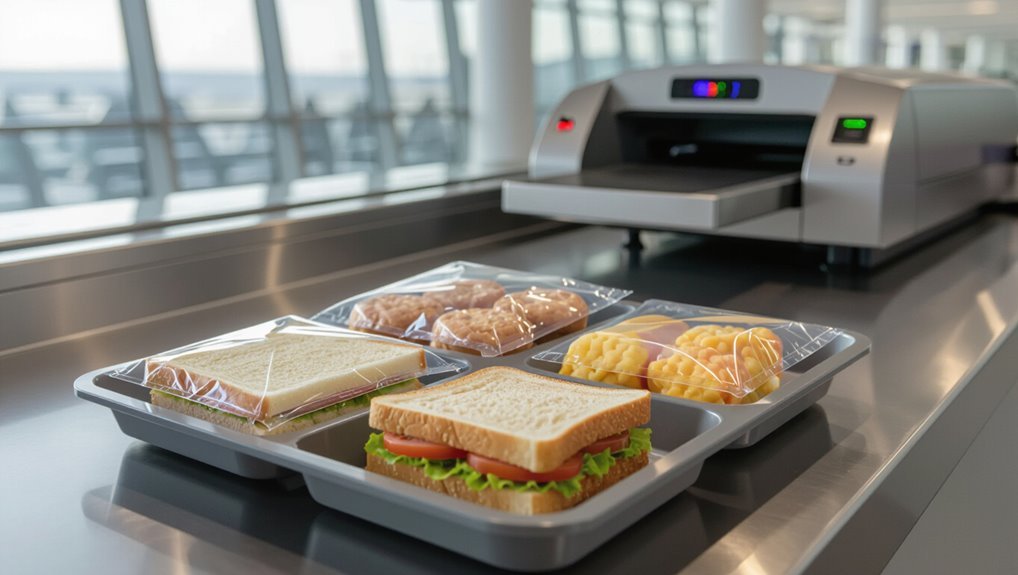
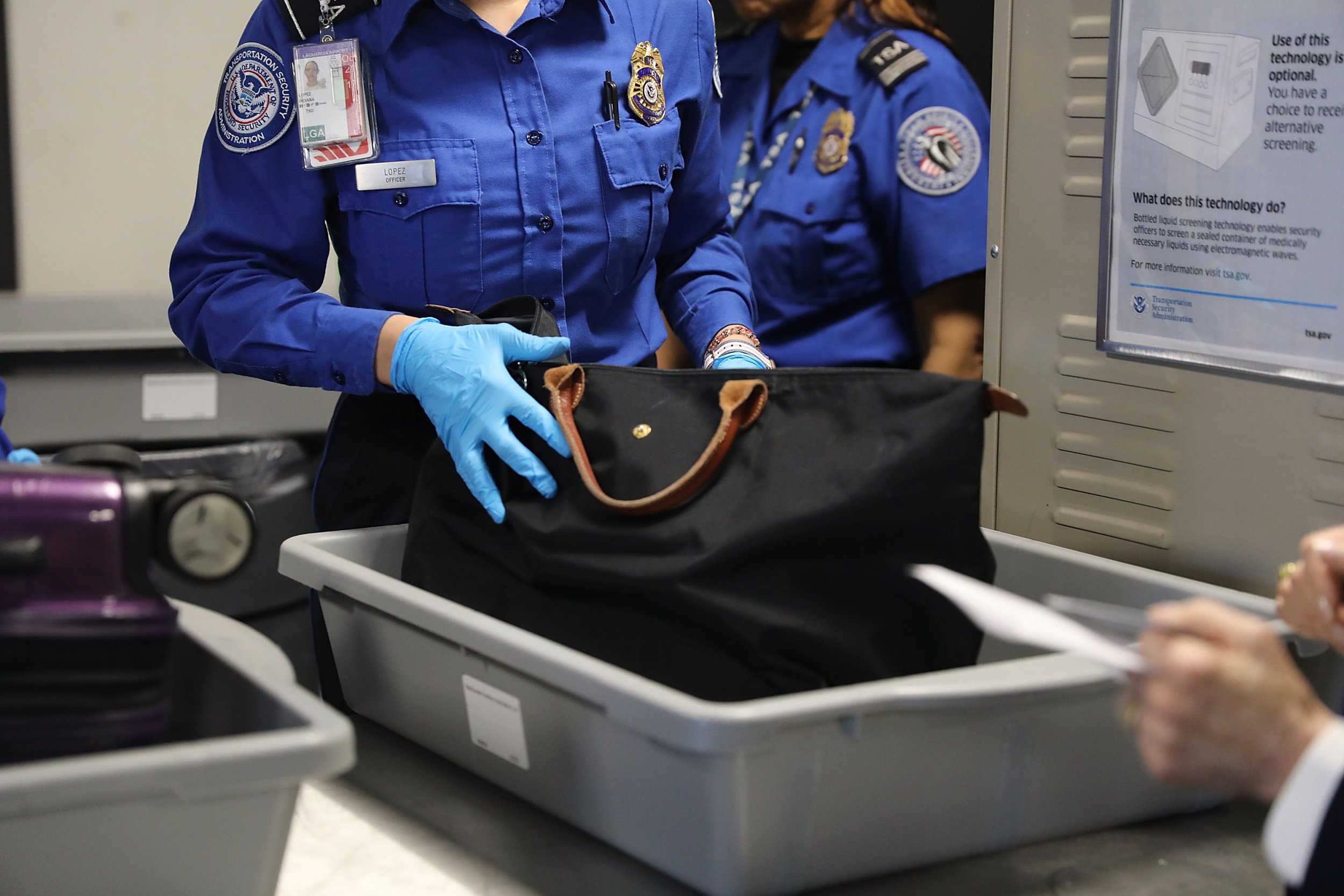
So, what exactly are the rules when it comes to bringing fast food through TSA? The short answer is: it depends on the type of food. Solid foods like sandwiches, fruits, and vegetables are generally allowed, but liquids, gels, and aerosols are subject to the 3-1-1 rule. This means that any item in a liquid, gel, or aerosol form must be in a container of 3.4 oz or less, and all such items must fit in a clear, quart-sized zip-top bag. But what about that juicy burger or crispy fries you just can't resist? As long as they're not in a liquid or gel-like state, you're good to go. Just be sure to check with your airline for any specific rules or restrictions on food and drink items in the cabin.
Must Read
- Heart Of Mexico City Football: Pinpointing The Azteca Stadium Location
- Guadalajara Stadium Parking Guide: Avoid The Matchday Traffic
- Houston Stadium Bag Policy: Clear Bag Rules For Visitors
- Sofi Stadium Capacity: How Many Fans It Can Hold
- Reliant Stadium Parking: A Guide To The Old Name And Current Venue
But why do these rules matter? For one, security is a top priority for the TSA. By regulating what can and cannot be brought through security checkpoints, the TSA can help prevent potential threats to air travel. And let's not forget about the logistical challenges of dealing with food and drink items in the cabin. From spills and stains to spills and, ahem, other accidents, the last thing you want to deal with at 30,000 feet is a messy meal. By following the rules and using some common sense, you can enjoy your fast food fix without any hassle.
It's also worth noting that cultural differences can play a significant role in how we approach food and travel. In some countries, it's common to bring your own food onto planes, while in others, it's strictly forbidden. As a global community, we're becoming increasingly connected, and food is often at the forefront of these cultural exchanges. So, the next time you're at the airport, take a moment to appreciate the diverse array of culinary delights on offer - and don't be afraid to try something new.
Practical Insights and Scenarios
So, how can you make the most of your fast food experience at the airport? For starters, plan ahead. If you know you'll be hungry during your flight, consider grabbing a bite to eat before you go through security. This will not only save you money but also ensure that you have a wider range of options to choose from. And if you do decide to bring food through security, be sure to check the TSA's website for the most up-to-date information on what's allowed and what's not.
But what about special dietary needs? If you have specific requirements or restrictions, it's essential to plan ahead and research your options. Many airports now offer a range of healthy and specialty food options, from gluten-free to vegan. And if you're traveling with children or infants, be sure to check with your airline for any specific rules or regulations on food and drink items in the cabin.
Another scenario to consider is long-haul flights. If you're embarking on a lengthy journey, it's essential to stay fueled and hydrated. While it's tempting to rely on airline meals, these can often be limited and unhealthy. By bringing your own food and snacks, you can ensure that you have a steady supply of energy throughout your flight. Just be sure to check with your airline for any specific rules or restrictions on food and drink items in the cabin.
Finally, it's worth considering the environmental impact of our food choices. From packaging waste to carbon emissions, the production and transportation of food can have a significant impact on the environment. By choosing sustainable and locally sourced options, you can help reduce your carbon footprint and make a positive impact on the planet. So, the next time you're at the airport, take a moment to think about the broader implications of your food choices.
Frequently Asked Questions
Can I bring fast food through TSA if it's in a sealed container?
The answer to this question is a bit more complicated than you might think. While sealed containers are generally allowed, there are some exceptions to be aware of. For example, if your fast food is in a liquid or gel-like state, it will be subject to the 3-1-1 rule. Additionally, if your container is too large or opaque, it may be screened or confiscated by TSA agents. To avoid any issues, it's best to check with the TSA or your airline for specific guidance on sealed containers and food items.
![TSA Carry-On Rules: What You Can And Cannot Bring Through Security [2025]](https://www.thepointsanalyst.com/wp-content/uploads/2025/08/Image-2-8.jpeg)
But what about special cases, like baby food or medication? In these situations, the TSA offers some exemptions and accommodations. For example, baby formula and breast milk are allowed in reasonable quantities, and passengers with medical conditions may be permitted to bring specific food or drink items through security. It's essential to declare these items at the security checkpoint and be prepared to provide documentation or explanation as needed.
How do I pack my fast food to bring through TSA?
Packing your fast food for a flight requires some careful consideration. First, choose the right container. A clear, quart-sized zip-top bag is ideal for carrying solid food items like sandwiches, fruits, and vegetables. For liquids, gels, and aerosols, be sure to use a container of 3.4 oz or less and place it in a clear, quart-sized zip-top bag. You can also use reusable containers or collapsible bags to make the most of your carry-on space.
Another tip is to keep it simple. Avoid bringing complicated or messy food items that might be difficult to eat on the plane. Opt for finger foods like sandwiches, wraps, or energy bars, and consider packaging your food in smaller, more manageable portions. This will not only make it easier to eat on the plane but also reduce waste and mess.
Can I bring hot fast food through TSA?
The rules for bringing hot fast food through TSA are a bit more nuanced. While solid foods like burgers and fries are generally allowed, hot liquids like soup or coffee are subject to the 3-1-1 rule. This means that any hot liquid must be in a container of 3.4 oz or less and placed in a clear, quart-sized zip-top bag. Additionally, be aware that hot foods can be a security risk if they're not properly contained, so be sure to use a thermal container or insulated bag to keep your food warm and secure.

But what about special cases, like thermoses or insulated containers? In these situations, the TSA offers some guidance and accommodations. For example, empty thermoses are allowed through security checkpoints, but filled thermoses may be subject to additional screening. It's essential to check with the TSA or your airline for specific guidance on hot fast food and thermal containers.
How do I handle food allergies or dietary restrictions when bringing fast food through TSA?
For passengers with food allergies or dietary restrictions, bringing fast food through TSA requires some extra planning. First, research your options. Look for airports and airlines that offer specialty food options or accommodations for passengers with dietary restrictions. You can also pack your own food and bring it through security, just be sure to declare any allergies or restrictions at the security checkpoint.
Another tip is to carry a food allergy card or medical documentation with you when you travel. This can help communicate your needs to TSA agents and airline staff, and ensure that you receive the accommodations you need. Additionally, consider packing a portable snack kit with safe and healthy options to keep you fueled and satisfied during your flight.
Can I bring fast food through TSA if I'm traveling internationally?
The rules for bringing fast food through TSA when traveling internationally are a bit more complex. While the TSA regulates what can and cannot be brought through security checkpoints, international regulations may vary. For example, some countries have strict rules about bringing food items into the country, while others may have specific requirements for labeling and packaging. To avoid any issues, it's best to check with your airline and the destination country's customs agency for specific guidance on bringing fast food through TSA when traveling internationally.

But what about special cases, like bringing food items as gifts or souvenirs? In these situations, the TSA and international regulations offer some guidance and accommodations. For example, solid food items like chocolates or cookies are generally allowed, but perishable items like meat or dairy products may be restricted. It's essential to declare these items at the security checkpoint and be prepared to provide documentation or explanation as needed.
The connection between fast food, TSA regulations, and our daily lives is more complex than you might think. On the surface, it's about convenience and accessibility. We want to be able to grab a quick bite on the go, whether we're running to catch a flight or just need a mid-morning snack. But beneath this surface-level desire lies a deeper psychological need - the need for comfort, familiarity, and control in a chaotic world. By understanding and navigating the rules around bringing fast food through TSA, we can tap into this need and make our travels more enjoyable and stress-free.
Moreover, the way we approach food and travel reflects our values and priorities as a society. Do we value convenience and speed above all else, or do we prioritize sustainability and health? By making conscious choices about the food we bring through TSA, we can send a message about what's important to us and shape the future of air travel. So, the next time you're at the airport, take a moment to appreciate the little things - the taste of a freshly brewed coffee, the smell of a warm pastry, or the satisfaction of a well-packed snack.
Ultimately, the answer to the question "Can I bring fast food through TSA?" is not just a simple yes or no. It's a complex web of rules, regulations, and cultural norms that reflects our sharedhuman experience. By embracing this complexity and exploring the nuances of food, travel, and security, we can deepen our understanding of ourselves and the world around us. So, the next time you're tempted to bring a bucket of fried chicken through security, remember - it's not just about the food, it's about the journey.