Can Food Be Taken On International Flights

When planning a trip abroad, one of the most exciting aspects is trying new foods and drinks in a foreign land. However, for those with specific dietary needs or preferences, it's essential to know if they can bring their own food on international flights. Bringing your own food can be a great way to ensure you have something you enjoy and that meets your dietary requirements.
The Transportation Security Administration (TSA) has guidelines on what food items are allowed in carry-on and checked luggage. Generally, solid foods like sandwiches, fruits, and granola bars are permitted, while liquids, gels, and aerosols are subject to restrictions. It's crucial to check with your airline for their specific policies on food and drink items.
Benefits of Bringing Your Own Food
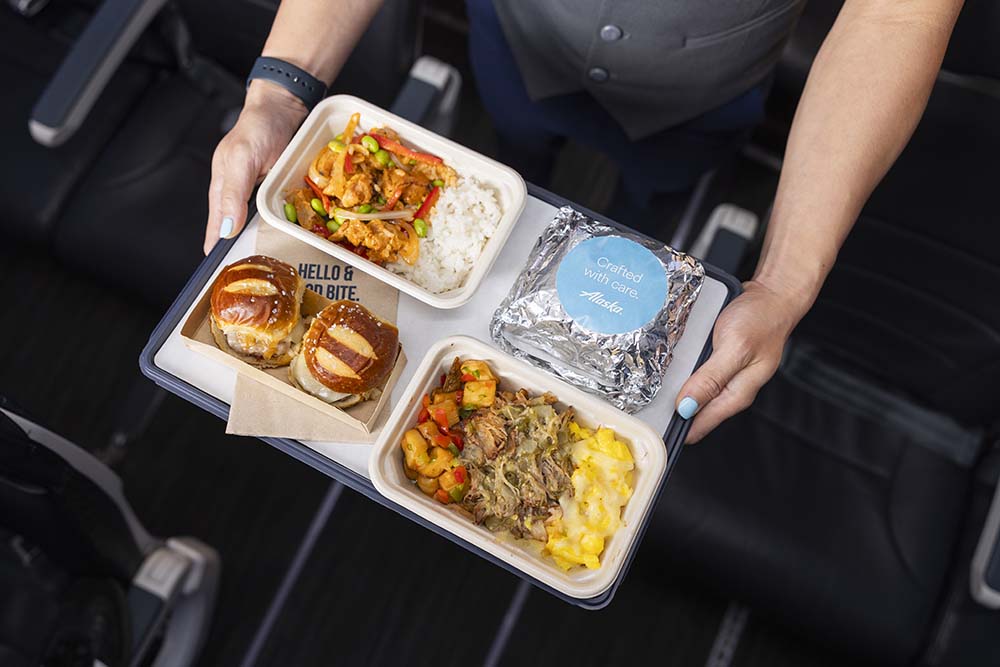
Bringing your own food on a flight can have several benefits, including saving money and maintaining your dietary preferences. By packing your own snacks and meals, you can avoid relying on limited and often unhealthy airline options. Additionally, having your own food can help reduce stress and make your flight more enjoyable.
Must Read
Always check with your airline for their policies on food and drink items, as well as any customs restrictions for your destination country.This is especially important for perishable items like meat, dairy, and fruits, which may be subject to regulations. Failure to comply with these regulations can result in fines or even confiscation of your items.
For those with food allergies or intolerances, bringing your own food can be a necessity. By packing your own safe foods, you can avoid the risk of an allergic reaction or discomfort during the flight. It's also a good idea to inform your airline of your dietary needs in advance, so they can accommodate you if possible.
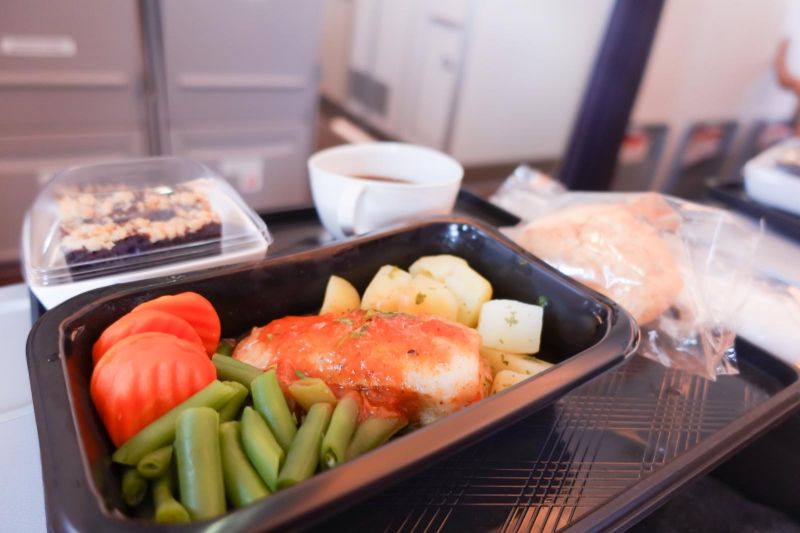
Another consideration is the convenience of having your own food on a flight. With the ability to bring your own snacks and meals, you can eat when you want and avoid waiting for the in-flight meal service. This can be especially useful for long-haul flights or for those who have specific eating schedules.
In terms of packaging, it's essential to use reusable containers or ziplock bags to store your food items. This can help reduce waste and make it easier to carry your food through security checkpoints. Additionally, using iced packs or insulating bags can help keep your food fresh during the flight.

Restrictions and Regulations
While bringing your own food on a flight can be convenient, there are certain restrictions and regulations to be aware of. For example, meat and dairy products may be subject to customs regulations in certain countries. It's crucial to research these regulations before your trip to avoid any issues.
Airlines also have their own policies on food and drink items, so it's essential to check with them before your flight. Some airlines may have specific prohibited items or restricted quantities, so it's crucial to be aware of these before packing your food. By being informed and prepared, you can enjoy your own food on your international flight without any issues.
Finally, it's worth noting that some airports have specialized services for passengers with specific dietary needs. For example, some airports have gluten-free or halal options available, which can be a great resource for passengers. By researching these services in advance, you can plan your trip accordingly and ensure a smooth and enjoyable journey.
In conclusion, bringing your own food on an international flight can be a great way to maintain your dietary preferences and enjoy your travel experience. By being aware of the regulations and restrictions, you can pack your own food and snacks with confidence. Whether you're looking to save money, maintain your dietary needs, or simply enjoy your favorite foods, bringing your own food on a flight can be a great option.