Can Aerosols Go In Carry On Luggage

As we zip through security lines at the airport, it's easy to get caught up in the excitement of travel and overlook one of the most critical aspects of flying: what we can and cannot bring in our carry-on luggage. Among the many restrictions, one particular item has raised eyebrows and sparked debate: aerosols. Can aerosols go in carry-on luggage? It's a question that has been on the minds of travelers for decades, and the answer is not as straightforward as one might think. The use of aerosols dates back to the mid-20th century, when they were first introduced as a convenient and efficient way to dispense products such as hairspray and deodorant. Over the years, aerosols have become an integral part of our daily routines, with applications ranging from pharmaceuticals to food products.
Despite their widespread use, aerosols have also been the subject of much controversy, particularly when it comes to air travel. The concern lies in the potential for aerosols to be used as improvised explosive devices (IEDs) or to release hazardous materials into the air. As a result, the Transportation Security Administration (TSA) has implemented strict rules governing the transport of aerosols in carry-on luggage. But what exactly do these rules entail, and how can travelers ensure they are compliant? In this article, we will delve into the world of aerosols and explore the ins and outs of carrying them in our carry-on luggage. From the history of aerosols to the psychology of compliance, we will examine the complex issues surrounding this everyday item and provide practical insights for travelers.
The Evolution of Aerosol Regulations
The regulation of aerosols in air travel has a long and complex history. In the early days of commercial aviation, there were few restrictions on the types of items that could be carried on board. However, as the threat of terrorism grew, so did concerns about the potential for aerosols to be used as weapons. In response, the TSA began to implement stricter rules governing the transport of aerosols, including limits on size and type. Today, the TSA allows passengers to carry aerosols in their carry-on luggage, but only in limited quantities and with certain restrictions. For example, aerosols must be in containers of 3.4 ounces or less and fit in a clear, quart-sized zip-top bag.
Despite these regulations, many travelers remain unsure about what is and is not allowed. This uncertainty can lead to confusion and frustration at security checkpoints, where passengers may be forced to dispose of items that are not in compliance. To avoid these frustrations, it's essential to understand the rules and regulations surrounding aerosols in carry-on luggage. By being informed and prepared, travelers can ensure a smooth and hassle-free security screening process. Furthermore, the cultural significance of aerosols cannot be overstated. From the iconic hairspray of the 1980s to the deodorant we use every day, aerosols have become an integral part of our daily lives.
The psychological aspect of aerosol regulations is also worth exploring. Why do we find it so difficult to comply with rules and regulations, even when they are designed to ensure our safety? One possible explanation lies in the concept of cognitive dissonance, where individuals experience discomfort or tension when their behaviors conflict with their values or beliefs. In the case of aerosols, this dissonance may arise from the perceived inconvenience or restriction of not being able to carry certain items in our carry-on luggage. By recognizing and addressing these psychological barriers, we can work to create a safer and more compliant travel environment.
Practical Applications and Scenarios
So, what does this mean for travelers? In practical terms, the rules surrounding aerosols in carry-on luggage are relatively straightforward. Passengers are allowed to carry aerosols in containers of 3.4 ounces or less, as long as they fit in a clear, quart-sized zip-top bag. However, there are some exceptions and special considerations to be aware of. For example, certain medical items, such as inhalers and epinephrine auto-injectors, are exempt from the 3.4-ounce limit and can be carried in their original packaging. Additionally, passengers may be required to declare certain aerosol items, such as hairspray or deodorant, at security checkpoints.
Another scenario to consider is the transport of aerosols in checked luggage. While the TSA has stricter rules governing the transport of aerosols in carry-on luggage, there are fewer restrictions on items in checked bags. However, it's still essential to follow the TSA's guidelines for packing and declaring aerosol items in checked luggage. By doing so, travelers can avoid any potential delays or issues during the screening process. Furthermore, being aware of the rules and regulations surrounding aerosols can help to reduce stress and anxiety during travel, allowing passengers to focus on more enjoyable aspects of their journey.
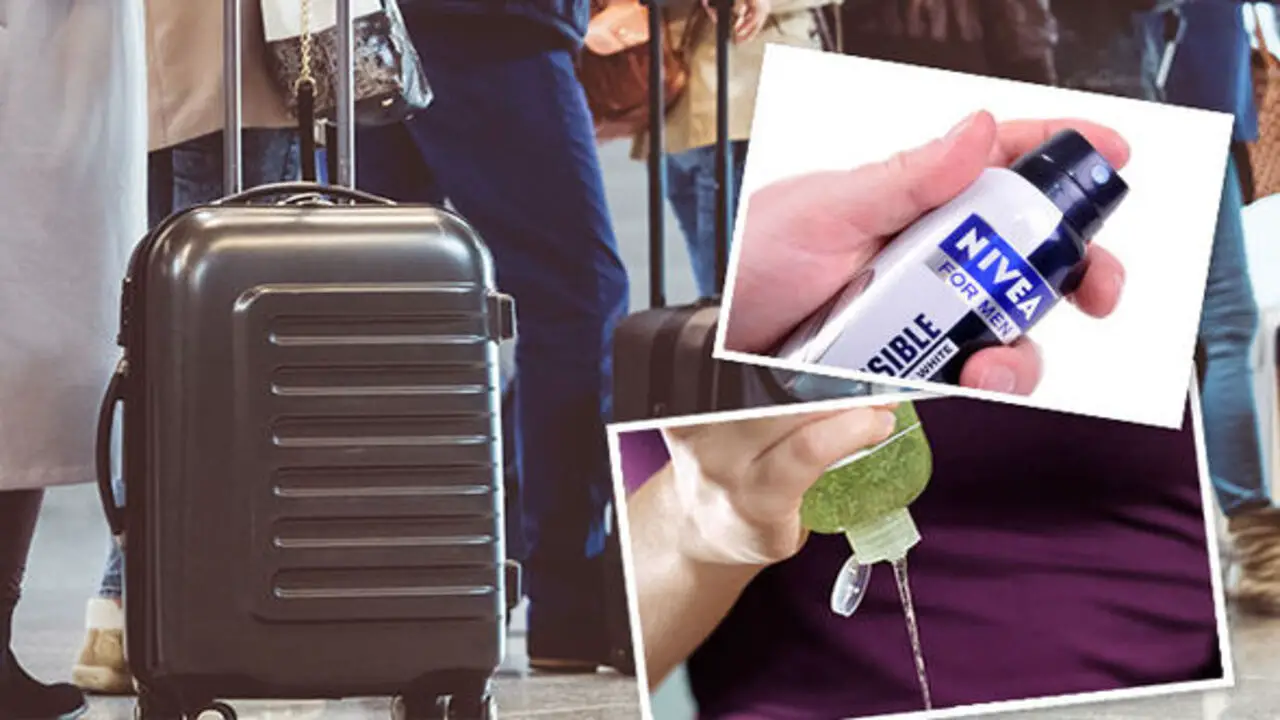
Case studies have shown that compliance with aerosol regulations can have a significant impact on the overall travel experience. For example, a study by the TSA found that passengers who were aware of and complied with the 3.4-ounce limit for aerosols in carry-on luggage were more likely to have a smooth and hassle-free security screening process. On the other hand, passengers who were unsure or non-compliant were more likely to experience delays or issues. By providing clear and concise information, airlines and airports can help to promote compliance and reduce the risk of delays or disruptions.
In terms of actionable takeaways, there are several steps that travelers can take to ensure compliance with aerosol regulations. First, it's essential to familiarize yourself with the TSA's guidelines and rules governing the transport of aerosols in carry-on luggage. This includes being aware of the 3.4-ounce limit, as well as any exceptions or special considerations. Additionally, passengers should pack aerosol items in a clear, quart-sized zip-top bag and be prepared to declare them at security checkpoints. By taking these simple steps, travelers can help to promote a safer and more efficient travel environment.
Frequently Asked Questions
What types of aerosols are allowed in carry-on luggage?
The TSA allows passengers to carry aerosols in containers of 3.4 ounces or less in their carry-on luggage, as long as they fit in a clear, quart-sized zip-top bag. This includes items such as hairspray, deodorant, and shaving cream. However, there are some exceptions and special considerations to be aware of, such as certain medical items that are exempt from the 3.4-ounce limit. Passengers should always check with the TSA or their airline for the most up-to-date information on permitted items.
In addition to the types of aerosols allowed, it's also essential to consider the packaging and declaration of these items. The TSA requires that aerosols be in containers of 3.4 ounces or less and fit in a clear, quart-sized zip-top bag. Passengers should also be prepared to declare aerosol items at security checkpoints, where they may be subject to additional screening or inspection. By being aware of these requirements, travelers can help to ensure a smooth and hassle-free security screening process.
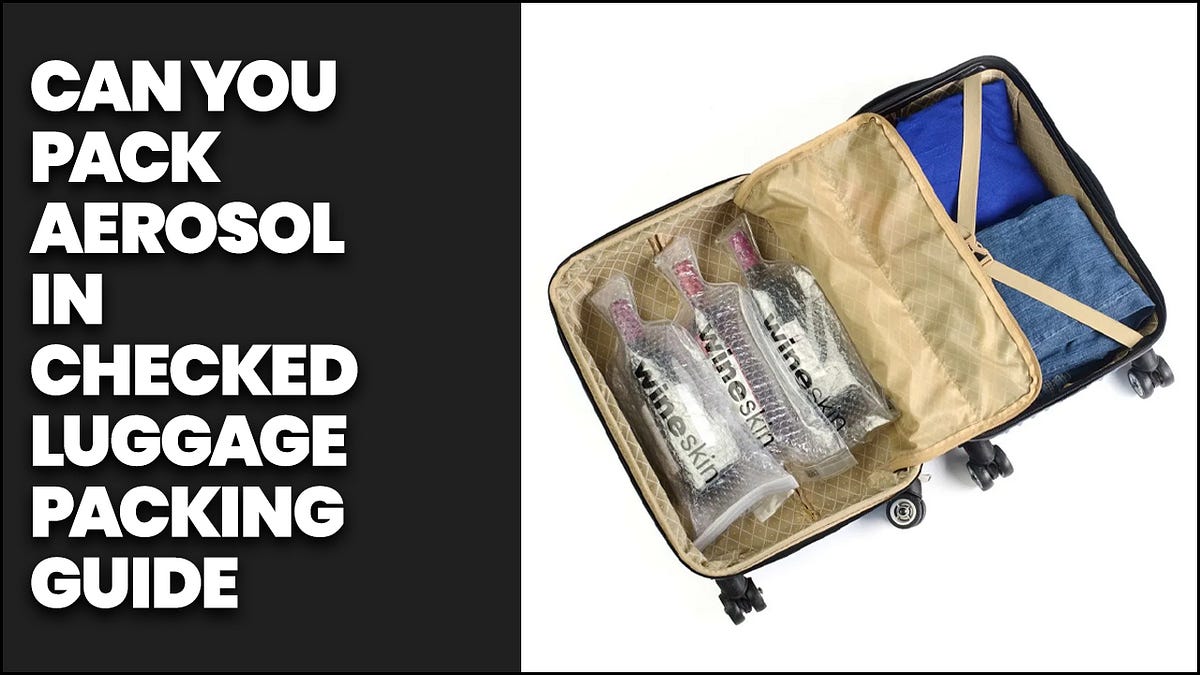
Can I carry aerosols in checked luggage?
Yes, aerosols can be carried in checked luggage, but there are fewer restrictions on items in checked bags. However, it's still essential to follow the TSA's guidelines for packing and declaring aerosol items in checked luggage. This includes ensuring that aerosols are properly packaged and protected from damage, as well as declaring them at check-in. By doing so, travelers can avoid any potential delays or issues during the screening process.
In terms of specific guidelines, the TSA recommends that passengers pack aerosols in their original packaging and ensure that they are protected from damage. Additionally, passengers should declare aerosol items at check-in and be prepared to provide additional information or documentation if required. By following these guidelines, travelers can help to promote a safer and more efficient travel environment. It's also worth noting that some airlines may have additional restrictions or requirements for carrying aerosols in checked luggage, so it's always best to check with your airline for the most up-to-date information.
Are there any exceptions to the 3.4-ounce limit for aerosols in carry-on luggage?
Yes, there are some exceptions to the 3.4-ounce limit for aerosols in carry-on luggage. Certain medical items, such as inhalers and epinephrine auto-injectors, are exempt from the 3.4-ounce limit and can be carried in their original packaging. Additionally, some airlines may have additional exceptions or special considerations for certain types of aerosols. Passengers should always check with the TSA or their airline for the most up-to-date information on permitted items.
In addition to medical exceptions, there may also be special considerations for certain types of aerosols, such as hairspray or deodorant. For example, some aerosols may be permitted in larger quantities or with special packaging. However, these exceptions are typically limited and subject to specific requirements or restrictions. By being aware of these exceptions and special considerations, travelers can help to ensure a smooth and hassle-free security screening process.

How do I pack aerosols in my carry-on luggage to ensure compliance with TSA regulations?
To pack aerosols in your carry-on luggage and ensure compliance with TSA regulations, it's essential to follow the 3.4-ounce limit and use a clear, quart-sized zip-top bag. This includes ensuring that aerosols are in containers of 3.4 ounces or less and fit in the zip-top bag. Passengers should also be prepared to declare aerosol items at security checkpoints, where they may be subject to additional screening or inspection.
In terms of practical tips, it's a good idea to pack aerosols in a separate, easily accessible bag or container to make it easier to declare and inspect them at security checkpoints. Additionally, passengers should ensure that aerosols are properly sealed and protected from damage to prevent any accidental discharge or leakage. By following these tips and guidelines, travelers can help to promote a safer and more efficient travel environment. It's also worth noting that some airlines or airports may have additional requirements or restrictions for carrying aerosols in carry-on luggage, so it's always best to check with your airline or airport for the most up-to-date information.
What happens if I forget to declare an aerosol item at a security checkpoint?
If you forget to declare an aerosol item at a security checkpoint, it's possible that you may be subject to additional screening or inspection. In some cases, you may be required to dispose of the item or return it to your checked luggage. To avoid any potential issues or delays, it's essential to declare all aerosol items at security checkpoints and be prepared to provide additional information or documentation if required. By being aware of the rules and regulations surrounding aerosols, travelers can help to promote a safer and more efficient travel environment.
In addition to being aware of the rules and regulations, it's also essential to be mindful of the potential consequences of non-compliance. For example, failing to declare an aerosol item could result in delays or issues during the security screening process, which could impact your overall travel experience. By taking the time to declare aerosol items and follow the TSA's guidelines, travelers can help to ensure a smooth and hassle-free security screening process. It's also worth noting that some airlines or airports may have additional protocols or procedures in place for handling undeclared aerosol items, so it's always best to check with your airline or airport for the most up-to-date information.
Can I carry aerosols on international flights?
Yes, you can carry aerosols on international flights, but there may be additional restrictions or requirements. It's essential to check with your airline and the relevant authorities for the most up-to-date information on permitted items and any specific requirements or restrictions. Additionally, passengers should be aware of any differences in regulations or restrictions between countries and plan accordingly.
In terms of specific guidelines, the TSA recommends that passengers check with their airline and the relevant authorities for the most up-to-date information on permitted items and any specific requirements or restrictions. This includes being aware of any differences in regulations or restrictions between countries and planning accordingly. By being aware of these requirements and restrictions, travelers can help to ensure a smooth and hassle-free security screening process. It's also worth noting that some countries may have stricter regulations or restrictions on aerosols, so it's always best to check with the relevant authorities for the most up-to-date information.
As we reflect on the topic of aerosols in carry-on luggage, it's clear that this issue is complex and multifaceted. From the history of aerosols to the psychological aspects of compliance, there are many factors to consider when navigating the rules and regulations surrounding these everyday items. By being informed and prepared, travelers can help to promote a safer and more efficient travel environment.
In our daily lives, aerosols play a significant role in our beauty and hygiene routines. From hairspray to deodorant, these products have become an integral part of our daily lives. However, when it comes to air travel, the rules and regulations surrounding aerosols can be confusing and overwhelming. By understanding the history and evolution of aerosol regulations, we can better appreciate the importance of compliance and the role that aerosols play in our daily lives.
Ultimately, the topic of aerosols in carry-on luggage speaks to a broader aspect of human nature: our desire for convenience and efficiency. As we strive to make our lives easier and more convenient, we often overlook the potential risks and consequences of our actions. By being mindful of these risks and taking the time to understand the rules and regulations surrounding aerosols, we can help to promote a safer and more efficient travel environment. Whether we are traveling for business or pleasure, it's essential to be aware of the potential risks and take the necessary steps to mitigate them.