
Are Liquids Allowed In Carry On
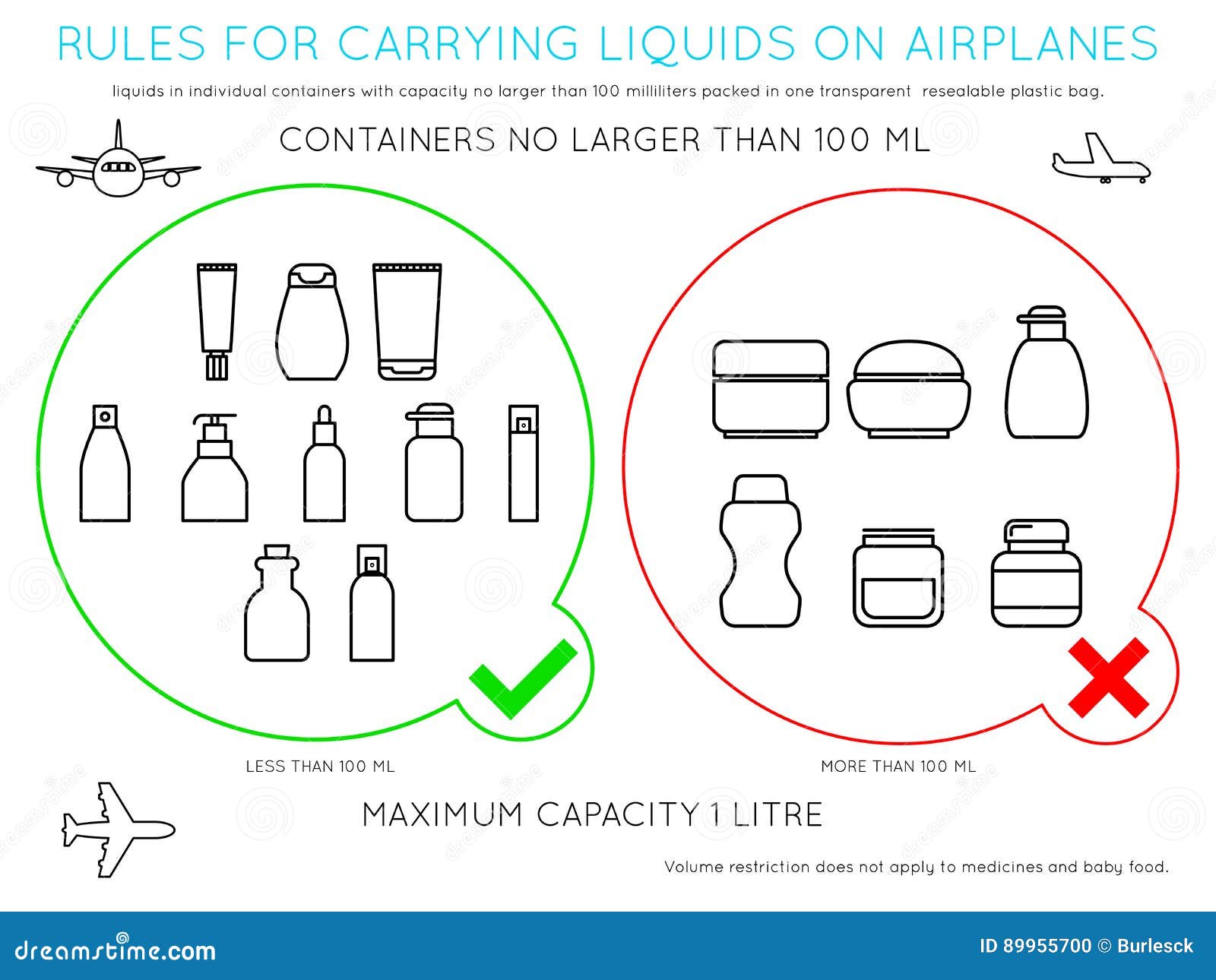
As we navigate the complexities of modern air travel, one question continues to puzzle even the most seasoned flyers: are liquids allowed in carry-on bags? The answer, much like the contents of our luggage, is not always clear-cut. To understand the nuances of this rule, we must delve into its history and the reasoning behind it. The TSA's 3-1-1 liquids rule, introduced in 2006, was designed to prevent the carrying of liquids, gels, and aerosols that could potentially be used as explosives. However, this rule has undergone numerous revisions, leaving many passengers unsure about what they can and cannot bring on board.
The significance of this rule extends beyond the realm of air travel, speaking to our broader cultural psyche. In an era where security and convenience are constantly at odds, understanding the liquids rule is not just about avoiding hassle at the airport; it's about being aware of the delicate balance between freedom and safety. As we explore this topic in depth, we'll uncover dark facts about the history of airline security, fun facts about the weird things people try to bring on planes, and practical insights to make your next flight less stressful.
History and Evolution of the Liquids Rule
The story of the liquids rule begins in the aftermath of the 9/11 attacks, when airline security underwent a radical transformation. As the TSA (Transportation Security Administration) was formed, new regulations aimed at preventing future attacks were put into place. The liquids rule, in particular, was a response to the perceived threat of liquid explosives. Over the years, however, this rule has been tweaked, with changes in allowable container sizes and exceptions for certain items like baby formula and medication. These adjustments reflect a continuous effort to balance security concerns with passenger convenience and comfort.
Must Read
- Heart Of Mexico City Football: Pinpointing The Azteca Stadium Location
- Guadalajara Stadium Parking Guide: Avoid The Matchday Traffic
- Houston Stadium Bag Policy: Clear Bag Rules For Visitors
- Sofi Stadium Capacity: How Many Fans It Can Hold
- Reliant Stadium Parking: A Guide To The Old Name And Current Venue
Despite these efforts, the psychological impact of the liquids rule on travelers should not be underestimated. The ritual of carefully selecting which liquids to pack, the anxiety of possibly having an item confiscated, and the feeling of being treated as a potential threat all contribute to a unique aspect of the flying experience. It's a blend of inconvenience and necessity, reflecting the uneasy relationship between security measures and personal freedom. Moreover, the cultural references to airport security in media and comedy sketches underscore how deeply ingrained these rules have become in our collective consciousness.
The cultural impact of the liquids rule extends beyond individual experiences, influencing air travel culture as a whole. From the rise of travel-sized toiletries to the ingenious ways passengers attempt to circumvent the rules, the liquids ban has spurred a small industry of its own. It's a testament to human ingenuity and the perpetual quest for convenience, even in the face of strict regulations. This aspect of air travel has also become a point of conversation and shared experience among travelers, contributing to the sense of community that forms in airport lines and security checkpoints.
Practical Applications and Scenarios
For the practical traveler, understanding the specifics of the liquids rule is crucial. Preparation is key; knowing what can be carried on and what must be checked can save time and frustration. For instance, medications and certain medical items are exempt from the 3-1-1 rule, but it's essential to declare them at security checkpoints. Similarly, emptying water bottles before security and refilling them at a water fountain after passing through can help reduce waste and save money.

Case studies of airlines that have successfully implemented efficient security processes highlight the importance of clear communication and signage. When passengers are well-informed about what to expect, the security process runs more smoothly, reducing wait times and stress. This approach also underscores the value of passenger education in enhancing the overall flying experience. By empowering travelers with knowledge, airlines can foster a sense of cooperation and mutual respect, crucial in today's security-conscious environment.
Scenarios involving special items, such as breast milk, formula, and juice for infants, require particular attention. These items are indeed allowed in reasonable quantities but must be declared and may be subject to additional screening. The TSA's family-friendly policies aim to accommodate the needs of families while ensuring security standards are met, illustrating the complexity and nuance of the liquids rule in real-world applications.
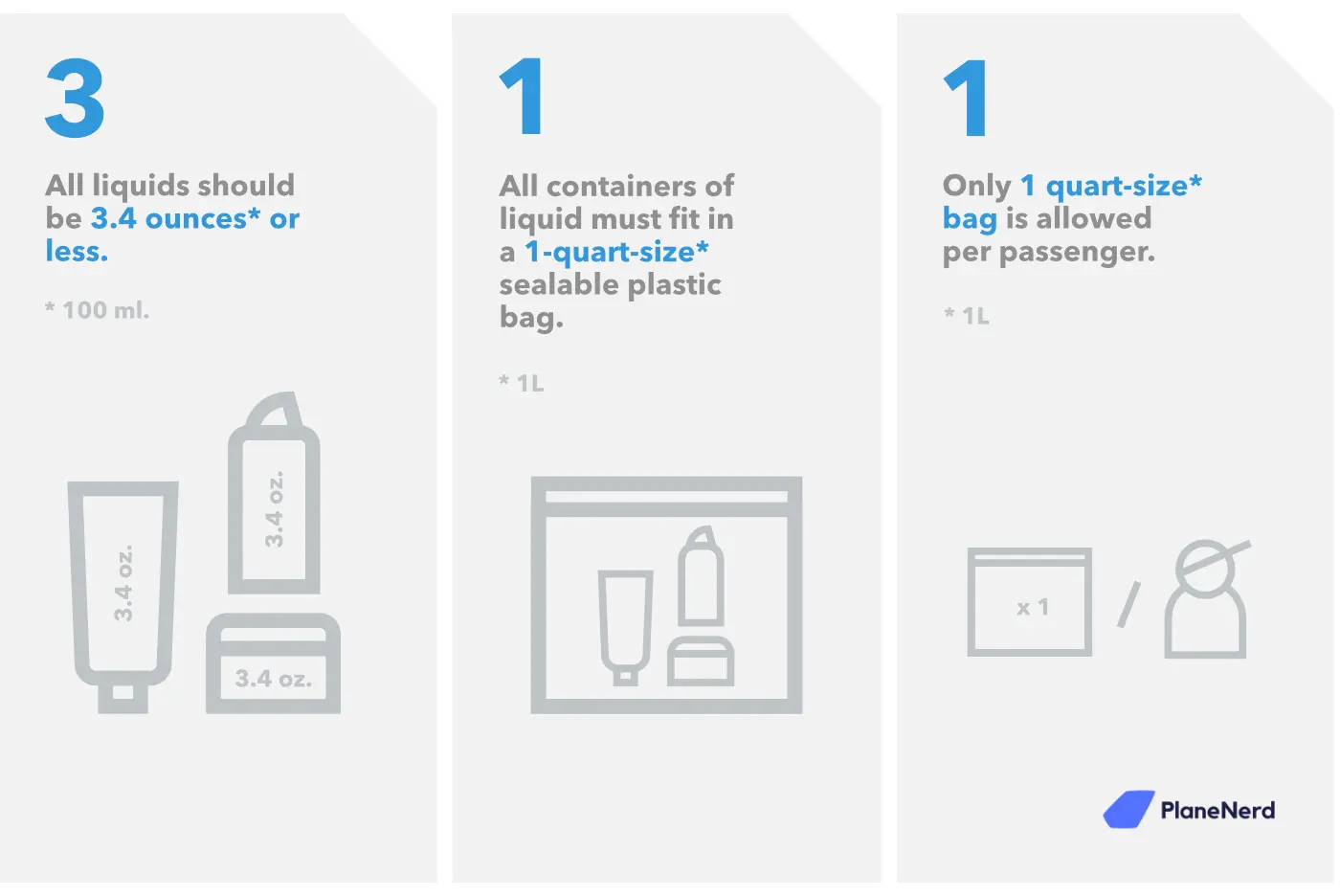
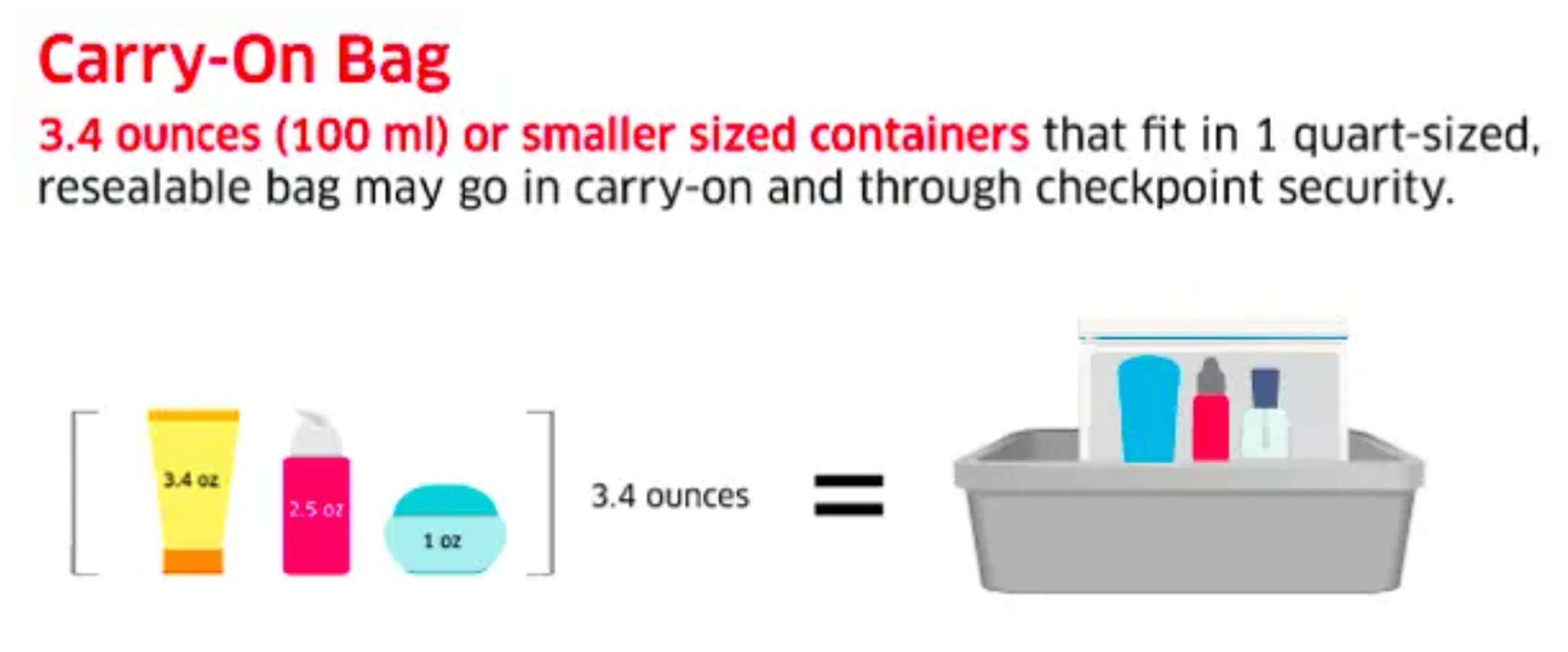
Actionable takeaways for passengers include packing smart, with liquids, gels, and aerosols in containers of 3.4 ounces or less, placed in a clear, quart-sized zip-lock bag. Additionally, staying informed about the latest TSA regulations and airline policies can help avoid unwanted surprises at the airport. This proactive approach not only simplifies the security process but also contributes to a smoother, less stressful journey from departure to arrival.
Frequently Asked Questions
Are All Liquids Treated the Same Under the 3-1-1 Rule?
The differentiation between types of liquids is a critical aspect of the 3-1-1 rule. While all liquids, gels, and aerosols are subject to the rule, there are significant exceptions, such as medications, baby formula, and breast milk, which are allowed in reasonable quantities, albeit with some conditions. The TSA provides clear guidelines on its website regarding these exceptions, emphasizing the importance of declaring such items at security checkpoints for smooth processing.
:max_bytes(150000):strip_icc()/Liquids-in-carry-on-468595-v2-334131c6ffdf498f9503f6e0480f6efe.png)
In practice, the distinction between allowable and non-allowable liquids is based on their potential as security threats and their necessity for passenger health and comfort. Understanding these distinctions is key to navigating airport security efficiently. Furthermore, the evolution of the 3-1-1 rule over time, including updates and clarifications, reflects a continuous effort to refine security measures while accommodating passenger needs, illustrating a dynamic balance between safety and convenience.
Can I Bring Food Items That Are Liquid or Gel-Like in My Carry-On?
The rule regarding food items is another area of frequent inquiry. In general, solid food items are allowed in carry-on bags without restriction. However, items that are liquid, gel, or aerosol, such as sauces, dips, and certain types of cheeses, are subject to the 3-1-1 rule. There are exceptions for infant and child nourishment, where items like baby food and juice are permitted, provided they are declared and screened appropriately.
Practical considerations for travelers include packing food items wisely, choosing solid or exempt items whenever possible, and being prepared to explain or screen food items that may raise questions during security checks. The TSA's guidance on food items serves as a valuable resource for planning meals and snacks during travel, ensuring compliance with security regulations while also catering to dietary needs and preferences.
How Do the Liquids Rules Apply to International Flights?
For international travelers, understanding the global applicability of the liquids rule is essential. While the 3-1-1 rule is a standard in the United States, other countries and airlines may have their own versions of this rule. Researching the specific regulations of your destination and any countries you'll be transiting through is crucial to avoid issues during your journey. The harmonization of security standards across different aviation authorities aims to simplify travel, but nuances remain, making passenger awareness a critical factor.
:max_bytes(150000):strip_icc()/tsa-liquid-rules-carry-on-checked-bag-TSALIQUIDS0622-841fded886324b3e99b7713c8b8ae94b.jpg)
In practice, preparation and flexibility are key. Knowing that some items may be allowed on a domestic US flight but not on an international leg can help prevent last-minute disruptions. Additionally, packing with an awareness of multiple sets of rules can streamline the security process, regardless of the flight's origin or destination, contributing to a more seamless and enjoyable travel experience.
Are There Any New Developments or Changes to the Liquids Rule Passengers Should Be Aware Of?
Staying updated with the latest developments in airline security is vital for travelers. The TSA continuously reviews and updates its policies to address emerging threats and improve the passenger experience. Recent advancements in security technology, such as advanced imaging technology and artificial intelligence, are being explored to enhance the efficiency and effectiveness of security screenings, potentially leading to future changes in how liquids and other items are screened.
The integration of new technologies and methods aims to strike a balance between security and passenger convenience, reflecting the ongoing evolution of air travel security. As these developments unfold, passengers can expect more streamlined security processes, potentially including reduced restrictions on certain items or more efficient screening methods for liquids, gels, and aerosols. Staying informed through official TSA channels and airline communications can help travelers adapt to these changes and plan their trips accordingly.
How Can Passengers Best Prepare and Pack to Comply with the Liquids Rule?
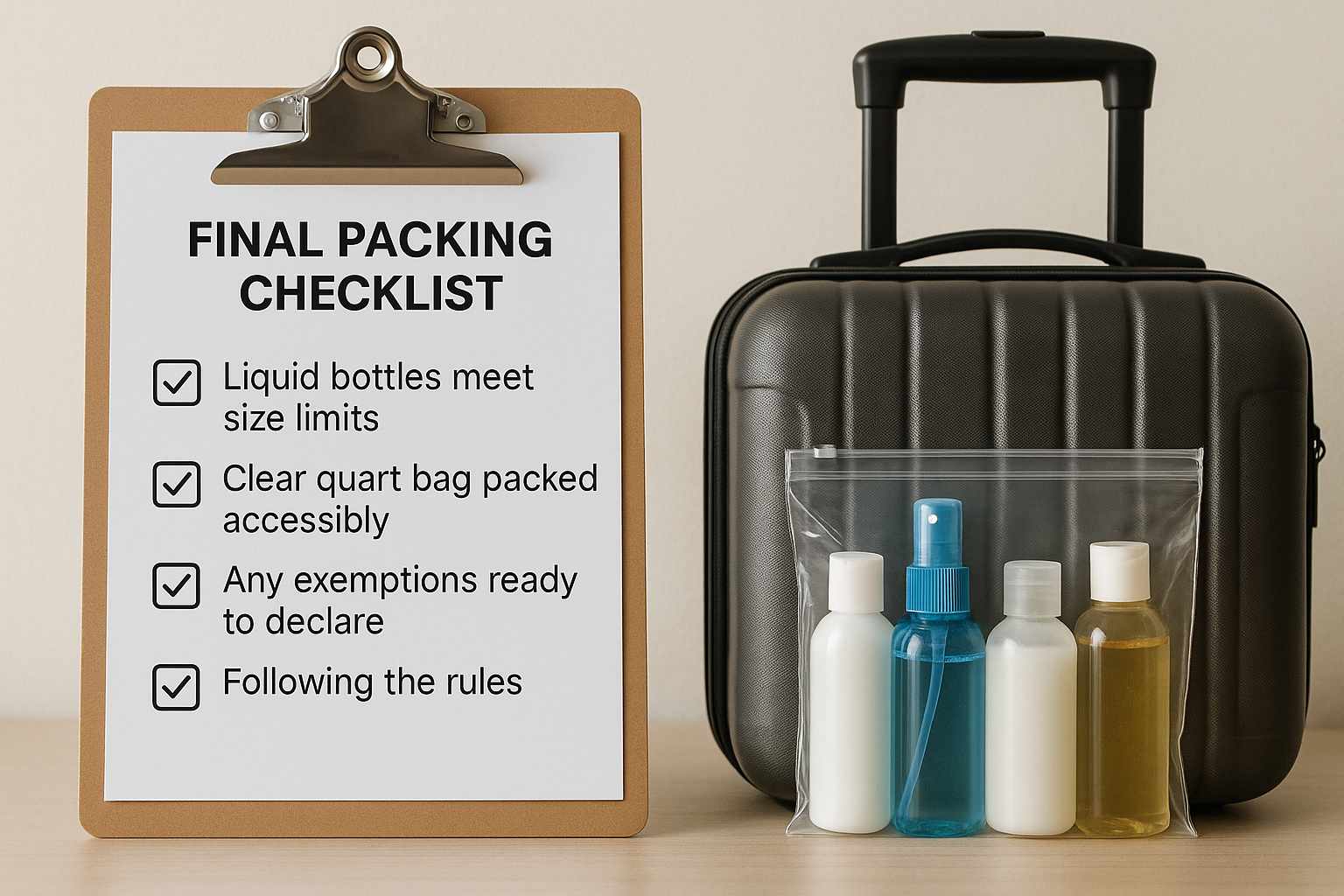
Effective preparation begins with understanding the basics of the 3-1-1 rule and its implications for your specific travel plans. This includes knowing what items are exempt, such as medications, and which require special handling, like infant formula. Packing smart involves using a clear, quart-sized zip-lock bag for your liquids, gels, and aerosols and ensuring these items are in containers of 3.4 ounces or less.
:max_bytes(150000):strip_icc()/liquids-on-a-plane-4046937-FINAL-5ba3d35d4cedfd002506643d.png)
Checking the TSA's website for the most current information is advisable, as rules can change, and new items may be added to the list of prohibited or specially regulated substances. Moreover, considering your travel itinerary, including any international flights or connections, can help you better prepare for potential differences in security regulations. By being informed and proactive, passengers can navigate security checks with confidence, ensuring a smoother start to their journey.
Reflections on Daily Life and Human Nature
The discussion around liquids in carry-on bags touches on fundamental aspects of human nature and society. The desire for security, the need for convenience, and the adaptation to changing environments are all reflected in how we navigate air travel security. The Liquids rule, with all its complexities and nuances, serves as a microcosm for broader societal challenges, where individual freedoms are balanced against collective security concerns.
As we reflect on our experiences with the liquids rule, it becomes clear that education and communication are pivotal. By understanding the reasoning behind security measures and being informed about the specifics of the rules, passengers can transform their airport experience. This empowerment through knowledge not only simplifies travel but also fosters a sense of community and cooperation among passengers and airport staff, highlighting the potential for positive interactions even in the most regulated of environments.
In the end, the story of the liquids rule is one of evolution and adaptation, reflecting our collective pursuit of safety, comfort, and efficiency in air travel. As we look to the future, with its promise of technological advancements and shifting global landscapes, our ability to navigate the complexities of the liquids rule will serve as a testament to human resilience and the enduring quest for harmony between security and freedom. Whether through innovative security technologies or enhanced passenger awareness, the path ahead will undoubtedly be shaped by our shared experiences and our capacity to adapt to an ever-changing world.

/can-i-carry-liquids-in-checked-baggage-2972625-revision-5b0ea932eb97de0037839d6a.png)