American Airlines Checked Bag Weight
When it comes to traveling, one of the most critical aspects to consider is the weight of our checked baggage. For American Airlines, the checked bag weight limit is a crucial factor that can make or break a traveler's experience. But have you ever wondered how this weight limit came to be, and what it means for the average traveler? The history of checked bag weight limits dates back to the early days of commercial aviation, when airlines had to balance the need to transport luggage with the need to ensure the safety and efficiency of their flights. Over time, airlines have developed complex systems to manage checked baggage, including weight limits, size restrictions, and fees for excess baggage.
In today's fast-paced travel environment, understanding American Airlines' checked bag weight limit is more important than ever. With the rise of budget airlines and increased competition, travelers are looking for ways to save money and make their travel experience more efficient. But with great power comes great responsibility, and the weight limit is in place to ensure that flights are safe, efficient, and environmentally friendly. So, whether you're a seasoned traveler or just starting to plan your next trip, it's essential to know the ins and outs of American Airlines' checked bag weight limit. From the basics of baggage handling to the psychological impact of weight limits on travelers, we'll delve into the fascinating world of airline baggage policies.
Understanding the Weight Limit
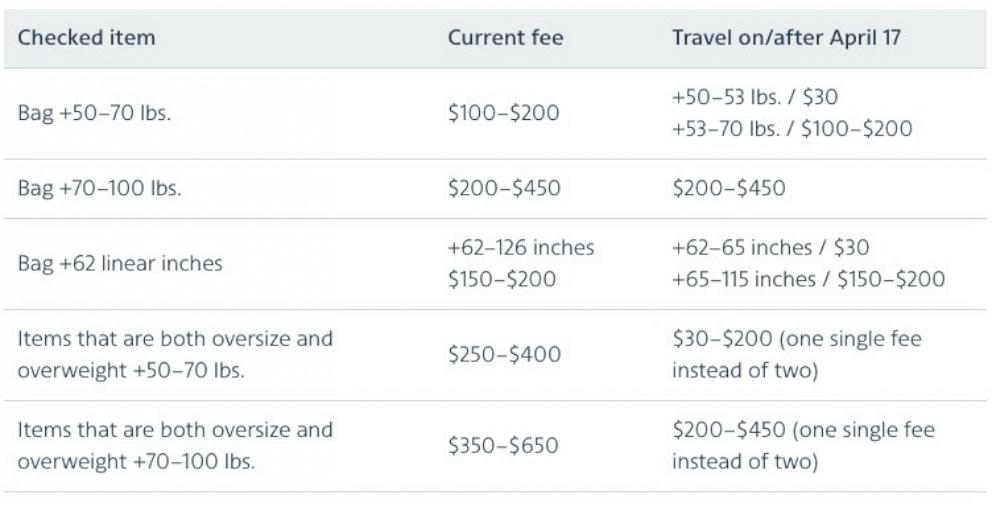
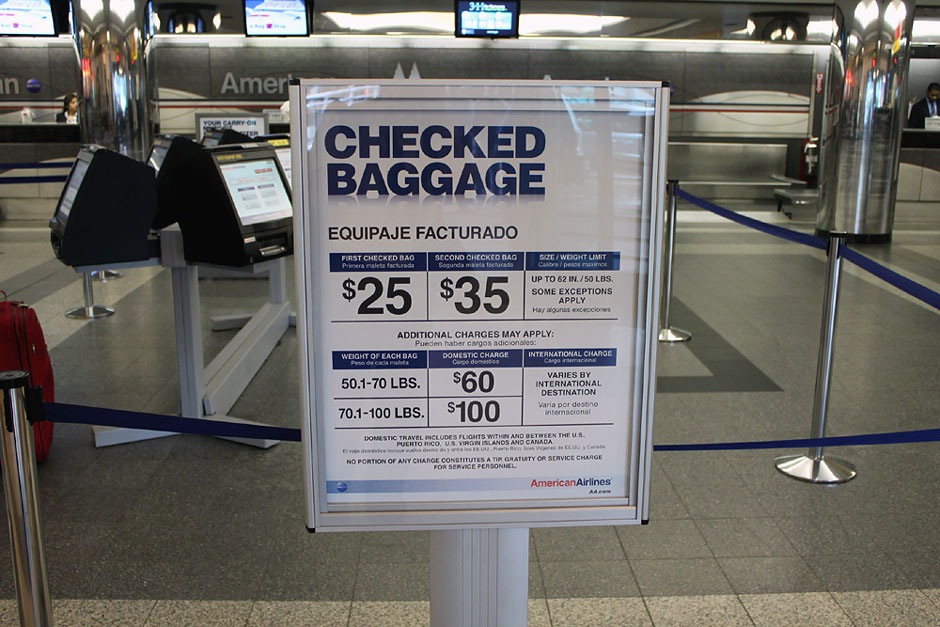
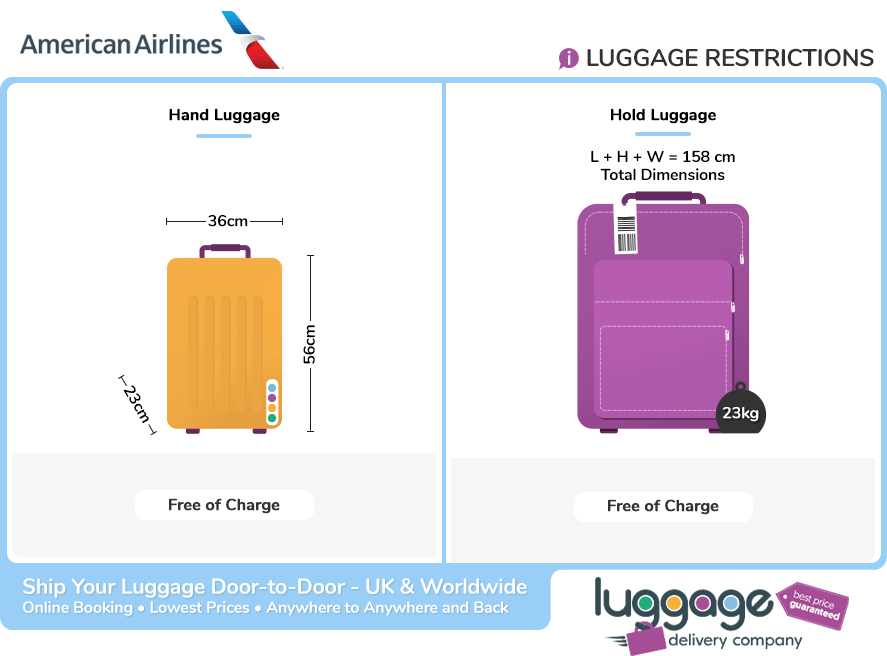
The current checked bag weight limit for American Airlines is 50 pounds (23 kilograms) per bag, with a maximum size of 62 linear inches (157 centimeters). But what happens if your bag weighs more than 50 pounds? In that case, you'll be charged an excess baggage fee, which can range from $100 to $200 per bag, depending on the route and type of fare. It's worth noting that some items, such as military baggage and assistive devices, are exempt from the weight limit. But for the average traveler, it's essential to keep an eye on the weight of their checked baggage to avoid unexpected fees.
Must Read
But why is the weight limit so important? The answer lies in the physics of flight. When an airplane takes off, it needs to generate enough lift to overcome the weight of the plane, passengers, cargo, and fuel. If the weight of the checked baggage is too high, it can affect the plane's center of gravity, making it more difficult to control during takeoff and landing. Additionally, excess weight can increase fuel consumption, leading to higher operating costs and a larger carbon footprint. So, while it may seem like a hassle to deal with weight limits, it's actually a critical factor in ensuring the safety and efficiency of air travel.
But what about the psychological impact of weight limits on travelers? For some, the weight limit can be a source of stress and anxiety, particularly if they're unsure about the weight of their checked baggage. Others may feel restricted or limited by the weight limit, especially if they need to transport bulky or heavy items. However, by understanding the reasons behind the weight limit and planning ahead, travelers can take control of their baggage and make their travel experience more enjoyable. Whether you're a procrastinator or a planner, it's essential to consider the weight limit when packing for your next trip.
Real-World Scenarios and Solutions
So, how can travelers navigate the complexities of American Airlines' checked bag weight limit? One approach is to pack smart, using lightweight luggage and packing clothes and items in a way that maximizes space while minimizing weight. Another strategy is to weigh your baggage before heading to the airport, using a portable scale or a weighing device at home. This can help you avoid unexpected fees and ensure that your checked baggage is within the weight limit.
But what about special items that may exceed the weight limit, such as bicycles or musical instruments? In these cases, travelers may need to use specialized baggage services or ship their items separately. American Airlines offers a range of services for special items, including bicycle shipping and musical instrument transport. By planning ahead and using these services, travelers can ensure that their special items arrive safely and without excessive fees.

Another approach is to consider alternative airlines that may have more lenient weight limits or offer free baggage allowances. For example, some airlines may offer free checked baggage for certain routes or fare types, while others may have more generous weight limits. By shopping around and comparing baggage policies, travelers can find the best option for their needs and budget. Whether you're a budget traveler or a luxury seeker, understanding the weight limit and exploring alternative options can help you save money and make your travel experience more enjoyable.
Finally, it's worth noting that American Airlines offers a range of baggage-related services that can help travelers navigate the weight limit. From baggage delivery to baggage tracking, these services can provide peace of mind and help travelers avoid unexpected fees. By taking advantage of these services and planning ahead, travelers can ensure that their checked baggage arrives safely and without hassle.
Frequently Asked Questions
What is the current checked bag weight limit for American Airlines?
The current checked bag weight limit for American Airlines is 50 pounds (23 kilograms) per bag, with a maximum size of 62 linear inches (157 centimeters). This weight limit applies to most routes and fare types, although some exceptions may apply. It's essential to check with American Airlines directly for the most up-to-date information on baggage policies and weight limits.
But what happens if your bag weighs more than 50 pounds? In that case, you'll be charged an excess baggage fee, which can range from $100 to $200 per bag, depending on the route and type of fare. It's worth noting that some items, such as military baggage and assistive devices, are exempt from the weight limit. By understanding the weight limit and planning ahead, travelers can avoid unexpected fees and ensure that their checked baggage arrives safely.

How do I weigh my checked baggage before heading to the airport?
There are several ways to weigh your checked baggage before heading to the airport. One approach is to use a portable scale or a weighing device at home. This can help you ensure that your checked baggage is within the weight limit and avoid unexpected fees. Another approach is to visit a shipping store or a mail center that offers weighing services. By weighing your baggage before heading to the airport, you can plan ahead and make any necessary adjustments to avoid excess fees.
But what about estimating the weight of your checked baggage? While it's possible to estimate the weight of your baggage, it's always best to use a scale to ensure accuracy. By using a scale or weighing device, you can get an accurate reading of your baggage weight and avoid any unexpected surprises at the airport. Whether you're a procrastinator or a planner, weighing your baggage before heading to the airport can help you take control of your travel experience.
Can I pay for excess baggage in advance, or do I need to pay at the airport?
With American Airlines, you can pay for excess baggage in advance through their website or mobile app. This can help you avoid long lines at the airport and ensure that you're prepared for any additional fees. To pay for excess baggage in advance, simply log in to your account on the American Airlines website or mobile app, and follow the prompts to add the excess baggage fee to your booking. By paying for excess baggage in advance, you can plan ahead and avoid any unexpected surprises at the airport.
But what about changing your baggage after you've paid for excess baggage? In some cases, you may be able to modify your baggage or cancel your excess baggage fee if you need to make changes to your travel plans. However, it's essential to check with American Airlines directly for their policies on modifying or canceling excess baggage fees. By understanding their policies and planning ahead, you can avoid any unexpected fees or charges.
Are there any exceptions to the checked bag weight limit, such as for military personnel or assistive devices?
Yes, there are several exceptions to the checked bag weight limit for American Airlines. For example, military personnel and their dependents may be eligible for free checked baggage or waived excess baggage fees. Additionally, assistive devices such as wheelchairs or mobility aids may be exempt from the weight limit. Other exceptions may apply for special items such as bicycles or musical instruments, which may require specialized baggage services. By understanding these exceptions and planning ahead, travelers can ensure that their special items arrive safely and without excessive fees.
But what about documenting your exceptions? In some cases, you may need to provide documentation or proof of eligibility to qualify for an exception to the weight limit. For example, military personnel may need to show their military ID or proof of service to qualify for free checked baggage. By understanding the documentation requirements and planning ahead, you can ensure that you're eligible for any applicable exceptions and avoid any unexpected fees or charges.
Can I use a luggage scale to weigh my checked baggage, or do I need to use a specific type of scale?
Yes, you can use a
But what about calibrating your scale? To ensure accuracy, it's essential to calibrate your scale regularly. You can do this by using a known weight or calibration weight to adjust the scale. By calibrating your scale, you can ensure that your readings are accurate and reliable, and that you're not over- or under-estimating the weight of your checked baggage. Whether you're a procrastinator or a planner, using a luggage scale and calibrating it regularly can help you take control of your travel experience.

Are there any additional fees or charges for checked baggage on American Airlines, besides the excess baggage fee?
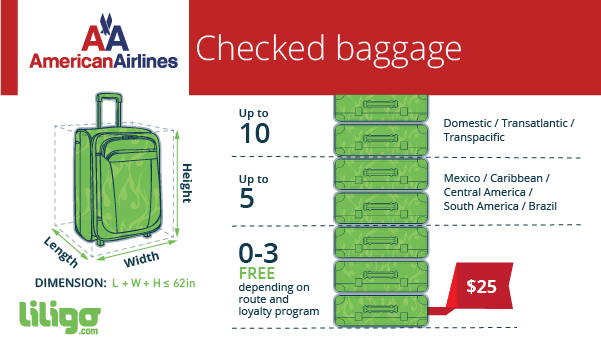
Yes, there may be additional fees or charges for checked baggage on American Airlines, besides the excess baggage fee. For example, you may be charged a checked baggage fee for each checked bag, depending on the route and type of fare. Additionally, you may be charged a fee for special items such as bicycles or musical instruments, which may require specialized baggage services. By understanding these fees and charges, you can plan ahead and budget accordingly for your travel experience. Whether you're a budget traveler or a luxury seeker, it's essential to factor in these additional fees and charges to avoid any unexpected surprises.
But what about waiving or refunding fees? In some cases, American Airlines may waive or refund fees for checked baggage, depending on the circumstances. For example, if you're a frequent flyer or have elite status, you may be eligible for free checked baggage or waived fees. By understanding these policies and planning ahead, you can take advantage of any applicable waivers or refunds and save money on your travel experience.
As we reflect on the topic of American Airlines' checked bag weight limit, it's clear that it's a complex and multifaceted issue that affects travelers in many different ways. From the history of baggage handling to the psychological impact of weight limits on travelers, there are many factors to consider when navigating the world of airline baggage policies. Whether you're a seasoned traveler or just starting to plan your next trip, understanding the weight limit and its implications can help you make informed decisions and avoid unexpected fees or charges.
But the weight limit is not just a practical consideration - it's also a cultural phenomenon that reflects our values and priorities as a society. In an era where sustainability and environmentalism are increasingly important, the weight limit can be seen as a way to reduce waste and promote more efficient travel practices. By understanding the weight limit and its implications, we can make more informed choices about our travel habits and reduce our impact on the environment. Whether you're a conscious consumer or a careless traveler, the weight limit is an issue that affects us all.
Ultimately, the topic of American Airlines' checked bag weight limit is a reminder that travel is a complex and multifaceted experience that requires careful planning and attention to detail. From the basics of baggage handling to the psychological impact of weight limits on travelers, there are many factors to consider when navigating the world of airline baggage policies. By understanding these factors and planning ahead, we can make our travel experiences more enjoyable, efficient, and sustainable - and that's a journey worth taking.