Am I Supposed To Bring Something To A Funeral Service

When it comes to attending a funeral service, there are many questions that come to mind, but one of the most common ones is: am I supposed to bring something? This age-old question has been puzzling mourners for centuries, and the answer is not always clear-cut. In fact, the practice of bringing something to a funeral has a long and varied history, dating back to ancient cultures where mourners would bring offerings to the deceased. Today, the rules around what to bring and what not to bring can be complex and nuanced, varying greatly depending on the cultural, religious, and personal context of the funeral.
Despite the uncertainty, there's no denying that funerals can be a sensitive and delicate matter, requiring a certain level of etiquette and respect for the deceased and their loved ones. In many cultures, bringing a gift or tribute to a funeral is seen as a way of showing sympathy and support for the grieving family, while in others it may be viewed as inappropriate or insensitive. As we navigate the complex world of funeral etiquette, it's essential to consider the cultural and personal context of the funeral, as well as our own relationship with the deceased.
The History and Significance of Funeral Gifts
In many ancient cultures, funeral gifts were a common practice, with mourners bringing offerings such as food, drink, or other goods to the deceased. These gifts were often seen as a way of honoring the deceased and ensuring their safe passage into the afterlife. In some cultures, funeral gifts were also viewed as a way of showing respect for the deceased and their family, while in others they were seen as a way of appeasing the gods or warding off evil spirits. Today, the practice of bringing funeral gifts continues, although the nature and significance of these gifts have evolved over time.
Must Read
One of the most interesting aspects of funeral gifts is the way they reflect the cultural and personal values of the deceased and their loved ones. For example, in some cultures, it's common to bring traditional foods or drinks to a funeral, while in others it's more common to bring modern gifts such as flowers or charity donations. By examining the history and significance of funeral gifts, we can gain a deeper understanding of the symbolic and emotional value of these gifts, as well as the ways in which they reflect our values and beliefs about death and mourning.
In addition to their cultural and symbolic significance, funeral gifts can also play an important practical role in the funeral process. For example, in some cases, funeral gifts may be used to support the grieving family, either financially or emotionally. In other cases, funeral gifts may be used to create a sense of community and connection among mourners, helping to heal and comfort those who are grieving. By considering the various ways in which funeral gifts can be used, we can gain a deeper understanding of their value and significance in the funeral process.
Practical Considerations and Etiquette
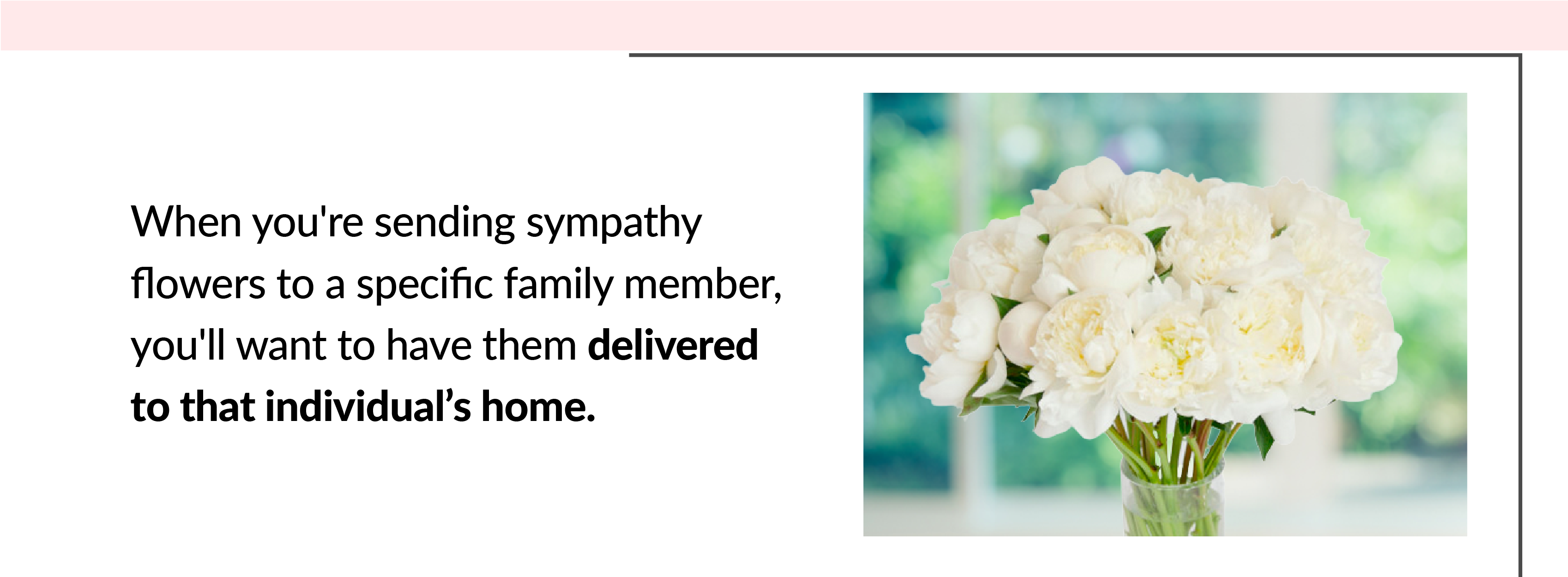
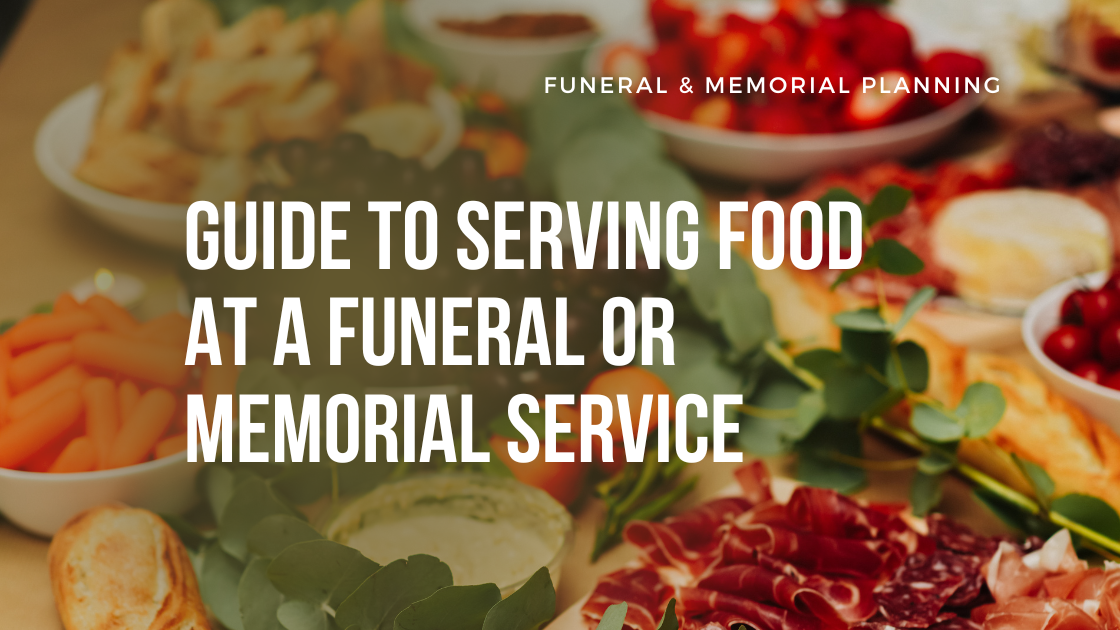
So, what should you bring to a funeral? The answer to this question depends on a variety of factors, including the cultural and personal context of the funeral, as well as your relationship with the deceased. In general, it's a good idea to check with the family or funeral home beforehand to see if there are any specific gifts or tributes that are requested or preferred. Some common funeral gifts include flowers, charity donations, and food or drink for the grieving family.
In addition to considering what to bring, it's also important to think about how to bring it. For example, if you're bringing flowers, it's a good idea to choose a respectful and tasteful arrangement, and to avoid anything that might be seen as flashy or attention-seeking. If you're bringing a charity donation, it's a good idea to check with the family beforehand to see if there's a specific charity that they would prefer you to donate to. By considering these practical details, you can help ensure that your funeral gift is thoughtful and respectful.
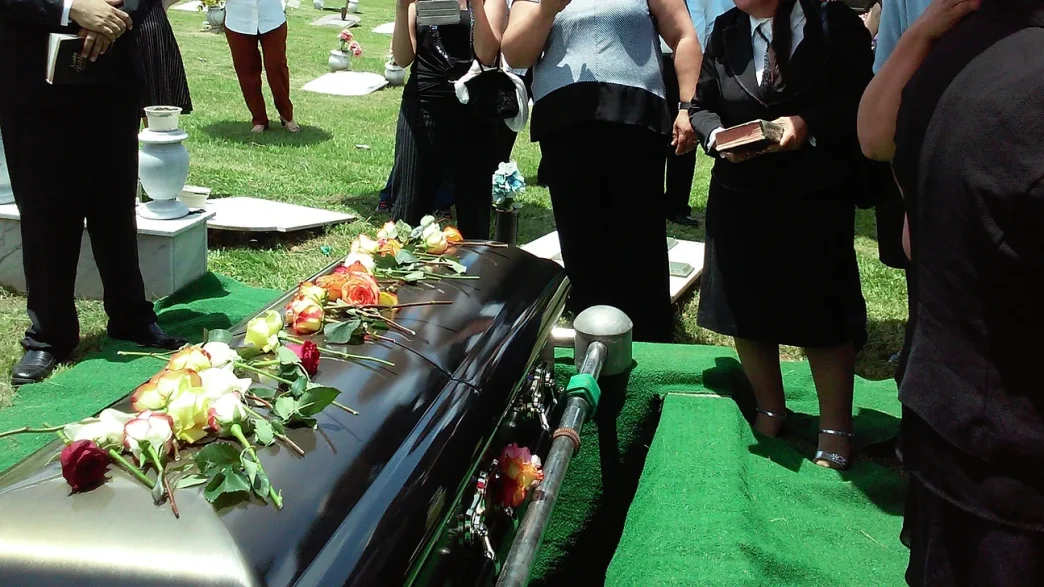
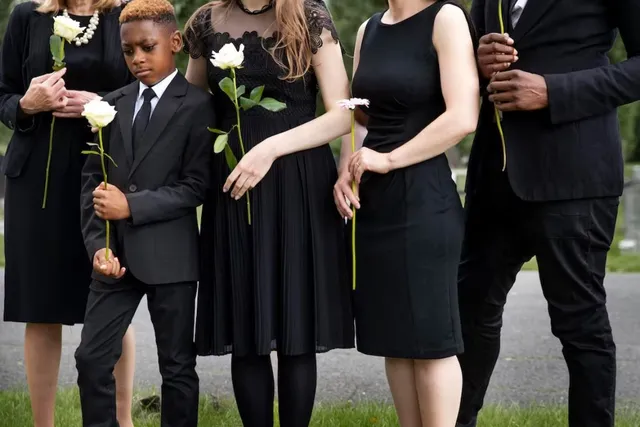
Another important aspect of funeral etiquette is timing. When it comes to bringing a gift or tribute to a funeral, it's generally best to do so at the right moment. For example, if you're bringing flowers, it's a good idea to arrive early and place them in a respectful location, such as near the casket or in a designated area for flowers. If you're bringing a charity donation, it's a good idea to wait until after the funeral service to present it to the family. By considering the timing of your funeral gift, you can help ensure that it is thoughtful and respectful.
In some cases, it may be appropriate to bring a personal gift or tribute to a funeral, such as a photograph or memento that reminds you of the deceased. These types of gifts can be a powerful way to connect with the deceased and their loved ones, and to celebrate their life and legacy. However, it's generally best to check with the family beforehand to see if this type of gift is welcome and appropriate.
Frequently Asked Questions
What is the most appropriate gift to bring to a funeral?
The most appropriate gift to bring to a funeral depends on a variety of factors, including the cultural and personal context of the funeral, as well as your relationship with the deceased. In general, it's a good idea to check with the family or funeral home beforehand to see if there are any specific gifts or tributes that are requested or preferred. Some common funeral gifts include flowers, charity donations, and food or drink for the grieving family. It's also a good idea to consider the symbolic and emotional value of your gift, and to choose something that reflects your relationship with the deceased and your support for their loved ones.
In addition to considering what type of gift to bring, it's also important to think about how to bring it. For example, if you're bringing flowers, it's a good idea to choose a respectful and tasteful arrangement, and to avoid anything that might be seen as flashy or attention-seeking. If you're bringing a charity donation, it's a good idea to check with the family beforehand to see if there's a specific charity that they would prefer you to donate to. By considering these practical details, you can help ensure that your funeral gift is thoughtful and respectful.

How much should I spend on a funeral gift?
The amount you should spend on a funeral gift depends on a variety of factors, including your relationship with the deceased, your financial situation, and the cultural and personal context of the funeral. In general, it's a good idea to set a budget beforehand and to stick to it, rather than feeling pressured to spend more than you can afford. Some common funeral gifts, such as flowers or charity donations, can be relatively
In addition to considering the cost of your funeral gift, it's also important to think about the symbolic and emotional value of your gift, and to choose something that reflects your relationship with the deceased and your support for their loved ones. By considering these practical details, you can help ensure that your funeral gift is thoughtful and respectful, regardless of the amount you spend.
Is it appropriate to bring a gift to a funeral if I didn't know the deceased well?
If you didn't know the deceased well, it's still appropriate to bring a gift to the funeral, as a way of showing respect for the deceased and their loved ones. In this case, it's a good idea to keep your gift simple and respectful, such as a small bouquet of flowers or a charity donation in the deceased's name. You might also consider attending the funeral and offering your condolences to the family, as a way of showing your support and respect.
In addition to considering what type of gift to bring, it's also important to think about how to bring it. For example, if you're bringing flowers, it's a good idea to choose a respectful and tasteful arrangement, and to avoid anything that might be seen as flashy or attention-seeking. If you're bringing a charity donation, it's a good idea to check with the family beforehand to see if there's a specific charity that they would prefer you to donate to. By considering these practical details, you can help ensure that your funeral gift is thoughtful and respectful, even if you didn't know the deceased well.

Can I bring a gift to a funeral that is not traditional or customary?
While it's generally best to stick with traditional and customary funeral gifts, such as flowers or charity donations, it's not necessarily inappropriate to bring a non-traditional gift to a funeral. If you're considering bringing a non-traditional gift, it's a good idea to check with the family beforehand to see if it's welcome and appropriate. You might also consider choosing a gift that reflects the personality or interests of the deceased, as a way of celebrating their life and legacy.
In addition to considering what type of gift to bring, it's also important to think about how to bring it. For example, if you're bringing a non-traditional gift, such as a piece of artwork or a personal memento, it's a good idea to present it in a respectful and tasteful way, such as in a small box or bag. By considering these practical details, you can help ensure that your funeral gift is thoughtful and respectful, even if it's not traditional or customary.
How can I ensure that my funeral gift is received in the right spirit?
To ensure that your funeral gift is received in the right spirit, it's a good idea to consider the family's wishes and preferences beforehand. You might also consider including a note or card with your gift, expressing your condolences and support for the family. In addition, it's a good idea to be respectful and thoughtful in your gift-giving, avoiding anything that might be seen as inappropriate or insensitive.
In addition to considering the practical details of your funeral gift, it's also important to think about the symbolic and emotional value of your gift. By choosing a gift that reflects your relationship with the deceased and your support for their loved ones, you can help ensure that your funeral gift is meaningful and appreciated. By considering these practical and emotional details, you can help ensure that your funeral gift is received in the right spirit.
What if I forget to bring a gift to the funeral?
If you forget to bring a gift to the funeral, it's not the end of the world. In fact, it's often better to focus on being present and supportive for the family, rather than worrying about bringing a gift. If you do forget to bring a gift, you might consider sending a card or making a donation in the deceased's name after the funeral, as a way of showing your support and respect.
In addition to considering what to do if you forget to bring a gift, it's also important to think about how to apologize and make amends if necessary. If you do forget to bring a gift, it's a good idea to be honest and sincere in your apology, and to offer a alternative way of showing your support, such as making a donation or sending a card. By considering these practical details, you can help ensure that your absence of a gift is not seen as disrespectful or thoughtless.
As we reflect on the topic of bringing something to a funeral, it's clear that there's no one-size-fits-all answer. Instead, the rules around what to bring and what not to bring depend on a complex array of factors, including the cultural and personal context of the funeral, as well as our relationship with the deceased. By considering these factors, and by being thoughtful and respectful in our gift-giving, we can help ensure that our funeral gifts are meaningful and appreciated.
One of the most interesting aspects of funeral gifts is the way they reflect our values and beliefs about death and mourning. By examining the types of gifts that are commonly brought to funerals, we can gain a deeper understanding of the symbolic and emotional value of these gifts, as well as the ways in which they reflect our cultural and personal values. For example, the practice of bringing flowers to a funeral is often seen as a way of celebrating the life and beauty of the deceased, while the practice of making charity donations is often seen as a way of honoring their memory and legacy.
As we navigate the complex world of funeral etiquette, it's essential to remember that there's no one "right" way to do things. Instead, the most important thing is to be respectful, thoughtful, and considerate of the deceased and their loved ones. By being present and supportive, and by showing our respect and condolences in a way that feels authentic and meaningful to us, we can help create a positive and uplifting experience for everyone involved.