Airport Security Guidelines For Liquids
:max_bytes(150000):strip_icc()/tsa-liquid-rules-carry-on-checked-bag-TSALIQUIDS0622-841fded886324b3e99b7713c8b8ae94b.jpg)
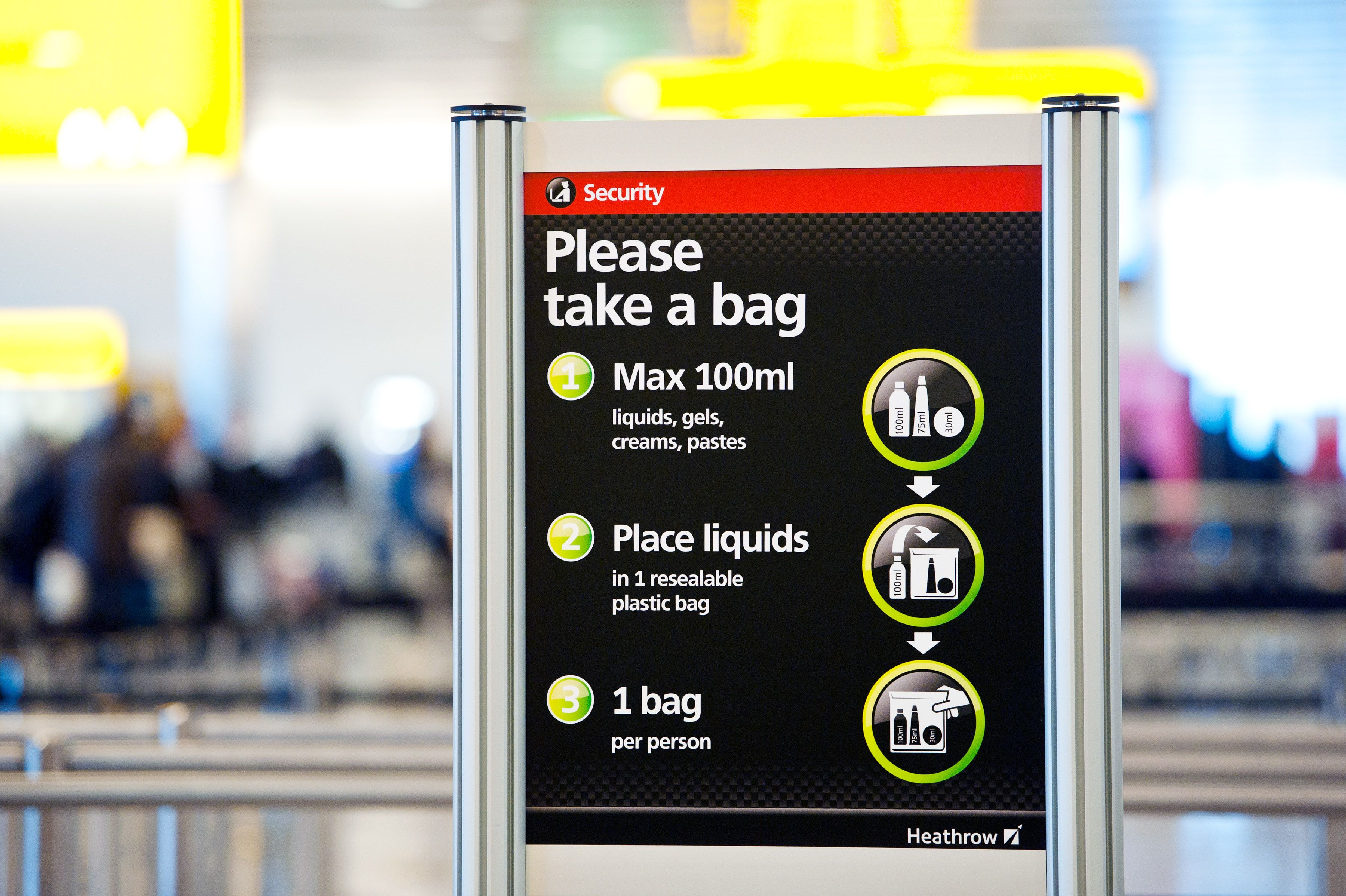
The world of air travel has become a staple of modern life, with millions of people passing through airport security checkpoints every day. But have you ever stopped to think about the rules and regulations that govern what you can and can't bring on a plane? Specifically, the guidelines surrounding liquids, gels, and aerosols have become a major point of focus for airport security. It all started in the early 2000s, when a series of foiled terrorist plots involving liquid explosives led to a major overhaul of airport security protocols. Today, the TSA's 3-1-1 liquids rule is a familiar sight at airports around the world.
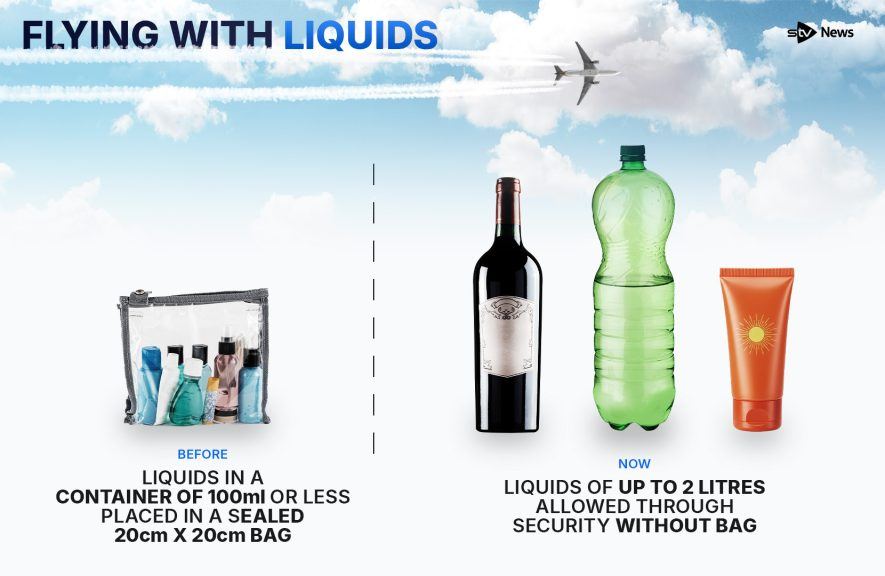
But despite its ubiquity, the 3-1-1 rule remains a source of confusion and frustration for many travelers. What exactly does it entail? And why is it so important? To understand the reasoning behind the rule, it's essential to delve into the history of airport security. In the aftermath of 9/11, airports around the world began to reassess their security protocols, leading to the implementation of stricter regulations and guidelines. The 3-1-1 rule, which dictates that liquids, gels, and aerosols must be in containers of 3.4 ounces or less, fit into a clear quart-sized zip-top bag, and be screened separately, was a key part of this effort.
Understanding the 3-1-1 Liquids Rule
So, what exactly does the 3-1-1 rule entail? In simple terms, it means that any liquid, gel, or aerosol items must be in containers of 3.4 ounces or less. This includes everything from shampoo and toothpaste to perfume and makeup. These items must then be placed in a clear, quart-sized zip-top bag, which must be screened separately at security checkpoints. But why is this rule so important? The answer lies in the chemistry of explosives. Liquid explosives, which can be made from a variety of common household items, are notoriously difficult to detect. By limiting the amount of liquids that can be carried on a plane, the TSA hopes to reduce the risk of these types of explosives being smuggled onto a flight.
But the 3-1-1 rule isn't just about security - it's also about practicality. By streamlining the screening process and reducing the amount of liquids that need to be screened, the TSA can speed up the security process and make it more efficient. This is especially important in today's fast-paced world, where time is of the essence and delays can be costly. And let's not forget the cultural impact of the 3-1-1 rule. From the "liquids ban" of 2006, which sparked widespread outrage and confusion, to the modern-day jokes and memes that surround the rule, the 3-1-1 rule has become a *cultural touchstone of modern air travel.
But despite its importance, the 3-1-1 rule remains a source of confusion and frustration for many travelers. How do you know what items are allowed and what aren't? And what happens if you accidentally pack a prohibited item in your carry-on bag? To navigate these complexities, it's essential to stay informed and up-to-date on the latest TSA guidelines and regulations. This can involve everything from checking the TSA website for the latest information to downloading travel apps that provide real-time updates and advice.
Real-Life Scenarios and Takeaways
So, how does the 3-1-1 rule play out in real-life scenarios? Let's consider a few examples. Imagine you're a frequent traveler who relies on a specific beauty product to get through long flights. How do you ensure that you can bring this product with you, while still complying with the 3-1-1 rule? One solution is to decant your beauty products into smaller containers, which can then be placed in a clear zip-top bag. Alternatively, you could consider purchasing travel-sized versions of your favorite products, which are specifically designed to comply with the 3-1-1 rule.
Another scenario involves medications and medical equipment. What if you need to bring a large quantity of liquid medication on a flight? In this case, it's essential to inform the TSA in advance, and to provide documentation from a medical professional. This can help to ensure that you're able to bring the medication you need, while also complying with the 3-1-1 rule. And let's not forget the food and drink that we bring on flights. From juice and soda to water and coffee, there are many liquids and gels that we rely on to get through long flights. By understanding the 3-1-1 rule and planning ahead, we can ensure that we have the drinks and snacks we need, while also staying safe and secure.

In addition to these scenarios, there are many actionable takeaways that travelers can use to navigate the 3-1-1 rule. One key tip is to pack smart, by placing liquids and gels in a clear zip-top bag and screening them separately. Another tip is to check the TSA website for the latest information and guidance, and to download travel apps that provide real-time updates and advice. By following these tips and staying informed, travelers can ensure a smooth and stress-free journey through airport security.
Finally, it's worth considering the economic impact of the 3-1-1 rule. From the cost of compliance to the benefits of increased security, there are many financial factors at play. By understanding these factors and planning ahead, travelers and airlines can minimize the economic burden of the 3-1-1 rule, while also staying safe and secure. And let's not forget the environmental impact of the rule, from the waste generated by discarded liquids and gels to the carbon footprint of increased security measures. By being mindful of these factors, we can work towards a more sustainable and environmentally-friendly approach to airport security.
Frequently Asked Questions
What is the 3-1-1 liquids rule and how does it apply to my carry-on bag?
The 3-1-1 liquids rule is a TSA regulation that dictates that any liquids, gels, or aerosols in your carry-on bag must be in containers of 3.4 ounces or less, and fit into a clear, quart-sized zip-top bag. This rule applies to all carry-on bags, and is designed to reduce the risk of liquid explosives being smuggled onto a flight. To comply with the rule, it's essential to pack carefully, and to screen your liquids and gels separately at security checkpoints. This can involve everything from decanting your beauty products into smaller containers to purchasing travel-sized versions of your favorite products.
In addition to these tips, it's also essential to stay informed about the latest TSA guidelines and regulations. This can involve checking the TSA website for updates, as well as downloading travel apps that provide real-time advice and guidance. By staying informed and planning ahead, you can ensure a smooth and stress-free journey through airport security, and avoid any delays or hassles associated with the 3-1-1 rule. And let's not forget the exceptions to the rule, such as medications and medical equipment, which may be allowed in larger quantities with proper documentation.

Can I bring a large bottle of shampoo or conditioner on a flight, or are there any exceptions to the 3-1-1 rule?
While the 3-1-1 rule is in place to reduce the risk of liquid explosives, there are some exceptions and exemptions that apply. For example, medications and medical equipment may be allowed in larger quantities, provided that you inform the TSA in advance and provide documentation from a medical professional. Additionally, baby formula and breast milk are also exempt from the 3-1-1 rule, as long as you inform the TSA and are willing to undergo additional screening. However, for most liquids and gels, the 3-1-1 rule applies, and it's essential to pack carefully to avoid any delays or hassles.
In terms of shampoo and conditioner, it's generally best to decant these products into smaller containers, or to purchase travel-sized versions that comply with the 3-1-1 rule. This can help to ensure that you have the products you need, while also staying safe and secure. And let's not forget the environmental impact of the 3-1-1 rule, from the waste generated by discarded liquids and gels to the carbon footprint of increased security measures. By being mindful of these factors, we can work towards a more sustainable and environmentally-friendly approach to airport security.
How do I know what items are allowed and what aren't under the 3-1-1 rule, and what happens if I accidentally pack a prohibited item in my carry-on bag?
The TSA website is a great resource for determining what items are allowed and prohibited under the 3-1-1 rule. You can also download travel apps that provide real-time advice and guidance on what you can and can't bring on a flight. Additionally, it's always a good idea to check with your airline for any specific restrictions or guidelines that may apply. If you accidentally pack a prohibited item in your carry-on bag, the consequences can range from delayed screening to confiscation of the item. In extreme cases, you may even be subject to additional screening or questioning.
To avoid these hassles and delays, it's essential to pack carefully and to stay informed about the latest TSA guidelines and regulations. This can involve everything from decanting your beauty products into smaller containers to purchasing travel-sized versions of your favorite products. By planning ahead and staying informed, you can ensure a smooth and stress-free journey through airport security, and avoid any delays or hassles associated with the 3-1-1 rule. And let's not forget the importance of cooperation, from informing the TSA about any prohibited items to undergoing additional screening when necessary.
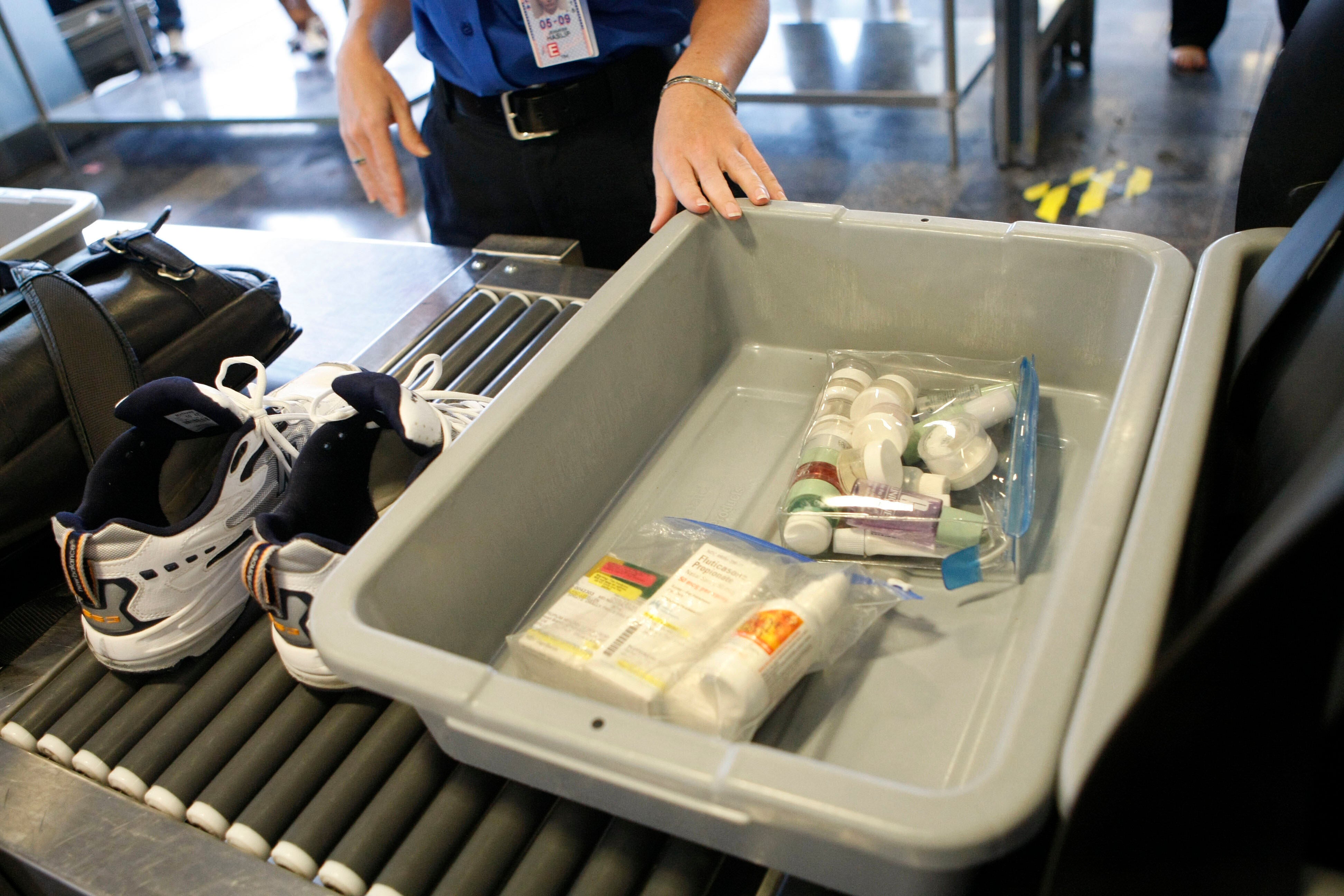
Can I bring food and drink on a flight, or are there any restrictions under the 3-1-1 rule?
While the 3-1-1 rule applies to liquids and gels, there are some exceptions and exemptions that apply to food and drink. For example, solid foods like sandwiches and fruit are generally allowed, as long as they're not in a liquid or gel form. However, juice and soda are subject to the 3-1-1 rule, and must be in containers of 3.4 ounces or less. Additionally, water and other beverages may be allowed, but only if they're purchased after security checkpoints. To avoid any delays or hassles, it's essential to check with your airline for any specific restrictions or guidelines that may apply.
In terms of snacks and drinks, it's generally best to pack carefully and to choose items that comply with the 3-1-1 rule. This can involve everything from purchasing travel-sized versions of your favorite products to decanting liquids and gels into smaller containers. By planning ahead and staying informed, you can ensure that you have the food and drink you need, while also staying safe and secure. And let's not forget the importance of staying hydrated during long flights, from bringing an empty water bottle to purchasing water and other beverages after security checkpoints.
How do I deal with the stress and hassle of navigating the 3-1-1 rule, and what are some tips for making the security process smoother and more efficient?
Navigating the 3-1-1 rule can be stressful and overwhelming, especially for infrequent travelers. However, there are some tips and strategies that can help to make the security process smoother and more efficient. One key tip is to pack carefully, and to choose items that comply with the 3-1-1 rule. This can involve everything from decanting liquids and gels into smaller containers to purchasing travel-sized versions of your favorite products. Additionally, it's essential to stay informed about the latest TSA guidelines and regulations, and to check with your airline for any specific restrictions or guidelines that may apply.
Another tip is to allow plenty of time for security screening, and to be prepared to undergo additional screening if necessary. This can involve everything from informing the TSA about any prohibited items to undergoing additional screening when necessary. By planning ahead and staying informed, you can ensure a smooth and stress-free journey through airport security, and avoid any delays or hassles associated with the 3-1-1 rule. And let's not forget the importance of cooperation, from informing the TSA about any prohibited items to undergoing additional screening when necessary.
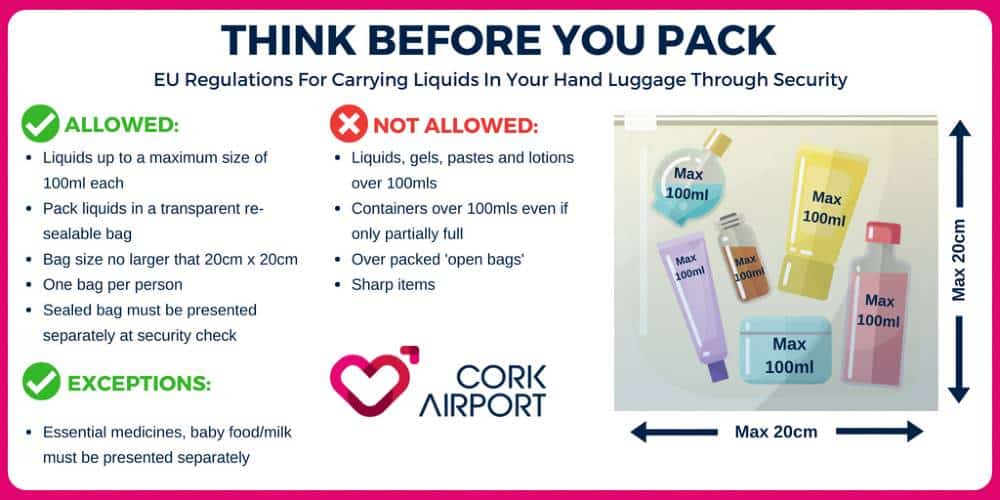
What are some common mistakes that travelers make when navigating the 3-1-1 rule, and how can I avoid these mistakes to ensure a smooth and stress-free journey through airport security?
There are several common mistakes that travelers make when navigating the 3-1-1 rule, from failing to decant liquids and gels into smaller containers to not informing the TSA about prohibited items. To avoid these mistakes, it's essential to pack carefully, and to stay informed about the latest TSA guidelines and regulations. This can involve everything from checking the TSA website for updates to downloading travel apps that provide real-time advice and guidance. Additionally, it's essential to allow plenty of time for security screening, and to be prepared to undergo additional screening if necessary.
By planning ahead and staying informed, you can ensure a smooth and stress-free journey through airport security, and avoid any delays or hassles associated with the 3-1-1 rule. And let's not forget the importance of cooperation, from informing the TSA about any prohibited items to undergoing additional screening when necessary. By working together and staying informed, we can make the security process smoother and more efficient, and ensure a safe and secure journey for all travelers.
As we reflect on the 3-1-1 rule and its impact on air travel, it's clear that this regulation has become an integral part of modern life. From the history of airport security to the psychological aspects of navigating the 3-1-1 rule, there are many fascinating stories and insights to explore. By examining the cultural impact of the 3-1-1 rule, we can gain a deeper understanding of how this regulation has shaped our daily lives and behaviors. And let's not forget the importance of human nature, from the emotional responses to the 3-1-1 rule to the coping mechanisms that we use to deal with the stress and hassle of navigating this regulation.
As we move forward in an increasingly complex and interconnected world, it's essential to consider the broader implications of the 3-1-1 rule. From the economic impact of this regulation to the environmental consequences of increased security measures, there are many critical factors to examine. By exploring these issues and insights, we can gain a deeper understanding of the 3-1-1 rule and its place in modern society. And let's not forget the importance of cooperation, from informing the TSA about any prohibited items to undergoing additional screening when necessary.
In conclusion, the 3-1-1 rule is a complex and multifaceted regulation that has become a staple of modern air travel. By examining the history and psychology of this rule, we can gain a deeper understanding of its impact and significance. And by exploring the cultural and environmental implications of the 3-1-1 rule, we can work towards a more sustainable and environmentally-friendly approach to airport security. Whether you're a frequent traveler or an occasional flyer, it's essential to stay informed and up-to-date on the latest TSA guidelines and regulations. By doing so, you can ensure a smooth and stress-free journey through airport security, and avoid any delays or hassles* associated with the 3-1-1 rule.