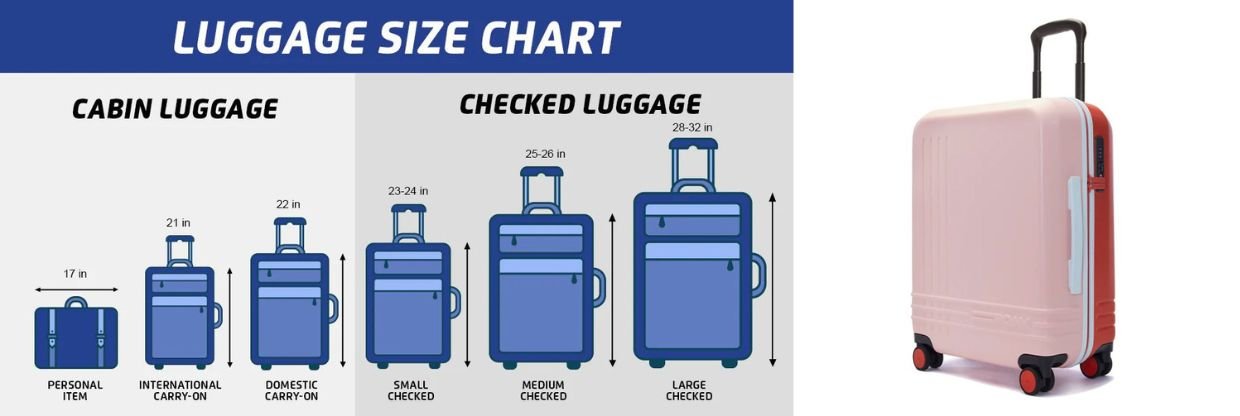
Airline Size Restrictions For Carry On Luggage

Air travel can be a thrilling experience, but it can also be a daunting task, especially when it comes to packing. One of the most important things to consider is the size of your carry-on luggage, as airline size restrictions can vary greatly from one carrier to another. Knowing these restrictions can make all the difference in having a stress-free flight.
The purpose of these restrictions is to ensure that all passengers have a safe and comfortable journey. Airline companies need to make sure that the overhead bins are not overflowing with luggage, which can be a hazard in case of an emergency. By enforcing size restrictions, airlines can also reduce the risk of injuries caused by heavy or oversized bags.
Purpose and Benefits
The main benefit of having size restrictions for carry-on luggage is to enhance safety on board. When luggage is too large or too heavy, it can be difficult to stow it in the overhead bins, which can lead to delays and even accidents. By adhering to these restrictions, passengers can help ensure a smooth and safe flight for everyone.
Must Read
- Heart Of Mexico City Football: Pinpointing The Azteca Stadium Location
- Guadalajara Stadium Parking Guide: Avoid The Matchday Traffic
- Houston Stadium Bag Policy: Clear Bag Rules For Visitors
- Sofi Stadium Capacity: How Many Fans It Can Hold
- Reliant Stadium Parking: A Guide To The Old Name And Current Venue
In addition to safety, size restrictions can also help to reduce congestion in the cabin. When everyone has luggage that fits neatly in the overhead bins, boarding and disembarking the plane can be a much faster and more efficient process. This can be especially beneficial for passengers who are in a hurry or have tight connections.
Another benefit of size restrictions is that they can help to prevent damage to luggage and the aircraft itself. Oversized or heavy bags can cause damage to the overhead bins, seats, and other equipment on the plane, which can be costly to repair. By keeping luggage within the designated size limits, passengers can help to prevent these types of damages.
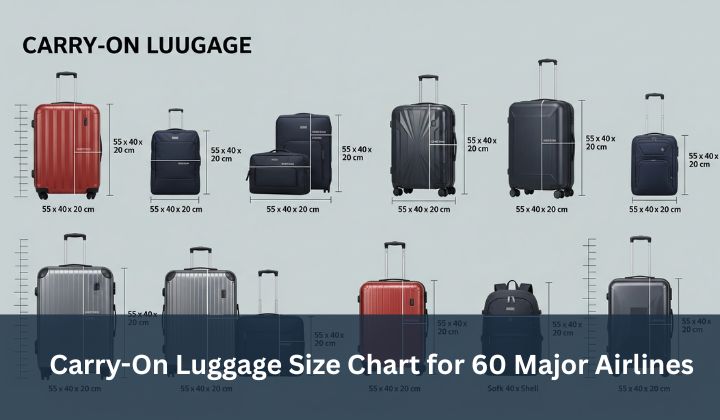
Size Restrictions Vary
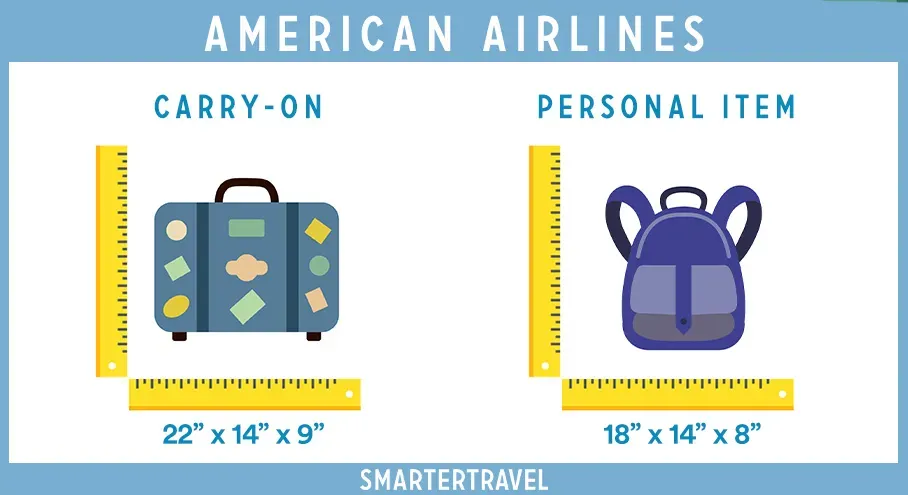
It's worth noting that airline size restrictions can vary greatly from one carrier to another. For example, Delta Air Lines has a maximum size limit of 22 x 14 x 9 inches for carry-on luggage, while American Airlines has a limit of 22 x 14 x 10 inches. Passengers should always check with their airline before their flight to confirm the size restrictions.
Some airlines also have additional requirements for carry-on luggage, such as weight limits or restrictions on certain types of items. For example, United Airlines has a weight limit of 40 pounds for carry-on luggage, while Southwest Airlines prohibits certain types of sporting equipment. Passengers should be sure to review these requirements carefully to avoid any issues during their flight.
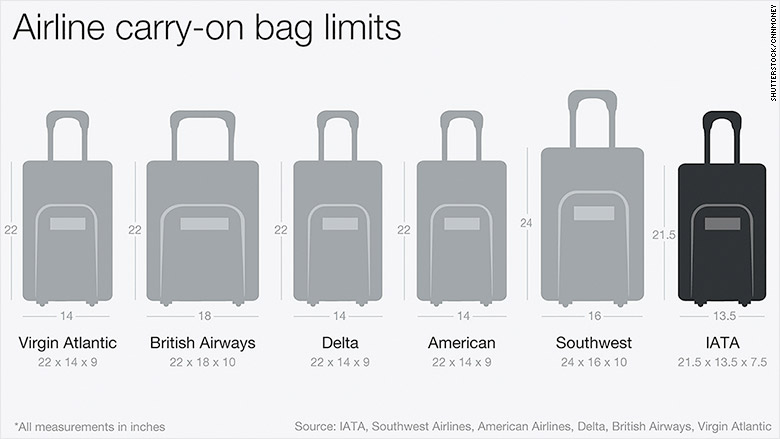
To make things easier, many airlines provide carry-on baggage sizers at check-in counters or gates. These sizers are designed to help passengers determine whether their luggage meets the size requirements, and can be a helpful tool for avoiding any issues during boarding. By using these sizers, passengers can ensure that their luggage is within the designated size limits and avoid any potential problems.
In
recent years, there has been a trend towards more strict enforcement of size restrictions for carry-on luggage. This is largely due to the increasing number of passengers who are bringing oversized or heavy bags on board, which can cause delays and safety hazards. As a result, airlines are cracking down on these types of bags and enforcing their size restrictions more rigorously.
:max_bytes(150000):strip_icc()/TAL-illustrated-chart-CARRYSIZE0325-35ad53e34fe94833b370f432af602978.jpg)
Despite these restrictions, there are still many options available for passengers who need to bring larger or heavier items with them. For example, many airlines offer checked baggage options, which can be a convenient way to transport larger or heavier items. Additionally, some airlines offer specialized baggage handling services, which can help to accommodate passengers with unique or oversized items.
In conclusion, airline size restrictions for carry-on luggage are an important aspect of air travel. By understanding and adhering to these restrictions, passengers can help to ensure a safe and comfortable journey for everyone. Whether you're a frequent flyer or just an occasional traveler, it's always a good idea to check with your airline before your flight to confirm their size restrictions and make any necessary arrangements.
:max_bytes(150000):strip_icc()/carrry-on-bags-size-weight-limits-1861874_final-5c7ed492c9e77c000136a81a.png)


:max_bytes(150000):strip_icc()/common-carryon-sizes-2-inforgraphic-BAGSIZE1219-6c81902ea54645c9bdbaec25b3f5a4b3.jpg)