Airline Restrictions For Carry On Bags

As we navigate the skies, a multitude of rules and regulations govern our travel experience, one of the most critical being airline restrictions for carry-on bags. The concept of carry-on luggage has a fascinating history, dating back to the early days of commercial aviation when passengers would often bring their luggage into the cabin with them. However, as air travel became more accessible and planes more crowded, the need for strict regulations arose. Today, these restrictions play a crucial role in ensuring the safety and comfort of all passengers on board.
The significance of airline restrictions for carry-on bags cannot be overstated, as they directly impact the convenience and efficiency of our travel experiences. With the rise of budget airlines and the increasing demand for air travel, understanding these restrictions is more important than ever. Whether you're a frequent flyer or an occasional traveler, being aware of what you can and cannot bring on board can save you time, money, and a whole lot of stress. From the size and weight limitations to the prohibited items list, navigating the complex world of carry-on bag restrictions can be a daunting task, but fear not, dear traveler, for we're about to break it down for you.
The Evolution of Carry-On Restrictions
As air travel has evolved, so too have the restrictions on carry-on bags. In the past, passengers were allowed to bring a wide range of items on board, from large suitcases to exotic pets. However, as concerns over safety and security grew, airlines and regulatory bodies began to impose stricter rules. Today, the Transportation Security Administration (TSA) and the International Air Transport Association (IATA) provide guidelines for carry-on luggage, including size and weight limitations, as well as lists of prohibited items. Despite these efforts, confusion and inconsistencies remain, with different airlines having their own unique rules and regulations.
Must Read
One of the most significant factors influencing carry-on restrictions is security concerns. In the post-9/11 era, the TSA introduced a range of measures to enhance security, including the 3-1-1 liquids rule and the prohibition of sharp objects. While these measures have undoubtedly improved safety, they've also added to the complexity of carry-on regulations. Furthermore, the psychological impact of these restrictions should not be underestimated, as the stress and anxiety of navigating security checkpoints can be a significant source of discomfort for many travelers.
Culturally, the concept of carry-on luggage reflects our values and priorities as a society. In an era of fast fashion and consumerism, it's no surprise that many of us want to bring as much luggage as possible on board. However, this desire for convenience and comfort must be balanced against the need for safety and security. As we move forward, it's likely that carry-on restrictions will continue to evolve, influenced by advances in technology, changes in consumer behavior, and shifting societal values. By understanding these factors, we can better navigate the complex world of carry-on luggage and make our travel experiences more enjoyable and stress-free.
Navigating the Rules and Regulations
So, how can you ensure a smooth and hassle-free travel experience when it comes to carry-on luggage? The first step is to check with your airline for their specific rules and regulations. While the TSA and IATA provide general guidelines, different airlines may have their own unique requirements. For example, some airlines may have stricter size and weight limitations, while others may prohibit certain items altogether. By understanding these rules, you can avoid delayed or confiscated luggage and make the most of your carry-on allowance.

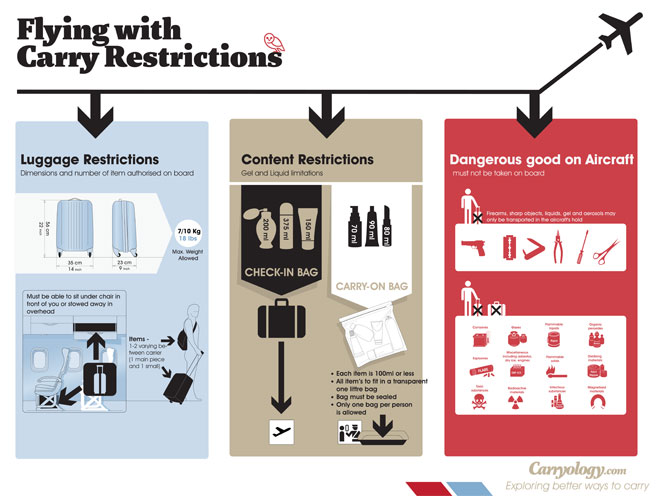
Another key consideration is the type of items you're carrying. Certain items, such as electronic devices and liquids, are subject to specific rules and regulations. For example, the TSA's 3-1-1 liquids rule requires that liquids, gels, and aerosols be in containers of 3.4 ounces or less, and fit in a clear, quart-sized zip-top bag. By understanding these rules, you can avoid security delays and make the most of your carry-on luggage.
In addition to understanding the rules and regulations, it's also important to consider the practicalities of carry-on luggage. Choosing the right carry-on bag can make a big difference to your travel experience. Look for a bag that's sturdy, comfortable, and easy to maneuver, with multiple compartments and pockets to keep your belongings organized. By investing in a high-quality carry-on bag, you can ensure that your luggage is secure, convenient, and compliant with airline regulations.
Finally, it's worth noting that technology is changing the game when it comes to carry-on luggage. From smart bags with GPS tracking to automated security screening, innovations are making it easier to navigate the complex world of carry-on regulations. As we move forward, it's likely that technology will play an increasingly important role in shaping the future of air travel, from biometric screening to artificial intelligence-powered security systems. By embracing these innovations, we can create a more efficient, secure, and enjoyable travel experience for all.
Frequently Asked Questions
What are the size and weight limitations for carry-on bags?
The size and weight limitations for carry-on bags vary depending on the airline, but most airlines have similar rules. Typically, carry-on bags should not exceed 22 inches in length, 14 inches in width, and 9 inches in height. As for weight, most airlines have a limit of 40 pounds for carry-on bags. However, it's always best to check with your airline for their specific rules and regulations. By understanding these limitations, you can ensure that your carry-on luggage is compliant and convenient.
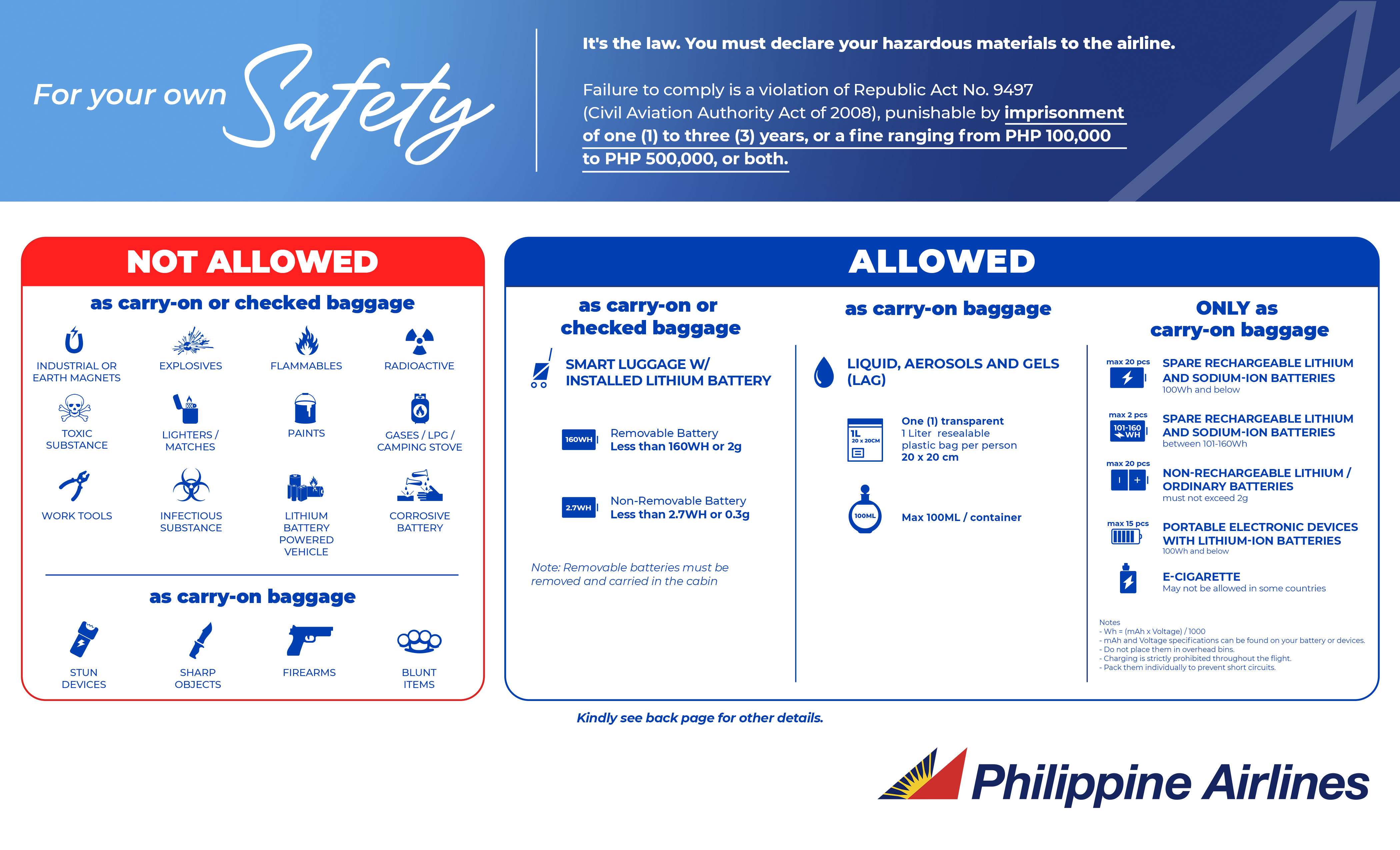
In addition to understanding the size and weight limitations, it's also important to consider the type of items you're carrying. Certain items, such as electronic devices and liquids, are subject to specific rules and regulations. By understanding these rules, you can avoid security delays and make the most of your carry-on luggage. Furthermore, choosing the right carry-on bag can make a big difference to your travel experience. Look for a bag that's sturdy, comfortable, and easy to maneuver, with multiple compartments and pockets to keep your belongings organized.
Can I bring liquids, gels, and aerosols in my carry-on bag?
The TSA's 3-1-1 liquids rule requires that liquids, gels, and aerosols be in containers of 3.4 ounces or less, and fit in a clear, quart-sized zip-top bag. This rule applies to all carry-on bags, and is designed to enhance security and prevent the transportation of prohibited items. By understanding this rule, you can avoid security delays and make the most of your carry-on luggage. However, it's worth noting that certain items, such as medications and baby formula, are exempt from this rule, and can be carried in larger quantities.
In addition to understanding the 3-1-1 liquids rule, it's also important to consider the type of items you're carrying. Certain items, such as electronic devices and sharp objects, are subject to specific rules and regulations. By understanding these rules, you can avoid security delays and make the most of your carry-on luggage. Furthermore, choosing the right carry-on bag can make a big difference to your travel experience. Look for a bag that's sturdy, comfortable, and easy to maneuver, with multiple compartments and pockets to keep your belongings organized.
Can I bring my laptop and other electronic devices in my carry-on bag?
Yes, you can bring your laptop and other electronic devices in your carry-on bag, but you'll need to remove them from your bag and place them in a bin for X-ray screening at security checkpoints. This is a security requirement designed to detect and prevent the transportation of prohibited items. By understanding this rule, you can avoid security delays and make the most of your carry-on luggage. However, it's worth noting that certain items, such as power banks and portable chargers, are subject to specific rules and regulations, and may be prohibited in carry-on bags.
In addition to understanding the rules for electronic devices, it's also important to consider the practicalities of carry-on luggage. Choosing the right carry-on bag can make a big difference to your travel experience. Look for a bag that's sturdy, comfortable, and easy to maneuver, with multiple compartments and pockets to keep your belongings organized. By investing in a high-quality carry-on bag, you can ensure that your luggage is secure, convenient, and compliant with airline regulations.
Can I bring food and drinks in my carry-on bag?
Yes, you can bring food and drinks in your carry-on bag, but there are certain restrictions and guidelines to be aware of. For example, liquids and gels are subject to the TSA's 3-1-1 rule, while solid foods are generally allowed. However, it's worth noting that certain items, such as peanuts and tree nuts, may be prohibited on certain flights due to allergy concerns. By understanding these rules, you can avoid security delays and make the most of your carry-on luggage.
In addition to understanding the rules for food and drinks, it's also important to consider the type of items you're carrying. Certain items, such as electronic devices and sharp objects, are subject to specific rules and regulations. By understanding these rules, you can avoid security delays and make the most of your carry-on luggage. Furthermore, choosing the right carry-on bag can make a big difference to your travel experience. Look for a bag that's sturdy, comfortable, and easy to maneuver, with multiple compartments and pockets to keep your belongings organized.
What happens if my carry-on bag is too large or too heavy?
If your carry-on bag is too large or too heavy, you may be required to check it at the gate or at the check-in counter. This can be a hassle and a inconvenience, especially if you're traveling with valuable or essential items. To avoid this situation, it's always best to check with your airline for their specific rules and regulations regarding carry-on bags. By understanding these rules, you can ensure that your carry-on luggage is compliant and convenient.

In addition to understanding the rules for carry-on bags, it's also important to consider the practicalities of checking luggage. If you do need to check your carry-on bag, make sure to remove any valuable or essential items and keep them with you in the cabin. You should also label your bag clearly and keep an eye on it as it's being loaded onto the plane. By taking these precautions, you can minimize the risk of lost or damaged luggage and ensure a smooth and hassle-free travel experience.
As we reflect on the complex world of airline restrictions for carry-on bags, it's clear that this topic is closely tied to our daily lives and human nature. Our desire for convenience and comfort often conflicts with the need for safety and security, and navigating this balance is a key challenge for travelers and airlines alike. By understanding the rules and regulations surrounding carry-on bags, we can make informed decisions about our travel experiences and create a more efficient, secure, and enjoyable journey for all.
The cultural significance of carry-on luggage also reveals interesting insights into our values and priorities as a society. In an era of fast fashion and consumerism, it's no surprise that many of us want to bring as much luggage as possible on board. However, this desire for convenience and comfort must be balanced against the need for safety and security. As we move forward, it's likely that carry-on restrictions will continue to evolve, influenced by advances in technology, changes in consumer behavior, and shifting societal values.
Ultimately, the key to navigating the complex world of airline restrictions for carry-on bags is to be informed, prepared, and flexible. By understanding the rules and regulations, choosing the right carry-on bag, and being mindful of the items you're carrying, you can minimize the risk of security delays and make the most of your travel experience. As we continue to explore the skies and push the boundaries of air travel, it's essential that we prioritize safety, security, and convenience – and that we do so with a deep understanding of the complex factors that shape our travel experiences.