Airline Flight Restrictions Carry Ons
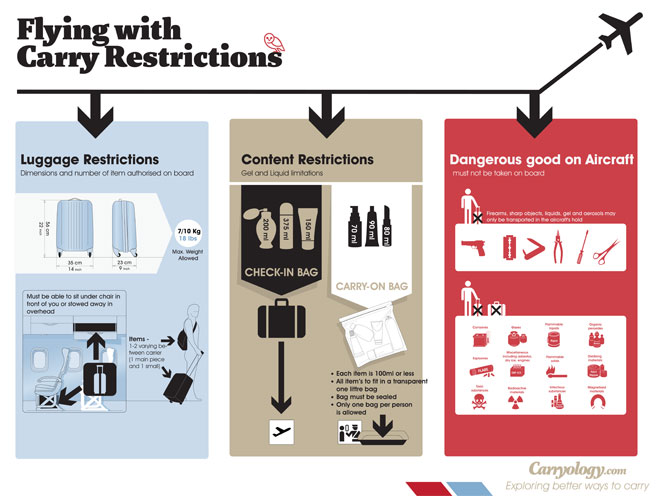
As we soar through the skies, a world of rules and regulations governs our every move, from check-in to landing. One of the most critical aspects of air travel is the humble carry-on bag, a staple of modern flight that has become an essential part of our journey. But have you ever stopped to think about the airline flight restrictions that dictate what we can and cannot bring on board? From liquids and gels to electronic devices, the rules are complex and ever-changing, designed to balance passenger convenience with airport security.
The concept of carry-on baggage has been around for decades, dating back to the early days of commercial air travel. As planes became more accessible and affordable, the need for efficient and secure baggage handling grew. Over time, airlines and regulatory bodies have developed a set of strict guidelines to govern carry-on bags, including size and weight limits, prohibited items, and screening procedures. Today, these restrictions play a critical role in ensuring the safety and smooth operation of flights, while also influencing passenger behavior and travel planning.
Understanding the Rules
Delving deeper into the world of airline flight restrictions, it's fascinating to explore the lesser-known facts and psychological aspects that underpin these rules. For instance, did you know that the TSA's 3-1-1 rule for liquids and gels in carry-on bags was introduced in response to a foiled terrorist plot in 2006? This rule, which dictates that passengers can only carry liquids, gels, and aerosols in containers of 3.4 ounces or less, has become a ubiquitous aspect of air travel. Moreover, the cultural impact of these restrictions cannot be overstated, as they reflect a broader societal shift towards increased security and vigilance in the post-9/11 era.
Must Read
As we navigate the complex web of airline flight restrictions, it's essential to consider the human factor that drives passenger behavior. Why do some travelers persist in trying to sneak prohibited items onto flights, despite the risks and consequences? What role do emotional and psychological factors play in shaping our attitudes towards carry-on bags and airline rules? By examining these questions, we can gain a deeper understanding of the intricate dynamics at play in the world of air travel.
Furthermore, the cultural references that surround airline flight restrictions offer a fascinating window into the human experience. From the movies and TV shows that depict airport security checks as a source of drama and tension, to the memes and jokes that circulate online, our shared cultural narrative is filled with references to the trials and tribulations of air travel. By exploring these references, we can uncover the underlying values and assumptions that shape our attitudes towards airline flight restrictions and the world of air travel more broadly.
Real-World Scenarios and Takeaways
So, how do airline flight restrictions play out in real-world scenarios? Let's consider a few case studies that illustrate the complexities and challenges of navigating these rules. For instance, a passenger traveling with a medical device may need to obtain special clearance and documentation to bring it on board. Similarly, a traveler carrying valuable or fragile items may need to take extra precautions to ensure their safe transport. By examining these scenarios, we can distill actionable takeaways for passengers, including the importance of researching airline policies, packing strategically, and communicating effectively with airport staff.
In addition to these case studies, it's essential to consider the broader implications of airline flight restrictions for passengers and airlines alike. How do these rules influence our travel planning and airport experience? What are the financial and operational impacts of these restrictions on airlines, and how do they respond to changing regulatory requirements? By exploring these questions, we can develop a more nuanced understanding of the complex interplay between airline flight restrictions, passenger behavior, and the air travel industry as a whole.
Moreover, the technological innovations that are transforming air travel offer a fascinating glimpse into the future of airline flight restrictions. From biometric screening to artificial intelligence-powered security systems, these advancements promise to streamline and secure the travel experience. However, they also raise important questions about privacy and surveillance, as well as the potential for disruption and cyber threats. By examining these developments, we can better understand the evolving landscape of airline flight restrictions and the role that technology will play in shaping our travel experiences.
Ultimately, the key to navigating airline flight restrictions successfully lies in preparation and awareness. By researching airline policies, packing strategically, and communicating effectively with airport staff, passengers can minimize the risk of delays, disruptions, and frustration. Whether you're a seasoned traveler or a novice flyer, understanding the rules and regulations that govern air travel is essential for a smooth and enjoyable journey. So, the next time you find yourself standing in line at airport security, remember that the rules are in place to protect you and your fellow passengers – and that a little knowledge and planning can go a long way in ensuring a safe and successful flight.
Frequently Asked Questions
What are the restrictions on carrying liquids, gels, and aerosols in carry-on bags?
The TSA's 3-1-1 rule dictates that passengers can only carry liquids, gels, and aerosols in containers of 3.4 ounces or less, with some exceptions for medications and special items. This rule applies to all carry-on bags and is enforced through security screening and inspection. It's essential to note that these restrictions are subject to change, and passengers should always check with their airline and the TSA for the latest guidelines and updates.
In addition to the 3-1-1 rule, passengers should be aware of the prohibited items list, which includes substances like bleach and pesticides. The TSA also provides a helpline and website for passengers to check the status of specific items and get guidance on packing and preparing for their flight. By understanding these restrictions and resources, passengers can avoid delays and ensure a smooth journey through airport security.
Can I bring my laptop and other electronic devices in my carry-on bag?
Yes, passengers are generally allowed to bring their laptops and electronic devices in their carry-on bags, but there are some exceptions and requirements to be aware of. For instance, lithium batteries are subject to specific regulations, and passengers may need to declare them at check-in or security screening. Additionally, some airports and airlines may have special procedures for screening and handling electronic devices, so it's essential to check with your airline and the TSA for the latest guidelines and updates.
In terms of packing and protecting your electronic devices, it's crucial to use a sturdy and padded case to prevent damage during the flight. Passengers should also be aware of the airport's Wi-Fi and power options, as well as any restrictions on using devices during takeoff and landing. By taking these precautions and staying informed, passengers can enjoy their electronic devices during the flight while minimizing the risk of damage or loss.
How do I pack my carry-on bag to ensure it meets the airline's size and weight requirements?
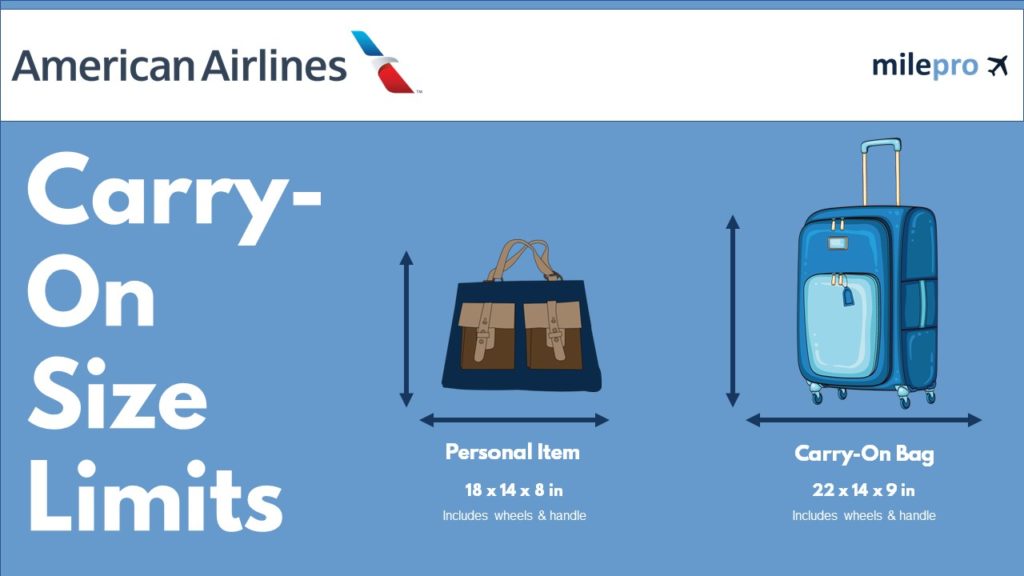
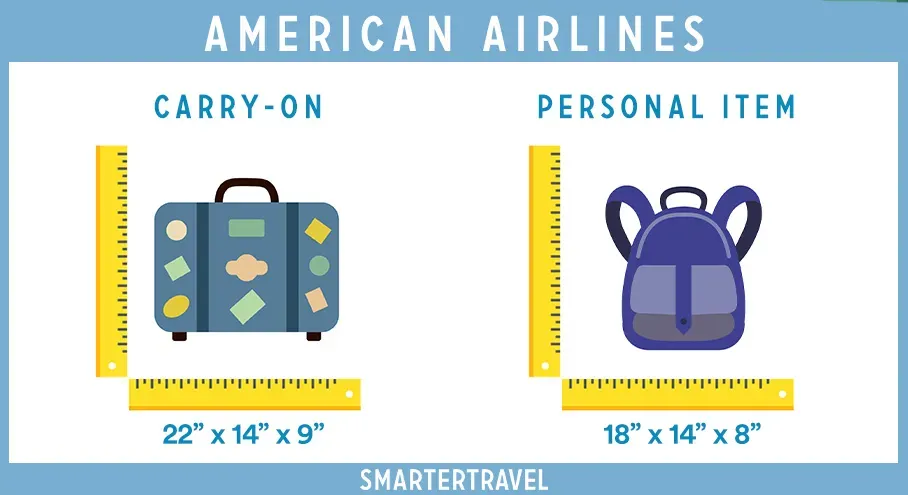
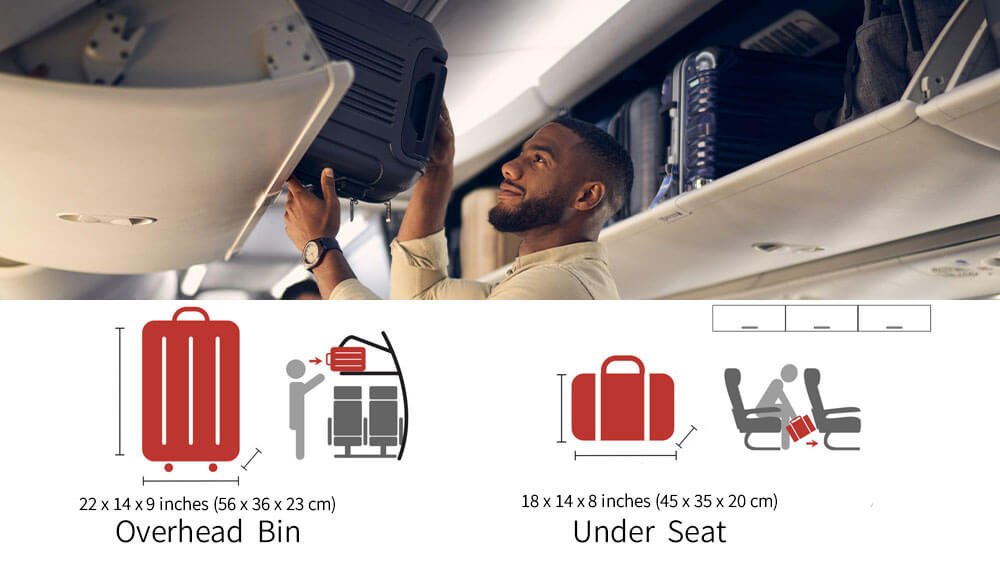
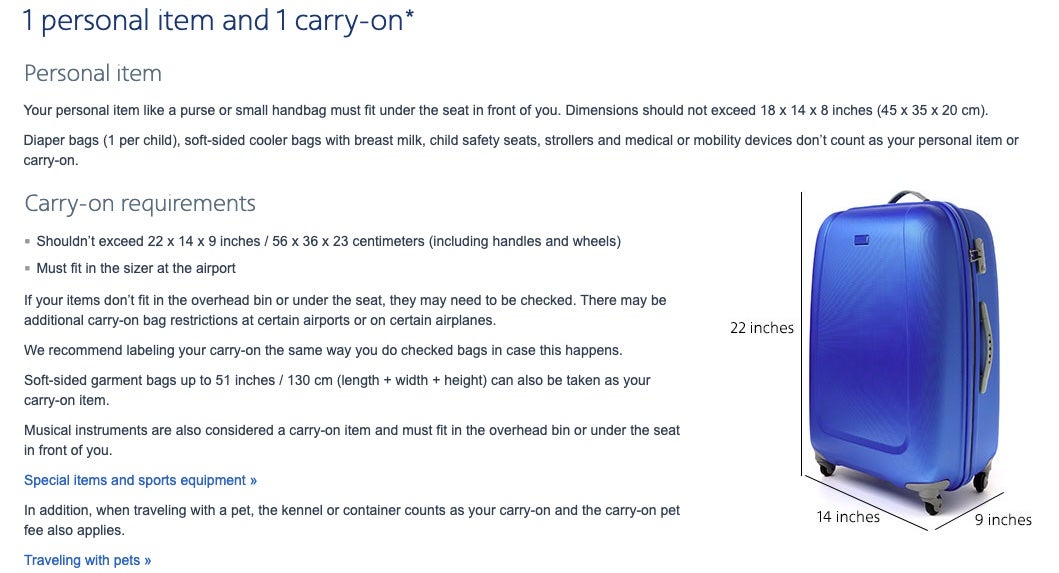
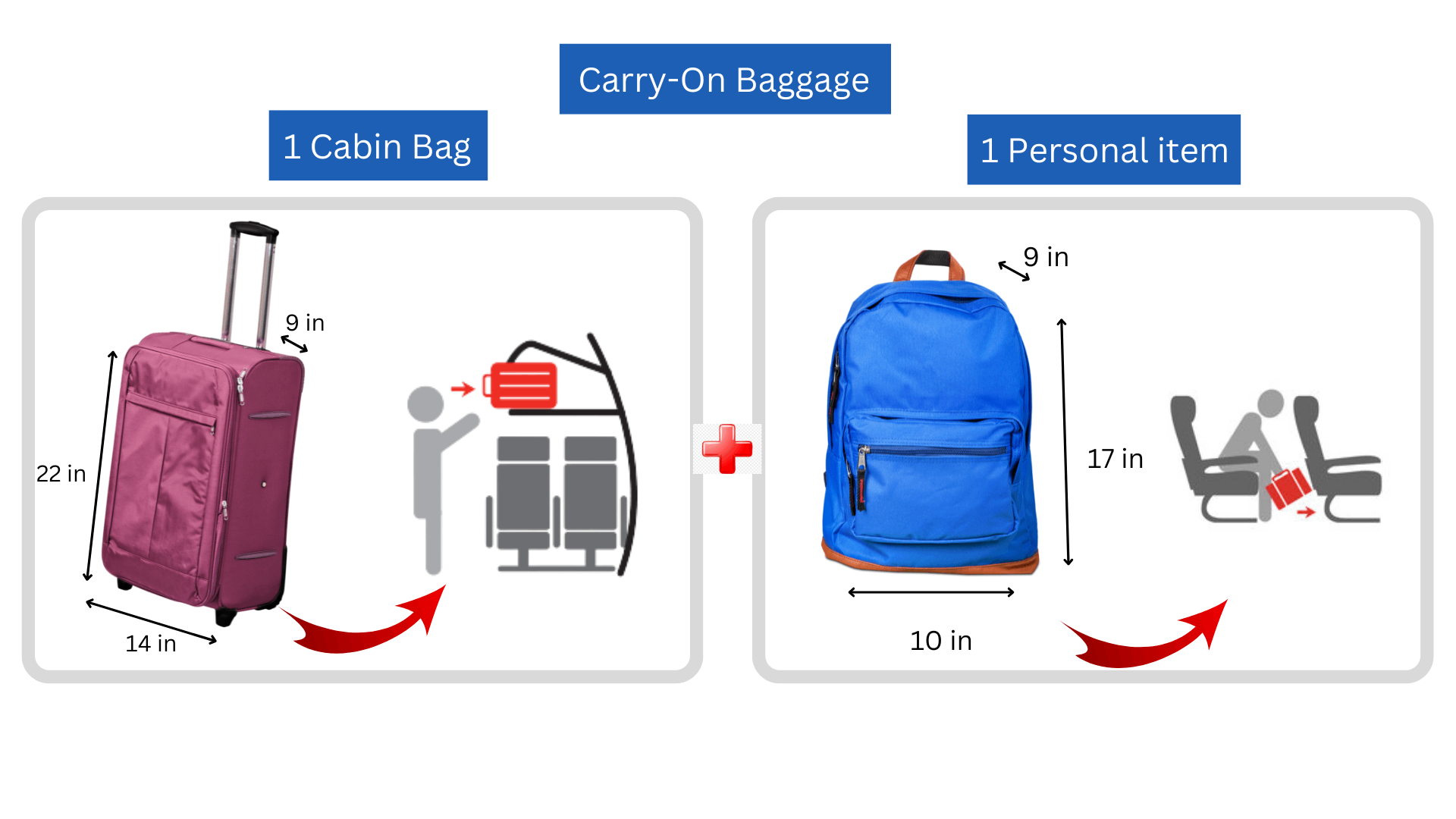
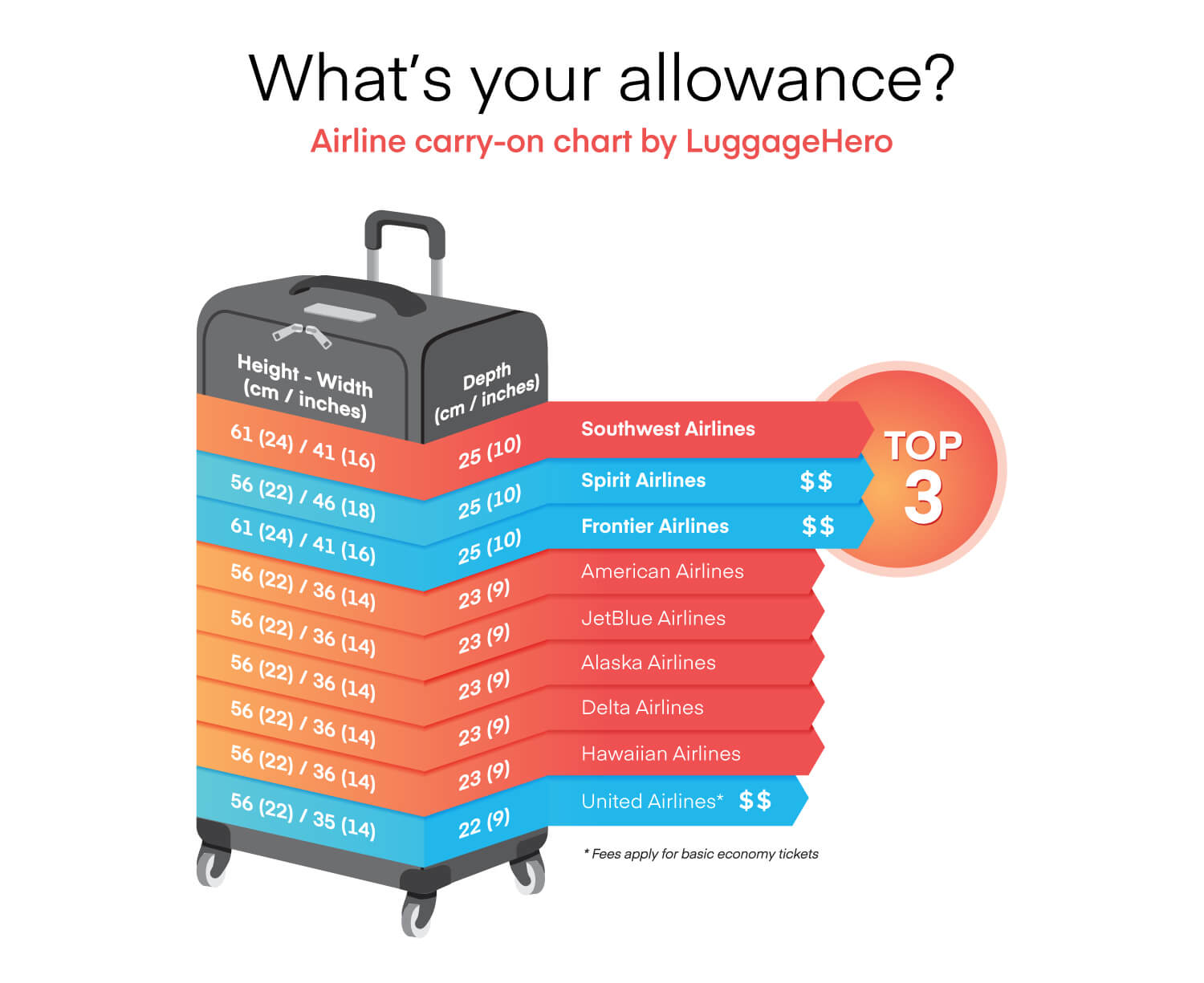
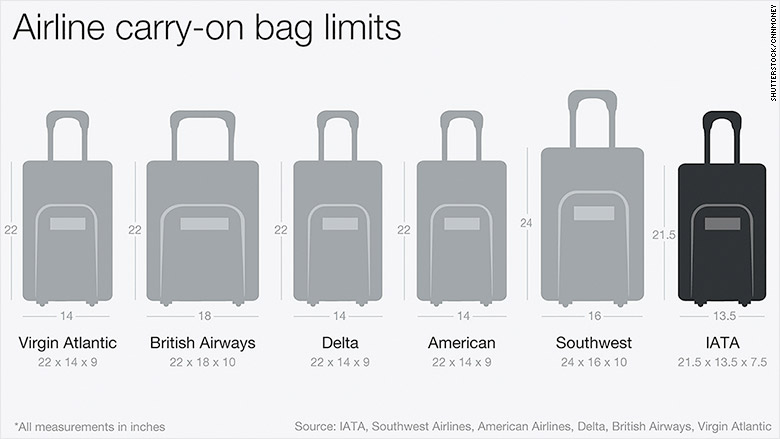
To pack your carry-on bag efficiently and ensure it meets the airline's size and weight requirements, start by researching the airline's policies and guidelines. Make a list of essentials you need to bring, such as your passport, phone, and medication, and pack them in a dedicated and easily accessible compartment. Use packing cubes and organizers to maximize space and keep your belongings organized, and consider wearing bulky items like your coat and boots to save space in your bag.
In addition to these tips, passengers should be aware of the airport's baggage handling procedures and take steps to protect their belongings during the flight. This may include using a sturdy and secure bag, keeping valuable items close, and being mindful of potential delays or disruptions. By taking these precautions and staying informed, passengers can ensure a smooth and enjoyable journey, even in the face of unexpected challenges or setbacks.
What are the consequences of violating airline flight restrictions, and how can I avoid them?
Violating airline flight restrictions can result in delays, fines, and even arrest, depending on the severity of the offense. To avoid these consequences, passengers should research and understand the airline's policies and guidelines, as well as any relevant laws and regulations. This includes being aware of prohibited items, size and weight limits, and screening procedures, and taking steps to comply with these requirements.
In addition to these measures, passengers can take steps to mitigate the risks associated with violating airline flight restrictions. This may include purchasing travel insurance, registering for TSA Precheck or Global Entry, and staying informed about changes to airline policies and regulations. By being proactive and taking responsibility for their own compliance, passengers can minimize the risk of delays, fines, and other consequences, and enjoy a smooth and successful flight.
How do airline flight restrictions impact passengers with special needs or requirements, such as wheelchair users or parents with infants?
Airline flight restrictions can have a significant impact on passengers with special needs or requirements, such as wheelchair users or parents with infants. These passengers may need to take extra precautions and plan ahead to ensure a smooth and safe journey. This includes researching the airline's policies and procedures for accommodating special needs, as well as notifying the airline in advance of any specific requirements or requests.

In addition to these steps, passengers with special needs or requirements can take advantage of resources and services offered by airlines and airports, such as special assistance and facilities for passengers with disabilities. The TSA also provides guidance and support for passengers with special needs, including a helpline and website for checking the status of specific items and getting guidance on packing and preparing for their flight. By being aware of these resources and taking steps to plan and prepare, passengers with special needs or requirements can minimize the risks and challenges associated with airline flight restrictions and enjoy a safe and successful journey.
As we reflect on the world of airline flight restrictions, it's clear that these rules play a critical role in shaping our travel experiences and influencing our behavior as passengers. Whether we're aware of it or not, the regulations and guidelines that govern air travel have a profound impact on our daily lives, from the way we pack and prepare for our flights to the way we interact with airport staff and security personnel. By understanding and navigating these restrictions, we can minimize the risks and challenges associated with air travel and enjoy a smooth, safe, and successful journey.
Moreover, the cultural and psychological aspects of airline flight restrictions offer a fascinating window into the human experience. From the emotional and psychological factors that drive passenger behavior to the cultural references and narratives that surround air travel, these restrictions reflect a broader societal shift towards increased security and vigilance in the post-9/11 era. By examining these aspects, we can gain a deeper understanding of the intricate dynamics at play in the world of air travel and develop a more nuanced appreciation for the complex interplay between airline flight restrictions, passenger behavior, and the air travel industry as a whole.
Ultimately, the key to successfully navigating airline flight restrictions lies in preparation, awareness, and understanding. By researching airline policies, packing strategically, and communicating effectively with airport staff, passengers can minimize the risk of delays, disruptions, and frustration. Whether you're a seasoned traveler or a novice flyer, understanding the rules and regulations that govern air travel is essential for a smooth and enjoyable journey. So, the next time you find yourself standing in line at airport security, remember that the rules are in place to protect you and your fellow passengers – and that a little knowledge and planning can go a long way in ensuring a safe and successful flight.