Ai Impact On Labor Market For Funeral Service Workers
The concept of funeral service workers has been an integral part of human society for centuries, with its roots tracing back to ancient civilizations where death was considered a sacred and mystical experience. In the past, funeral rites and rituals were performed by family members, community leaders, or spiritual figures, with the primary goal of ensuring the deceased person's safe passage into the afterlife. As societies evolved and populations grew, the need for specialized funeral service workers became increasingly apparent, leading to the establishment of formal funeral industries. The ancient Egyptians, for instance, developed elaborate funeral practices, including mummification and burial in ornate tombs, which required a skilled workforce of priests, embalmers, and burial grounds staff.
In the Victorian era, funeral service workers became more formalized, with the rise of undertakers and funeral directors who managed every aspect of the funeral process, from preparing the body to coordinating the ceremony. This period also saw the emergence of intricately designed coffins, mourning attire, and other funeral paraphernalia, which added to the solemnity and spectacle of the occasion. The early 20th century brought significant changes to the funeral industry, with the introduction of new technologies, such as embalming machines and cremation ovens, which expanded the range of services offered by funeral homes and transformed the profession into a more commercialized and industrialized sector.
Despite these advancements, the core human necessity behind funeral service workers remained unchanged – to provide comfort, support, and dignity to the bereaved, while also ensuring the respectful and safe disposition of the deceased. This fundamental aspect of the profession has endured through the ages, with funeral service workers continuing to play a vital role in helping communities cope with loss and grief. As we navigate the complexities of the modern world, the impact of artificial intelligence (AI) on the labor market for funeral service workers is becoming increasingly evident, raising important questions about the future of this profession and its potential evolution in response to technological advancements.
Must Read
- Heart Of Mexico City Football: Pinpointing The Azteca Stadium Location
- Guadalajara Stadium Parking Guide: Avoid The Matchday Traffic
- Houston Stadium Bag Policy: Clear Bag Rules For Visitors
- Sofi Stadium Capacity: How Many Fans It Can Hold
- Reliant Stadium Parking: A Guide To The Old Name And Current Venue
Historical Transformations and Vintage Facts
The funeral industry has undergone numerous transformations over the years, driven by changes in societal values, technological innovations, and shifting consumer preferences. In the 1960s and 1970s, the funeral industry experienced a significant shift towards more personalized and humanistic approaches to death care, with the rise of memorial services, cremation, and alternative burial practices. This period also saw the emergence of funeral cooperatives and consumer advocacy groups, which sought to increase transparency and accountability within the industry. The 1980s and 1990s witnessed the introduction of new technologies, such as computerized embalming and funeral home management software, which streamlined operations and improved efficiency.
One of the more bizarre aspects of the funeral industry's history is the practice of "resurrection men", who would exhume corpses from graveyards to sell to medical schools and anatomists for use in dissection and research. This illicit trade, which flourished in the 18th and 19th centuries, highlights the complex and often fraught relationship between death, commerce, and the pursuit of knowledge. Another fascinating vintage fact is the use of "mourning jewelry", which involved incorporating human hair or other personal relics into ornate brooches, rings, or lockets, serving as a tangible connection to the deceased.

The early 20th century also saw the rise of funeral industry trade associations, such as the National Funeral Directors Association (NFDA), which aimed to promote professionalism, establish standards, and advocate for the interests of funeral service workers. These organizations played a crucial role in shaping the modern funeral industry, by providing training, resources, and guidance for funeral professionals, as well as influencing public policy and regulatory frameworks. As the funeral industry continues to evolve, it is essential to recognize the significance of these historical transformations and vintage facts, which have contributed to the complex and multifaceted nature of funeral service work today.
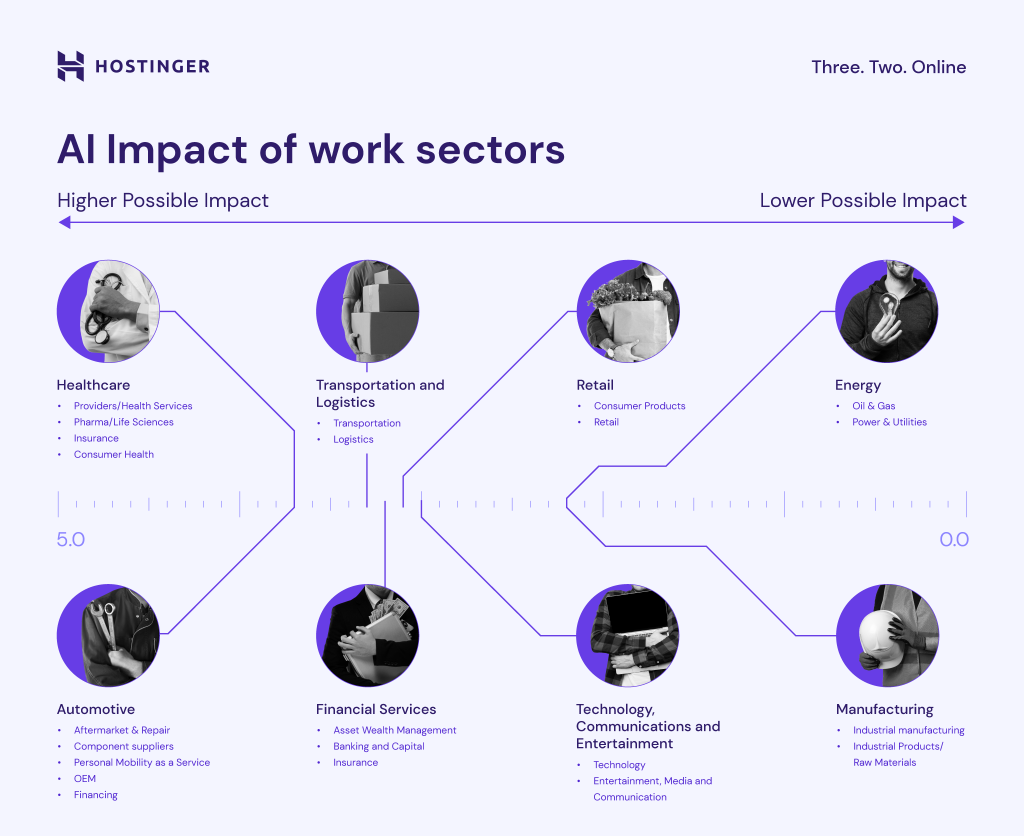
As we look to the future, it is clear that the funeral industry will continue to be shaped by technological innovations, changing consumer preferences, and shifting societal values. The impact of AI on the labor market for funeral service workers is likely to be significant, with potential applications in areas such as funeral planning, bereavement support, and death care management. While some may view AI as a threat to the profession, others see it as an opportunity to enhance and augment the work of funeral service workers, enabling them to focus on high-touch, high-empathy aspects of care, while automating more routine or administrative tasks.
Modernization and the Impact of AI
In recent years, the funeral industry has begun to explore the potential of AI and other digital technologies to modernize and streamline funeral services. This includes the use of online platforms for funeral planning, virtual reality experiences for memorialization, and AI-powered chatbots for bereavement support. While these innovations hold promise, they also raise important questions about the role of human funeral service workers in the age of automation and AI. As Dr. Allan Kellehear, a prominent death studies scholar, notes, "The key challenge for funeral service workers is to balance the benefits of technology with the essential human touch and emotional intelligence that defines their profession."
Classic principles of funeral service work, such as empathy, compassion, and dignity, are being reimagined and reinterpreted in the context of AI and digital technologies. For instance, AI-powered systems can help funeral homes manage logistics, communicate with families, and personalize funeral services, freeing up human staff to focus on more nuanced and emotionally complex aspects of care. Moreover, AI-driven data analytics can provide valuable insights into funeral consumer behavior, preferences, and needs, enabling funeral service workers to tailor their services more effectively and respond to emerging trends and expectations.
Frequently Asked Questions
What is the current state of AI adoption in the funeral industry, and how is it likely to evolve in the future?
The current state of AI adoption in the funeral industry is still in its infancy, with many funeral homes and death care providers only beginning to explore the potential of AI and digital technologies. However, as the technology continues to advance and become more affordable, it is likely that AI will play an increasingly prominent role in the funeral industry, transforming various aspects of funeral service work, from funeral planning and bereavement support to death care management and memorialization. According to Jan Smith, a funeral industry consultant, "AI has the potential to revolutionize the funeral industry, enabling funeral service workers to focus on high-touch, high-empathy aspects of care, while automating more routine or administrative tasks."
As AI adoption becomes more widespread, it is likely that funeral service workers will need to develop new skills and competencies to work effectively with AI systems and leverage their capabilities to enhance funeral services. This may involve training in areas such as AI programming, data analytics, and digital marketing, as well as a deeper understanding of the ethical and social implications of AI in the funeral industry. By embracing AI and digital technologies, funeral service workers can position themselves at the forefront of innovation, providing more personalized, efficient, and compassionate care to families and individuals navigating the complexities of death and grief.
How will AI impact the employment prospects and job security of funeral service workers, and what strategies can they use to adapt to an increasingly automated industry?
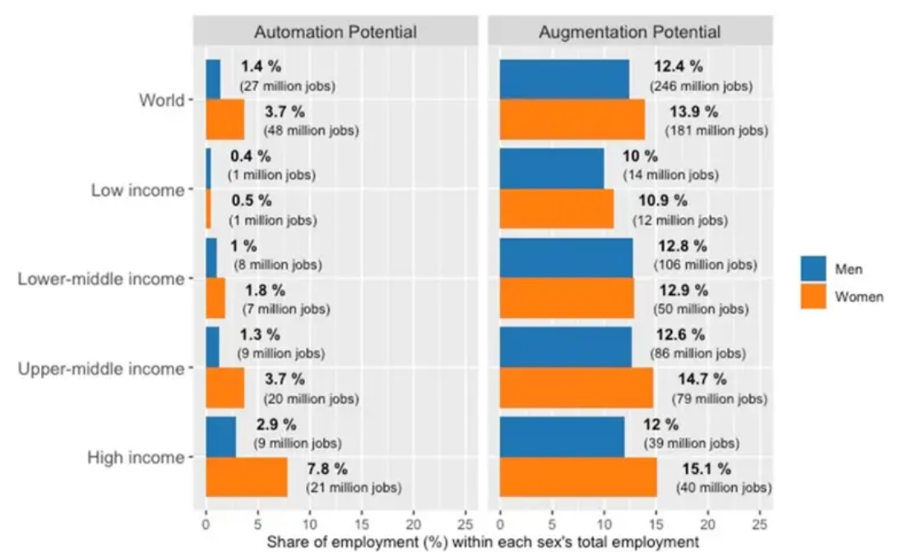
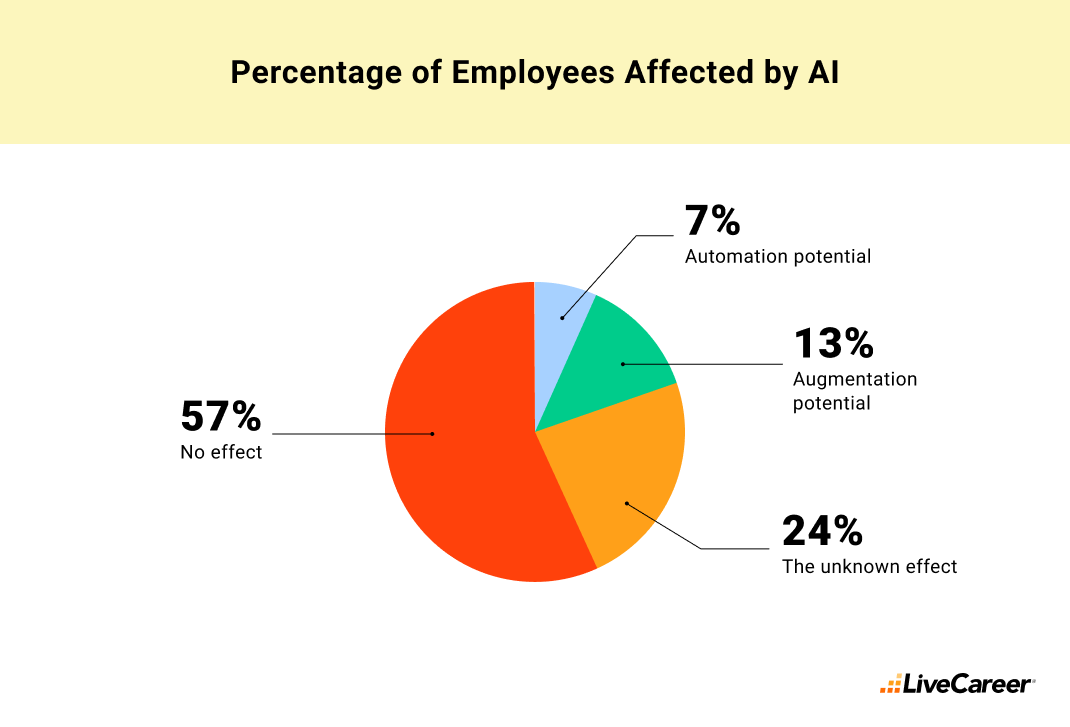
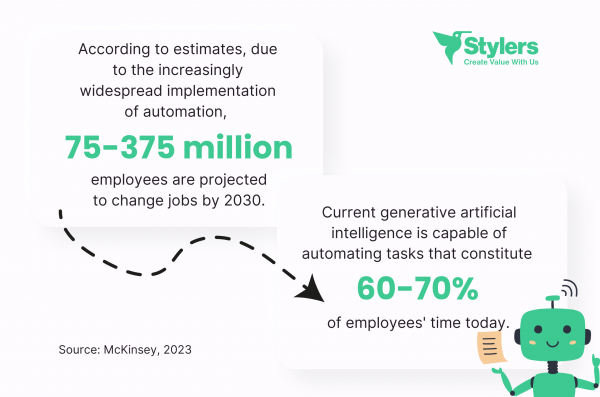
The impact of AI on the employment prospects and job security of funeral service workers is a complex and multifaceted issue, with both positive and negative consequences. On the one hand, AI has the potential to automate routine or administrative tasks, freeing up human staff to focus on more nuanced and emotionally complex aspects of care. This could lead to an increased demand for skilled and compassionate funeral service workers, who can provide high-touch, high-empathy support to families and individuals. On the other hand, AI may also displace certain jobs or tasks, particularly those that involve repetitive or predictable tasks, such as data entry or funeral planning.
To adapt to an increasingly automated industry, funeral service workers can develop strategies to augment their skills and competencies, focusing on areas that are less susceptible to automation, such as empathy, creativity, and complex problem-solving. They can also explore new roles and opportunities emerging in the funeral industry, such as AI training and development, digital marketing, or bereavement support. By embracing lifelong learning, funeral service workers can stay ahead of the curve, leveraging AI and digital technologies to enhance their work and provide more innovative, personalized, and compassionate care to those they serve.
What are the potential risks and challenges associated with AI adoption in the funeral industry, and how can they be mitigated to ensure a safe and dignified transition to a more automated future?
The potential risks and challenges associated with AI adoption in the funeral industry are significant, ranging from concerns about job displacement and automation to issues related to data privacy, security, and ethics. There is also a risk that AI systems may perpetuate existing biases or inequalities in the funeral industry, or that they may be used to exploit vulnerable individuals or families. To mitigate these risks, it is essential to develop clear guidelines, regulations, and standards for AI adoption in the funeral industry, as well as to invest in education and training programs that promote digital literacy, AI awareness, and ethical responsibility among funeral service workers.

Moreover, funeral service workers, policymakers, and industry leaders must engage in ongoing dialogue and collaboration to ensure that AI adoption is aligned with the values and principles of the funeral profession, prioritizing dignity, compassion, and respect for the deceased and their loved ones. By acknowledging the potential risks and challenges associated with AI adoption, we can work towards a safe and dignified transition to a more automated future, one that balances the benefits of technology with the essential human touch and emotional intelligence that defines the funeral industry.
As we look to the future, it is clear that the funeral industry will continue to evolve in response to technological advancements, changing consumer preferences, and shifting societal values. The impact of AI on the labor market for funeral service workers will be significant, with potential applications in areas such as funeral planning, bereavement support, and death care management. While there are risks and challenges associated with AI adoption, there are also opportunities for innovation, growth, and improvement, enabling funeral service workers to provide more personalized, efficient, and compassionate care to families and individuals navigating the complexities of death and grief.
In the next 20 years, we can expect to see the funeral industry transform in profound ways, with AI and digital technologies playing an increasingly prominent role in shaping the profession. Funeral service workers will need to develop new skills and competencies to work effectively with AI systems, leveraging their capabilities to enhance funeral services and provide more innovative, personalized, and compassionate care. As we embark on this journey, it is essential to prioritize the human touch and emotional intelligence that defines the funeral profession, ensuring that technology is used to augment and support the work of funeral service workers, rather than replaces them.