
Wire Cut Bricks Vs Pressed Bricks
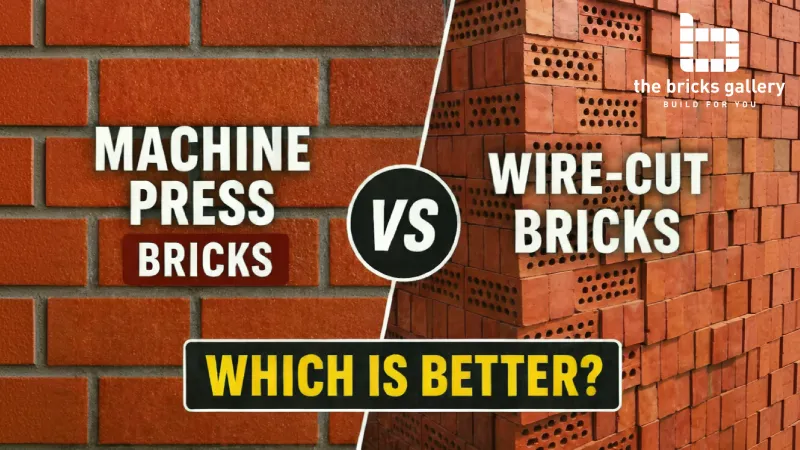
My cousin Dave, a man who once tried to fix a leaky faucet with duct tape, called me last week in a panic. He was building a garden wall and had been staring at two pallets of bricks for three hours, paralyzed by choice. “They’re both red and rectangular,” he groaned, “but one looks like it’s had a rough childhood.” That, my friends, is the eternal struggle between the wire cut brick and the pressed brick.
Dave’s confusion is totally justified, because these two brick types are like the cool, artsy hipster and the straight-laced accountant of the masonry world. They both hold up walls, sure, but they have radically different personalities. Let’s dive into this brick soap opera, shall we?
The Rough and Tumble Wire Cut
Imagine a brick that’s been dragged through a gravel pit and then told it looks interesting. That’s your wire cut brick. The manufacturing process involves extruding a massive column of clay and then slicing it with—you guessed it—a wire. This leaves behind a wonderfully textured, rough surface with tiny striations and a slightly torn, rustic edge.
Must Read
It’s the brick equivalent of a well-worn leather jacket; it has character. Because of this rugged face, these bricks are the undisputed champions of bonding. The mortar grabs onto all those tiny scratches and crevices like a toddler clinging to a lollipop, creating a super strong, mechanical grip. Honestly, you could probably build a fortress with these bad boys.
But here’s the kicker for Dave’s wall: wire cuts are thirsty. They soak up water like a sponge at a pool party, so you have to wet them before laying, or they’ll suck the moisture right out of your mortar and leave you with a crumbly mess. Also, because they’re so textured, they’re a magnet for dust and grime, which is fine for a rustic garden wall but a nightmare for a pristine facade.

The Smooth Operator: Pressed Bricks
Now, let’s pivot to the pressed brick—the overachiever of the kiln. Instead of being sliced, the clay is poured into a steel mold and squeezed under immense pressure, typically hydraulic. The result? A brick with a flawless, tight, smooth surface and razor-sharp, perfectly square edges. It’s the brick that would show up to a formal dinner in a tuxedo.
Because the surface is so dense, pressed bricks have a much lower water absorption rate. They're the introverts of the brick world; they don't let anything in. This makes them incredibly easy to clean, highly resistant to weather staining, and they don't require pre-wetting before use. You can just mix your mortar and go, which is a serious time-saver for the impatient builder (like Dave).

However, that smooth face is a bit of a social liability. The mortar doesn’t get much to grab onto, so the bond isn’t as mechanically strong as with a wire cut. You’ll often see pressed bricks used in veneer applications or decorative facades, where the wall’s weight is supported by a structure behind it. It’s all about looks, baby—crisp, clean lines and near-perfect geometry.
So, What’s the Verdict for Your Project?
If you’re building a load-bearing garden wall, a retaining wall, or anything that needs to stand up to a gentle nudge from a tractor, go with the wire cut. The stronger bond and mechanical grip are worth the extra hassle of wetting them down. Just be ready for that rugged, organic look that screams “I was here before your house was built.”

If you’re putting up a modern exterior facade, an interior accent wall, or a sleek BBQ station, the pressed brick is your glamorous friend. The smooth, uniform look adds a touch of contemporary elegance, and you won’t be fighting to keep it clean. It’s basically low-maintenance beauty, which is the dream, right?
There’s also the price tag to consider. Generally, pressed bricks can be a bit pricier due to the more complex machinery and tighter quality control. But wire cuts, being simpler to make, often come in a little cheaper—though you might spend the difference on a hose to wet them down. It’s a wash, really.
Dave ended up going with the wire cuts for his wall, because he has a tractor. And you know what? He texted me a photo, and it looks fantastic—all rough and rustic, like it was built by a very strong, very grumpy hobbit. He did complain about the back pain from bending over to wet every single brick, but that’s just the price of character, I suppose. Choose wisely, and always remember: your bricks have feelings too—well, they don’t, but it’s fun to pretend.


