Why Do Men Sexualize Breasts
The fascination with breasts has been an integral part of human culture and history, dating back to ancient civilizations where they were revered as symbols of fertility and nurturing. The initial human necessity behind this fascination can be traced back to the fundamental need for sustenance and survival, as breasts were the primary source of nourishment for infants. Over time, however, this fascination evolved and became intertwined with social and cultural norms, leading to the complex and often controversial relationship we see today between men and breasts.
In the early 20th century, the perception of breasts began to shift, with the rise of mass media and advertising playing a significant role in shaping societal attitudes. The introduction of bikinis and lingerie models in magazines and billboards contributed to the objectification of breasts, creating an unrealistic and often unattainable standard of beauty. This sexualization of breasts was further exacerbated by the pornography industry, which increasingly emphasized the importance of breast size and shape in determining a woman's attractiveness.
Despite the women's liberation movement of the 1960s and 1970s, which aimed to challenge and redefine traditional gender roles, the objectification of breasts persisted. In fact, the 1980s saw a surge in breast augmentation surgeries, as women began to feel pressure to conform to societal beauty standards. This phenomenon was exemplified by the Baywatch era, where actresses like Pamela Anderson became synonymous with the "perfect" breast. The obsession with breasts had become a deeply ingrained aspect of popular culture, with men often viewing them as a symbol of masculinity and virility.
Must Read
Evolution of the Fascination
The major transformations in the way men perceive breasts can be attributed to a complex interplay of biological, psychological, and cultural factors. One of the primary drivers of this evolution has been the media and entertainment industry, which has consistently perpetuated the objectification of breasts through music videos, movies, and television shows. The 1990s saw the rise of lad culture, where men's magazines like FHM and Maxim became incredibly popular, often featuring scantily clad women on their covers. This objectification of breasts was further reinforced by the internet and social media, which have provided unparalleled access to pornography and explicit content.
Forgotten vintage facts, such as the 1920s flapper culture, where women's breasts were seen as a symbol of liberation and independence, highlight the complex and often contradictory nature of societal attitudes towards breasts. The 1950s and 1960s saw the rise of pin-up girls, where women like Marilyn Monroe and Bettie Page became icons of femininity and beauty. However, this admiration was often tinged with sexism and misogyny, as women were reduced to mere objects of male desire.
The bizarre ways this topic was treated in previous decades are exemplified by the 1970s breast-beating culture, where men would often engage in public displays of affection, such as kissing and fondling women's breasts, as a way of asserting their masculinity. This public objectification of breasts was often condoned and even encouraged by societal norms, highlighting the deep-seated sexism and misogyny that underpinned many of these attitudes.
Furthermore, the 1980s saw the rise of breast-themed parties and events, where men would often dress up in lingerie and costumes as a way of expressing their sexuality and femininity. This blurring of boundaries between traditional masculine and feminine norms highlights the complex and often contradictory nature of human sexuality and desire.
Modernization and Hacking of Classic Principles
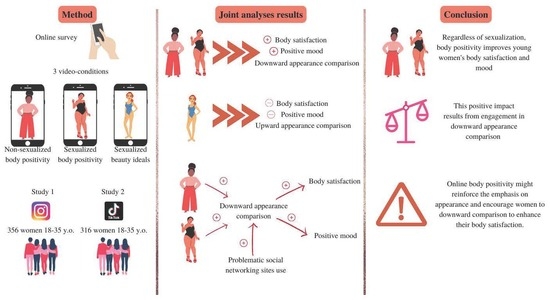
Classic principles of the fascination with breasts are being hacked or modernized for today's fast-paced world through the intersection of technology and social media. The rise of influencer culture has created new avenues for women to express themselves and showcase their bodies, often using breast-themed hashtags and challenges to engage with their audiences. Meanwhile, body positivity movements are challenging traditional beauty standards, promoting a more inclusive and diverse definition of beauty that celebrates all shapes and sizes of breasts.

The intimate apparel industry is also undergoing a significant transformation, with the rise of sustainable and eco-friendly lingerie brands that prioritize comfort and practicality over traditional notions of sex appeal. This shift towards functional and comfortable lingerie reflects a broader cultural trend, where women are increasingly prioritizing their own needs and desires over societal expectations. As a result, the way men perceive and interact with breasts is being redefined, with a greater emphasis on mutual respect, consent, and communication.
Frequently Asked Questions
What are the origins of the fascination with breasts?
The origins of the fascination with breasts can be traced back to ancient civilizations, where they were revered as symbols of fertility and nurturing. The biological and psychological factors that drive human attraction to breasts are complex and multifaceted, involving a combination of evolutionary, cultural, and social influences. Over time, this fascination evolved and became intertwined with social and cultural norms, leading to the complex and often controversial relationship we see today between men and breasts.
Historical myths, such as the Ancient Greek worship of Aphrodite, the goddess of love and beauty, highlight the deep-seated cultural significance of breasts. Similarly, the Victorian era obsession with corsetry and lingerie reflects the repressive and restrictive nature of societal attitudes towards breasts during this period. By understanding the historical and cultural context of the fascination with breasts, we can better appreciate the complexities and nuances of human desire and attraction.

How has the perception of breasts changed over time?
The perception of breasts has undergone significant changes over time, reflecting broader cultural and societal shifts. The 20th century saw a surge in breast augmentation surgeries, as women began to feel pressure to conform to societal beauty standards. This objectification of breasts was further exacerbated by the pornography industry, which increasingly emphasized the importance of breast size and shape in determining a woman's attractiveness.
However, in recent years, there has been a growing trend towards body positivity and self-acceptance, with women increasingly embracing their natural bodies and rejecting traditional beauty standards. This shift reflects a broader cultural trend, where diversity and inclusivity are becoming increasingly valued. As a result, the way men perceive and interact with breasts is being redefined, with a greater emphasis on mutual respect, consent, and communication. By promoting a more nuanced and inclusive understanding of breasts, we can work towards a more equitable and respectful society.
What does the future hold for the fascination with breasts?
The future of the fascination with breasts is likely to be shaped by a combination of technological, cultural, and social factors. The rise of virtual and augmented reality is likely to create new avenues for exploring and expressing human desire, including the fascination with breasts. Meanwhile, body positivity movements are likely to continue challenging traditional beauty standards, promoting a more inclusive and diverse definition of beauty that celebrates all shapes and sizes of breasts.

As we look to the future, it is essential to prioritize mutual respect, consent, and communication in all interactions involving breasts. By promoting a more nuanced and inclusive understanding of breasts, we can work towards a more equitable and respectful society, where women and men can express themselves freely and without fear of judgment or objectification. Ultimately, the future of the fascination with breasts will depend on our ability to balance human desire and attraction with respect, empathy, and understanding.
As we reflect on the evolution of the fascination with breasts, it becomes clear that this complex and often contradictory phenomenon is deeply intertwined with human culture and history. Over the next 20 years, we can expect significant changes in the way men perceive and interact with breasts, driven by advances in technology and social media. The rise of influencer culture and body positivity movements is likely to continue challenging traditional beauty standards, promoting a more inclusive and diverse definition of beauty that celebrates all shapes and sizes of breasts.
Ultimately, the future of the fascination with breasts will depend on our ability to balance human desire and attraction with respect, empathy, and understanding. By prioritizing mutual respect, consent, and communication in all interactions involving breasts, we can work towards a more equitable and respectful society, where women and men can express themselves freely and without fear of judgment or objectification. As we look to the future, it is essential to approach this complex and often sensitive topic with nuance, sensitivity, and compassion, recognizing the deep-seated cultural and historical significance of breasts in human society.