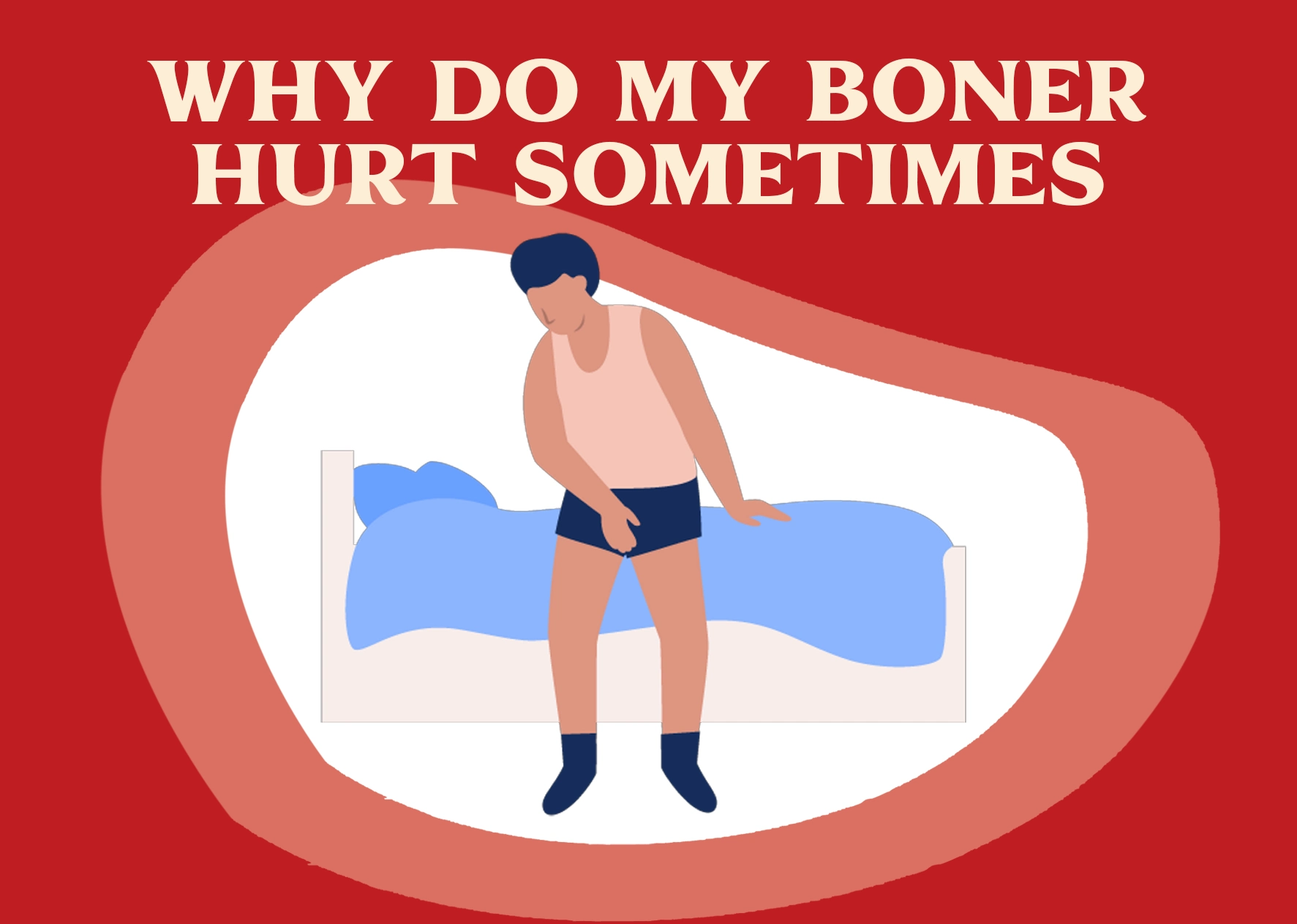
Why Do I Keep Getting A Boner
The human body is a complex and fascinating machine, full of mysteries waiting to be unraveled. One of the most intriguing and often misunderstood aspects of human physiology is the phenomena of getting an erection, colloquially referred to as a "boner." This natural process has been a subject of interest, embarrassment, and even fear for many individuals, especially during puberty and adolescence. However, it's essential to understand that erections are a normal part of male physiology, and they can occur at any age, often without any apparent reason or stimulation.
Throughout history, the concept of erections has been shrouded in cultural and societal taboos, making it a difficult topic to discuss openly. In ancient civilizations, such as Greece and Rome, erections were seen as a symbol of masculinity and power. However, with the rise of conservative and religious ideologies, discussions around sexuality and erections became increasingly stigmatized. Today, we live in a modern era where sexuality is gradually becoming more accepted and discussed, but there's still a long way to go in terms of understanding and embracing the natural aspects of human physiology.
Understanding the Basics
So, why do men get erections? The process is quite complex and involves the coordination of hormonal, neurological, and vascular systems. Essentially, an erection occurs when the penis fills with blood, causing it to become stiff and rigid. This process can be triggered by sexual arousal, but it can also occur spontaneously, often during sleep or at random times throughout the day. The frequency and cause of erections can vary greatly from person to person, depending on factors such as age, health, and lifestyle.
One of the lesser-known facts about erections is that they can be influenced by a variety of psychological and emotional factors. For instance, stress and anxiety can both positively and negatively affect erectile function. While some men may experience erections as a stress response, others may find that their ability to achieve an erection is hindered by performance anxiety. Additionally, cultural and societal pressures can play a significant role in shaping an individual's perception and experience of erections, highlighting the need for a more open and inclusive dialogue around human sexuality.
The cultural impact of erections cannot be overstated. In many societies, the ability to achieve and maintain an erection is seen as a defining characteristic of masculinity. This can lead to unrealistic expectations and performance pressures that can negatively affect a man's self-esteem and relationships. Furthermore, the stigmatization of erectile dysfunction can prevent individuals from seeking help and discussing their concerns openly, exacerbating the problem and perpetuating the cycle of silence and shame.
Real-Life Scenarios and Takeaways
In real-life scenarios, understanding and managing erections can be a complex and delicate matter. For instance, many men experience morning erections, which can be a natural and harmless phenomenon. However, for some individuals, these erections can be a source of embarrassment or discomfort, especially if they occur at inappropriate times or in public places. In such cases, it's essential to address the underlying causes and develop healthy coping mechanisms to manage these situations effectively.

Another common scenario is the experience of unwanted erections in social or professional settings. This can be a source of anxiety and stress for many individuals, who may feel that their erections are involuntary or uncontrollable. However, by practicing relaxation techniques and developing a positive body image, men can learn to manage these situations with greater ease and confidence. Additionally, open communication with partners and seeking professional help when needed can be invaluable in addressing concerns and promoting overall well-being.
For those looking to improve their erectile health, there are several lifestyle modifications that can be beneficial. Regular exercise, a balanced diet, and stress management techniques can all contribute to improved erectile function and overall health. Furthermore, quitting smoking and limiting alcohol consumption can also have a positive impact on erectile health, as these substances can negatively affect blood flow and neurological function.
In conclusion, managing erections and promoting erectile health requires a holistic approach that takes into account the physical, emotional, and psychological aspects of human sexuality. By educating ourselves and engaging in open and honest discussions, we can work towards creating a more inclusive and supportive environment for individuals to explore and understand their bodies, free from stigma and shame.
Frequently Asked Questions
What causes erections to occur randomly throughout the day?
Erections can occur randomly due to a variety of factors, including hormonal fluctuations, neurological responses, and vascular changes. In many cases, these erections are a natural and harmless phenomenon, but they can also be a source of embarrassment or discomfort for some individuals. To manage these situations effectively, it's essential to address the underlying causes and develop healthy coping mechanisms. This can involve practicing relaxation techniques, engaging in regular exercise, and maintaining a positive body image.

By understanding the underlying causes of random erections, individuals can take steps to promote their erectile health and manage these situations with confidence. This may involve seeking professional help or consulting with a healthcare provider to rule out any underlying medical conditions. Additionally, open communication with partners and education about human sexuality can help to demystify the experience of erections and promote a more positive and inclusive understanding of human physiology.
How can I prevent unwanted erections in public or social settings?
Preventing unwanted erections in public or social settings can be a challenge for many individuals. However, by practicing relaxation techniques and developing a positive body image, men can learn to manage these situations with greater ease. This can involve engaging in deep breathing exercises, visualizing positive outcomes, and focusing on the present moment. Additionally, wearing loose-fitting clothing and avoiding triggers that may contribute to erections can also be helpful.
Furthermore, open communication with partners and seeking professional help when needed can be invaluable in addressing concerns and promoting overall well-being. By educating ourselves and engaging in open and honest discussions, we can work towards creating a more inclusive and supportive environment for individuals to explore and understand their bodies, free from stigma and shame. This can involve consulting with a healthcare provider or seeking counseling to address any underlying emotional or psychological concerns.
What role does lifestyle play in maintaining erectile health?
Lifestyle plays a significant role in maintaining erectile health. Regular exercise, a balanced diet, and stress management techniques can all contribute to improved erectile function and overall health. Furthermore, quitting smoking and limiting alcohol consumption can also have a positive impact on erectile health, as these substances can negatively affect blood flow and neurological function. By making healthy lifestyle choices, individuals can promote their erectile health and reduce the risk of erectile dysfunction.
:max_bytes(150000):strip_icc():format(webp)/erect-penis-5188072-final-5b0d1870fba4478e90016826a108c239.png)
In addition to lifestyle modifications, open communication with partners and seeking professional help when needed can be invaluable in addressing concerns and promoting overall well-being. By educating ourselves and engaging in open and honest discussions, we can work towards creating a more inclusive and supportive environment for individuals to explore and understand their bodies, free from stigma and shame. This can involve consulting with a healthcare provider or seeking counseling to address any underlying emotional or psychological concerns.
Can erections be a sign of an underlying medical condition?
Yes, erections can sometimes be a sign of an underlying medical condition. While erections are a normal part of male physiology, unusual or persistent erections can be a cause for concern. In some cases, erections can be a symptom of underlying conditions such as hormonal imbalances, neurological disorders, or vascular diseases. If you are experiencing unusual or persistent erections, it's essential to consult with a healthcare provider to rule out any underlying medical conditions.
By seeking medical attention and addressing any underlying conditions, individuals can promote their overall health and well-being. This can involve undergoing medical tests, receiving treatment, and making lifestyle modifications to manage any underlying conditions. Additionally, open communication with partners and seeking professional help when needed can be invaluable in addressing concerns and promoting overall well-being.
How can I talk to my partner about my erections and erectile health?
Talking to your partner about your erections and erectile health can be a challenging but important conversation. By being open and honest about your experiences and concerns, you can build trust and intimacy with your partner. It's essential to choose the right time and place for the conversation, and to approach the topic with sensitivity and respect. You can start by expressing your feelings and concerns, and then listen to your partner's perspective and work together to find a solution.

By communicating openly and honestly about your erections and erectile health, you can strengthen your relationship and promote overall well-being. This can involve seeking counseling or consulting with a healthcare provider to address any underlying emotional or psychological concerns. Additionally, educating yourselves about human sexuality and engaging in open and honest discussions can help to demystify the experience of erections and promote a more positive and inclusive understanding of human physiology.
As we reflect on the topic of erections and erectile health, it's essential to consider the bigger picture. Erections are a natural part of human physiology, and they play a significant role in our overall health and well-being. By promoting education and awareness about human sexuality, we can work towards creating a more inclusive and supportive environment for individuals to explore and understand their bodies, free from stigma and shame.
In our daily lives, understanding and managing erections can be a complex and delicate matter. However, by practicing relaxation techniques, developing a positive body image, and seeking professional help when needed, individuals can learn to manage these situations with greater ease. This can involve engaging in open and honest discussions with partners, educating oneself about human sexuality, and seeking counseling to address any underlying emotional or psychological concerns.
Ultimately, the topic of erections and erectile health is closely connected to our human nature. By embracing our natural physiology and promoting a positive and inclusive understanding of human sexuality, we can work towards creating a more compassionate and supportive society. This can involve challenging societal norms and expectations, promoting education and awareness, and supporting individuals in their journey towards greater self-awareness and understanding.
:max_bytes(150000):strip_icc()/what-causes-morning-wood-or-morning-erections-3015089-246c3e4e849f4a508dc903d2487ec16e.png)