Why Do I Cry After Intercourse

Intercourse, a universal human experience, is often accompanied by a cascade of emotions. For some, it's a moment of profound connection and joy, while for others, it can be a source of discomfort, anxiety, or even tears. The phenomenon of crying after intercourse, although not uncommon, remains shrouded in mystery and stigma. Postcoital tears, as they are clinically known, have been documented in various forms of literature and research, yet the underlying reasons remain complex and multifaceted.
Historically, the emotional responses to intercourse have been perceived through the lens of cultural, societal, and psychological factors. In ancient civilizations, tears were often seen as a symbol of spiritual release or emotional purging. However, with the evolution of modern society, the perception of postcoital tears has become more nuanced, reflecting a deeper exploration of human emotions and physiological responses. It's essential to understand that crying after intercourse is not a sign of weakness but rather a manifestation of the intricate interplay between our emotional, hormonal, and psychological states.
Understanding Postcoital Tears
Delving into the lesser-known facts about postcoital tears reveals a fascinating world of hormonal fluctuations and emotional releases. The mix of hormones such as oxytocin, often referred to as the "love hormone," and prolactin, which can induce feelings of relaxation and sleepiness, plays a significant role in the emotional aftermath of intercourse. Moreover, the sudden release of tension and the intimacy shared during the act can trigger a cascade of emotions, leading some individuals to tears. This phenomenon is not limited to women; men can also experience postcoital tears, although it is less commonly discussed due to societal stereotypes.
Must Read
- Heart Of Mexico City Football: Pinpointing The Azteca Stadium Location
- Guadalajara Stadium Parking Guide: Avoid The Matchday Traffic
- Houston Stadium Bag Policy: Clear Bag Rules For Visitors
- Sofi Stadium Capacity: How Many Fans It Can Hold
- Reliant Stadium Parking: A Guide To The Old Name And Current Venue
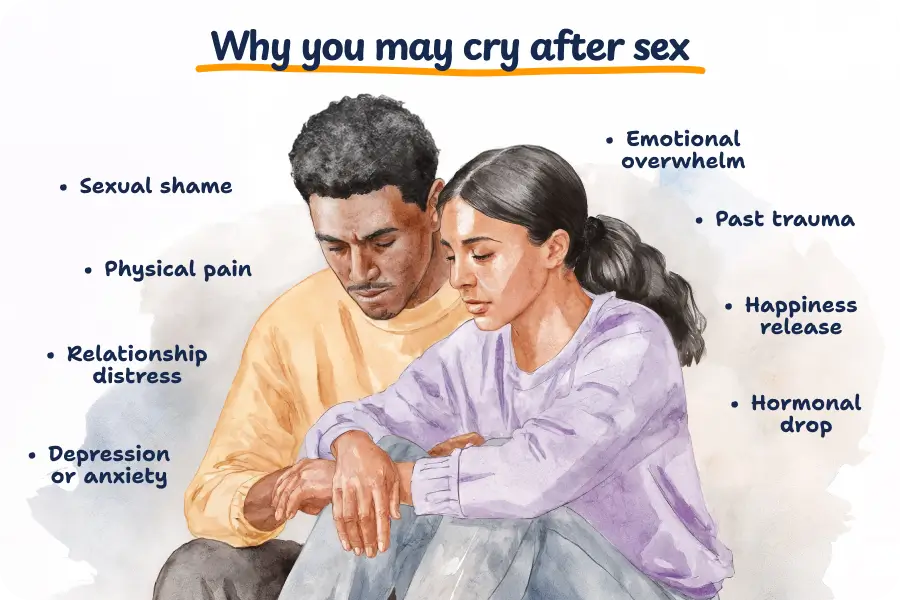
The psychological aspects of postcoital tears are equally intriguing, pointing to underlying issues such as anxiety, stress, or past traumas. For some, the act of intercourse can serve as a trigger, awakening deep-seated emotions or memories. The cultural impact of postcoital tears is also noteworthy, as different societies have varying perceptions of emotional displays and intimacy. Understanding these factors can help in normalizing the experience and fostering a more open and supportive environment for those who experience it.
Furthermore, the physiological response to intercourse, including the release of endorphins and the potential for a drop in blood pressure, can also contribute to the phenomenon of postcoital tears. This complex interplay of physical and emotional responses underscores the need for a comprehensive approach to understanding and addressing postcoital tears. By acknowledging the multifaceted nature of this experience, individuals can better navigate their emotions and foster healthier, more fulfilling relationships.
Real-Life Scenarios and Takeaways
In real-life scenarios, postcoital tears can manifest in various ways, often leaving individuals and their partners perplexed about how to react. Empathy and communication are key in such situations, as they provide a foundation for understanding and support. For those experiencing postcoital tears, it's crucial to recognize that their feelings are valid and that seeking help, whether through self-reflection, couples therapy, or professional counseling, is a sign of strength, not weakness.

A particularly insightful case study involves a couple who, after experiencing postcoital tears, decided to engage in open and honest communication about their feelings and desires. This led to a deeper understanding of each other's needs and a significant improvement in their relationship dynamics. Such examples highlight the potential for postcoital tears to serve as a catalyst for growth and intimacy, rather than a source of distress.
Practical insights for navigating postcoital tears include maintaining an open dialogue with one's partner, practicing self-care and stress management techniques, and seeking professional help when needed. Additionally, educating oneself about the physiological and psychological aspects of postcoital tears can help in demystifying the experience and reducing associated stigma. By adopting these strategies, individuals can work towards creating a more supportive and understanding environment for themselves and their partners.
Moreover, cultivating emotional intelligence and being aware of one's emotional triggers can also play a significant role in managing postcoital tears. This involves developing a better understanding of one's emotional landscape and learning healthy ways to express and manage emotions. For couples, this can involve building a safe space for open communication and emotional vulnerability, which can strengthen their bond and enhance their overall relationship satisfaction.
Frequently Asked Questions
What are the most common causes of postcoital tears?
The causes of postcoital tears are varied and can include hormonal changes, emotional release, anxiety, stress, and past traumas. Hormonal fluctuations, particularly the release of oxytocin and prolactin during intercourse, can lead to feelings of emotional vulnerability and tears. Additionally, the emotional connection shared during the act can trigger deep-seated emotions, resulting in postcoital tears. Understanding these causes is essential for addressing and normalizing the experience.

In exploring the common causes, it's also important to consider the role of communication in relationships. Open and honest dialogue about desires, feelings, and experiences can significantly impact the emotional aftermath of intercourse. By fostering an environment of trust and understanding, individuals can better navigate their emotions and reduce the likelihood of distressing postcoital tears. This emphasizes the need for a holistic approach to understanding and managing postcoital tears, one that considers both the physiological and psychological factors at play.
How can I talk to my partner about my postcoital tears?
Talking to your partner about postcoital tears requires empathy, understanding, and open communication. Choosing the right moment to discuss your feelings is crucial, as it's essential to find a time when both parties are relaxed and receptive to conversation. Being honest and clear about your emotions and how they relate to your experience can help your partner understand your perspective and respond with support. It's also vital to listen to your partner's feelings and concerns, as this mutual understanding can strengthen your bond and help you navigate the situation together.
A supportive environment is key to having this conversation. Ensuring that both partners feel safe and respected can facilitate a more open and productive discussion. This might involve setting boundaries or establishing a comfortable setting for the conversation. By doing so, individuals can work towards creating a more empathetic and understanding partnership, one that values open communication and mutual support.
Can postcoital tears be a sign of an underlying issue?
Yes, postcoital tears can sometimes indicate an underlying issue, such as anxiety, stress, or past traumas. If experiencing postcoital tears is a persistent or distressing issue, it may be beneficial to explore these feelings further with a professional. Therapy or counseling can provide a safe and supportive environment to delve into the root causes of postcoital tears and work towards resolution. It's also important to recognize that postcoital tears can be a normal response to the emotional and physical intimacy of intercourse, and not all instances are indicative of deeper issues.
In addressing underlying issues, it's crucial to adopt a non-judgmental approach, acknowledging that seeking help is a sign of strength. By doing so, individuals can work towards healing and growth, both personally and within their relationships. This process may involve building resilience and learning healthy coping mechanisms, which can significantly impact one's ability to manage postcoital tears and improve overall well-being.
How can I prevent postcoital tears?
While it's not possible to completely prevent postcoital tears, practicing stress management techniques, such as meditation or deep breathing, can help reduce their frequency. Communicating openly with your partner about your desires, boundaries, and emotional state can also contribute to a more fulfilling and less emotionally taxing sexual experience. Additionally, engaging in regular self-care and ensuring you're emotionally prepared for intimacy can play a significant role in managing postcoital tears.
Furthermore, educating oneself about the physiological and psychological aspects of postcoital tears can demystify the experience and reduce associated anxiety. By understanding that postcoital tears are a normal and common phenomenon, individuals can approach the situation with less stigma and more empathy. This informed approach can help in creating a more supportive environment, both for oneself and one's partner, facilitating healthier and more fulfilling relationships.
Are postcoital tears more common in women than in men?
Research suggests that postcoital tears are more commonly reported by women, although this may be due in part to societal factors that encourage women to express their emotions more openly. Men can also experience postcoital tears, and it's essential to recognize that emotional responses to intercourse are not limited by gender. The cultural narrative surrounding male emotions and intimacy can sometimes prevent men from discussing their feelings openly, which may contribute to the perceived disparity in the incidence of postcoital tears between genders.

In considering the potential differences in the experience of postcoital tears between genders, it's also important to acknowledge the role of stereotypes and societal expectations. By working to dismantle these barriers and foster a more inclusive and supportive environment, we can encourage open discussion and reduce the stigma associated with postcoital tears. This involves promoting emotional intelligence and understanding across all genders, recognizing the universal human experience of emotion and the importance of empathy and support in navigating these feelings.
Connecting the Dots
Upon reflection, the phenomenon of postcoital tears connects deeply to our daily lives and human nature, highlighting the complex interplay between our emotional, psychological, and physiological states. Emotional intelligence and the ability to navigate our feelings, as well as those of our partners, are crucial in managing postcoital tears and fostering healthy relationships. By embracing this complexity and promoting open communication, empathy, and understanding, we can work towards creating a more supportive and inclusive environment for all.
The experience of postcoital tears also underscores the importance of self-awareness and self-care. Recognizing the triggers and causes of postcoital tears can empower individuals to take proactive steps in managing their emotions and improving their overall well-being. This process involves embracing vulnerability and understanding that seeking help and support is a fundamental aspect of personal growth and relationship satisfaction.
In conclusion, postcoital tears are a multifaceted phenomenon that reflects the intricate and often mysterious nature of human emotions and relationships. By approaching this topic with empathy, understanding, and an open mind, we can normalize the experience, reduce stigma, and foster a more supportive and compassionate community. As we continue to explore and understand postcoital tears, we are reminded of the beauty and complexity of human connection and the importance of nurturing our emotional and psychological well-being in all aspects of our lives.