
Why Do I Cry After Having Sex
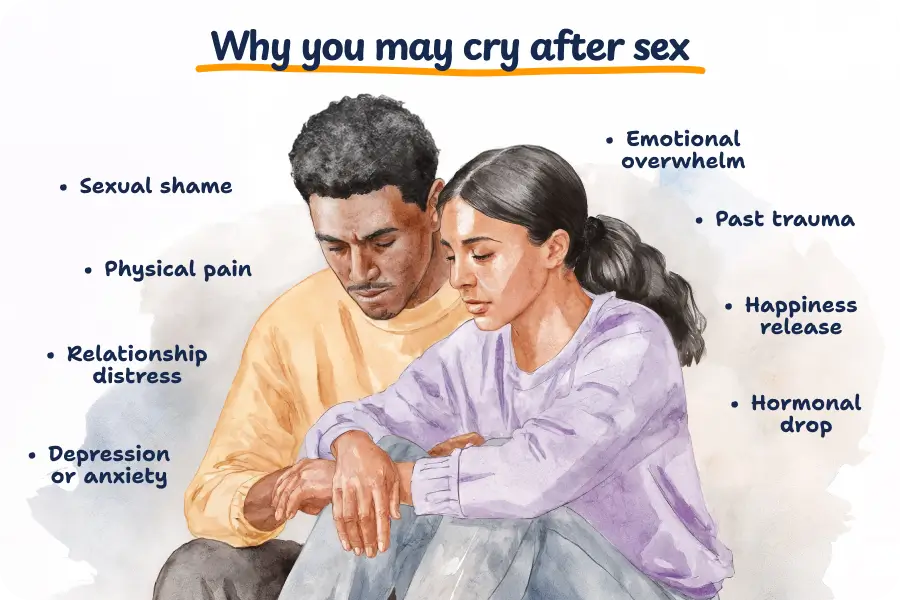
The phenomenon of crying after having sex is a complex and multifaceted issue that affects many individuals, regardless of their relationship status or sexual orientation. It's a topic that is often shrouded in mystery and misconceptions, leaving those who experience it feeling confused, ashamed, or embarrassed. However, by exploring the psychological roots of this issue, we can begin to understand why our brains react to it and its modern relevance. Emotional release and vulnerability are key concepts that come into play when examining the reasons behind post-coital tears.
In today's society, where mental health and well-being are becoming increasingly important, it's essential to acknowledge that crying after sex is not uncommon. In fact, studies suggest that up to 40% of women and 10% of men experience post-coital tears at some point in their lives. By examining the psychological aspects of this phenomenon, we can work towards creating a more empathetic and understanding environment, where individuals feel comfortable discussing their emotions and seeking help when needed. The brain's limbic system, which regulates emotions, plays a significant role in this process, and understanding its functions can help us better cope with the emotional aftermath of sex.
The Emotional Underpinnings of Post-Coital Tears
One of the primary reasons individuals cry after sex is due to the release of emotions that have been building up over time. Sex can be an intensely emotional and vulnerable experience, allowing individuals to tap into their deep-seated feelings and desires. This emotional release can be overwhelming, leading to tears as the brain struggles to process the intensity of the experience. Furthermore, the oxytocin released during sex, often referred to as the "cuddle hormone," can exacerbate emotional feelings, making individuals more prone to tearfulness.
Must Read
Another factor contributing to post-coital tears is the attachment style of the individual. Those with an anxious or avoidant attachment style may experience increased emotional distress after sex, leading to tears. This is often due to underlying fears and insecurities related to intimacy, rejection, or abandonment. By acknowledging and addressing these underlying issues, individuals can begin to develop a more secure attachment style, reducing the likelihood of post-coital tears.
In some cases, post-coital tears can be a manifestation of past trauma or unresolved emotional issues. The emotional vulnerability and sensitivity that come with sex can trigger memories or feelings associated with past experiences, leading to tears. It's essential for individuals to recognize the potential impact of past trauma on their emotional well-being and to seek professional help if needed. By working through these issues, individuals can develop resilience and learn to manage their emotions in a healthier way.
Coping Mechanisms and Mindset Shifts
So, how can individuals cope with post-coital tears and work towards a more balanced emotional experience? One approach is to practice self-compassion and self-awareness, acknowledging and accepting their emotions rather than trying to suppress or deny them. This can involve journaling or reflecting on their feelings, allowing them to process and understand their emotional responses better.

Another coping mechanism is to communicate openly with their partner about their emotions and needs. This can help create a sense of safety and understanding, reducing feelings of anxiety or vulnerability. By fostering a supportive and non-judgmental environment, individuals can feel more comfortable expressing their emotions and working through challenges together.
In addition to these strategies, individuals can benefit from mindfulness practices, such as meditation or deep breathing, to help regulate their emotions and reduce stress. By incorporating these practices into their daily routine, individuals can develop greater emotional resilience and improve their overall well-being. Furthermore, exercise and physical activity can also play a role in reducing stress and anxiety, promoting a healthier emotional response to sex.
Ultimately, it's essential for individuals to redefine their perspective on post-coital tears, recognizing that they are a normal and natural part of the human experience. By letting go of shame and guilt, individuals can work towards a more authentic and empowered expression of their emotions, fostering a deeper connection with themselves and their partner. This can involve reframing their thoughts and emotions, focusing on the positive aspects of their experience and cultivating a more grateful and appreciative mindset.
Frequently Asked Questions
What is the most common reason for crying after sex?
The most common reason for crying after sex is the release of emotions that have been building up over time. Sex can be an intensely emotional and vulnerable experience, allowing individuals to tap into their deep-seated feelings and desires. This emotional release can be overwhelming, leading to tears as the brain struggles to process the intensity of the experience. Additionally, the oxytocin released during sex can exacerbate emotional feelings, making individuals more prone to tearfulness.

In some cases, post-coital tears can be a manifestation of past trauma or unresolved emotional issues. The emotional vulnerability and sensitivity that come with sex can trigger memories or feelings associated with past experiences, leading to tears. It's essential for individuals to recognize the potential impact of past trauma on their emotional well-being and to seek professional help if needed. By working through these issues, individuals can develop resilience and learn to manage their emotions in a healthier way.
Is it normal to cry after sex if I'm in a happy relationship?
Yes, it is normal to cry after sex even if you're in a happy relationship. Emotional release and vulnerability can occur regardless of the quality of the relationship. In fact, being in a happy and supportive relationship can create a safe space for individuals to express their emotions and work through challenges together. It's essential to communicate openly with your partner about your emotions and needs, fostering a sense of safety and understanding.
Furthermore, crying after sex can be a sign of deep emotional connection and vulnerability with your partner. By acknowledging and accepting your emotions, you can deepen your connection with your partner and work towards a more intimate and fulfilling relationship. It's crucial to prioritize communication and emotional intelligence in your relationship, allowing you to navigate challenges and emotions together.

Can crying after sex be a sign of an underlying mental health issue?
Yes, crying after sex can be a sign of an underlying mental health issue, such as anxiety, depression, or post-traumatic stress disorder (PTSD). The emotional vulnerability and sensitivity that come with sex can trigger memories or feelings associated with past experiences, leading to tears. It's essential for individuals to recognize the potential impact of past trauma or mental health issues on their emotional well-being and to seek professional help if needed.
By working with a mental health professional, individuals can develop resilience and learn to manage their emotions in a healthier way. This can involve therapy, medication, or a combination of both, depending on the individual's specific needs. It's crucial to prioritize self-care and emotional well-being, recognizing that seeking help is a sign of strength rather than weakness.
How can I talk to my partner about my post-coital tears?
Communicating openly with your partner about your post-coital tears is essential for creating a sense of safety and understanding. It's crucial to choose the right time and place for this conversation, ensuring that both partners feel comfortable and supported. Be honest and vulnerable about your emotions, explaining how you feel and what you need from your partner.
By fostering a supportive and non-judgmental environment, you can work together to understand and address the underlying causes of your post-coital tears. This can involve active listening, empathy, and validation of each other's emotions, allowing you to deepen your connection and work towards a more intimate and fulfilling relationship.

Can I prevent post-coital tears from happening in the future?
While it may not be possible to completely prevent post-coital tears from happening in the future, there are steps you can take to reduce their frequency and intensity. Practicing self-compassion and self-awareness can help you better understand and manage your emotions, reducing the likelihood of overwhelming emotional release. Additionally, communicating openly with your partner about your emotions and needs can create a sense of safety and understanding, reducing feelings of anxiety or vulnerability.
By prioritizing self-care and emotional well-being, you can develop greater emotional resilience and improve your overall well-being. This can involve mindfulness practices, such as meditation or deep breathing, as well as exercise and physical activity to reduce stress and anxiety. By taking a holistic approach to your emotional and physical health, you can reduce the frequency and intensity of post-coital tears and cultivate a more balanced and fulfilling relationship.
Mastering the topic of post-coital tears requires a deep understanding of the emotional and psychological factors that contribute to this phenomenon. By acknowledging and accepting their emotions, individuals can work towards a more authentic and empowered expression of their feelings, fostering a deeper connection with themselves and their partner. This can involve reframing their thoughts and emotions, focusing on the positive aspects of their experience and cultivating a more grateful and appreciative mindset.
Ultimately, the journey towards understanding and managing post-coital tears is a personal and ongoing process. By prioritizing self-care and emotional well-being, individuals can develop greater emotional resilience and improve their overall well-being. This can lead to a more balanced and fulfilling relationship, as well as a deeper connection with themselves and their partner. By embracing their emotions and working towards a more authentic expression of their feelings, individuals can cultivate a more meaningful and intimate connection with themselves and others.

