Why Are Creed Perfumes So Expensive
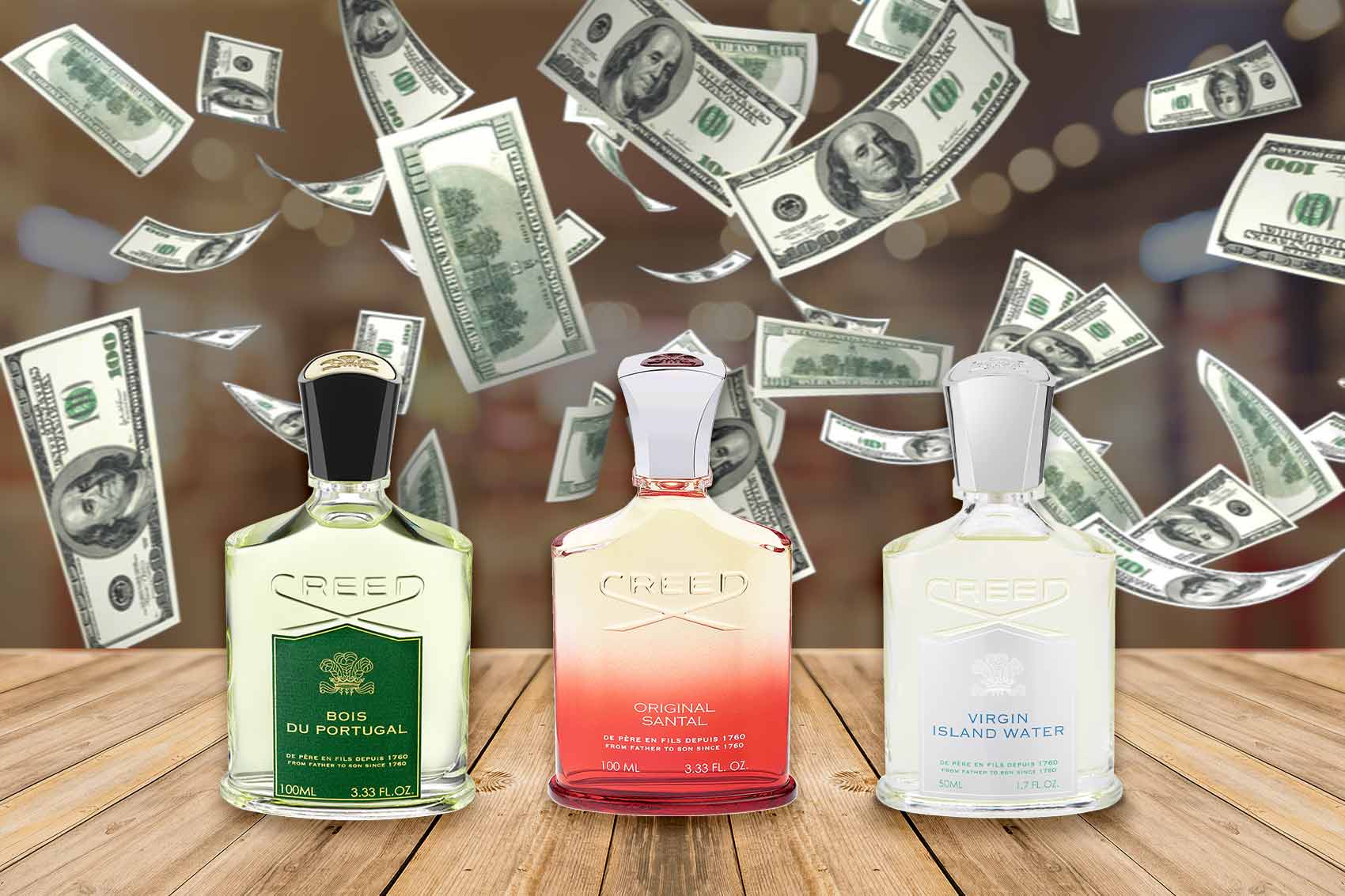
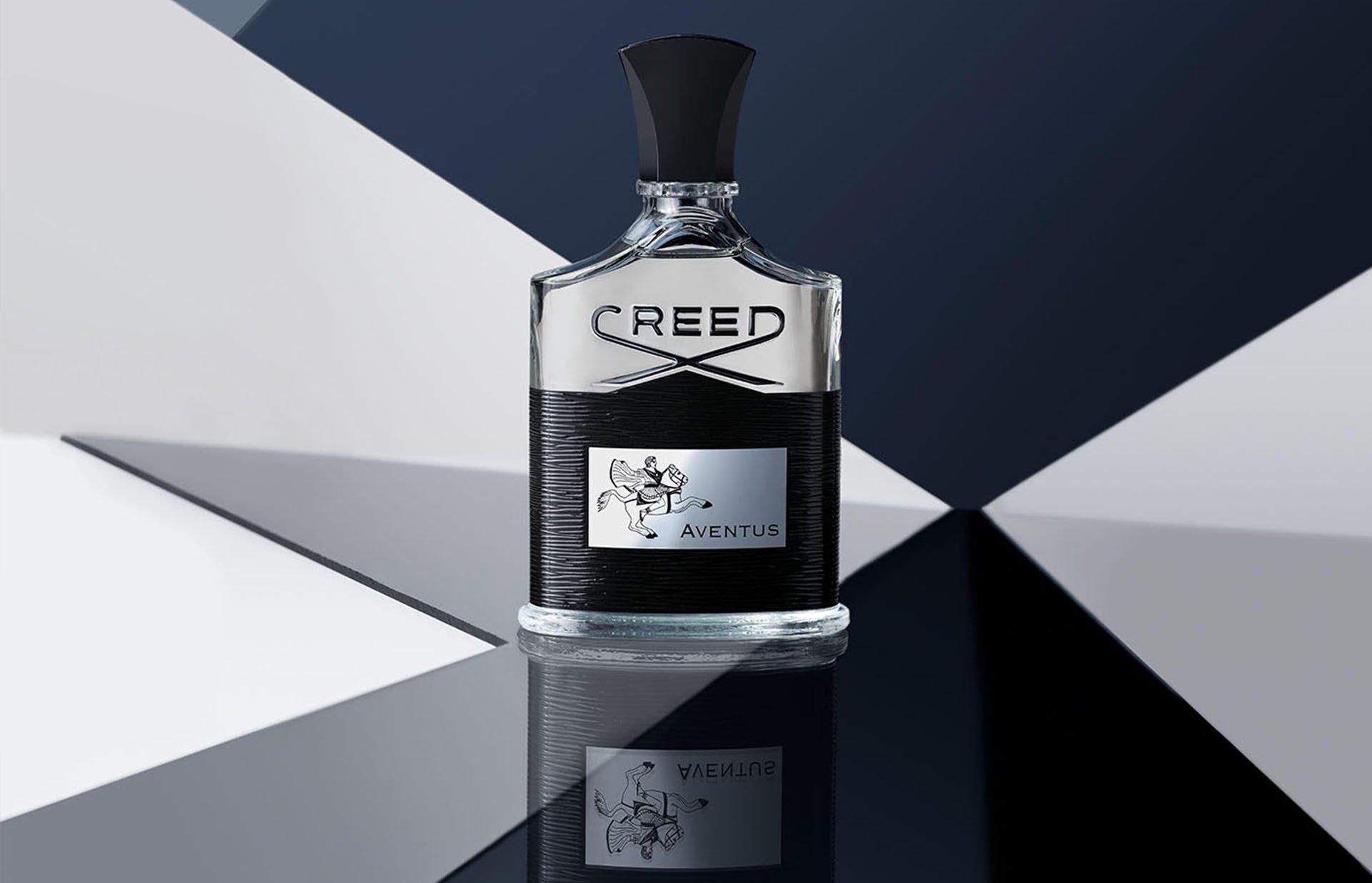
Let’s strip away the mystique and look at the bottle. A 75ml bottle of Creed Aventus retails for over $400, a price point that puts it in the stratosphere of consumer goods. But from a purely chemical and economic standpoint, what are you actually paying for? The answer is not simply "luxury" or "brand." It is a complex equation of maceration kinetics, oligopoly supply chains, and psychophysical pricing thresholds. The fragrance industry operates on a margin structure that would make the tech sector blush, but the raw materials, when sourced ethically and in volume, rarely account for more than 10-15% of the retail price.
The real cost driver is time, specifically the aging process and the batch-to-batch variability that Creed meticulously controls. Unlike mass-market scents that are designed for immediate olfactory satisfaction using synthetic aroma chemicals, Creed employs a higher ratio of natural absolutes—jasmine, sandalwood, ambergris. These naturals are volatile and reactive; they change molecular structure over time. This necessitates a longer steeping period (often weeks) and a strict adherence to cold-filtering processes to preserve the integrity of the esters. In the physics of diffusion, this means the perfume's volatile organic compounds (VOCs) evaporate at a slower, more controlled rate, ensuring the sillage (the trail of scent) lasts for 8+ hours, whereas a synthetic analogue might dissipate in 3.
Furthermore, the price tag is a deliberate market signal. In behavioral economics, this is known as the Veblen effect, where the utility derived from a product is directly proportional to its price. But the biological reality is more pragmatic: the high concentration of parfum (typically 15-20% fragrance oil) versus an eau de toilette (5-10%) means you need fewer sprays. A 75ml bottle, used strategically, can last a year if you apply to pulse points where the blood flow generates heat, maximizing the thermodynamically driven release of the scent molecules. The expensive price, therefore, is partially a hedge against your own over-application habits.
Must Read
The Chemistry of Prestige: Why Natural Isolates Break the Bank
The biological reality of natural sourcing is a brutal supply chain. Consider the ambergris used in Aventus, or its legal substitute, ambroxan. True ambergris is a metabolic byproduct of the sperm whale, formed in the intestines and excreted after years of oceanic tumbling. It’s essentially a hardened, oxidized lipid that contains ambrein, a tricyclic triterpene alcohol. The oxidation process, which can take a decade, creates a unique olfactory profile that no synthetic can fully replicate because it contains hundreds of trace chiral isomers. Sourcing this legally (as a beached find) is a logistics nightmare, driving cost per gram to levels comparable to gold. Creed’s usage, even in trace amounts, anchors the scent in a complexity that a linear synthetic molecule cannot match.
Then there is the biological volatility of the Iris pallida root. This is a six-year crop. It takes three years for the plant to mature and another three years for the dried roots to age before the orris butter can be extracted. This time horizon creates a severe capital lock-in for the producer. The extraction process, using steam distillation, yields a mere 0.1-0.2% of the dry weight. This means massive botanical input for minimal output, inflating the ingredient cost to roughly $125,000 per kilogram. When a perfume house like Creed buys this, they are not paying for scent; they are paying for a six-year land lease, labor, and the opportunity cost of not growing something else.
Finally, consider the fixative properties of these naturals. Synthetic musks are stable and cheap, but they’re also blunt instruments. Natural sandalwood (Mysore grade) contains alpha-santalol, a sesquiterpene that binds to olfactory receptor proteins (OR2AT4) in a way that produces a "creamy" sensation. This molecule also slows the evaporation rate of the top notes (citrus) by acting as a molecular drag. In practical terms, the expensive perfume is not just smelling better; it’s engineered at the molecular level to have a multi-linear evaporation curve. It smells different at minute 1, minute 60, and hour 8, offering a narrative to your skin that cheap perfumes lack because the cheap ones use alcohol-heavy carriers that flash off instantly.
Hacking the Luxury Premium: Strategic Acquisition and Application Protocols
Stop looking at the bottle as a single purchase. Look at it as a cost-per-wear metric. If you buy a $450 bottle and achieve 200 wearings (roughly 0.375ml per application), your cost is $2.25 per day. Compare that to a $10 coffee. The hack is to reduce waste. The average man sprays 4-6 times. This is oversaturation. Your olfactory system fatigues within 20 minutes—a phenomenon called anosmia adaptation. You stop smelling it, so you spray more, wasting the expensive liquid. The optimization is to spray only twice: once on the chest, once on the back of the neck. The skin is a biological radiator; these areas emit heat, maximizing the vapor pressure of the scent without drowning the wearer.

Your second hack is to exploit the discovery sets and splitter communities. Luxury houses often sell 10ml travel atomizers for $40-60. If you buy three of these (30ml) for $150, your cost per ml is $5.00, versus $6.00/ml for the full bottle. You also avoid the degradation caused by oxygen ingress into a larger bottle. The science here is simple: oxidation. Every time you open a large bottle, you introduce oxygen, which accelerates the breakdown of the delicate terpenes and esters. A smaller atomizer with minimal headspace preserves the molecular integrity for up to two years longer. Buy the size you can use within six months, or decant the large bottle into glass vials with PTFE seals to inertly store it.
Thirdly, master your skin pH. Perfume does not smell the same on everyone because the acidity of your skin (pH 4.5-6.0) directly interacts with the fragrance molecules. On alkaline skin, citrus notes fade instantly and become soapy. On acidic skin, amber and musk amplify. The hack is dietary and chemical: if you have high acidity, you are oxidizing the top notes too fast. Mitigate this by using an unscented bar soap (like Dove) before applying. The soap lowers the skin’s surface tension and neutralizes the acid mantle slightly, allowing the alcohol carrier to evaporate evenly, releasing the scent in ideal 10-15 minute intervals. Do not rub your wrists together; that friction generates heat that breaks the molecular bonds of the top note citrus.
Your final economic hack is to buy vintage or pre-reformulation batches. The IFRA (International Fragrance Association) regulations have banned or restricted numerous natural ingredients (like oakmoss) over the last decade. Older bottles contain higher concentrations of these restricted allergens, which are often the "soul" of the scent. Buying a bottle from 2018 on the secondary market might cost $600, but the chemical potency is 20-30% higher in longetivity due to the presence of atranol (a strong fixative). Test the batch code, verify with a UV light (checking for the hidden factory codes), and treat this as a raw materials investment. The biological thrill of smelling a banned chemical is a tangible increase in sillage and longevity.
Lastly, learn to layer with a carrier oil. Applying a small amount of jojoba oil to your pulse points before spraying creates a hydrophobic barrier. The perfume oil (which is lipophilic) dissolves into this carrier, slowing the evaporation rate by approximately 30%. This is a chemical hack known as kinetic trapping. It converts an Eau de Parfum (EDP) into something performing like an Extrait, effectively giving you 30% more wear time from the same liquid.
Frequently Asked Questions: The Pragmatic Guide to Creed Ownership
Is it worth buying Creed if I only wear fragrance once a week?
Mathematically, yes, but only if you change your storage habits. If you wear it 52 times a year, your cost-per-wear on a $450 bottle (75ml, using 0.5ml per wear) is roughly $8.60. That’s hefty. However, the biological advantage is that Creed’s high oil concentration means the bottle degrades slower than a cheap one when stored correctly. Keep it in a dark cupboard at 15-18°C (59-64°F). Heat accelerates the hydrolysis of esters, creating off-notes of sourness. If you can commit to this storage protocol, the scent will remain pristine for 5+ years. If you bounce it around in a gym bag, you are paying $450 for a liquid that will turn to vinegar.
Consider a 15ml travel spray instead. This reduces the exposure to oxygen. You will pay more per ml, but the oxidation rate is cut by 70% because the bottle is emptied faster. The cost-per-wear remains high, but you are not wasting 40ml of product that evaporates through the neck of a half-empty bottle over two years. The optimization is not to save money, but to reduce waste in a scenario where you are not a frequent user.
Why does Creed smell different on me than on my partner?
This is pure biochemistry. Your skin’s microbiome—the bacteria living on your dermis—metabolizes the fragrance compounds. Staphylococcus epidermidis and other skin flora produce enzymes that break down the volatile esters into alcohols and acids. If you have a higher density of specific bacteria (often dictated by your genetics and diet), you will produce more of these degradation byproducts. This is why a fragrance can smell "spicy" on one person and "sweet" on another. The hack is to manage the microbiome, not the perfume. Use an antibacterial wash on the application area, like benzoyl peroxide, to strip the bacteria, then apply the scent to slightly damper skin. This resets the baseline flora and allows the raw perfume molecules to shine, rather than their enzymatically altered metabolites.
Your skin’s lipid content also matters. Dry skin lacks the fatty acids needed to bond with the aromatic oils, causing the scent to skitter off into the air quickly. Oily skin holds the fragrance closer to the body, increasing projection time. If you are dry, use a high-glycerin moisturizer 15 minutes before application. The moisture pulls the water-soluble components out of the perfume, but the lipid film catches the oil-soluble resins and ambergris, holding them for 10+ hours. This is a simple physical chemistry fix: match the polarity of your skin to the volatility of the fragrance.

Are Creed perfumes actually more concentrated than $50 perfumes?
Not always. The word "Parfum" or "Eau de Parfum" on the box is a legal term, but concentration alone doesn't determine longevity. A $50 EDP might have 15% fragrance oil, but 60% of that is synthetic hedione and galaxolide—cheap, stable molecules that act as crushers, flattening the scent profile. Creed might also be 15%, but the ratio of high-boiling-point molecules (sandalwood, ambergris) to low-boiling-point molecules (citrus) is dramatically different. The expensive formulation has a higher boiling point average, meaning it requires more thermal energy to evaporate, which slows the release. You are paying for the molecular weight distribution, not just the liquid volume.
Chemically, you are paying for chiral purity. Synthetics are a racemic mixture (50% left-facing, 50% right-facing isomers). Naturals are overwhelmingly single enantiomers (one molecular orientation). The human nose has receptors that are chiral—they only fire for one orientation. Creed’s naturals provide the "correct" isomer, which stimulates the receptor at lower concentrations, producing a stronger signal to the brain. This is why a tiny dab of Creed outperforms a large spray of a synthetic fragrance in scent perception. It is a biological efficiency you are funding, not a marketing department.
How can I test if a Creed batch is authentic and not fraudulent?
Authenticity is a chemistry problem. First, examine the atomizer. Creed uses a crimped atomizer (not screwed on) with a specific tilt. Spray it once into a glass dish and let it dry. If it leaves an oily, sticky residue that takes 30 minutes to evaporate, that indicates high levels of non-volatile resins (the expensive fixatives). A fake will evaporate to a dry, alcohol-smelling powder within 10 minutes because it uses denatured alcohol and cheap ketones. Check the batch code on the base. Cross-reference it with online databases (CheckFresh) to see the production month.
Take a UV light. Creed’s phantom batch codes are printed with a special ink that reacts faintly under 365nm UV light. But the scientific test is the freeze test. Put a 5ml sample in a small glass vial and place it in the freezer for 24 hours. Natural oils and ambergris will become cloudy and viscous at -10°C, but will not fully crystallize. Synthetic alcohol blends will separate or remain liquid, indicating a high percentage of perfumer's alcohol and no substantial natural content. This is a reliable, at-home physical test for high viscosity and high molecular weight components.
Is it better to buy a full bottle or multiple samples to save money?
From a zero-waste optimization perspective, samples are almost always better. A 2ml sample of Creed costs about $8. That is $4/ml. A 75ml bottle at $400 is $5.33/ml. The sample is cheaper per drop, and it forces you to use an atomizer that has zero headspace, guaranteeing no oxidation. The downside is the wick effect—samples are prone to evaporation through the cap if not used quickly. The optimal strategy is to buy 10ml decanted vials in glass with crimped caps, not plastic rollerballs. Plastic adsorbs the aromatic molecules, stripping the top notes.
You should also consider the pump loss factor. Full bottles waste 5-8% of the liquid because the dip tube cannot reach the last 2ml. This is called the "ullage loss." If you are a high-frequency wearer, the full bottle’s convenience outweighs the 5% loss. If you are a low-frequency wearer, the sample vial’s superior preservation chemistry will save you from a dried-out, oxidized bottle that smells like old alcohol. Tailor the packaging to your usage frequency—this is the core of pragmatic luxury.
The science of fragrance pricing recalibrates your internal value system. You begin to see that the price tag is not a measure of vanity, but of thermodynamic complexity and supply-chain latency. Learning this transforms you from a passive consumer into an active biochemist. You stop buying on a whim and start buying on data—checking batch codes, measuring pH, and calculating wear-time efficacy. This mindset is transferable; once you understand the molecular cost of a luxury good, cheap products become less of a bargain and more of a liability, riddled with hidden chemical compromises.
Ultimately, respecting the chemistry of scent makes you economically efficient. You waste less, you negotiate better, and you derive more utility from every drop. This isn’t about spending more money; it’s about extracting every last molecule of value from what you own. The scent on your skin is a fleeting volatile compound, but the knowledge of how to control its evaporation is a permanent asset in your internal toolkit.