Who Writes Wikipedia Biographies

Ever wondered who’s behind those fascinating life stories on Wikipedia? It’s not a secret team of super-librarians, but a global mix of everyday people like you and me. These volunteer editors are hobbyists, students, and retired professors who simply love sharing knowledge.
This topic is fun because it turns your curiosity into a superpower. You can finally learn how the sausage gets made, or in this case, how a biography goes from blank page to featured article. It’s useful because it helps you become a smarter reader, knowing why some articles are great and others are stubs.
For beginners, writing a biography is a gentle introduction to contributing online. Families can use it as a weekend project to honor a grandparent or local hero. Hobbyists—whether you love WWII planes, classic films, or niche musicians—can fill in the gaps where official sources fall short.
Must Read
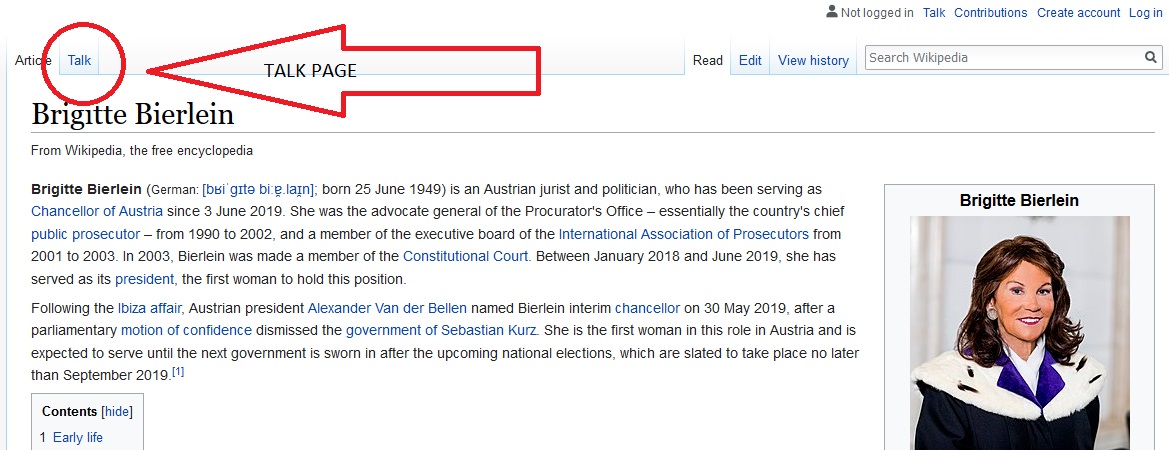
The people who write these bios are not always experts. A high school teacher might start a page for a forgotten poet, while a nurse adds details about a local doctor who pioneered a clinic. Even a teenager can fix a typo or add a birth date, and that counts as helping.
You’ll find different “types” of editors. There’s the fact-checker, who scours books for citations, and the clean-up crew, who fixes grammar and formatting. Then you have the brave starter, who creates a brand-new article from scratch—that takes real courage because it has to pass strict notability rules.
One of the best examples is a biography for a local artist who never made the news. You can gather sources from city archives, old newspapers, and museum brochures. Just remember: Wikipedia requires reliable sources, not just your personal memories. You’re writing a summary of what others have published, not your own opinions.
Getting started is simpler than you think. First, create a free account and spend a day just clicking “edit” on a few pages to see how it feels. Next, visit the Teahouse—a friendly help forum where veterans answer questions without judgment. Finally, pick a person you admire but who has a thin or missing article, then gather two or three solid references.
A practical tip: start by adding one small fact to an existing biography, like a middle name or a notable award. Don’t start with your living boss or a family member—that’s a conflict of interest and can lead to deletion. Also, use the “Citation Hunt” tool to find articles missing sources; it’s a goldmine for friendly edits.
You’ll soon discover that writing a biography is like building a puzzle with citations. Every line you add must point to proof, which forces you to become a mini-detective. It’s deeply satisfying to see your work read by millions, with your username in the history tab.
Finally, remember that perfection is not the goal. The joy comes from the collective effort—hundreds of strangers polishing each other’s drafts over coffee breaks. So dive in, make a tiny edit today, and feel the quiet thrill of leaving your mark on the world’s largest encyclopedia.

![How to Write a Biography: A 7-Step Guide [+Template]](https://blog-cdn.reedsy.com/directories/admin/featured_image/722/how-to-write-a-biography-686372.webp)