Which S&p 500 Companies Pay Dividends

Let’s be honest—when you hear “S&P 500,” your brain probably conjures images of gray suits, blinking monitors, and maybe a lingering whiff of burnt coffee. But here’s the tea: this index is also the world’s most exclusive dividend club, where some of the biggest names in business quietly hand you a slice of their profits just for being a shareholder. It’s less Wall Street greed, more of a cozy, quarterly subscription to your own success.
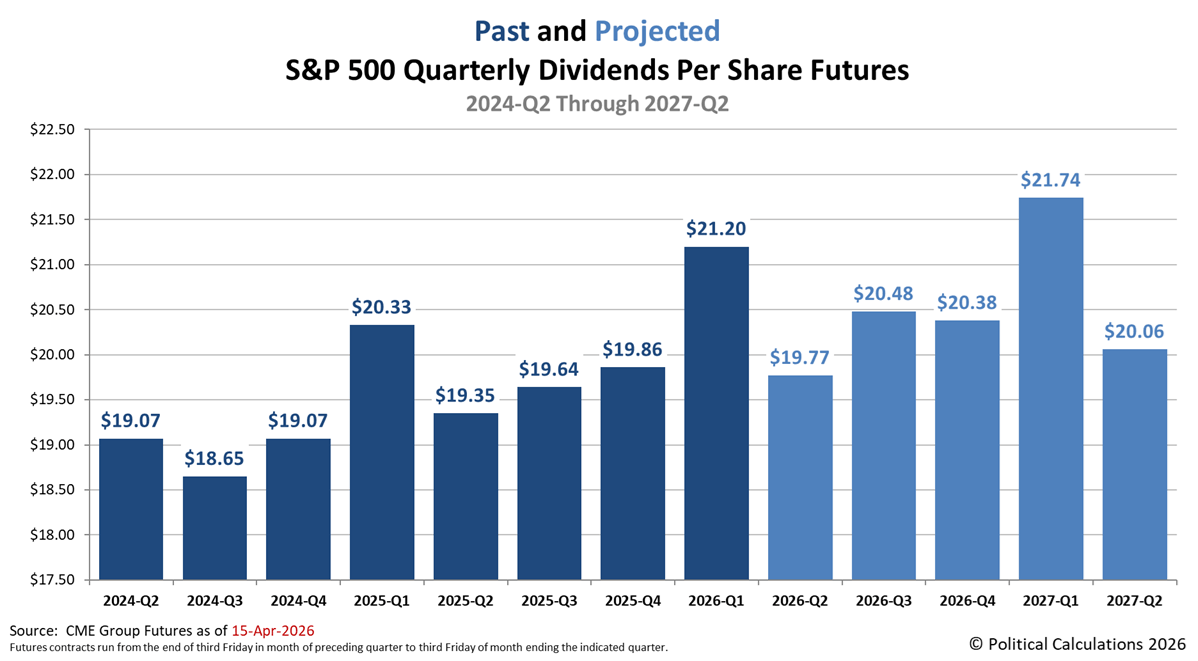
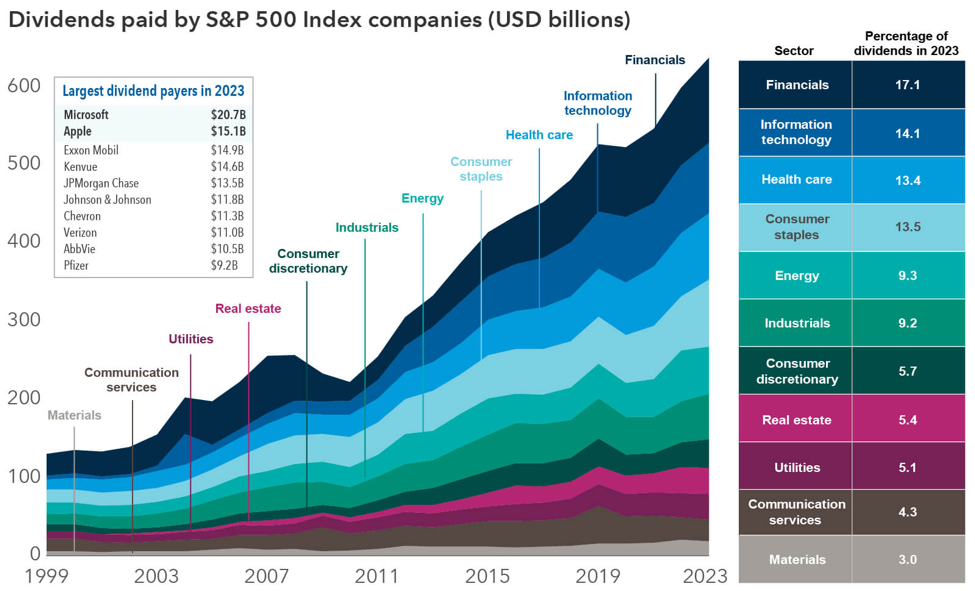
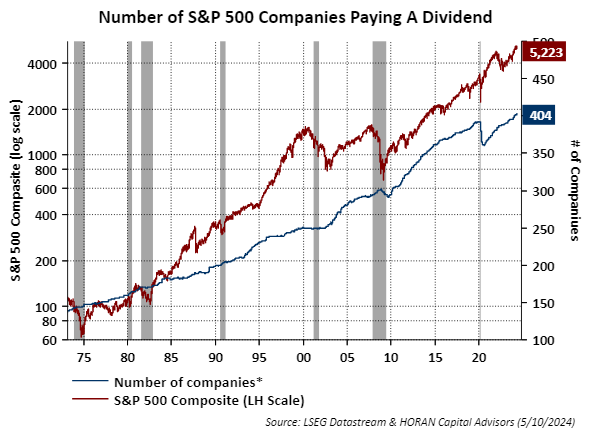
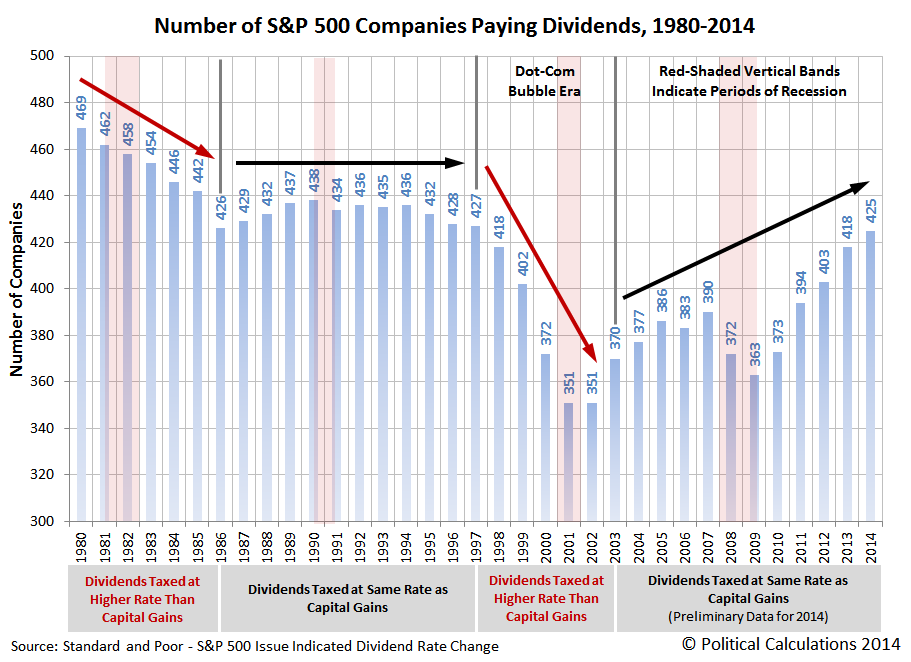
The real headline? Roughly 80% of the companies in the S&P 500 currently pay a dividend. That’s over 400 businesses saying, “Hey, thanks for believing in us—here’s some cash.” But not all payouts are created equal, and knowing the difference between a steady stream and a gushing firehose is where the fun begins.
The Old-School Aristocrats
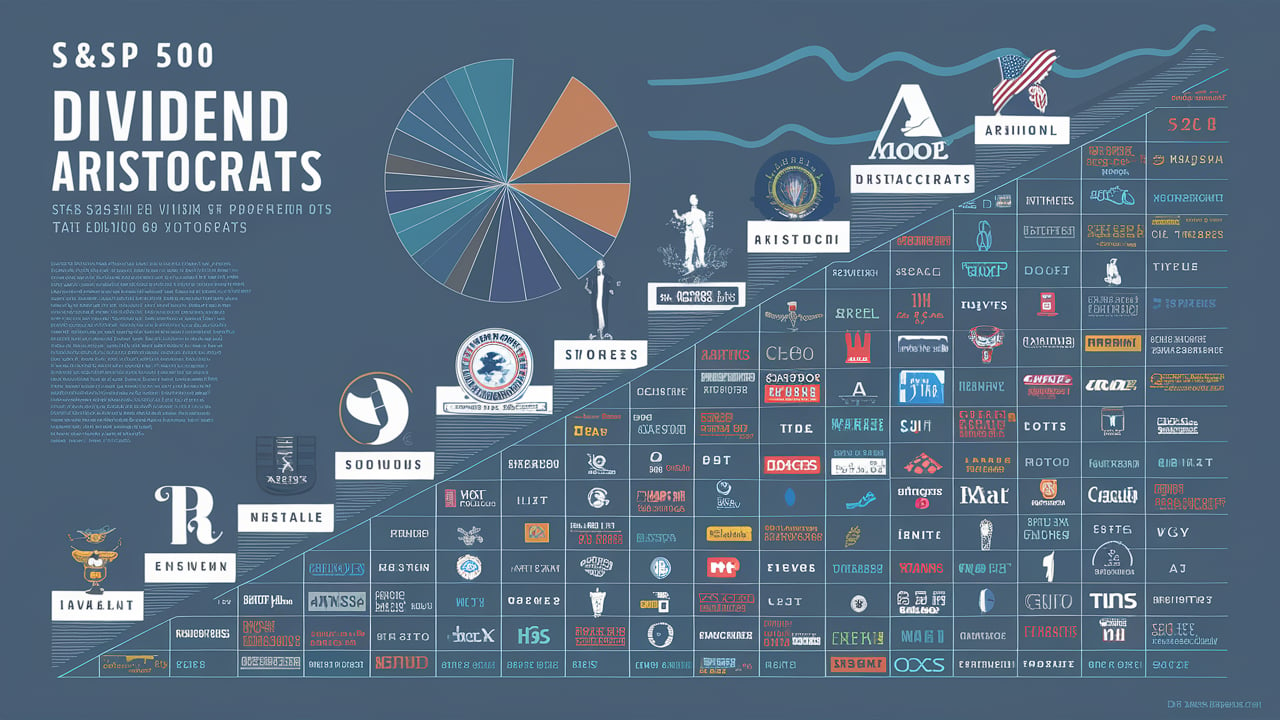
Think of dividend aristocrats as the royalty of your investment portfolio—the ones who’ve increased their payouts for at least 25 consecutive years. Names like Johnson & Johnson (JNJ), Procter & Gamble (PG), and Coca-Cola (KO) are the reliable friends who never flake on dinner plans.
Must Read
They won’t blow your mind with explosive growth, but they’ll buy you a nice dinner in retirement. Their magic is consistency, and in a world of chaos, that’s a warm hug in spreadsheet form.
The High-Yield Heavyweights
If you’re chasing bigger checks, look to sectors like utilities, real estate (REITs), and energy. AT&T (T) and Altria (MO) have historically offered yields that make your savings account look like a cruel joke, often pushing 5% or more.
But here’s the plot twist: a super-high yield can sometimes be a red flag. If a yield looks too good to be true, the market might be pricing in a future cut. It’s like seeing a restaurant with a 4.9-star rating but empty tables—you have to ask why.
On the other side, you have the tech titans like Apple (AAPL) and Microsoft (MSFT). They pay dividends, yes, but their yields are usually under 1%. They’re the cool kids who pass you a small slice of pizza but also hold the keys to the penthouse—you’re really there for the capital appreciation.
Why Dividends Even Matter in 2024
In a market that feels like a casino at times, dividends are your grounding anchor. They provide a real, tangible return even when share prices are flat or falling—which is why they’re called the “bond substitute” for the modern investor.
Also, consider the math: studies show that dividends have accounted for roughly a third of the S&P 500’s total return over the long haul. That’s not pocket change; that’s the difference between a comfortable retirement and a “what was I thinking” one.
Practical tip: Check the payout ratio (dividends divided by earnings). If a company pays out 80% of its earnings as dividends, it has less room to navigate a downturn than one paying 30%. The sweet spot is usually between 40% and 60% for sustainable growth.
The Hidden Gems & The Rule Breakers
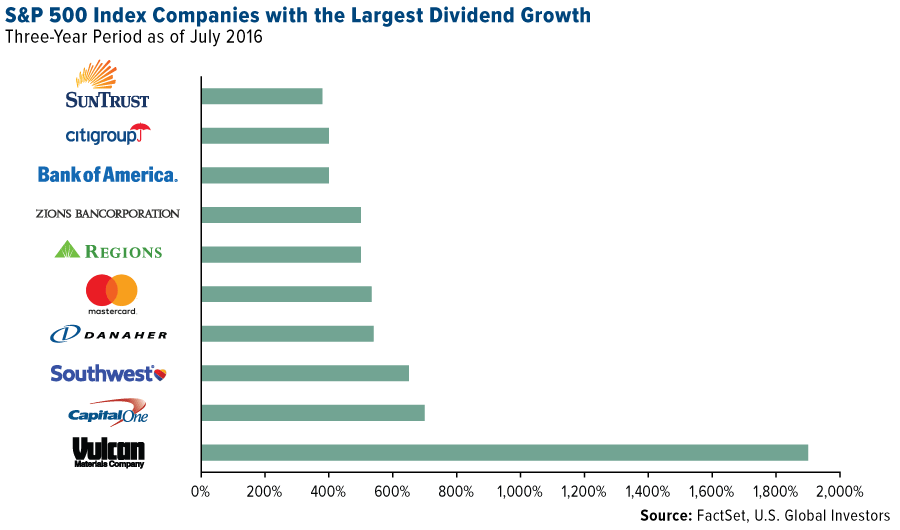
Don’t sleep on smaller S&P 500 players like Broadcom (AVGO) or Lowe’s (LOW)—they've been quietly growing their payouts aggressively. And then there are the Dividend Kings, like 3M (MMM) and Sysco (SYY), which have increased dividends for over 50 straight years. Fifty! That’s longer than most marriages last.
Fun fact: The S&P 500 itself doesn't pay a dividend—you can’t buy a share of the index. But if you buy an ETF like the SPDR S&P 500 ETF (SPY), you’ll get those cash payouts deposited into your brokerage account every quarter, usually in March, June, September, and December. It’s like clockwork, except the clock hands are made of cash.
The Tax Man Cometh (But Gently)
In a taxable account, dividends are usually taxed as qualified dividends at the lower long-term capital gains rate, not your regular income tax rate. That’s a nice little perk for playing the long game.
But if you hold them inside a Roth IRA or 401(k), you can let them compound tax-free until you’re ready to spend them on travel or, you know, avocados. Always check your tax bracket before getting fancy.
How To Start Without Overthinking
Once you’ve got your emergency fund and a few grand to spare, just buy a low-cost S&P 500 index fund. You’ll be instantly exposed to all those dividend payers without picking individual winners and losers.
Or, if you’re a control freak like me, choose 10-15 high-quality dividend stocks across different sectors. Diversification isn’t just a buzzword; it’s your insurance against one bad apple spoiling your entire fruit bowl.
The Reflection: It’s Not Just About Money
There’s a strange, quiet satisfaction when that dividend hits your account. It’s not a paycheck—nobody made you work for it. It’s a passive reminder that your capital is making moves while you’re sleeping, binge-watching a show, or taking a walk.
In a culture obsessed with hustle and grind, dividends teach us the virtue of patience and letting things compound. They reward you for doing almost nothing, which is the ultimate rebellion. So next time you’re staring at your coffee budget, remember: a few shares of KO might eventually pay for that cup. And that’s a beautiful, caffeinated thought.