Which Philips Sonicare Do I Have

So, you’ve just pulled your Philips Sonicare out of the charging glass, ready to wage war on plaque, and a tiny, existential crisis hits you: Wait… which model is this? It’s like finding a random iPhone charger in your drawer—you know it’s yours, but you have zero clue if it’s the fancy one or the old one that’s been through a war. You’re not alone. Figuring out your Sonicare’s identity is the dental equivalent of reading your own birth certificate, but with more bristles and less paperwork.
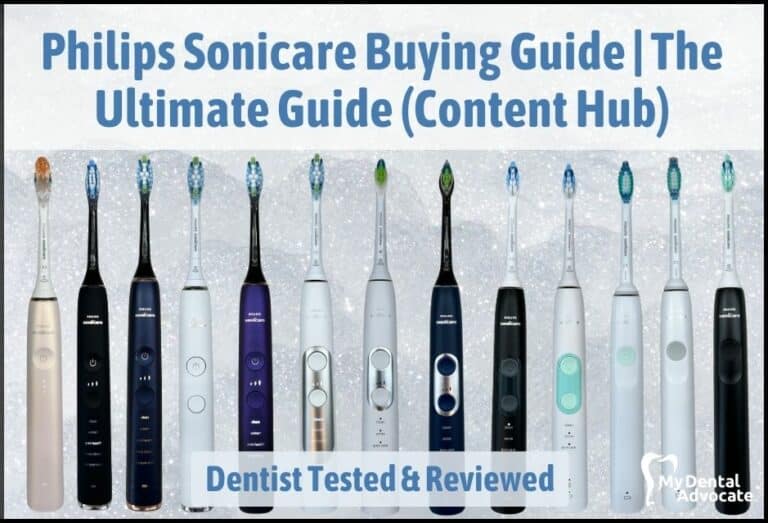
Let’s be honest, most of us just grabbed whatever was on sale at Target during a panic-buy, or it was a gift from a well-meaning relative who thought "electric toothbrush" was a safe bet. The problem is, Philips has released about 47 models since the dawn of time, and they all look like sleek, alien eggs. But don’t worry—you don’t need a forensic dentist to crack this case. We’re going to solve this mystery together, using clues you already have in your bathroom.
Step One: The Handle Line-Up (A Visual Identity Parade)
First, grab your brush and look at the handle. Is it thin and elegant, like a futuristic pen? Or is it chunky and robust, like a mini lightsaber for your mouth? The skinny ones are usually the older Essence or CleanCare series—the workhorses that just buzz and go. If yours is slim and has a single, simple button, congratulations: you own the Honda Civic of Sonicare. It’s reliable, it’s basic, and it does the job without any flashy tech.
Must Read
If your handle is thicker and has a rubberized grip that feels like a sneaker sole, you’re in the HealthyWhite or ProtectiveClean family. These are the mid-tier warriors, the ones that promise to remove stains but don’t, like, connect to your phone. They usually have two buttons: one to power on and one to toggle modes. If you have a mode button that cycles through "Clean," "White," and "Gum Care," you’re already ahead of the curve.
Step Two: The "Do I Have A Brain?" Test
Now, here’s the big divider: Does your brush have a smart screen—even a tiny, weird black-and-white one? Or does it just have a little light that blinks when it’s time to change the head? If you see actual words like “Sonicare” or a silly little battery icon, you’ve hit the jackpot. You’re likely holding a DiamondClean or FlexCare. These are the luxury SUVs of the toothbrush world. They have timers that buzz every 30 seconds to tell you to switch quadrants, and some even pair with an app to chart your brushing like it’s a NASA mission.
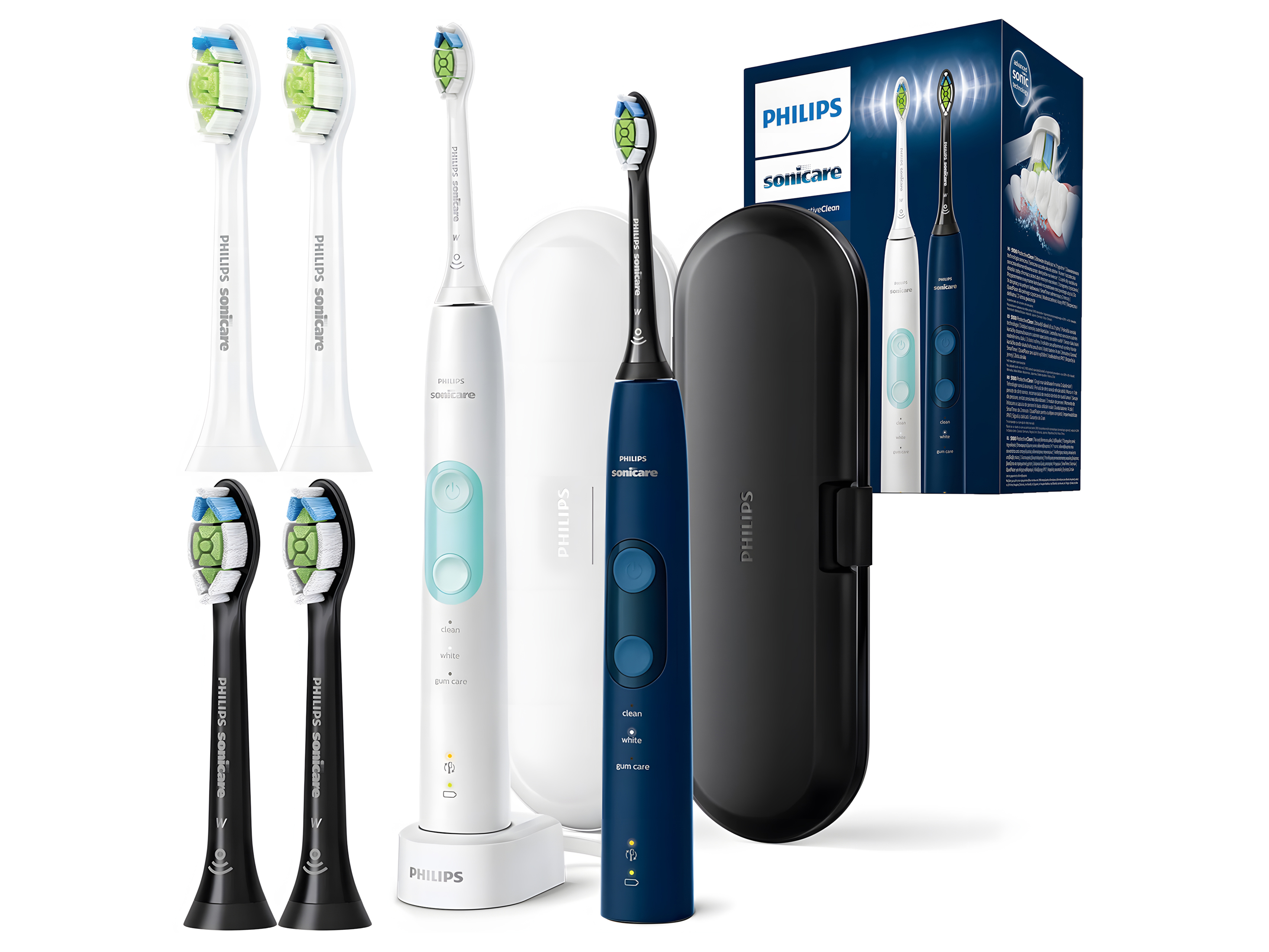
But if your brush just makes a low, angry hum and has a single LED that blinks red when it’s dying, you’re in the simple camp. I once had a friend who swore her brush was a DiamondClean because it was shiny. It was actually a 2013 EasClean she bought at a flea market. She brushed for six months thinking she was a tech mogul. Don’t be my friend. Check for the screen, not the glow.
Step Three: The App Trap & The Charger Clue
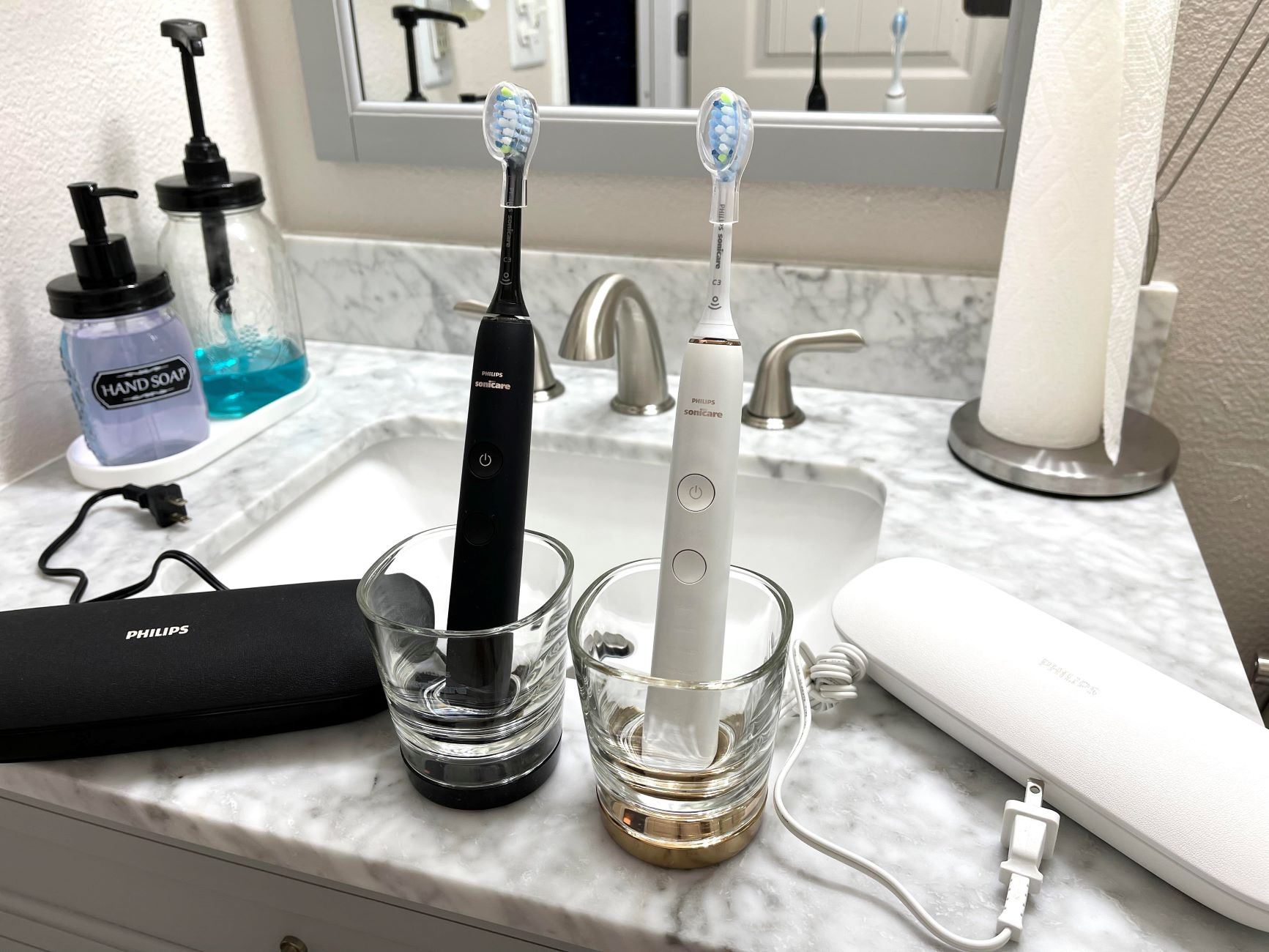
Here’s the funniest trap: you buy a new Sonicare, download the app, and the app asks you to "select your model." You have no idea. So you panic-click the first picture that looks similar. That’s how I ended up telling my app I had a DiamondClean 9000 when I actually had a Pro Results from 2016. The app didn’t care. It just wanted me to brush for two minutes. But if you really want to know, look at the charger base. The glass charging cup is for the high-end DiamondClean series. The flat, plastic charging pad is for the rest of us peasants. That’s the easiest tell.
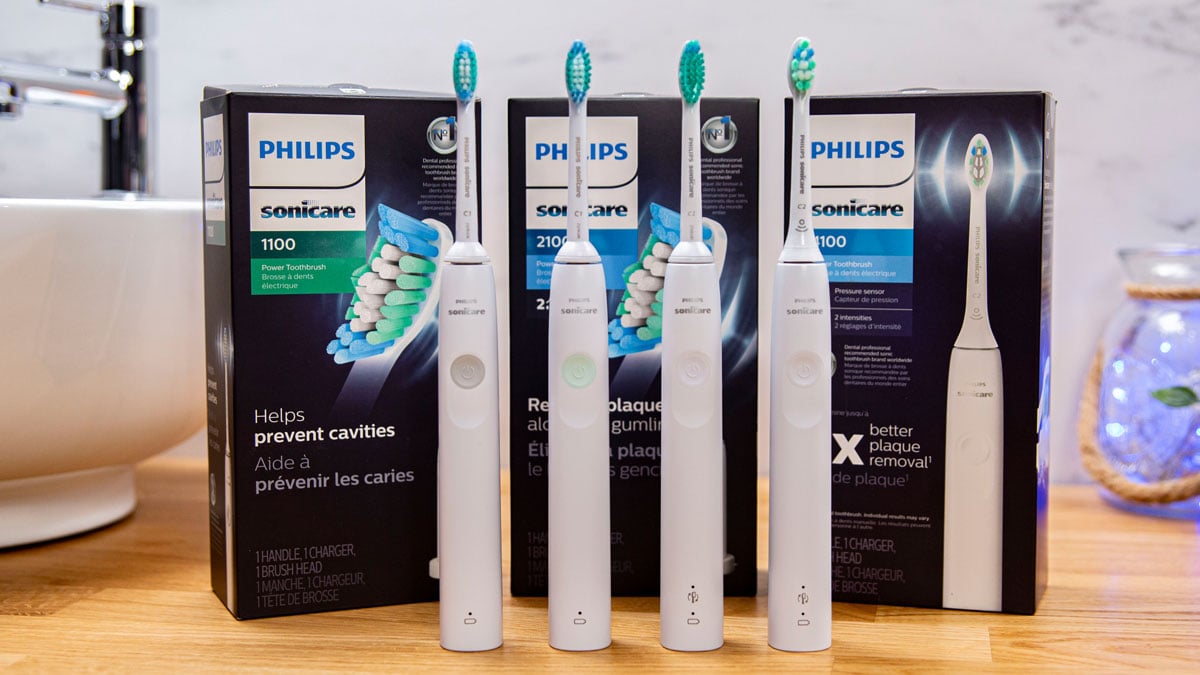
Another sneaky clue is the neck of the brush head. Does the metal part look squarish or curved? The curved ones are usually for the FlexCare and HealthyWhite lines. The squarish, more angular ones are for the newer ProtectiveClean. Honestly, it’s like trying to identify a fish by its scales, but you’ll get the hang of it.
The Final Nod: It Doesn’t Really Matter
After all this detective work, here’s the liberating truth: you don’t need to know the exact model. You just need to know if it has a 30-second interval timer and if the battery holds a charge for more than a week. If it does, you’re winning. If it doesn’t, it’s a doorstop. I’ve seen people with the oldest, most basic Essence model who have better dental hygiene than folks with the $300 smart brush that plays a song when you’re done. The brush doesn’t do the work; your lazy arm does.
So, next time you’re flossing (you are flossing, right?) and you wonder, "Which Philips Sonicare do I have?" just give it a little wink. Check for a screen, feel the grip, and count the buttons. If all else fails, just type the serial number into Google and let the internet do the heavy lifting. And if that fails, just say "The new one." Nobody will question you. Now go brush—and don’t forget the back of your molars.