Which Internet Connection Is Best
Picking an internet plan can feel like decoding a secret language, but it’s actually one of the most impactful choices for your daily life. Whether you’re streaming movies, joining endless video calls, or just scrolling social media, the right connection makes everything smoother. And the good news? You don’t need to be a tech wizard to figure it out—just a little guidance.
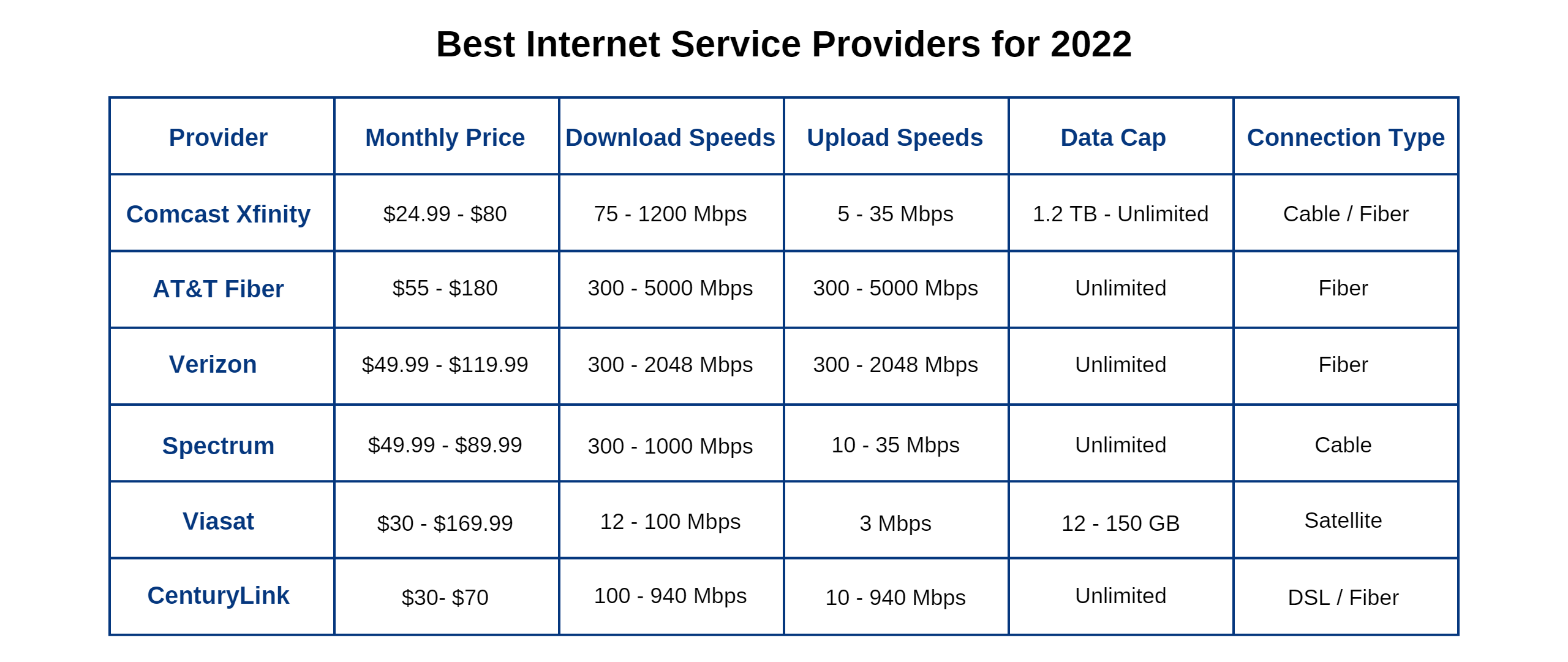
Think of your internet like a highway. Fiber optic is the brand-new, multi-lane freeway—blazing fast and super reliable, but it’s not available everywhere yet. Cable is the well-maintained main road, offering solid speeds for most homes, though it can get a bit congested during peak evening hours. DSL is the scenic country lane, using old phone lines, which is fine for light browsing but struggles with heavy use.
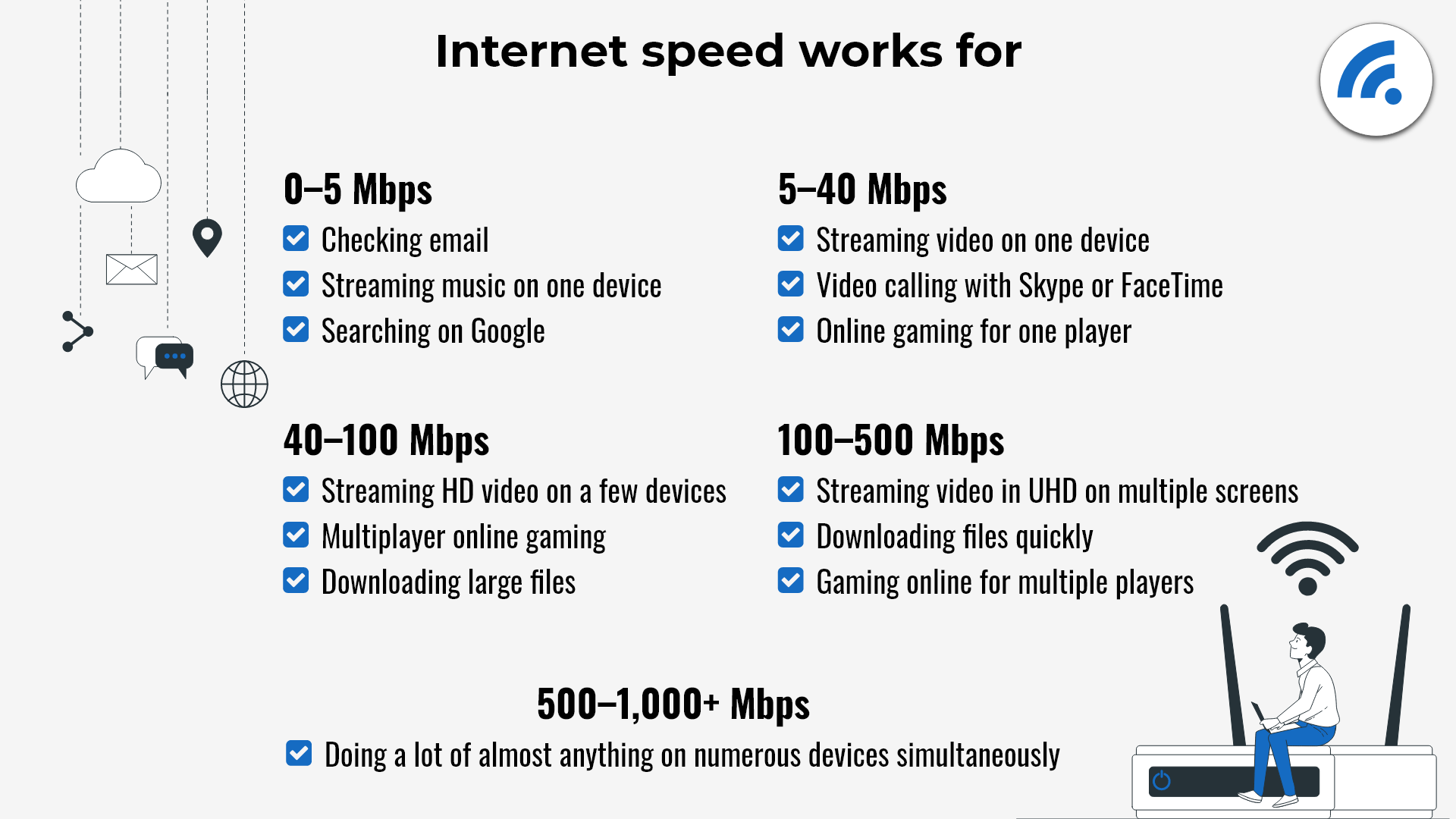
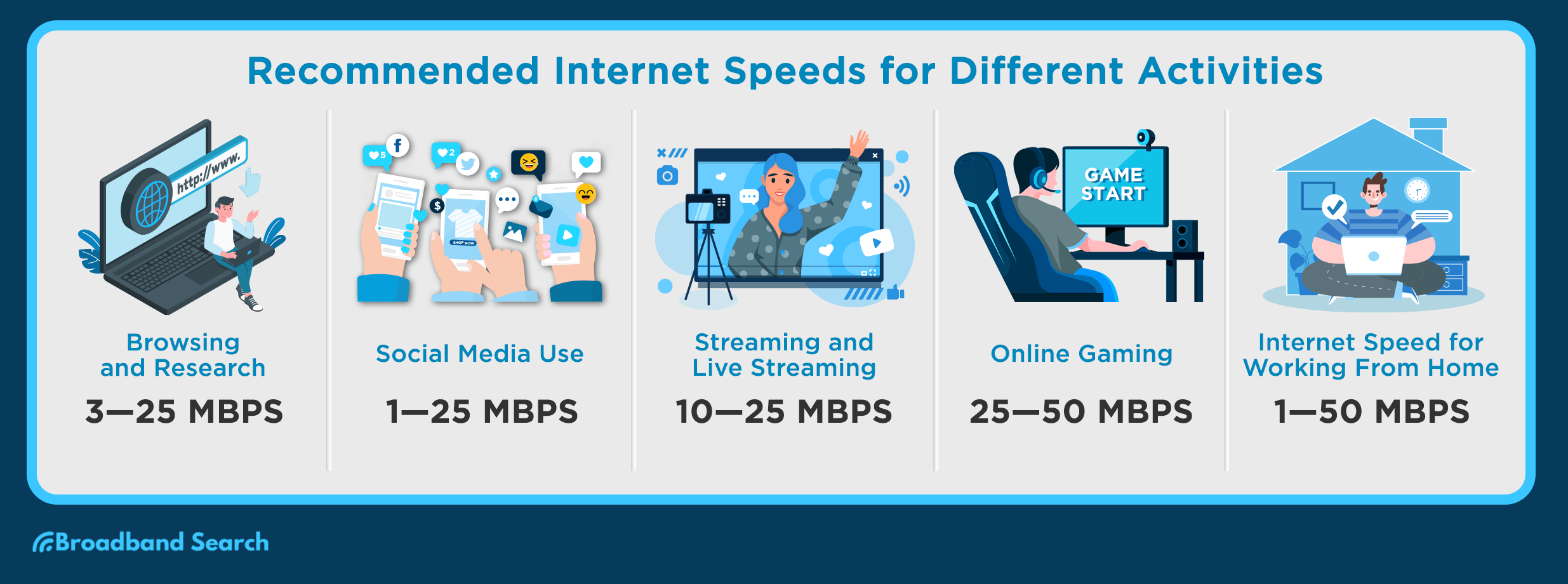
For beginners, the biggest trap is paying for speed you never use. If you live alone and mostly check email and watch a little YouTube, a basic cable or DSL plan at 25 Mbps is plenty. You’ll save money and never notice the difference, so don’t let flashy ads convince you otherwise.
Must Read
Families are the real speed demons. With kids on gaming consoles, parents on Zoom, and smart TVs streaming in every room, you want at least 100 Mbps—and fiber if you can get it. This handles the chaos without buffering or frozen faces, which is worth its weight in gold during a tense online homework session.
Hobbyists, like online gamers or 4K movie buffs, should look for low “ping” or latency, not just raw speed. Fiber absolutely wins here because its response time is lightning-fast, making your actions in games feel instant. Cable can work, but pay attention to upload speeds—gaming and streaming require them more than you think.

Here’s a simple real-world variation: a suburban family with two parents working from home and three teens will need a totally different plan than a retired couple who just video-calls their grandkids. The couple can thrive on 50 Mbps cable, while the family might need 300 Mbps fiber. The trick is to honestly count your devices and how you use them.
Start by running a free speed test on your phone right now to see what you already have. Then, call your current provider and ask about your actual plan details—don’t just look at the bill. If your speeds are regularly below what you pay for, it’s time to shop around or upgrade.
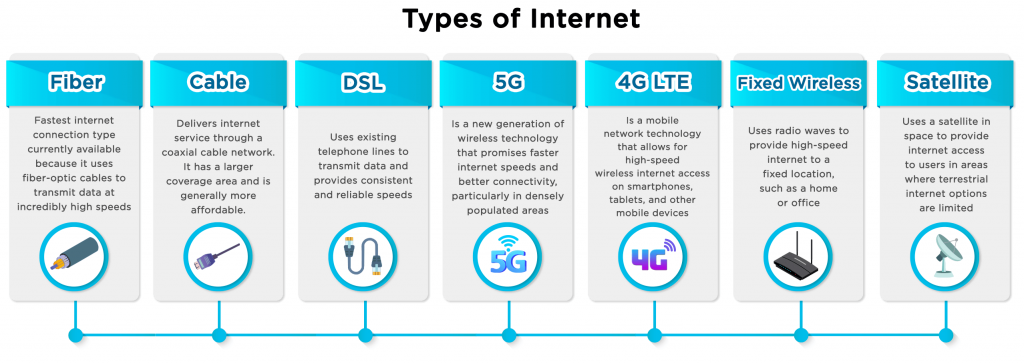
Another practical tip: always check for fiber availability in your zip code first, even if you think it’s not there. Many rural areas are getting fiber right now, and it’s often cheaper in the long run than cable. If fiber isn’t an option, then compare cable plans from two different companies to get a better price.
Don’t forget to lease your own router instead of renting from the provider—it pays for itself in under a year. A modern Wi-Fi 6 router will squeeze more speed out of any connection, especially for families with many devices. Just plug it in and follow the simple setup guide; it’s easier than assembling flat-pack furniture.
Finally, be patient during the first week. Run speed tests at different times—morning, evening, and late night—to see if your connection holds up. If it dips badly at 8 PM, that’s congestion, and you’ll know you need to upgrade or switch.
The real joy of finding the best internet is the freedom it gives you—no more spinning wheels, no more “can you hear me now?” Just smooth sailing for every show, game, and call. Take a little time to compare, and you’ll land on a plan that feels perfect for your home. That’s a win worth celebrating.