Which Companies Should I Invest In
We live in an era where the most intimate relationship you can have is not with a partner, but with a ticker symbol. The stock market, once the exclusive playground of cigar-smoking tycoons in suspenders, has democratized into a global casino that fits in your back pocket. Yet, the eternal question—Which companies should I invest in?—remains the financial equivalent of asking which person you should marry before you even know yourself. It’s a question that blends cold mathematics with the messiest parts of human psychology, and getting it wrong feels like a personal failing rather than a market cycle.
The concept of "picking winners" is as old as the Dutch East India Company, which in 1602 became the first publicly traded entity and inadvertently invented the shareholder meeting—arguably the world’s most boring spectator sport. Fast forward to 2024, and we’re not just buying shares; we’re buying narratives. We buy Tesla for the future, Apple for the present, and Coca-Cola for the nostalgic warmth of a simpler America. But here’s the dark fun fact: the average holding period for a stock on the NYSE in the 1940s was about four years. Today, it’s less than ten months. We’ve turned a vehicle for wealth creation into a slot machine, and then we wonder why our portfolios feel like they’re having an identity crisis.
The Hidden Architecture: Why Your Brain is Your Worst Broker
Let’s talk about the uncomfortable truth that financial advisors won’t put on a bumper sticker: you are not rational, and neither is the market. The companies you are drawn to are often the ones that mirror your own biases. If you’re a tech worker, you buy tech stocks because they feel like “friends.” If you’re a nurse, you might instinctively buy healthcare stocks, conflating your noble profession with your savings account. This is the familiarity heuristic at work—a mental shortcut that makes us believe what we know is safer, even when the data screams otherwise. The dot-com bubble and the 2021 meme-stock frenzy weren’t anomalies; they were collective psychological events. We don’t invest in companies; we invest in emotions wearing a P/E ratio as a costume.
Must Read
There’s also a darker, more subtle force at play: anchoring. If you bought a stock at $100 and it drops to $70, your brain anchors to the $100 price. You refuse to sell, not because the company’s fundamentals changed, but because you’re psychologically desperate to "get back to even." This is why so many investors hold onto dying giants like Blockbuster or Sears long past their expiration date—they’re not evaluating the business model; they’re fighting a war against their own past decisions. Meanwhile, institutional investors are exploiting these psychological cracks, using algorithmic models to sell into your emotional panic. When you ask "which companies should I invest in," the better question is often "which companies are preying on my cognitive blind spots?"
Culturally, we’ve canonized the "disruptor" archetype. We worship Elon Musk and despise the steady-eddy utility company, even though utility stocks have historically provided superior risk-adjusted returns over 20-year periods. The cultural irony is staggering: we scroll past a stable, dividend-paying water utility to chase a loss-making EV startup because the latter gives us a better story at a dinner party. Investing has become a form of social signaling, a way to say "I’m forward-thinking" without actually admitting you’re gambling with you retirement. This cultural pressure is why so many portfolios are just a mirror of the front page of Wired magazine, rather than a reflection of sound financial planning.
Scenario Mapping: Practical Strategies for the Modern Maelstrom
So, how do you navigate this minefield with your dignity—and your principal—intact? Let’s build a mental framework. Scenario One: you are a 30-year-old professional with a high risk tolerance and a decade before you need the money. For you, the answer lies not in picking a single "winner" but in buying the entire haystack. Index funds are the cheat code of the rational investor, offering instant diversification across 500 of the largest US companies. But here’s the nuance: the S&P 500 is increasingly top-heavy. As of late 2024, the top seven tech companies—Apple, Microsoft, Nvidia, Alphabet, Amazon, Meta, and Tesla—account for roughly 30% of the index's weight. Investing in the S&P 500 today is essentially a bet on seven companies, whether you realize it or not.

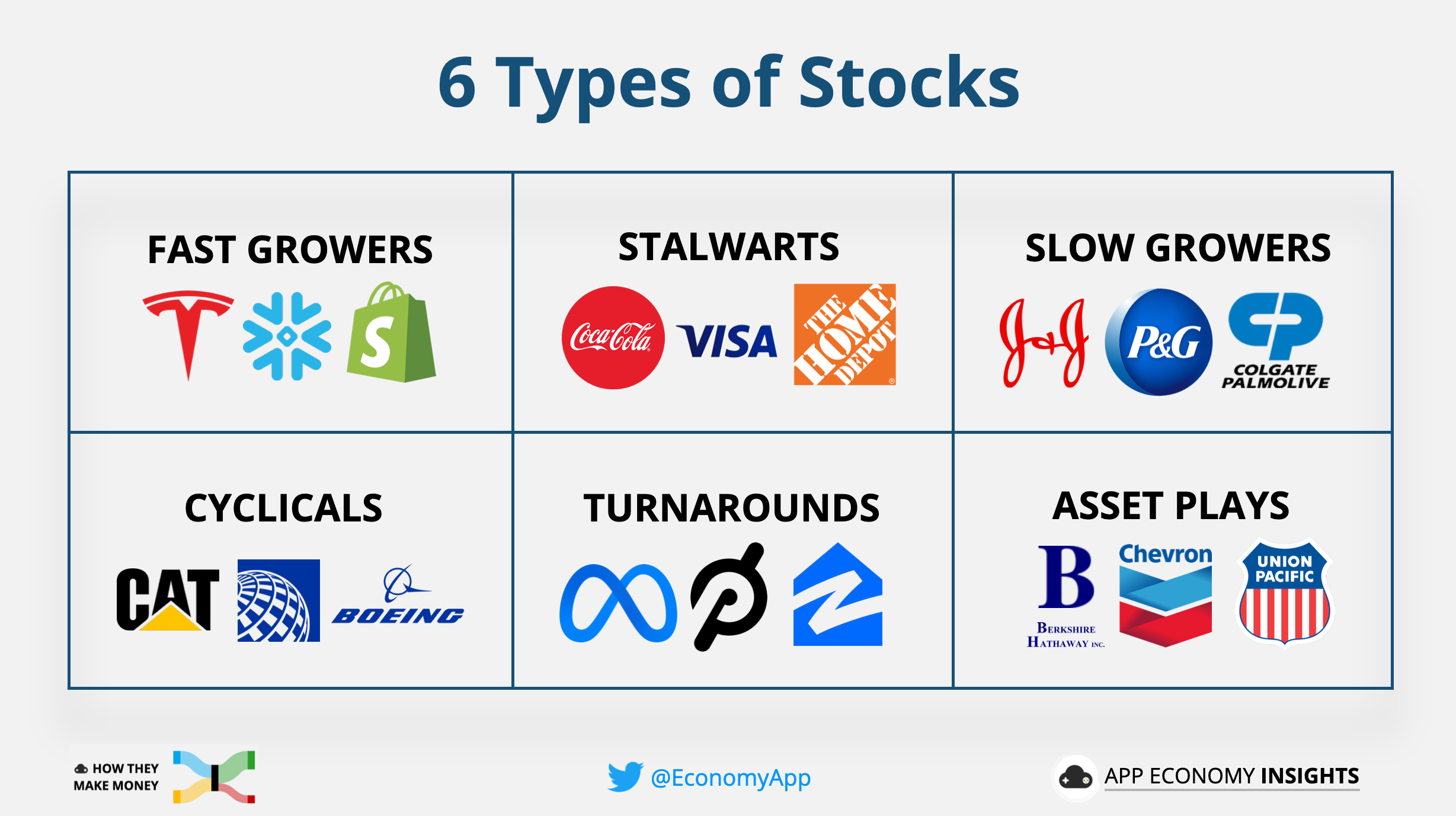
Scenario Two is the "barbell strategy," favored by high-volatility survivors. You put 80% of your portfolio into boring, liquid, dividend-paying behemoths—think Johnson & Johnson, Procter & Gamble, or even a European bank like Santander—and the remaining 20% into speculative high-growth moonshots like quantum computing firms or biotech startups. The fun fact here is that this strategy mimics the evolutionary biology of a peacock’s tail: it’s ostentatious on the edges but structurally sound at the core. The boring 80% pays your bills while the wild 20% gives you a lottery ticket without the financial suicide of buying scratch-offs. It’s the investment equivalent of eating your vegetables so you can have a slice of triple-chocolate cake, except the cake occasionally multiplies into a bakery.
Now, let’s address the elephant in the room: the "quality" metric. Instead of asking "which company is hot," ask "which company has a moat?" Look for three things in any potential pick: a high return on invested capital (ROIC) above 15% consistently, a manageable debt-to-equity ratio, and free cash flow that isn’t just an accounting illusion. Case in point: Costco. It’s a retail company with razor-thin margins, yet it generates massive shareholder value through membership fees and operational efficiency. Its stock has outperformed nearly every tech giant over the last 20 years. The actionable takeaway is to stop chasing growth and start chasing capital allocation. Companies that buy back shares when they’re undervalued, like Apple or Alphabet, are effectively sending you a love letter because they’re signaling that their own stock is the best investment they can make.
Finally, consider the "concentric circle" approach to your own life. Invest in what you are uniquely positioned to understand. If you work in logistics, you probably have a sharper read on C.H. Robinson than a generic fund manager. A nurse might understand the defensive resilience of a healthcare REIT (Real Estate Investment Trust) like Welltower better than an urban banker. The edge isn’t in having secret information—that’s illegal—but in having experiential information that the market’s algorithms haven’t fully priced in yet. This is the counter-intuitive truth: the best companies to invest in are often the unglamorous ones you walk past every day, not the ones trending on social media. When you stop looking for oracle-like predictions and start looking for boring businesses that generate cash like a faucet, your portfolio begins to look less like a casino and more like a well-pumping station.
Frequently Asked Questions: The Naked Truth
1. Should I just invest in what I know? Doesn't that limit my returns?
Investing in what you know is a double-edged sword. On one side, your professional or lived experience gives you an edge in noticing subtle shifts—like a sudden dip in foot traffic at a retailer you frequent or the reliability of a software tool you use at work. This is the "Peter Lynch" doctrine, and it has created fortunes. However, the dark side is overconfidence bias. Just because you know the product doesn't mean you understand the balance sheet. Enron employees were intimately familiar with their energy trading business, yet they lost everything because they ignored the accounting fraud. Knowing the coffee is good doesn't tell you the price of the beans or the lease costs of the stores.
The strategic solution is to use your professional knowledge as a screening tool, not a confirmation tool. If you work in cybersecurity, identify a few companies you respect, then do the financial due diligence as if you were a skeptic. Calculate their churn rates, read their 10-K filings, and compare them against competitors. If your "insider" knowledge aligns with strong financial metrics, then you have a winner. If they contradict each other, trust the numbers over your gut. More importantly, investing in what you know doesn't mean exclusively. Your day job is already high-risk exposure to your industry; don't double down by putting all your investments there. Diversify into shares of what you know, but also into what you don't—that complementary mix is the real wealth builder.
2. Are ETFs or individual stocks better for a beginner?
This is like asking whether a self-driving car or a manual transmission is better for a new driver. ETFs are the self-driving car: they handle the diversification, rebalancing, and risk management for you. A beginner can buy a low-cost S&P 500 ETF (like VOO or IVV) and instantly own a slice of 500 companies, eliminating the catastrophic risk of picking a single dud like a Lehman Brothers. The data is unequivocal that the majority of professional fund managers fail to beat the S&P 500 over a decade, so the humble ETF is statistically the most rational choice. It’s also psychologically healthier, as the volatility is smoothed out, reducing your urge to panic-sell during a market dip.
However, individual stocks offer the potential for superior returns and a more engaging learning experience. But the catch is that you need a robust framework and a tolerance for watching your holdings swing 30% in a month. For beginners, the hybrid approach is gold: build a core portfolio of 80% broad-market ETFs for stability, and use the remaining 20% to buy individual stocks you’ve thoroughly researched. This way, you learn the ropes of stock analysis without risking your entire future on a mistake. It’s like learning to cook—start with a recipe (ETF), then start improvising with ingredients (individual stocks) once you understand the basic chemistry of finance. The worst mistake is going all-in on a single hot stock tip, which is the financial equivalent of learning to swim by jumping into a rip current.
3. How do I spot a company with long-term growth potential versus a hype bubble?
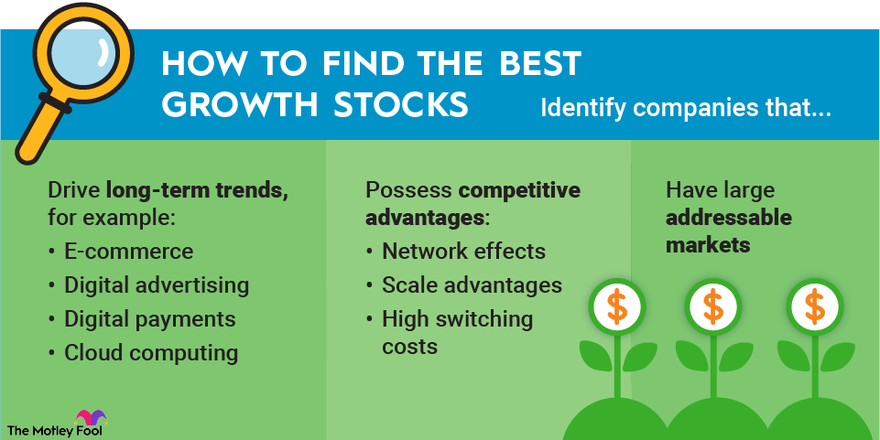
The late, great investor Charlie Munger said, "Show me the incentive, and I will show you the outcome." A company with long-term growth has an incentive structure aligned with reinvestment, not just short-term stock price inflation. Look for a company that is expanding its total addressable market (TAM), not just grabbing market share from a shrinking pie. For example, consider a company that makes electric vehicle charging stations; the TAM is global and growing as ICE vehicles phase out. In contrast, a company that makes specialized DVD players has a shrinking TAM, no matter how profitable it is today. The key metric isn't just revenue growth; it's sustainable revenue growth backed by reinvestment in R&D, intellectual property, or network effects.
To spot a bubble, watch for the "Greater Fool" indicator—when the narrative is so compelling that people are buying without any regard for valuation. Hype bubbles share common traits: extreme price volatility, a surge in retail investor chatter online, and, crucially, revenues that don't justify the market cap. Consider that during the 2021 SPAC boom, many EV companies with zero revenue reached billion-dollar valuations solely on the promise of future tech. To separate the wheat from the chaff, look at unit economics. Does the company make money on each product sale before accounting for marketing? Does it have a clear path to profitability? A company that loses $5 on every $10 product it sells and makes it up in volume is a tragedy. The most stable growth companies—like Visa or Microsoft—have high margins, low capital expenditure needs, and a pricing power that allows them to survive inflationary periods.
4. Is it ethical to invest in "sin stocks" like tobacco or gambling if they offer high returns?
Ah, the moral quandary of the portfolio. This is a deeply personal decision, but let’s separate the romance from the reality. On one hand, "sin stocks" (tobacco, alcohol, gambling, defense) have historically delivered phenomenal returns. Because these industries are often excluded by ESG (Environmental, Social, Governance) funds, their prices are discounted, yet their cash flows are massive and defensive. People drink during recessions, gamble during despair, and smoke until they die. A classic example is Altria, which has paid a steadily increasing dividend for over 50 years, despite the clear health harms of its products. The pure financial case is that you are a shareholder, not a CEO; you don't run the cigarette factory, you just own a tiny piece of its profit.
However, the "dark fun fact" is that ethical investing often has a hidden emotional cost. Studies show that investors who buy sin stocks feel more conflicted, leading them to sell prematurely at a loss during dips because their moral discomfort spikes with volatility. Conversely, investors who buy "green" or ESG funds often suffer from virtue signaling bias, overpaying for average companies as a tribute to their own righteousness. The pragmatic takeaway is this: if you invest in sin stocks, be intellectually honest about it. Allocate the money you don't need for 20 years and set auto-dividend reinvestment. If you can’t stomach the moral conflict, you’re psychologically better off investing in a total market index fund and using the excess returns to donate to a cause you care about. Investing shouldn't make you nauseous; if it does, the return isn't worth the psychological wear and tear.
5. How often should I check my portfolio, and when should I sell?
Let’s settle this with a dark but liberating fact: the more often you check your portfolio, the lower your returns. A study by the University of California found that investors who checked their portfolios daily saw annual returns that were 12% lower than those who checked quarterly. Why? Because daily checking triggers the "loss aversion" reflex—you see the red numbers, your amygdala fires, and you panic-sell at the bottom. If you’re a long-term investor, treat your portfolio like a fine wine cellar: you open the door to admire the bottles, check the temperature, but you don't pull out the cork and pour it down the drain every time there’s a storm outside. Checking monthly is enough.

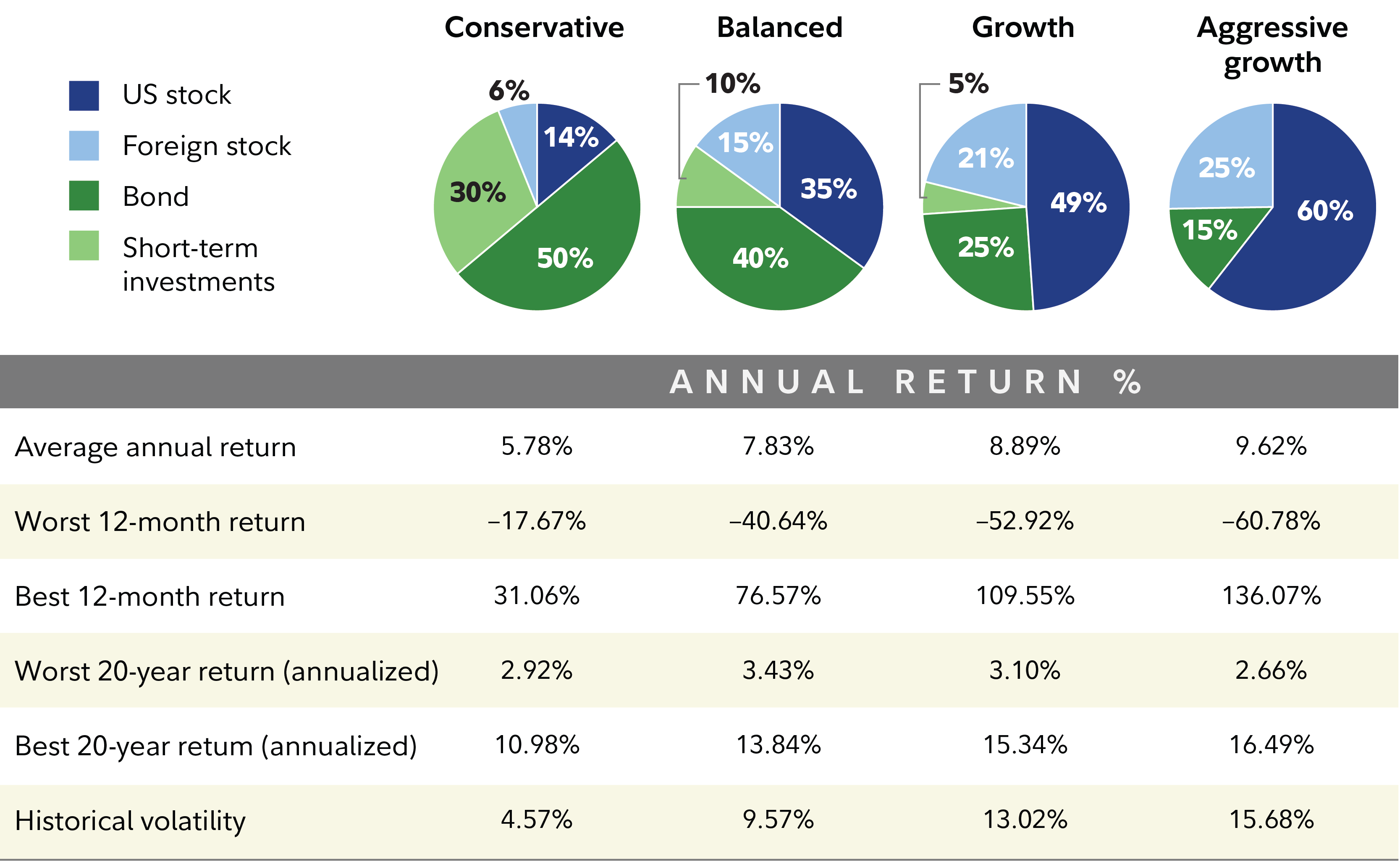
As for selling, you don't sell based on price; you sell based on fundamental deterioration or rebalancing needs. You sell if a company’s competitive moat is breached—think of when Nokia failed to pivot to smartphones, or when Twitter’s user growth stagnated. You also sell if the company's management team starts making reckless acquisitions that destroy value. However, the most common and successful selling strategy is rebalancing. If your target allocation is 70% stocks and 30% bonds, and stocks surge so you’re now at 85% stocks, you sell a portion of your winners to buy bonds. This forces you to "sell high" and "buy low" mechanically, removing the emotion. Remember, the market is a machine for transferring wealth from the impatient to the patient. Your sale trigger should be tied to your financial plan's parameters, not to the daily news cycle or your neighbor’s bragging about their crypto gains.
In the end, the question of which companies to invest in is really a question about your own identity. The market doesn't know you exist; it’s just a giant auction house of human optimism and fear. But your portfolio is a mirror of your beliefs about the future—do you believe in technological progress, human stubbornness, or global stability? When you invest in a company, you are signing a social contract with the future, saying, "I trust that you will solve problems and generate value even when I'm asleep." That’s a profoundly vulnerable act.
Ironically, the best investors often achieve success by doing very little. They buy, they hold, and they let the compounding machine do its relentless work. They don’t check the news at 3 AM. They don’t sell because a politician tweeted something scary. They’ve learned that courage isn't buying the most volatile stock; it’s sitting still when everything in your body screams to run. The human nature of investing is a battle between your inner child wanting instant gratification and your future self needing security.
So, the next time you open your brokerage app and ask "which companies should I pick?", pause. Look at the screen reflecting your face. The most critical investment you can make is not in a ticker symbol, but in your own financial literacy and psychological resilience. Build a system, not a wish. Diversify, automate, and ignore the noise. The greatest dark fun fact of all is that the most profitable company to invest in is often the one you forget you own—the one that quietly grows while you're living your life, oblivious to the chaos of the market. That’s not just investing; that’s a love letter to your future self.